Your medical cannabis journey simplified: find partnered dispensaries, explore pricing options, earn rewards, and get answers to FAQs, all in one spot.
December 9, 2022 08:00 am ETEstimated Read Time: 5 Minutes
Cannabis is federally illegal and classified as a Schedule I substance under the Controlled Substance Act (CSA). The CSA defines Schedule I substances as drugs with no currently accepted medical use and a high potential for abuse. Schedule I drugs include heroin, lysergic acid diethylamide (LSD), marijuana (cannabis), ecstasy, methaqualone, and peyote. With the classification, it is difficult to create regulations that do not directly contradict what cannabis users and researchers report.
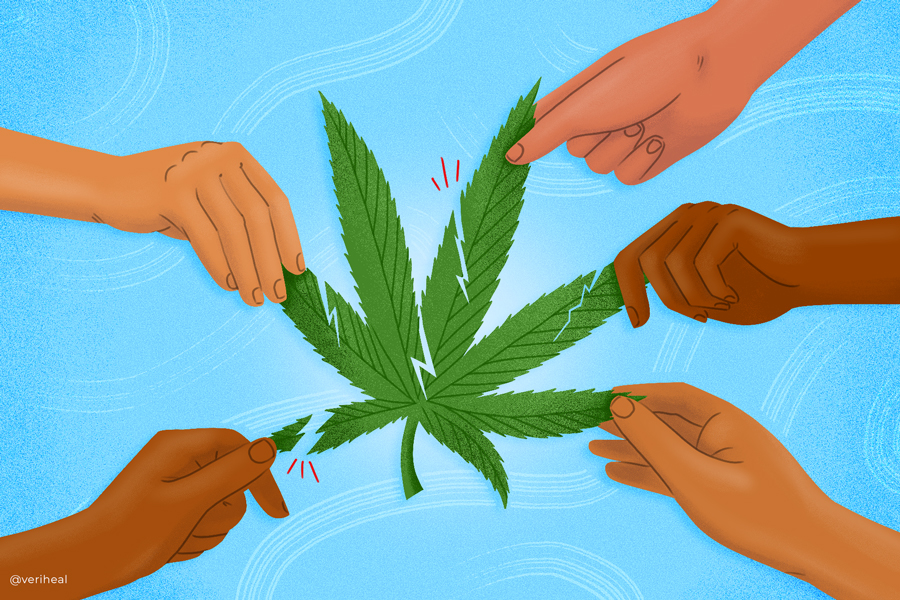
The gray areas of cannabis regulations can lead those seeking safe cannabis to the unknowns of the black market. It also creates a large burden for states to regulate cannabis without the support of the federal government. While most states that allow cannabis have similar laws and regulations, the law still changes the moment you cross state lines. For states that do not allow for a medical or recreational program, the black market is the only option for consumers.
So who are the biggest players when it comes to cannabis regulation? Let’s explore.
Drug Enforcement Administration (DEA)
The focus of the Drug Enforcement Administration (DEA)is to enforce the controlled substance laws and regulations of the United States and bring to the criminal and civil justice system those involved in the growing, manufacturing, or distribution of controlled substances. The DEA also recommends and supports non-enforcement programs to reduce the availability of illicit controlled substances on the domestic and international markets.
The significant role the DEA plays in cannabis is its role of regulating the manufacture and distribution of controlled pharmaceuticals (such as scheduled prescription drugs) and listed chemicals through the DEA’s Diversion Control Division.
Each year the DEA publishes statistics from the eradication and suppression program. In 2021 it was reported that the DEA ceased over 5 million indoor and outdoor cannabis plants. The goal of the federal government is to protect the public’s health. Black market marijuana has the risk of unknown qualities, unknown chemical remains, and the dangers that follow illegal activities. The DEA does not report if these large numbers come from organized crime or someone’s personal backyard grow.
2021 DOMESTIC CANNABIS ERADICATION/SUPPRESSION PROGRAM STATISTICAL REPORT
Total Eradicated Outdoor Grow Sites
Total Cultivated Plants Outdoor
Total Eradicated Indoor Grow Sites
Total Cultivated Plants Indoor
Number of Arrests
4,658
4,604,683
1,195
922,435
6,606
Food and Drug Administration (FDA)
The Food and Drug Administration (FDA) is responsible for protecting public health by regulating human drugs and biological products, animal drugs, medical devices, tobacco products, food (including animal food), cosmetics, and electronic products that emit radiation.
The FDA has approved one cannabis-derived and three cannabis-related drug products. These approved products are only available with a prescription from a licensed healthcare provider. The FDA has approved Epidiolex, which is used for treating seizures associated with Lennox-Gastaut syndrome or Dravet syndrome and seizures associated with tuberous sclerosis. Epidiolex is approved for patients 1 year of age and older, which means the FDA has concluded that this particular drug product is safe and effective for its intended use.
The FDA has also approved Marinol and Syndros for therapeutic uses in the United States. Marinol and Syndros include the active ingredient dronabinol, a synthetic form of delta-9-tetrahydrocannabinol (THC), the most abundant and well-known component of cannabis. Another FDA-approved drug, Cesamet, contains the active ingredient nabilone, which has a chemical structure similar to THC and is synthetically derived. The FDA recognizes the potential opportunities that cannabis or cannabis-derived compounds may offer and acknowledges the significant interest in these possibilities.
State-Level Regulation
Until cannabis is federally legal, each state has the responsibility to set standards and regulate according to the laws and bills that their local government passes. In 19 states, the Department of Health regulates medical cannabis patients and businesses. In eight other states, the Department of Health regulates only patient registries. Some states also have advisory boards to assist with regulations.
Many other local state departments assist in the regulation of cannabis. In Connecticut, the Department of Consumer Protection regulates medical cannabis. In Colorado, the Department of Revenue regulates gaming and liquor as well as medical and adult-use cannabis businesses. However, the state’s health department maintains the patient registry. Michigan’s program is overseen by the Marijuana Regulatory Authority, which is within the state’s licensing and regulatory affairs department.
Some states divide and conquer the role of regulation with the help of multiple agencies. In Arkansas, the Medical Marijuana Commission and the Alcoholic Beverage Control Division regulate medical cannabis businesses. The Department of Health maintains the patient registry. In Louisiana, the Board of Pharmacy regulates dispensaries (which are called pharmacies but are not DEA-licensed to dispense other controlled substances), the Board of Medical Examiners registers physicians who recommend and craft related rules, and the Department of Agriculture regulates cultivators.
During a time when U.S. drug policy is changing at rapid rates, it’s especially important to have reliable and effective regulation. These entities work together to promote the safe consumption of cannabis in America.
Anna Schwartz completed her master's degree in public health with a focus on harm reduction. She is passionate about cannabis education and eliminating misinformation through data-driven research. Anna loves spending her free time in the great outdoors!
In the confusing landscape of state-by-state medical marijuana legalization and federal prohibition lies a patient’s pursuit of a better quality of life, balanced with an unrestricted financial livelihood. In workplaces across many different medical marijuana legal states, no law guarantees that a valid, card-carrying MMJ patient status exempts an employee from termination or discrimination stemming…
It feels like every other day, a fresh slang term pops up in the cannabis lexicon, and today, we’re looking at an entry that’s all over TikTok and Reddit – Yart! Spoiler alert: it has everything to do with the humble vape cart (and how challenging it is to talk about cannabis on social media). …
The final stage of life often brings profound challenges for both patients and their families. For patients in hospice and palliative care, common symptoms not only affect the physical body but also their mental well-being. While traditional medications may dull pain, they often come with heavy sedation, confusion, and loss of clarity. Fortunately, medical cannabis…
The old “lazy stoner” stereotype is quickly fading. We now see bodybuilder moms using cannabis for better sleep, runners getting in the zone with the help of weed, and many other examples of cannabis being used in ways that counter the unmotivated stereotypes of the past. As legal access to the plant increases, more people…
If you’re planning to get a medical marijuana card in 2026, you might be wondering whether you need to meet with a certified cannabis doctor—either online or in person. Still, finding a qualified medical marijuana doctor near you can feel overwhelming and confusing if you’re not sure where to start. This guide shows you exactly…
The statements made regarding cannabis products on this website have not been evaluated by the Food and Drug Administration (FDA). Cannabis is not an FDA-approved substance and is still illegal under federal law. The information provided on this website is intended for educational purposes only and is not intended to diagnose, treat, cure, or prevent any disease. It is not intended as medical advice and should not be considered as a substitute for advice from a healthcare professional. We strongly recommend that you consult with a physician or other qualified healthcare provider before using any cannabis products. The use of any information provided on this website is solely at your own risk.