Your medical cannabis journey simplified: find partnered dispensaries, explore pricing options, earn rewards, and get answers to FAQs, all in one spot.
March 9, 2020 01:43 pm ETEstimated Read Time: 4 Minutes
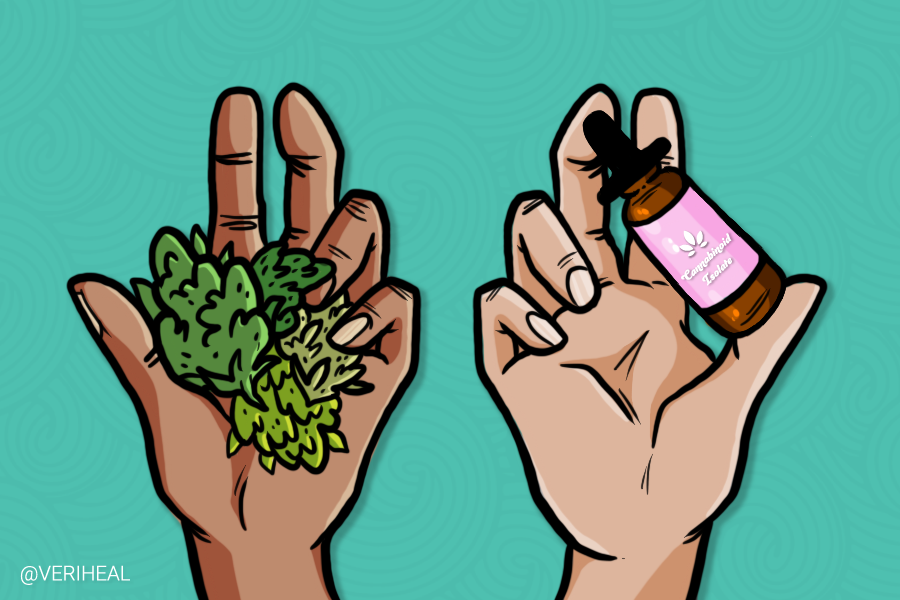
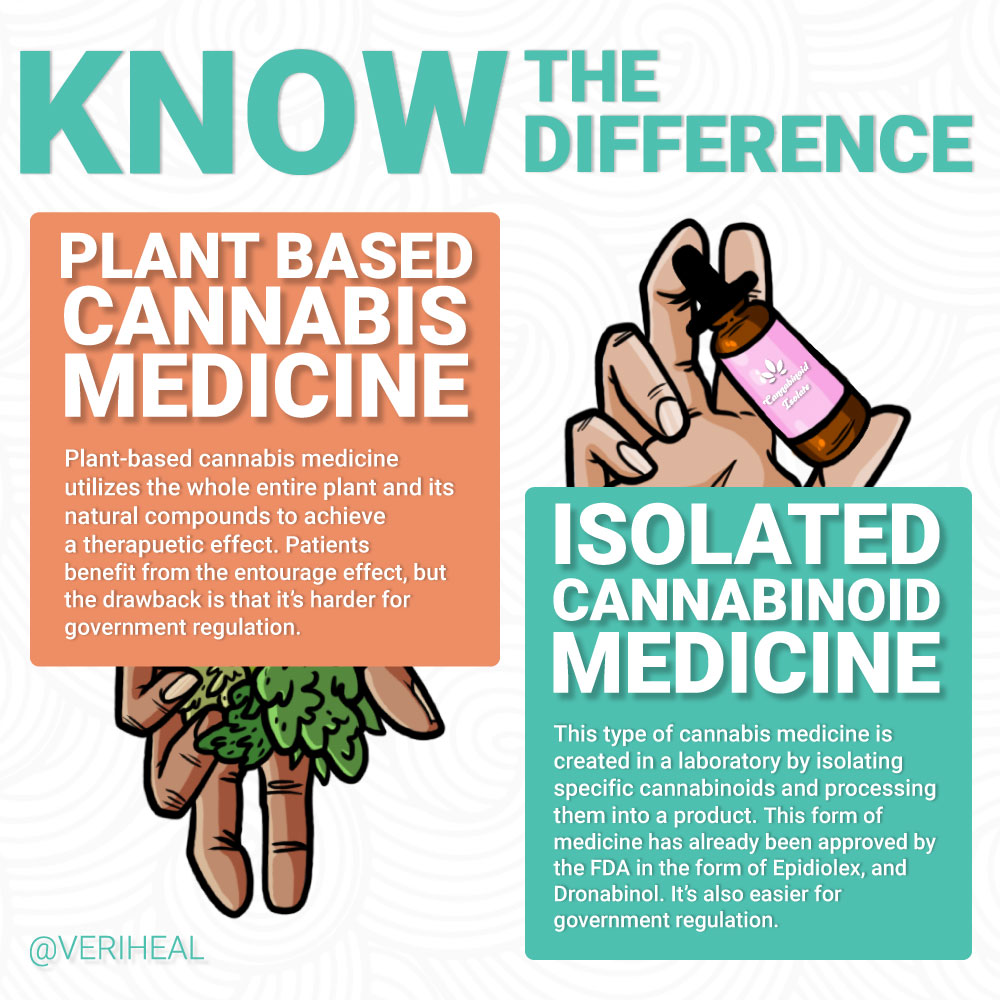
One of the biggest problems with allowing cannabis to be sold alongside pharmaceuticals is the fact that it is challenging to regulate. Individuals can find cannabis medicine which may be plant-based or synthetic cannabinoids. Cannabinoids are the compounds found in cannabis that reacts with our bodies, which brings on the benefits and effects. Synthetic cannabinoids are chemical replicas of the substances found in the cannabis plant itself and comprises of singular molecule development.
Even though the chemical and pharmacological properties of synthetic properties are mostly unknown outside of the laboratory, it is said to be easier for the pharmaceutical industry to regulate than plant-based medicine. Synthetic cannabinoid products are herbal mixtures doused with synthetic cannabinoids which make their appearance, taste and smell different. A synthetic formulation of the main psychoactive cannabinoid, Tetrahydrocannabinol (THC), was approved by the U.S Food and Drug Administration, which is called Dronabinol. Alongside that, Nabilone, which is a synthetic analog of THC, was also approved. Those are just two of hundreds that are being manufactured and sold.
Professionals are advocating for more research to be done so that they may figure out which is better: plant-based medicine or synthetic cannabinoids.
Let’s have a look at the benefits of each as well as something called the ‘entourage effect’.
Benefits of Plant-Based Cannabis:
Easy to access, especially if grown in proximity.
Increases and improves appetite.
Has the following healing properties: reduced nausea and vomiting, lower blood pressure, regulation of diabetes, pain management, seizure regulation and much more.
Has a versatile application.
It can be produced inexpensively.
An all-natural remedy that was not created in a laboratory, unlike the synthetic cannabinoid counterpart.
Consumers know what the plant consists of, unlike the synthetic cannabinoids.
It allows consumers to benefit from the entourage effect.
Benefits of Synthetic (Isolated) Cannabinoid Medicine:
Easier for the industry to regulate, unlike plant-based cannabis.
There are hundreds of approved synthetic cannabinoids being produced and sold.
The treatment will be more specific in terms of what it targets as it isolates a specific cannabinoid. The treatment will target things such as pain, nausea, vomiting, appetite stimulation, and many others.
The consumer would know exactly what they are consuming.
Offers options that are free of THC.
It can be produced inexpensively.
Has a versatile application.
Users have reported these effects that are similar to plant-based medicine: elevated mood, relaxation as well as a heightened awareness of surrounding objects and conditions.
The Entourage Effect:
The entourage effect is when the different cannabis compounds such as terpenes, THC, and cannabidiol (CBD), combine together to create an effect that is more powerful than what they would on their own. Since there are so many compounds in cannabis, many yet to be discovered, the entourage effect could explain why consuming cannabis effects vary so much, as they interact with each other.
One of the most important things to consider is that you will be getting the full spectrum of the plant’s benefits when you consume plant-based medicine. There is a complex synergy between the plants’ cannabinoids and other constituents of the plant such as the terpenes. It is not yet clear how these components of the plant interact with each other but it is clear that they work together to boost the effects.
The entourage effect explains why the effects THC, for example, from the plant can be 2 to 4 times greater than just THC on its’ own. Although more research is needed, it has already been established that we should consume plant-based medicine if we were to get the most out of cannabis.
Both synthetic cannabinoid medication and plant-based medication both offer the benefits which we want cannabis for. But again, there needs to be more research into which one is better, as well as more research into what the adverse effects are for both. Until then, we won’t know for certain.
Chane Leigh, aka The Bud Fairy, is a South African cannabis advocate and enthusiast with a firey personality and a thirst for travel. She loves to educate people and to question the norms.
According to 2020 data from the Centers for Disease Control (CDC), 14.5% of adults have trouble falling asleep most days, while 17.8% have trouble staying asleep. Other reports estimate that 50 to 70 million Americans have sleep disorders, and roughly 84 million don’t regularly get enough sleep to stay healthy. This widespread lack of sleep…
Whoever says only women can use beauty products needs to hush. Men deserve to look good, too, because the better you look, the better you feel. Research suggests younger men aged 18-34 are most likely to use CBD for skin conditions, but so do those 34–55 still. You don’t have to go as far as…
For many, dating today feels more challenging than ever. The competition is fierce, with many having to fake it to match the expectations and preferences of a limited pool of potential partners. The question that you need answered today is whether your cannabis use might be sabotaging your chances at romance. Sadly, it just might….
A major part of the cannabis legalization process in many states occurs both before and after ratification — it’s called fearmongering. This unfortunate side effect of liberty takes on many forms: legal hypocrisy, religious and gender discrimination, racism, and so many more abhorrent realities. Much of the same misinformed and hateful rhetoric hardens and congeals around…
Wedding Cake stands as one of the most celebrated hybrid strains of modern cannabis. This award-winning strain captured titles such as Best Hybrid Flower at the 2018 SoCal High Times Medical Cannabis Cup and Strain of the Year 2019 from Leafly, cementing its place among cannabis icons. Wedding Cake’s true-to-its-name rich flavor and aroma profile…
The statements made regarding cannabis products on this website have not been evaluated by the Food and Drug Administration (FDA). Cannabis is not an FDA-approved substance and is still illegal under federal law. The information provided on this website is intended for educational purposes only and is not intended to diagnose, treat, cure, or prevent any disease. It is not intended as medical advice and should not be considered as a substitute for advice from a healthcare professional. We strongly recommend that you consult with a physician or other qualified healthcare provider before using any cannabis products. The use of any information provided on this website is solely at your own risk.