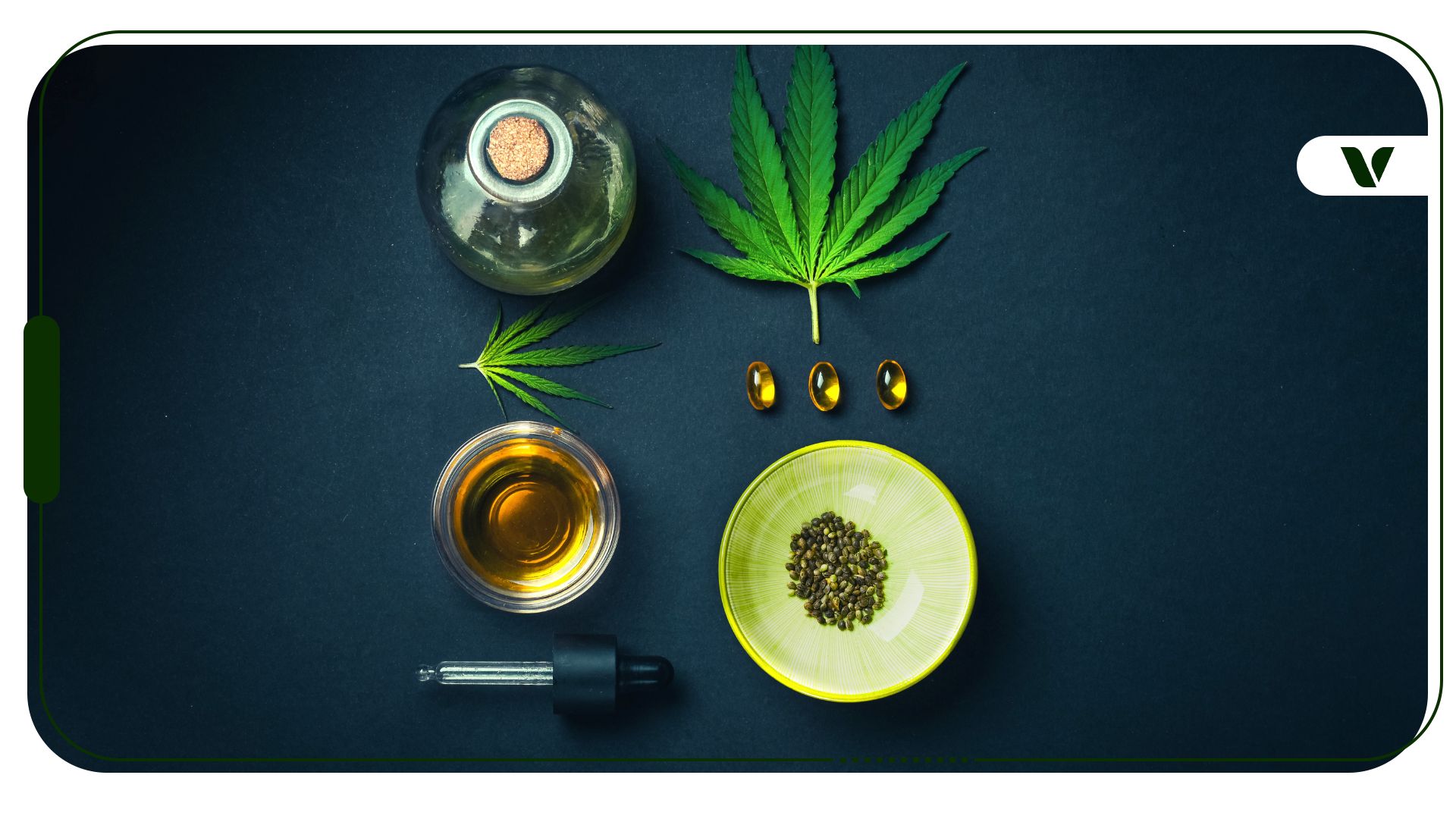
Making cannabis tincture at home involves extracting cannabinoids using alcohol or oil-based solvents through a simple steeping process. This method creates a concentrated liquid that delivers precise dosing and faster onset than edibles.
Cannabis tinctures offer several advantages over other consumption methods. They provide discreet dosing, longer shelf life than flower, and bypass the lungs entirely. You can control exactly how much tetrahydrocannabinol (THC) or cannabidiol (CBD) you consume, making them ideal for medical patients who need consistent effects.
This guide covers everything you need to know about making cannabis tinctures at home, including alcohol and non-alcoholic methods, proper dosing, and storage techniques.
What You Need to Make Cannabis Tincture
Creating quality cannabis tinctures requires specific equipment and ingredients that ensure both safety and potency. The decarboxylation process remains essential regardless of which extraction method you choose.
Equipment needed:
- High-proof alcohol (190-proof grain alcohol like Everclear) or food-grade glycerin
- Glass mason jars with tight-fitting lids
- Fine mesh strainer or cheesecloth
- Dark glass dropper bottles for storage
- Kitchen scale for precise measurements
- Oven-safe baking dish and parchment paper
Cannabis preparation requirements: Your flower quality directly impacts tincture potency. Use properly cured cannabis with visible trichomes and minimal stem material. Trim works for tinctures but produces lower potency than premium flower. Calculate your starting material carefully since most home recipes use a 1:5 to 1:10 cannabis-to-solvent ratio.
Alcohol vs glycerin considerations: High-proof alcohol extracts both THC and CBD more efficiently than glycerin, creating stronger tinctures with longer shelf life. Glycerin produces milder tinctures with a sweet taste that many prefer, especially for microdosing or sensitive users who want to avoid alcohol entirely.
How to Make Alcohol-Based Cannabis Tincture
Alcohol extraction creates the most potent cannabis tinctures because ethanol dissolves cannabinoids and terpenes more completely than other solvents. This method requires careful attention to safety since high-proof alcohol is highly flammable.
Step-by-step alcohol tincture recipe:
- Decarboxylate your cannabis by spreading 1 ounce of ground flower on parchment paper and baking at 240°F for 40 minutes. This activates THCA into psychoactive THC.
- Combine ingredients using a 1:5 ratio – 1 ounce decarbed cannabis to 5 ounces of 190-proof grain alcohol in a clean mason jar. Shake vigorously for 2-3 minutes.
- Store in a dark location for 2-4 weeks, shaking daily. Longer extraction times increase potency but may introduce chlorophyll that creates bitter flavor.
- Strain thoroughly using a fine mesh strainer lined with cheesecloth. Press the plant material to extract remaining liquid, then strain again for clarity.
- Transfer to dropper bottles made of dark glass to protect from light degradation. Label with date and estimated potency for safety.
Safety precautions:
- Work in a well-ventilated area away from heat sources and open flames
- Never use isopropyl alcohol or denatured alcohol – these are toxic
- Store extraction materials away from children and pets
- Use only food-grade grain alcohol for consumption
The finished tincture should have a golden to amber color depending on extraction time and plant material used. Properly made alcohol tinctures maintain potency for 3-5 years when stored correctly.
How to Make Non-Alcoholic Cannabis Tincture (Glycerin Method)
Vegetable glycerin creates alcohol-free tinctures with naturally sweet flavor that appeals to users who avoid alcohol for health, religious, or personal reasons. While glycerin extracts cannabinoids less efficiently than alcohol, it produces milder effects perfect for microdosing.
Glycerin tincture preparation
- Decarboxylate cannabis using the same temperature and timing as alcohol methods – 240°F for 40 minutes ensures complete THCA conversion.
- Heat extraction method combines 1 ounce decarbed cannabis with 6 ounces food-grade vegetable glycerin in a slow cooker on low heat for 6-8 hours. Stir every hour.
- Alternative cold extraction steeps the same ratio for 60 days in a dark location with daily shaking. This produces cleaner flavor but requires patience.
- Strain and store using the same filtering process as alcohol tinctures. Glycerin tinctures benefit from a final filter through coffee filters for maximum clarity.
Glycerin vs alcohol comparison
|
Factor
|
Glycerin
|
Alcohol
|
|
Extraction efficiency
|
Moderate
|
High
|
|
Shelf life
|
1-2 years
|
3-5 years
|
|
Flavor
|
Sweet, mild
|
Bitter, harsh
|
|
Onset time
|
30-90 minutes
|
15-45 minutes
|
|
Potency
|
Lower
|
Higher
|
Glycerin tinctures work well for users who need consistent low-dose effects or want to avoid the burning sensation that alcohol tinctures can cause under the tongue.
Cannabis Tincture Potency and Dosing Guide
Understanding tincture potency helps you dose accurately and avoid overwhelming effects. Most homemade tinctures contain 2-10mg THC per dropper depending on your starting material and extraction ratio.
Calculating homemade tincture strength: start with your cannabis THC percentage – most flower ranges from 15-25% THC. One gram of 20% THC flower contains roughly 200mg THC. After decarboxylation and extraction losses, expect 60-80% of that original THC in your finished tincture.
Dosing recommendations by experience:
- Beginners: Start with 2.5-5mg THC (roughly 1/4 dropper)
- Occasional users: 5-10mg THC (1/2 dropper)
- Regular users: 10-20mg THC (1 full dropper)
- High tolerance: 20mg+ THC (multiple droppers)
Timing and method comparison
|
Method
|
Onset Time
|
Duration
|
Best For
|
|
Sublingual
|
15-45 minutes
|
2-4 hours
|
Fast, controlled effects
|
|
Mixed in food
|
30-90 minutes
|
4-6 hours
|
Longer-lasting relief
|
|
Direct swallowing
|
45-90 minutes
|
4-8 hours
|
Maximum duration
|
Wait at least 2 hours before taking additional doses since tincture effects can build gradually. How long effects last varies significantly between sublingual and oral consumption.
Track your doses in a journal during the first few weeks to identify your optimal amount and timing. Start low and increase gradually until you find the dose that provides desired effects without unwanted side effects.
CBD vs THC Tinctures: Effects and Differences
CBD and THC tinctures serve different purposes and produce distinct effects, making your choice dependent on whether you want psychoactive effects or therapeutic benefits without intoxication.
THC tinctures produce the characteristic cannabis “high” along with potential therapeutic effects. Users report relaxation, mood elevation, pain relief, and appetite stimulation. Effects typically peak 60-90 minutes after dosing and can last 4-6 hours when taken orally.
CBD tinctures provide therapeutic benefits without intoxication. Users commonly experience reduced anxiety, inflammation relief, and improved sleep quality without feeling impaired. Research suggests CBD may help with seizure disorders, chronic pain, and anxiety conditions.
Full-spectrum tinctures contain multiple cannabinoids and terpenes that may work together synergistically. CBD isolate tinctures contain only CBD but avoid trace THC that could show up on drug tests.
Making your own tinctures allows you to control the CBD-to-THC ratio precisely. Many users prefer balanced ratios like 1:1 or 2:1 CBD to THC for therapeutic effects with minimal psychoactivity.
Choose THC-dominant tinctures for recreational use or when psychoactive effects enhance your intended benefits. Select CBD-dominant or CBD-only tinctures when you need therapeutic effects during work hours or while driving.
How to Use Cannabis Tinctures and How Fast They Work
Cannabis tincture consumption method directly affects onset time, intensity, and duration of effects. Understanding these differences helps you choose the right approach for your needs and schedule.
Sublingual administration: hold the tincture under your tongue for 60-90 seconds before swallowing. This method bypasses digestion and allows cannabinoids to absorb directly into your bloodstream through mucous membranes. Effects typically begin within 15-30 minutes and last 2-4 hours.
Oral consumption: swallow tinctures directly or mix them into food and drinks. This method takes longer to work – usually 30-90 minutes – but produces longer-lasting effects of 4-6 hours. The liver processes cannabinoids differently when swallowed, sometimes creating stronger effects than sublingual use.
Mixing and flavoring options: mask the strong taste of alcohol tinctures by mixing them into juice, smoothies, or cannabis coconut oil recipes. Add a few drops to coffee, tea, or salad dressings for discreet consumption.
Timing considerations: take tinctures on an empty stomach for faster onset but potentially stronger effects. Food slows absorption but may reduce intensity and extend duration. Plan your dosing around meals and daily activities since effects can last several hours.
Start with sublingual administration to gauge potency, then switch to oral consumption if you prefer longer-lasting effects. Never increase your dose without waiting at least 2 hours to feel the full effects of your initial amount.
Cannabis Tincture Storage and Shelf Life
Proper storage significantly extends tincture potency and prevents degradation that reduces therapeutic benefits. Different solvents require specific storage conditions to maintain quality over time.
Alcohol tincture storage: store alcohol-based tinctures in dark glass bottles away from direct sunlight and heat sources. Properly stored alcohol tinctures maintain potency for 3-5 years without refrigeration. Keep bottles tightly sealed to prevent alcohol evaporation that concentrates the tincture unpredictably.
Glycerin tincture requirements: glycerin tinctures have shorter shelf lives of 1-2 years and benefit from refrigeration in warm climates. The higher water content in glycerin makes these tinctures more susceptible to bacterial growth if contaminated.
Storage best practices
|
Storage Factor
|
Alcohol Tinctures
|
Glycerin Tinctures
|
|
Temperature
|
Room temperature
|
Cool, preferably refrigerated
|
|
Light exposure
|
Dark glass bottles
|
Dark glass bottles
|
|
Shelf life
|
3-5 years
|
1-2 years
|
|
Refrigeration
|
Optional
|
Recommended
|
Signs of degradation: watch for cloudy appearance, off odors, or visible mold growth. Potency naturally decreases over time, so older tinctures may require larger doses to achieve the same effects. Label all tinctures with creation date and estimated potency for safety tracking.
Store all cannabis products away from children, pets, and unauthorized users. Consider using lockable medicine cabinets or safes for households with minors.
Common Cannabis Tincture Making Mistakes
Avoiding common preparation errors ensures consistent potency and prevents wasted time and materials. Most mistakes occur during decarboxylation, extraction, or storage phases of tincture making.
- Skipping or incomplete decarboxylation – Raw cannabis contains THCA that won’t produce psychoactive effects. Always decarb at 240°F for 40 minutes, checking that cannabis turns golden brown.
- Using wrong alcohol types – Isopropyl alcohol, denatured alcohol, and low-proof spirits are either toxic or ineffective. Only use 190-proof grain alcohol like Everclear for extraction.
- Incorrect ratios – Too little solvent creates weak extraction; too much dilutes potency unnecessarily. Stick to proven ratios of 1:5 to 1:10 cannabis to solvent.
- Inadequate straining – Plant material left in finished tinctures continues extracting chlorophyll, creating bitter flavors and green coloration. Double-strain through cheesecloth and coffee filters.
- Improper storage containers – Clear glass or plastic bottles allow light degradation. Always use dark glass dropper bottles stored in cool, dark locations.
- Impatient extraction times – Rushing alcohol extraction by using heat or shortening steeping time reduces final potency. Cold extraction requires 2-4 weeks for optimal strength.
Most failed tinctures result from temperature mistakes during decarboxylation or using contaminated materials during extraction. Clean all equipment thoroughly and measure temperatures accurately for consistent results.
Ready to explore medical cannabis legally? Find a qualified doctor who can help you determine if cannabis tinctures are right for your health needs and guide you through the legal process in your state.
Note: The content on this page is for informational purposes only and is not intended to be professional medical advice. Do not attempt to self-diagnose or prescribe treatment based on the information provided. Always consult a physician before making any decision on the treatment of a medical condition.
Note: Veriheal does not support illegally consuming therapeutic substances such as cannabis but acknowledges that it transpires because of the current illicit status, which we strive to change by advocating for research, legal access, and responsible consumption. Always consult a physician before attempting alternative therapies.
Frequently Asked Questions
What is the best method for cannabis tincture?
Alcohol extraction using 190-proof grain alcohol produces the strongest, longest-lasting tinctures. This method extracts cannabinoids and terpenes more efficiently than glycerin while providing 3-5 year shelf life.
What is the best base for cannabis tincture?
High-proof ethanol (Everclear) works best for potency and shelf life. Food-grade vegetable glycerin offers an alcohol-free alternative with milder effects and sweet flavor.
What is the best liquid for cannabis tincture?
190-proof grain alcohol extracts the most cannabinoids and creates shelf-stable tinctures. For alcohol-free options, use USP-grade vegetable glycerin specifically labeled for food use.
Is cannabis tincture stronger than edibles?
Tinctures taken sublingually work faster than edibles but may feel less intense. When swallowed, tinctures produce similar effects to edibles but allow more precise dosing control.
Author, Share & Comments