Your medical cannabis journey simplified: find partnered dispensaries, explore pricing options, earn rewards, and get answers to FAQs, all in one spot.
June 23, 2023 08:30 am ETEstimated Read Time: 3 Minutes
The rainbow flag has long been a symbol for the LGBTQ+ community, representing the diverse and beautiful spectrum of identities and orientations within it. So, what better way to celebrate Pride Month than by bringing those vibrant colors to life in an indulgent, cannabis-infused package?
That’s exactly what we’re teaching you how to make today with the help of Instagram ChefMunchies By Marissa. Her simple infused Rainbow Cheesecake recipe is exactly what you need to turn your Pride party into a celebration to remember!
Let’s dive right into it.
What You’ll Need
For the crust:
1 1⁄2 cups of crushed graham crackers
8 tablespoons of melted unsalted cannabutter
1⁄4 cup of granulated sugar
For the filling:
2 packages (8 ounces each) of cream cheese, softened
1 can of sweetened condensed milk
1⁄2 package of gelatin combined with 1⁄2 cup of boiling water
1 teaspoon of vanilla extract
2 teaspoons of lemon juice
Liquid food coloring (red, orange, yellow, green, blue, and purple)
Cooking Instructions
Make some cannabutter. You’ll want to make your cannabis-infused butter ahead of time, as it can take a bit to whip it up. Our cannabutter recipe will show you how to make around one stick or 4 ounces of cannabutter, which means you’ll have some left over to use however you’d like after making the Rainbow Cheesecake. Check out our recipe for cannabutter here. You can also check out our edible dosage calculator to adjust how strong you want your cannabutter to be.
Prepare the crust. Start by preheating your oven to 325°F (160°C). In a bowl, combine crushed graham crackers, melted cannabutter and sugar until the mixture resembles wet sand. Press the mixture firmly into the bottom of a 9-inch springform pan, creating an even crust. Bake the crust for about 10 minutes until it sets. Remove from the oven and set aside to cool.
Create the rainbow layers. In a small glass bowl, combine the boiling water and gelatin with a fork until completely combined. Let the mixture sit and cool while you continue to work on the filling. In a large mixing bowl, beat the cream cheese, with a hand mixer, until smooth and creamy. Add the sweetened condensed milk, vanilla extract, and lemon juice, beating well after each addition. By this point, your gelatin should be cool enough to add to your filling mixture. Pour the gelatin into your filling and stir using a silicone spatula. Divide the cream cheese mixture evenly into six separate bowls. Add a few drops of different gel food coloring to each bowl to create vibrant colors for the rainbow layers. Stir until the colors are well distributed.
Assemble the Rainbow Cheesecake. Starting with the first layer, pour the red-colored mixture into the center of the crust. Gently spread the mixture to the edges using a spatula, ensuring an even layer. Place the cheesecake into the freezer to set for 5-7 minutes. Repeat this process with the remaining colors, following the order of the rainbow: orange, yellow, green, blue, and purple. Spread each layer carefully to avoid mixing the colors. Once all the layers are added, tap the pan gently on the countertop to remove any air bubbles. Place the cheesecake back into the freezer to set overnight.
Serve and enjoy! Carefully remove the sides of the springform pan before serving chilled. Slice the Rainbow Cheesecake into thin wedges. Feel free to garnish with whipped cream, fresh fruits, or rainbow sprinkles for an extra touch of whimsy.
Marissa is the self-taught cannabis chef behind @munchiesbymarissa on Instagram. Marissa’s videos and recipes combine her joy for cooking with years of cannabis-infusion research to bring you mouthwatering meals made to satisfy all your deepest cravings.
Anxiety is not explicitly listed as a qualifying condition for medical marijuana in Florida, but patients may qualify through the state’s comparable-condition provision. This guide explains physician eligibility assessments, required medical documentation, in-person evaluations, cannabis product considerations, application fees, and potential implications for firearm ownership.
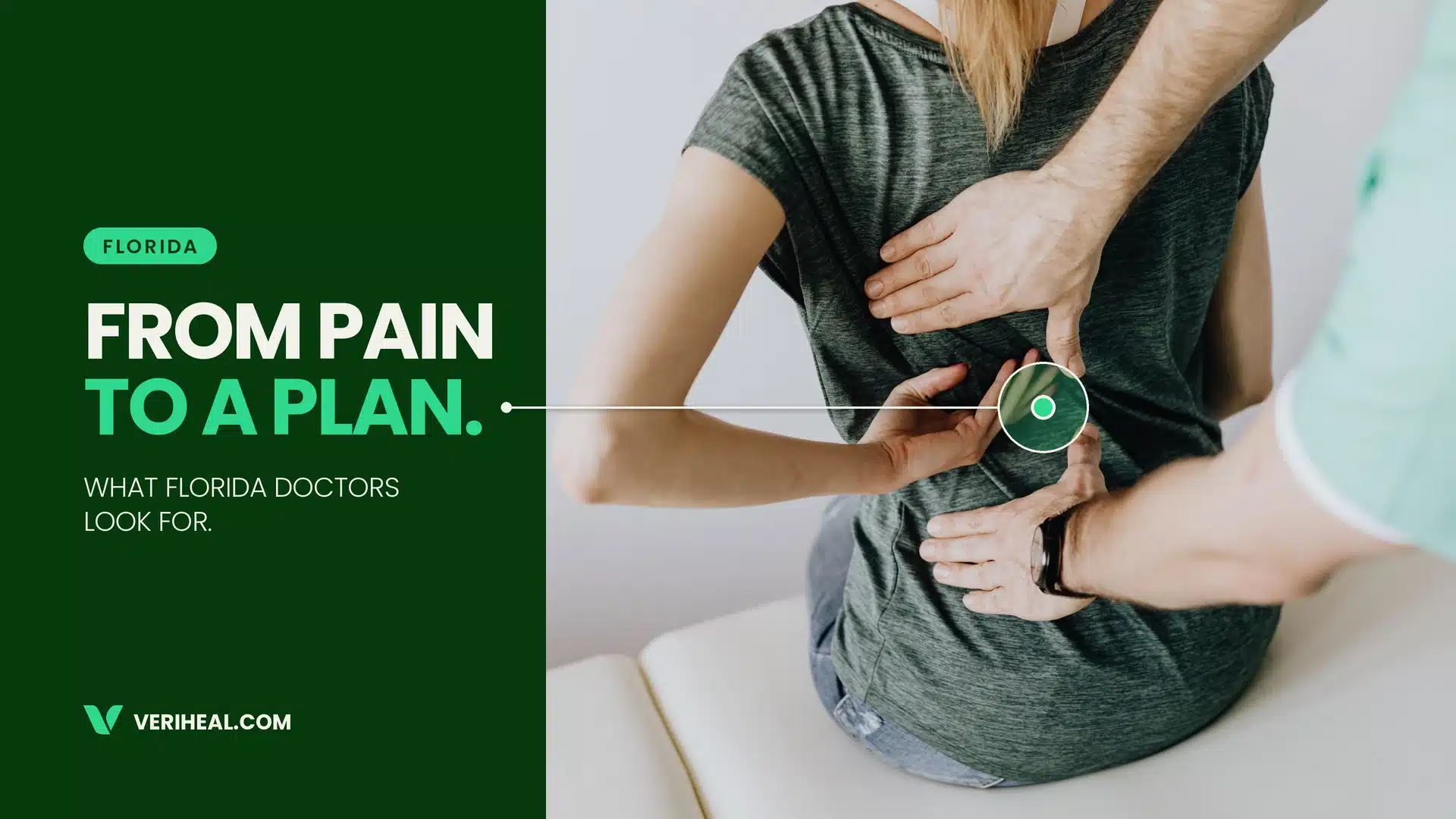
Florida patients with chronic pain may qualify for a medical marijuana card through a recognized condition or the state’s comparable-condition provision. This guide explains eligibility for neuropathic, musculoskeletal, arthritic, and fibromyalgia-related pain, along with medical documentation, physician evaluations, cannabis product options, and employment considerations.
Getting a medical marijuana card in Georgia involves confirming eligibility, obtaining physician certification, and completing registration through the state’s medical cannabis program. This guide covers qualifying conditions, online applications, telehealth evaluations, registration fees, processing times, caregiver requirements, and the legal rights and restrictions affecting patients under Georgia’s updated 2026 laws.
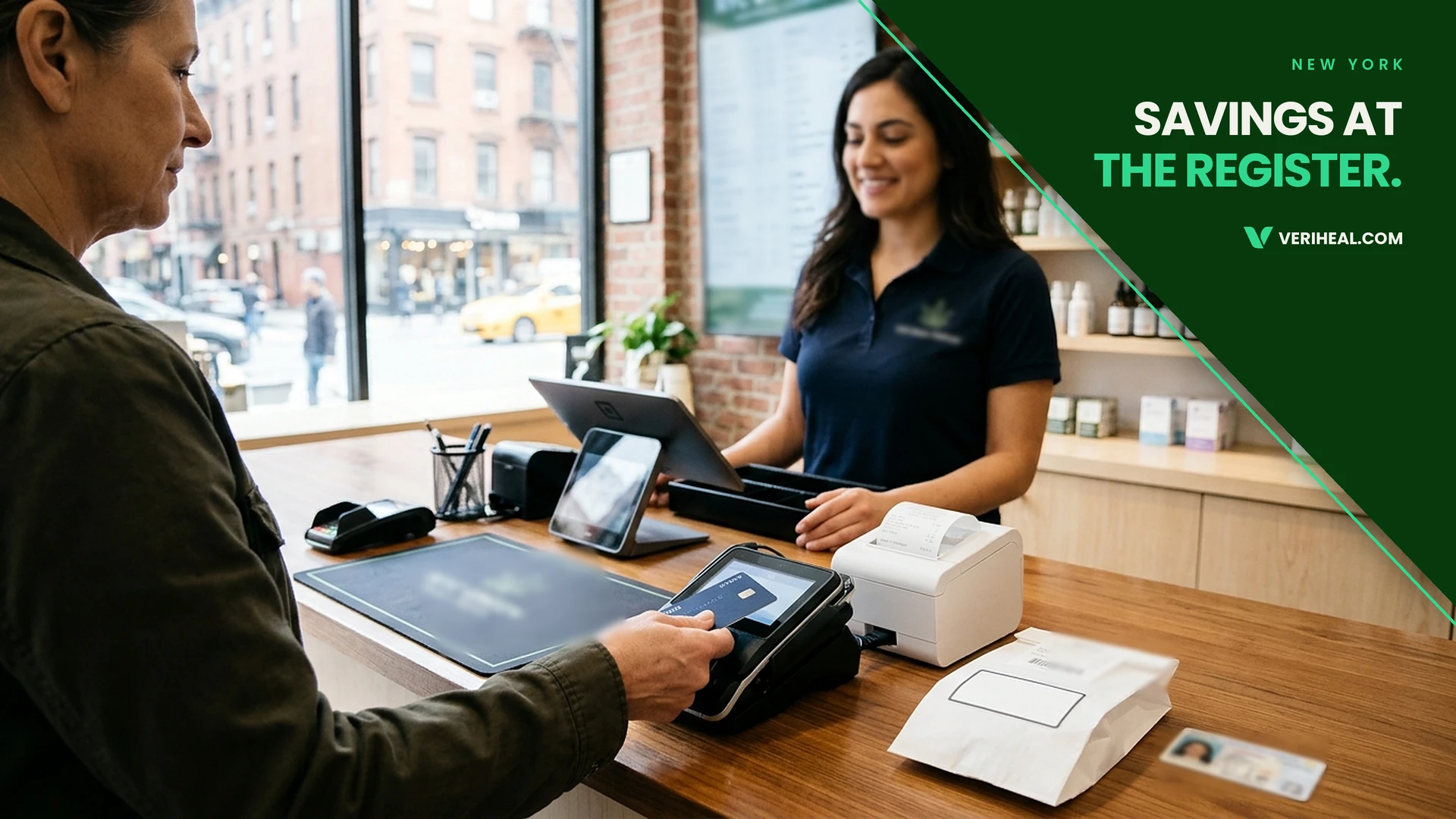
Getting a medical marijuana card in New York primarily involves paying a practitioner certification fee, with no mandatory state registration charge. This guide breaks down Veriheal’s pricing, renewal costs, insurance considerations, potential discounts, telehealth evaluations, and how reduced medical cannabis taxes can help patients save money on dispensary purchases.
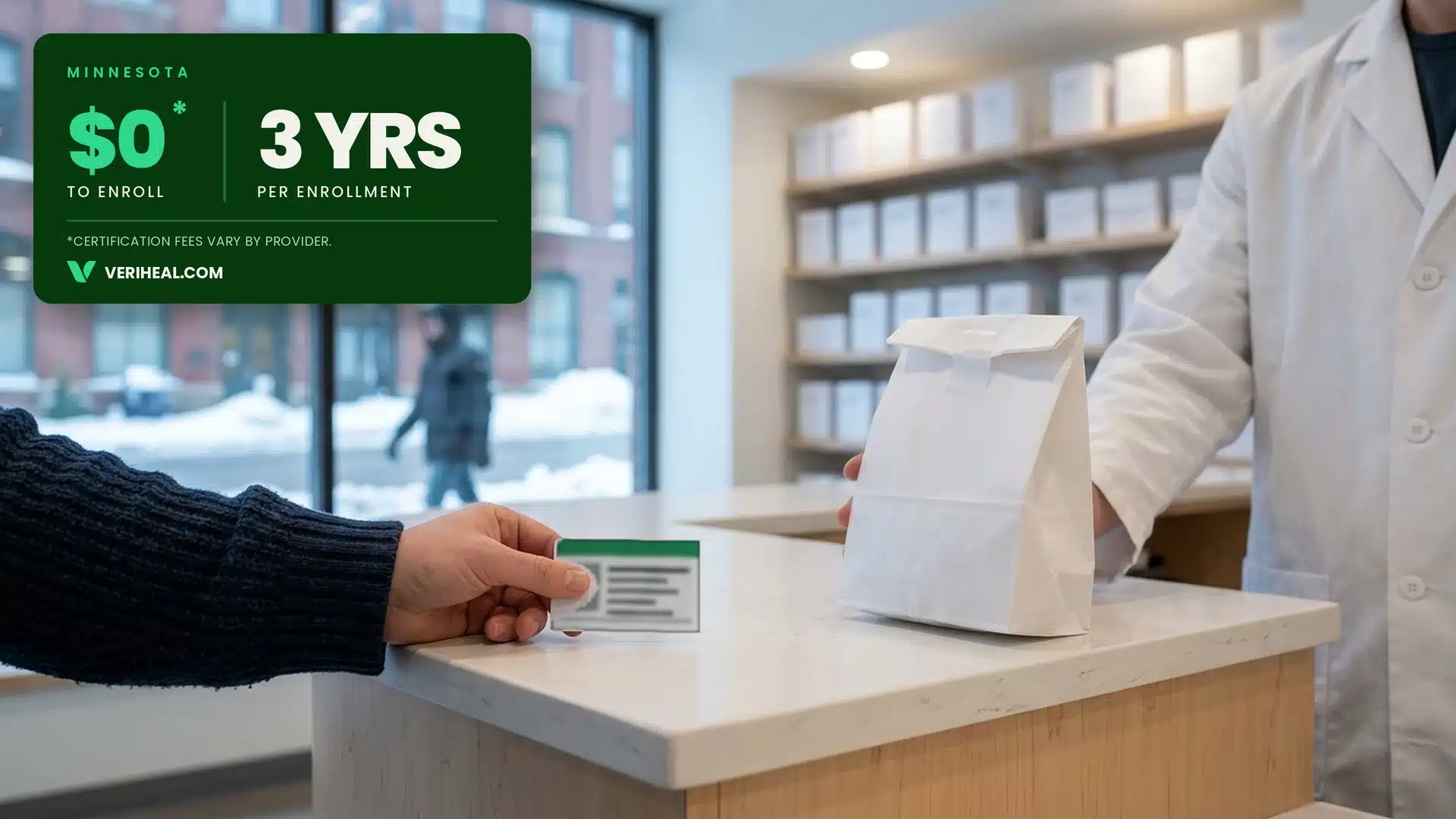
Getting a medical cannabis card in Minnesota involves practitioner certification but no state enrollment fee, making provider costs the main expense. This guide compares affordable telehealth and in-person options, veteran enrollment benefits, three-year renewal costs, and potential tax savings to help patients find the most cost-effective certification option.
The statements made regarding cannabis products on this website have not been evaluated by the Food and Drug Administration (FDA). Cannabis is not an FDA-approved substance and is still illegal under federal law. The information provided on this website is intended for educational purposes only and is not intended to diagnose, treat, cure, or prevent any disease. It is not intended as medical advice and should not be considered as a substitute for advice from a healthcare professional. We strongly recommend that you consult with a physician or other qualified healthcare provider before using any cannabis products. The use of any information provided on this website is solely at your own risk.