1-855-452-6224 (Customer Support Available 24/7)



Despite several studies proving cannabis’ therapeutic and medical benefits, the United States still classifies the herb as a Schedule I substance. This designation means the federal government considers cannabis a drug with no accepted medical use and a high potential for abuse.
In reality, cannabis has several medical and therapeutic uses, including alleviating chronic pain, chemotherapy-induced nausea, sleep disorders, and multiple sclerosis (MS). These benefits were identified by a 2017 systematic review of the Health Effects of Cannabis and Cannabinoids by the National Academies of Science, Engineering, and Medicine.
Regarding “potential for abuse,” it would be dishonest to say cannabis has none. A 2024 Cannabis Use Disorder clinical review defines abuse as using large amounts of cannabis often, for longer than planned, and continuing despite harm to your body or mind. This may occur due to cannabis addiction, but not everyone is at risk. According to the Centers for Disease Control (CDC), the risk is higher if you use high-THC cannabis often or start during your teen years.
Let’s now look at substances and habits that are less regulated than cannabis, despite being more addictive and offering little to no medical value:

If you’re under 50, you’ve probably heard that cigarettes are dangerous since childhood. But despite health warnings, graphic pictures on cigarette boxes, and overwhelming anecdotal and scientific evidence, tobacco remains a $900 billion industry. Why? Because tobacco’s nicotine content feels good.
Tobacco smokers report feeling relaxed, less anxious, and more focused shortly after smoking. This is because nicotine triggers the release of dopamine in the brain, causing temporary feelings of happiness and satisfaction. These effects contribute to tobacco and nicotine’s addictiveness.
According to the U.S. Food & Drug Administration (FDA), “Tobacco products are addictive because they contain nicotine. Nicotine keeps people using tobacco products, even when they want to stop.” Also, “Using any tobacco product can lead to nicotine addiction. This is because nicotine can change the way the brain works, causing cravings for more of it.”
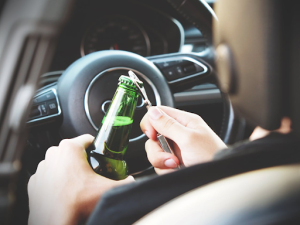
It’s hard to find a person who doesn’t drink at least some alcohol. In fact, according to a 2023 survey, 79.1% of Americans aged 12 and older have consumed alcohol. Its widespread use makes alcohol one of the most socially accepted vices.
However, that doesn’t change the fact that alcohol consumption is a dangerous and highly addictive habit. So dangerous that over 178,000 die from alcohol abuse each year in the U.S. alone. Despite causing nearly as many deaths as cigarettes, alcohol remains completely legal, while cannabis, which has no direct fatalities and far fewer associated fatalities, is still federally restricted.
In 2023, 28.9 million U.S. residents over 12 had alcohol use disorder, which typically develops when uncontrolled drinking rewires the brain’s reward system. It does this by boosting dopamine production and reinforcing the desire to drink, making it harder to quit. Fortunately, alcohol addiction recovery is possible, but it can be a very difficult journey.
Caffeine is the active compound in coffee that perks you up. The stimulant can help you feel more alert, energized, and focused. However, excessive caffeine consumption can cause physical dependence. How? Consuming caffeine regularly can cause your body to become more reliant on its stimulating effects to perform.
As this happens, your caffeine tolerance will increase, leading to needing more and more to get the same boost. If you don’t get your caffeine hit, you may feel tired, irritable, or headachy, which are classic signs of physical dependence.
Studies report caffeine is the most commonly used drug in the world, and that there are instances of humans experiencing caffeine withdrawals. Patients who report problematic caffeine use often have withdrawal symptoms like headaches, fatigue, mood swings, difficulty concentrating, and flu-like symptoms. If other criteria are present, they may be diagnosed with caffeine use disorder. This just goes to show that your morning cups of joe may not be as harmless as you thought.
Don’t be surprised. After all, delicious food is hard to resist, and without self-discipline, you might keep eating even after you’re full and your stomach hurts. Those who can’t stop even though it hurts or makes them feel sick may have unfortunately slipped into food addiction or a binge-eating disorder.
A 2022 University of Michigan national survey discovered that 1 in 8 U.S. adults over 50 had signs of food addiction. Almost 1 in 4 of the participants also admitted to having an overwhelming and obsessive urge to eat highly processed foods at least once a week. Even scarier, 17% said they experienced withdrawal symptoms at least once a week, and 12% mentioned that their eating behavior caused them a lot of distress.
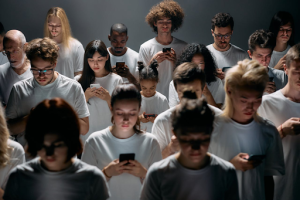
If you own a smartphone, you’ve probably caught yourself doomscrolling at some point. Endlessly scrolling through social media may seem harmless. But if you do it for hours and feel the urge to pick up your phone seconds after dropping it, you might have developed a habit. The habit may cause chronic stress, anxiety, depression, sleep disruption, and trouble focusing.
According to Stanford psychiatrist, Dr. Anna Lembke, “social media apps cause the release of large amounts of dopamine into our brains’ reward pathway all at once, just like heroin, or meth, or alcohol. They do that by amplifying the feel-good properties that attract humans to each other in the first place.” This leads to excessive social media use and potential addiction.
If you can’t stop shopping on Amazon or Temu, even though you’re racking up debt buying stuff you don’t need, you might have an addiction. Otherwise known as compulsive buying disorder (CBD), the condition typically involves excessive shopping even though it causes distress or other issues.
According to a study, about 5.8% of the U.S. population has CBD. The study also identified possible causes of CBD, which include mood and anxiety disorders, substance use, family history of mental illness, and cultural pressures. Later studies also identify ADHD, depressive mood, female gender, earlier adult impulse buying, and illicit drug use as associated factors, too. Another underlying potential cause is imbalances in brain chemicals like dopamine and serotonin, which can lead to impulsive spending.
There’s nothing wrong with playing your favorite first- or third-person shooters, adventure games, or other games, unless you find yourself obsessing over them. If you can’t stop gaming or thinking about it when other responsibilities need your attention, you might have an addiction.
Video, online, and mobile games often incorporate mechanisms that trigger dopamine production, making them more pleasurable and hard to stop. What’s truly frightening is that, unlike most addictive vices, which only adults can access, games are available for all ages. The most engaging of these games carries at least some risk of addiction, especially if not played in moderation.
READ: Combining Caffeine and THC: Benefits, Downsides, and Effects
Like many of the habits on this list, pornography is habit-forming because it triggers the brain’s reward system, releasing dopamine. Pleasure from the dopamine tempts you to watch porn again to chase the same feeling, reinforcing the behavior. Next thing you know, you are visiting porn sites even when in public or battling intense urges to watch it every time you try to quit.
According to a 2019 study published in the Journal of Behavioral Addictions, 11% of American men and 3% of American women believe they are addicted to pornography. This means about 1 in 9 U.S. men has a porn addiction.
At least, gambling is more regulated than other habits that made this list. Nonetheless, gambling addiction is a widespread problem, with people losing their livelihoods, families, and even their lives to it. It usually starts as simple fun, but becomes a trap as you become hooked on the rush of gambling or the thrill of chasing a win.
Gambling addiction doesn’t have to happen at a casino or racetrack. It can happen online, thanks to mobile betting apps, or even with friendly wagers that spiral out of control. According to the National Council on Problem Gaming, 2.5 million U.S. adults have severe gambling problems. That’s not counting the kids who’ve inadvertently become hooked while playing games on their mobile devices.
Saying masturbation has no medical value may be a bit unfair, considering a Harvard study discovered otherwise. According to the study, men who ejaculated at least 21 times per month had a lower risk of developing prostate cancer. Another study found that masturbation may help women relieve stress and boost their general well-being.
However, while self-pleasuring may be beneficial, it becomes a problem when you can’t control when you do it or find yourself doing it at awkward places and times. This is called compulsive masturbation, and it can interfere with daily life, careers, relationships, and mental health. The problem is more likely to occur if you frequently indulge, as it can become habit-forming and harder to control over time.
Do you have experience with an addictive habit that seemed worse than cannabis? Don’t be shy about sharing it with us in the comments.
Sign up for our newsletter

Learn the process in your state
All Rights Reserved Veriheal Inc. ©
Terms Privacy Policy Advertising Agreement Content Disclamer


Get your medical marijuana card today
Sign up in under 5 minutes
Start By Selecting Your State
 Alabama
Alaska
Arizona
Arkansas
California
Colorado
Connecticut
Delaware
Florida
Georgia
Hawaii
Idaho
Illinois
Indiana
Iowa
Kansas
Kentucky
Louisiana
Maine
Maryland
Massachusetts
Michigan
Minnesota
Mississippi
Missouri
Montana
Nebraska
Nevada
New Hampshire
New Jersey
New Mexico
New York
North Carolina
North Dakota
Ohio
Oklahoma
Oregon
Pennsylvania
Rhode Island
South Carolina
South Dakota
Tennessee
Texas
Utah
Vermont
Virginia
Washington
West Virginia
Wisconsin
Wyoming
Puerto Rico
Alabama
Alaska
Arizona
Arkansas
California
Colorado
Connecticut
Delaware
Florida
Georgia
Hawaii
Idaho
Illinois
Indiana
Iowa
Kansas
Kentucky
Louisiana
Maine
Maryland
Massachusetts
Michigan
Minnesota
Mississippi
Missouri
Montana
Nebraska
Nevada
New Hampshire
New Jersey
New Mexico
New York
North Carolina
North Dakota
Ohio
Oklahoma
Oregon
Pennsylvania
Rhode Island
South Carolina
South Dakota
Tennessee
Texas
Utah
Vermont
Virginia
Washington
West Virginia
Wisconsin
Wyoming
Puerto Rico
