Your medical cannabis journey simplified: find partnered dispensaries, explore pricing options, earn rewards, and get answers to FAQs, all in one spot.
The current psychedelic revolution isn’t full of flower power, trippy lightshows, and peace signs—it is instead a revolution of the brain’s functionality while seeking inner peace from any number of afflictions and addictions. The legacy of the counterculture still has impacts to this day, but psychedelic substances that potentially improve neural plasticity—such as psilocybin—continue to have the biggest repercussions from that era.
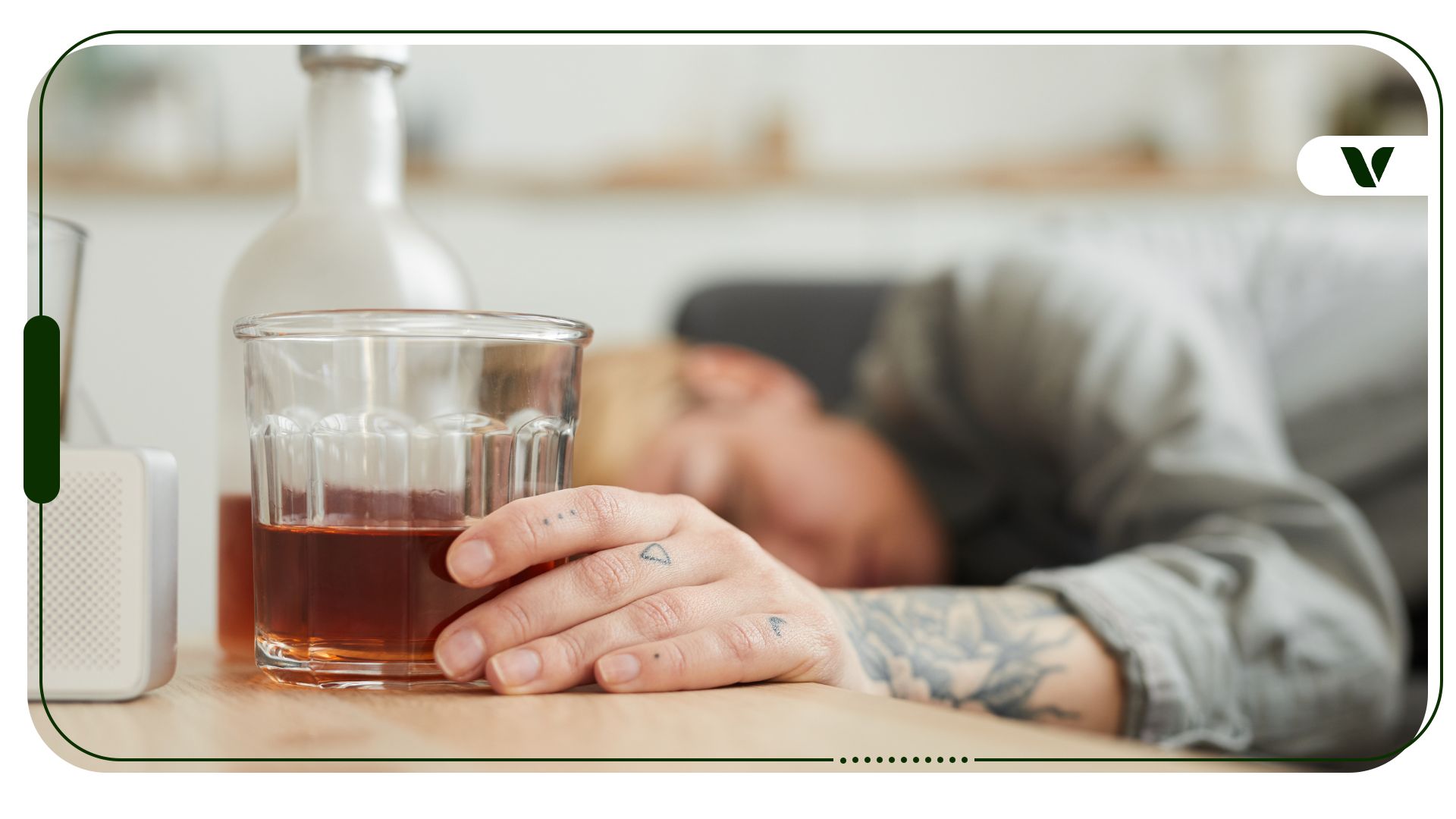
Alcohol and substance abuse continue to destroy lives and families; however, clinical studies and peer-reviewed research have shed light on the potential efficacy of psilocybin to improve the quality of life for people suffering from these afflictions.
Studies Have Shown Psilocybin As An Effective Treatment for Alcoholism
According to researchers, treatments for alcohol addiction are among the lowest of all mental health disorders. Just 9% receive treatment, and there are only 3 established medication options. The odds and numbers are even worse if combined with another disorder.
However, the last several years have yielded some eye-raising results regarding the efficacy of psychedelics, including psilocybin, to help control alcohol use disorder (AUD). Many of these studies continue into other phases in the hope of yielding even more positive correlations leading to effective change in combating AUD.
The Landmark Percentage of Heavy Drinking Days Study
One peer-reviewed clinical trial that continues yielding results influencing other studies and phases is the double-blind, randomized, placebo-controlled study published by JAMA Psychiatry in 2022. The trial’s goal was to examine whether 2 high doses (25–40 mg) of psilocybin combined with psychotherapy reduced the number of “heavy drinking days” by participants with AUD. The study defines heavy drinking as “5 or more drinks in a day for a man and 4 or more drinks in a day for a woman.”
Participants included adults ranging from 25 to 65 years old with a prior diagnosis of alcohol dependency, along with 4 heavy drinking days over the course of the previous 30 days.
Psychotherapy supplementation with a cognitive behavioral therapy and motivational enhancement focus occurred at 12 weeks. Researchers randomly gave half the patients doses of psilocybin; the others received a placebo (diphenhydramine) during 2-day-long medication sessions at weeks 4 and 8. Researchers analyzed the study results during the 32-week double-blind period after the first administered dose.
Post-interview results of the study demonstrated that during the 32-week double-blind period, the group that received psilocybin only had heavy drinking days 9.7% of the time. The placebo group experienced heavy drinking days at a rate of 23.6% during the same period.
The amount of daily alcoholic drinks was also lower among the participants who received psilocybin. The study administrators also noted that none of the participants who received psilocybin reported serious adverse effects, further reducing stigma associated with any potential harm. Mild and temporary adverse effects, however, such as headaches (43.8%), anxiety, and nausea, were more common in the psilocybin group but resolved either with anxiety medication (10 mg diazepam for 2 patients) or self-limited without further issues.
Results demonstrated the positive correlation between psilocybin ingestion combined with psychotherapy to help combat heavy drinking and AUD. The trial’s methodologies continue to be very influential in driving further studies, trials, and phases seeking elaboration on these important findings.
Further Analysis of the 2022 Heavy Drinking Days Study
Researchers extrapolated data from 13 volunteers who received doses of psilocybin, showing even more insights about the use of psilocybin to combat alcohol-related dependency. A common lifestyle theme that popped up was that many of the interviewees developed dangerous coping mechanisms early and later in life to tamp down unwanted feelings—leading to alcohol as a crutch.
Data from 13 of the study volunteers who were given doses of psilocybin were extrapolated for a more detailed understanding of participants’ own subjective experiences. Findings highlighted increased self-compassion, self-awareness, connectedness, and a sense of belonging. These self-improvements demonstrate the potential for psilocybin assisted therapy in mitigating stress and emotional volatility—an important foundation to prevent relapse during cravings and stressful situations.
Proposed Study to Further Evaluate Efficacy of Psilocybin Assisted Therapy for AUD
A proposed double-blind, randomized, placebo-controlled trial currently in the Phase II recruiting stage seeks to build from the success and methodologies of the groundbreaking 2022 JAMA study. This study will feature placebo and psilocybin dose groups split among 62 in-patient rehabilitation participants (aged 21–64) with severe AUD. Researchers will introduce elements of commitment and acceptance therapy during the 4-week inpatient rehab stay, as well as integration sessions to help patients properly process their psychedelic experiences into valuable insights for personal growth.
See If You Qualify For Medical Marijuana -Select Your State!
Select Your State
Alabama
Alaska
Arizona
Arkansas
California
Colorado
Connecticut
Delaware
Florida
Georgia
Hawaii
Idaho
Illinois
Indiana
Iowa
Kansas
Kentucky
Louisiana
Maine
Maryland
Massachusetts
Michigan
Minnesota
Mississippi
Missouri
Montana
Nebraska
Nevada
New Hampshire
New Jersey
New Mexico
New York
North Carolina
North Dakota
Ohio
Oklahoma
Oregon
Pennsylvania
Rhode Island
South Carolina
South Dakota
Tennessee
Texas
Utah
Vermont
Virginia
Washington
West Virginia
Wisconsin
Wyoming
Never miss a post
Get updates on cannabis culture, new research, and expert insights
Researchers will use an established baseline percentage before inpatient entry to examine changes in heavy drinking days. They will also analyze other criteria, such as:
Alcohol intake 6 months after being discharged
Biomarker analysis of phosphatidyl-ethanol to verify alcohol consumption
Depression, anxiety, trauma, and general well-being
Neuroplasticity
Psychological processes and alcohol-related restrictions
Studies Have Shown Psilocybin As An Effective Treatment for Substance Abuse
Addiction is a topic that many people can sympathize with—if you don’t have any addiction issues yourself, chances are you have a friend or family member who does. Substance abuse disorders (SUD) worldwide have been very significant, especially with opioid abuse. The World Health Organization (WHO) reported increased drug-related deaths on every continent, with an economic weight of $442 billion a year. Current treatments provide inadequate success rates, with 20% of individuals relapsing after just 30 days, and 40% after 6 months.
That’s where psychedelics like psilocybin come in. Psychedelic research from the mid-20th century began to scratch the surface of how non-addictive substances like psilocybin can help with addiction issues. Federal prohibition starting in 1971 drastically curtailed these advances.
The last 10 years have re-established an urgency in understanding how psychedelic substances like psilocybin can help a bevy of mental health disorders, including substance abuse. These treatments show success on a larger scale compared to conventional therapeutic and pharmaceutical reduction strategies.
Surveys Show Psychedelics like Psilocybin Can Help Battle Substance Abuse
One retrospective study from 2017 examined past data of 358 people addicted to smoking cigarettes, who also took classic psychedelics like psilocybin a few times in their lives. The results showed 137 participants quit smoking, 100 reduced smoking, and the rest (121) stopped but eventually resumed smoking again.
Potentially Managing Substance Abuse Disorder
Researchers also polled 444 people with 4.5 years of substance abuse issues on average before taking psychedelics like LSD (43%) and psilocybin (29%). 96% of participants qualified as having a substance use disorder (SUD) before their psychedelic experiences; afterward, researchers considered only 27% as still having a SUD.
Similarly, researchers conducted another retrospective survey of over 343 people who suffered, on average, for about 7 years from addictions, including stimulants and opiates. These subjects all reported using classic psychedelics like psilocybin, by which they reported reduced alcohol consumption. Researchers found that 83% of the group no longer suffered from AUD following their psychedelic experiences.
Many participants associated their experiences with profound changes in their personal value systems and priorities. Larger doses were associated with greater personal insight from mystical-like phenomena, leading to a more substantial reduction in substance abuse, alcohol intake, and related issues.
Potentially Managing Cocaine & Methamphetamine Use
Modern-era clinical trials are underway or are still waiting to be published to establish the efficacy of psilocybin to combat addictions to substances like cocaine and opioids.
Psilocybin-facilitated Treatment for Cocaine Useis a phase II, double-blind study seeking brain and body chemistry assessments for correlations between psilocybin therapy and cocaine use reduction and elimination. Researchers are also preparing to publish clinical trials on methamphetamine and opioid addiction, and how psilocybin can potentially help counter them.
Why Is Psilocybin So Effective at Curbing Addiction?
Some of the main processes enabling psilocybin’s efficacy is the change of thought patterns, readjusting internal reward circuitry, fixing neurotransmitter deficits, and promotion of neural plasticity in the brain stem. Some of the subjective changes are as simple as increased engagement and empathy with the world, instead of relying on addictive coping mechanisms when faced with fear or stress.
Researchers still badly need more studies on the effects of psilocybin on neurotransmitters and brain functionality to confirm the viability of psilocybin to treat mental health disorders, especially AUD and SUD. However, we can’t overlook the already promising results from clinical trials, research, and studies.
We await the results of several high-profile clinical trials on psilocybin and addiction, which researchers expect to publish soon. Anyone suffering from addiction in the meantime, or who knows someone suffering, can take respite in knowing there actually might be a real solution out there on the horizon.
Anthony DiMeo is a Southern New Jersey-based journalist and cannabis advocate whose work and advocacy have been featured in Leafly, DOPE Magazine, and the Philadelphia Inquirer. Hobbies include navigating interdimensional psychedelic energy vortexes and tennis.
According to the New York Times, 64 million gabapentin prescriptions were dispensed in 2016, with numbers continuing to rise each year. Many patients now explore medical cannabis as an alternative after experiencing gabapentin’s concerning side effects, including FDA warnings about serious respiratory problems. Both treatments target similar conditions like nerve pain and seizures, but they…
An Oklahoma medical marijuana card provides legal protection under state law, but it can still affect employment, commercial driving, firearms, privacy, and federally regulated situations. This guide explains the main consequences to consider before applying, including workplace drug testing, CDL rules, insurance, housing, and registry privacy.
Getting a medical marijuana card in Oklahoma can be completed online, with no specific qualifying condition required for adult applicants. This guide covers eligibility, telehealth evaluations, required documents, OMMA application steps, fees, processing times, and what patients can do once approved.
A same-day telehealth appointment in Oklahoma can get you a physician recommendation quickly, but OMMA still needs to process your medical marijuana license application. This guide explains the timeline, required documents, costs, and when you can legally visit a dispensary while waiting for the physical card.
Medical marijuana has been legal in Oklahoma since 2018, with eligibility determined by physician judgment rather than a fixed list of qualifying conditions. This guide explains how the OMMA program works, patient rights and possession limits, recreational cannabis laws, federal restrictions, and how Oklahoma compares with neighboring states.
The statements made regarding cannabis products on this website have not been evaluated by the Food and Drug Administration (FDA). Cannabis is not an FDA-approved substance and is still illegal under federal law. The information provided on this website is intended for educational purposes only and is not intended to diagnose, treat, cure, or prevent any disease. It is not intended as medical advice and should not be considered as a substitute for advice from a healthcare professional. We strongly recommend that you consult with a physician or other qualified healthcare provider before using any cannabis products. The use of any information provided on this website is solely at your own risk.