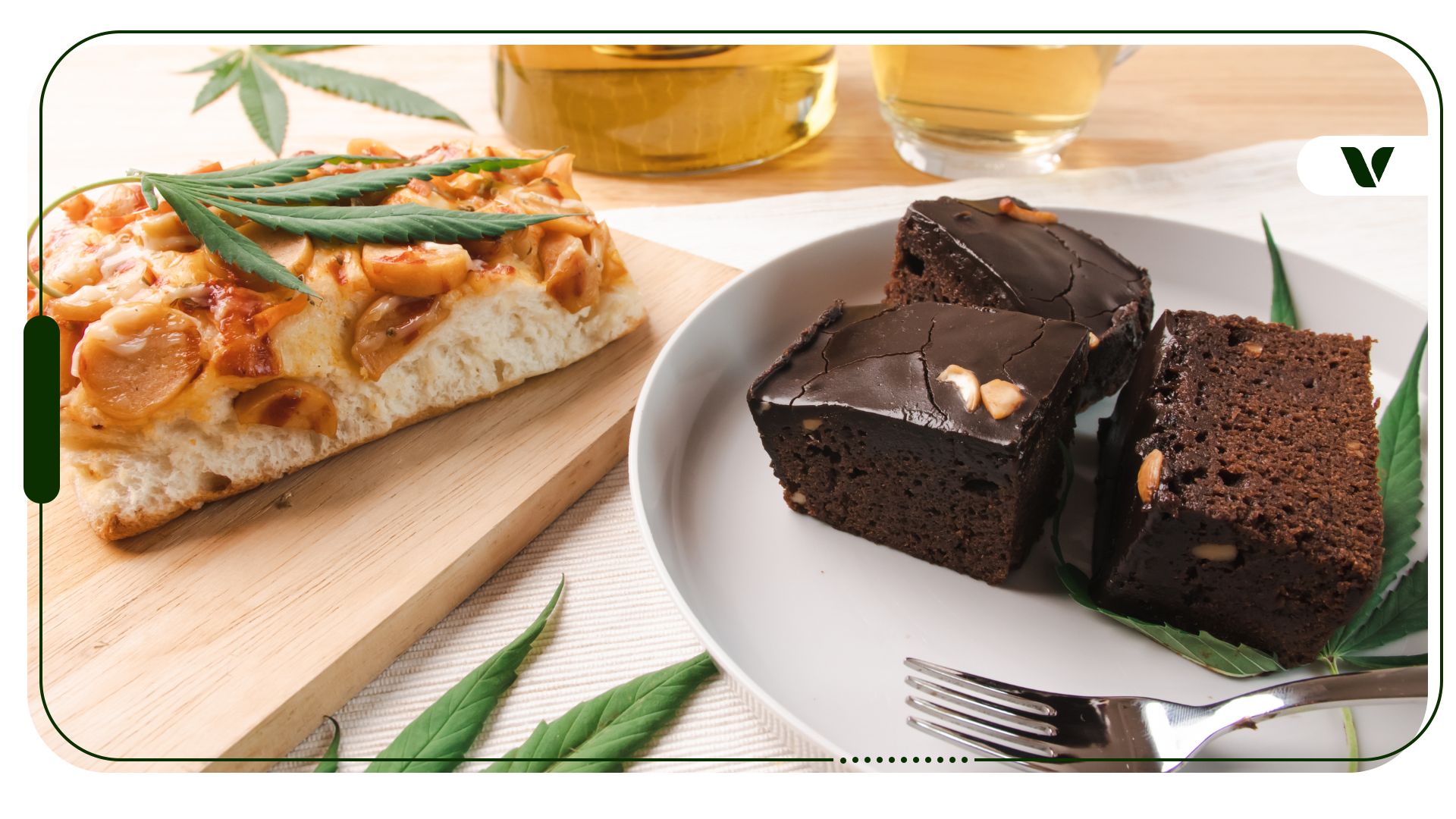
Edibles hit harder because your body processes THC in a different way. Instead of entering your bloodstream through the lungs, THC from edibles moves through your digestive system and into your liver.
This shift explains why the same dose can feel very different depending on how you consume it. An edible takes longer to kick in, but once it does, the effects tend to feel deeper and last for hours.
In this guide, you’ll learn what 11-hydroxy-THC is, how it forms, how long it lasts, and how to approach edibles with better control.
What Is 11-Hydroxy-THC?
11-hydroxy-THC is a metabolite your body produces when processing THC, short for tetrahydrocannabinol, most commonly after eating edibles.
When THC enters your system through digestion, it travels to the liver. There, enzymes convert it to 11-hydroxy-THC via first-pass metabolism. This process also produces 11-nor-9-carboxy-THC, a non psychoactive metabolite that forms later as THC continues to break down in your body.
This compound does not exist in meaningful amounts in the cannabis plant itself. It forms inside your body as THC breaks down.
Once formed, 11-hydroxy-THC interacts with your brain in a different way than delta-9 THC because it can cross the blood-brain barrier more efficiently. It produces a stronger effect than delta 9 THC, which helps explain the intensity linked to edibles.
Studies suggest that a significant portion of ingested THC converts into this metabolite before circulating through the body.
How Does the Body Process Edibles?
When you consume an edible, THC moves through your digestive system before it reaches your brain. This pathway changes how the effects build and how long they last. It reflects the pharmacology of how your body processes THC through digestion and liver metabolism.
Here is how the process works step by step:
- You eat an edible, and it breaks down in the stomach.
- THC moves into the small intestine and is absorbed into the bloodstream. It is then circulated through blood plasma before reaching the liver through the portal vein.
- Liver enzymes convert THC into 11-OH-THC during first-pass metabolism.
- 11-hydroxy-THC reenters the bloodstream and reaches the brain.
- The compound binds to CB1 receptors, which shape the effects you feel.
This process takes more time than inhalation. Effects usually begin between 30 minutes and 2 hours after consumption. Peak effects often occur around 2 to 4 hours after onset, and total duration can range from 6 to 10 hours.
Food and metabolism influence each stage. THC binds to fats, so eating before or with an edible can increase absorption. Enzyme activity in the liver also varies between individuals, which affects how much THC converts and how strong the experience feels.
11-Hydroxy-THC vs. Delta-9 THC: What’s the Difference?
Delta 9 THC is the primary psychoactive compound in cannabis, entering your body through inhalation or ingestion. 11-hydroxy-THC forms in your body after THC passes through the liver during digestion.
The difference comes down to how your body processes each compound and how that affects the experience you feel.
| Factor |
Delta 9 THC |
11-Hydroxy-THC |
| Source |
Found in the cannabis plant |
Formed in the liver after THC metabolism |
| How it enters your system |
Absorbed through the lungs into the bloodstream |
Produced after digestion and liver processing |
| Onset time |
2 to 5 minutes after inhalation |
30 minutes to 2 hours after ingestion |
| Peak effects |
10 to 30 minutes |
2 to 4 hours after onset |
| Duration |
2 to 4 hours |
6 to 10 hours |
| Potency |
Baseline psychoactive effect |
Stronger effect at the same dose |
| Pathway to brain |
Direct from bloodstream to brain |
Converted in liver before reaching brain |
These differences shape your cannabinoid experience, particularly in how they interact with the blood-brain barrier. Inhaled THC acts quickly and fades fast, while 11-hydroxy-THC builds more gradually, lasts longer, and delivers a stronger overall effect.
Is 11-Hydroxy-THC Stronger?
11-hydroxy-THC delivers a stronger effect than delta 9 THC at the same dose. This difference results from how your liver metabolizes the compound and how it then interacts with your brain. Preclinical research points to 2 to 7 times the psychoactive effect, but researchers still lack strong human data.
This difference directly affects dosing. A 10 milligram edible does not feel the same as 10 milligrams of inhaled THC because your body converts much of the ingested THC into a more potent form before it reaches your brain. As a result, you feel deeper and longer-lasting effects.
Your metabolism, liver enzyme activity, and tolerance can alter your response. Enzyme variations like CYP2C9 change how much THC your body converts into 11-hydroxy-THC and shape the intensity of your experience. For this reason, the same edible dose may feel mild for one person and intense for another.
How Long Does an 11-Hydroxy-THC High Last?
An 11-hydroxy-THC high lasts longer than one from inhaled cannabis. The effects build gradually, peak, and then fade over several hours.
Onset usually begins between 30 minutes and 2 hours after consumption. This range depends on factors such as metabolism, stomach contents, and the type of edible. Products that pass through digestion more slowly can delay the onset of effects.
Peak effects usually arise between 2 and 4 hours after onset. During this time, 11-hydroxy-THC concentration in your bloodstream hits its highest level and intensifies your experience.
The total duration often lasts from 6 to 10 hours. Sometimes, effects linger longer, especially if you are new or have a slower metabolism. Larger doses can further extend how long the effects last.
This timeline matters because, once they begin, you cannot reverse the effects. With inhaled cannabis, the intensity drops within a few hours, but edibles continue building and persisting.
How to Dose Edibles Safely With 11-Hydroxy-THC in Mind
Dosing edibles requires more precision than inhaled cannabis. Effects take longer to appear and continue to build over time, leading to stronger outcomes than expected. A structured approach helps you stay within a comfortable range and avoid taking more than your body can handle.
Start Low and Build Gradually
Starting with a lower dose lets you learn how your body responds to edibles. Many new consumers try 2.5 to 5 milligrams of THC, so effects build but do not overwhelm.
Higher doses increase intensity more rapidly with edibles. People who are used to smoking often expect a similar response, but the same dose can feel stronger once processed through digestion. This gap leads many experienced users to take more than their bodies can handle.
Avoid Taking Additional Doses Too Soon
Delayed onset frequently causes overconsumption. Effects may take up to 2 hours to begin and build afterward. This delay often leads you to believe the dose was insufficient.
Taking more during this window can stack the effects. As the first dose reaches peak levels, the second dose begins to take hold, which can lead to a stronger and longer-lasting experience than intended due to the active metabolite formed during metabolism.
Factors That Shape Your Experience
Your response depends on how your body processes THC. Several factors influence how strong the effects feel and how long they last:
- Metabolism affects how quickly THC moves through your system and when the effects begin.
- Body weight can influence how THC is distributed in the body.
- Food intake changes absorption since THC binds to fats, which can increase the amount that enters your bloodstream.
- Liver enzyme activity plays a key role, as differences in enzymes such as CYP2C9 affect the conversion of THC to 11-hydroxy-THC.
- Tolerance level shapes how strongly you feel the same dose over time.
What to Do If You Have Taken Too Much
An intense experience can feel uncomfortable, but it will pass as your body processes the THC. Effects may last several hours, depending on the dose and your metabolism.
Resting in a calm setting can help you stay grounded when you feel too high. Hydration can support overall comfort during the experience. Some people report that CBD may reduce intensity by interacting with the same receptors.
Final Thoughts
11-hydroxy-THC explains why edibles create a different experience than other forms of cannabis. The way your body processes THC shapes both intensity and duration, which makes individual response less predictable across doses.
This variation highlights the importance of understanding how your body reacts over time.
If you are considering medical cannabis, guidance from a licensed physician can help you make informed choices based on your needs. Veriheal connects you with qualified doctors who can provide personalized recommendations and safe-use guidance. Find a doctor on Veriheal today.
Note: The content on this page is for informational purposes only and is not intended to be professional medical advice. Do not attempt to self-diagnose or prescribe treatment based on the information provided. Always consult a physician before making any decision on the treatment of a medical condition.
FAQ
What part of the body breaks down edibles?
Edibles are primarily broken down in the liver. This organ converts THC into 11-hydroxy-THC, which leads to stronger and longer-lasting effects. This process takes time, which is why edibles have a delayed onset compared to smoking or vaping.
How do edibles work in the body?
When you consume an edible, THC is absorbed through your digestive system and sent to the liver. The liver converts it into 11-hydroxy-THC, which enters the bloodstream and reaches the brain, producing effects.
Are edibles as bad for your liver as alcohol?
Edibles are not as harmful to your liver as alcohol. While the liver processes THC from edibles, it does not cause the same level of toxicity or long-term damage linked to alcohol.
Why Do Edibles Feel Different From Smoking?
Edibles feel different from smoking because your body processes THC through the liver instead of sending it directly into the bloodstream. This converts THC into 11-hydroxy-THC, which leads to stronger, longer-lasting, and more body-focused effects.
How Long Does It Take for 11-Hydroxy-THC to Kick In?
11-hydroxy-THC usually takes 30 minutes to 2 hours to kick in, depending on your metabolism and whether you have eaten beforehand. Effects build over time, so taking more before the first dose peaks can lead to a stronger experience than expected.
Can You Build a Tolerance to 11-Hydroxy-THC?
Yes, you can build a tolerance to 11-hydroxy-THC with regular edible use, similar to how tolerance develops with delta 9 THC. Taking a break from cannabis can help reset your cannabis tolerance and change how strongly you feel the same dose.
Author, Share & Comments