Your medical cannabis journey simplified: find partnered dispensaries, explore pricing options, earn rewards, and get answers to FAQs, all in one spot.
If the state of America and the world have you wondering how we arrived at this point, it’s time for a history lesson. One of the best ways to learn about our world is through literature. Given the centuries of context to consider, we’ve rounded up some books to read to understand the world a little better.
The New Jim Crow: Mass Incarceration in the Age of Colorblindness by Michelle Alexander
When it comes to understanding race dynamics in the United States, Michelle Alexander’s The New Jim Crow: Mass Incarceration in the Age of Colorblindness is a must-read. Written by a civil rights lawyer, advocate, and legal scholar, the book exposes how the U.S. criminal justice system now operates as a tool of racial control.
Alexander delves into the inner workings of the American criminal justice system and the challenges of escaping once involved. She also explores the broader context of mass incarceration, going far beyond the criminal justice system itself and extending into laws, rules, and policies.
She discusses how the end of slavery and Jim Crow led to changes in legislation, but not ideology. She says that, “in the era of colorblindness, it is no longer permissible to hate Blacks, but we can hate criminals. To be a Black man is to be thought of as a criminal.” (pg. 198-199)
The Healing of America: A Global Quest for Better, Cheaper, and Fairer Health Care by T.R. Reid
If you live in the United States, you or a loved one has probably faced serious frustrations with the country’s healthcare system. In The Healing of America: A Global Quest for Better, Cheaper, and Fairer Health Care, T.R. Reid examines this system in contrast with other healthcare systems in wealthy nations.
The book opens with an examination of the American healthcare system in 2010. Reid highlights some disheartening stats from more than a decade ago: 20,000 people die every year from preventable causes because they can’t afford necessary treatments, and 700,000 people go bankrupt from health issues due to inadequate insurance coverage.
He travels to a number of countries, including Germany, Japan, the United Kingdom, and Canada, to explore how their healthcare systems work. Reid discovers that all of his examined countries have guaranteed coverage for all, most have longer wait times than the U.S., and none of them have for-profit healthcare companies.
As the U.S. healthcare crisis continues, this book is a necessary read for anyone who wants to better understand what’s behind our system.
Braiding Sweetgrass: Indigenous Wisdom, Scientific Knowledge, and the Teachings of Plants by Robin Wall Kimmerer
Indigenous wisdom and plant science come together in Braiding Sweetgrass, an incredible book by Citizen Potawatomi Nation member Robin Wall Kimmerer.
Kimmerer dives deep into the symbiotic relationship between humans and the land around them, with a focus on botany and traditional Indigenous knowledge. The author says of her book, “I wanted readers to understand that Indigenous knowledge and Western science are both powerful ways of knowing, and that by using them together we can imagine a more just and joyful relationship with the Earth.”
Too often, Indigenous knowledge is considered completely separate from the scientific world. Kimmerer does a beautiful job of tying the two together and highlighting their reciprocal relationships.
See If You Qualify For Medical Marijuana -Select Your State!
Select Your State
Alabama
Alaska
Arizona
Arkansas
California
Colorado
Connecticut
Delaware
Florida
Georgia
Hawaii
Idaho
Illinois
Indiana
Iowa
Kansas
Kentucky
Louisiana
Maine
Maryland
Massachusetts
Michigan
Minnesota
Mississippi
Missouri
Montana
Nebraska
Nevada
New Hampshire
New Jersey
New Mexico
New York
North Carolina
North Dakota
Ohio
Oklahoma
Oregon
Pennsylvania
Rhode Island
South Carolina
South Dakota
Tennessee
Texas
Utah
Vermont
Virginia
Washington
West Virginia
Wisconsin
Wyoming
Never miss a post
Get updates on cannabis culture, new research, and expert insights
Given the heavy nature of many of the book recommendations in this list, Braiding Sweetgrass is an excellent choice for anyone who wants to learn more about the world around them through beautiful words, stories, and nuggets of wisdom.
Disaster Capitalism: Making a Killing Out of Catastrophe by Antony Loewenstein
A sobering book by Antony Loewenstein, Disaster Capitalism: Making a Killing Out of Catastrophe, explores how systems of capitalism profit from disaster, poverty, and catastrophes.
This book doesn’t focus on the United States but offers plenty of great insights that can be applied to America’s capitalist system. Loewenstein travels across Afghanistan, Pakistan, Greece, Australia, the United States, and other countries to see how companies can profit from privatized detention centers, militarized private security, destructive mining, and aid profiteering.
Loewenstein saw firsthand how disaster capitalism worked in post-earthquake Haiti and witnessed the ways that international mining corporations got rich off the extraction boom in Papua New Guinea.
While enraging, this book is an eye-opening exploration into the ways that companies see disasters as opportunities to profit at the expense of real human lives.
Photo Credit: Bernard Gotfryd
Freedom Is a Constant Struggle: Ferguson, Palestine, and the Foundations of a Movement by Angela Davis
A fascinating collection of essays, interviews, and speeches, Freedom Is a Constant Struggle: Ferguson, Palestine, and the Foundations of a Movement by Angela Davis is a must-read for anyone seeking a clearer understanding of the world around us.
Activist and scholar Angela Davis draws connections between state violence and oppression across the world in this book. She covers Black feminism, intersectionality, and abolitionism while contrasting the past struggles ranging from the Black Freedom Movement to the South African anti-Apartheid efforts.
Connecting state struggles from Ferguson to Palestine and beyond, Davis opens readers’ eyes to the ways that fights for freedom have and always will exist. She also emphasizes the importance of knowing the many different struggles of the past and present and standing in solidarity with those actively fighting for their own freedom.
Davis is a renowned feminist, political activist, philosopher, author, and much more. She’s well-known across social justice circles as a necessary voice in the fight for a better world. As such, her book is a must-read for anyone looking to better understand the times we’re living in and how they connect to our past struggles.
If you’re looking for a book with actionable ways to change your thinking and worldview, Ibram X. Kendi’s How to Be an Anti-Racist is an excellent read. Written in memoir form, this book combines history, science, law, and ethics with his own personal experiences.
Kendi effectively helps readers rethink their style of thinking and re-examine the way we see and move through the world. He utilizes a new theme per chapter to keep the reading engaging and compelling as he examines the ways racism is deeply intertwined with capitalism and the patriarchy.
This is not a comprehensive list of all the books that can help you better understand the world, but it is a good starting point. We hope that this helps in your own fight for a better understanding and a better world.
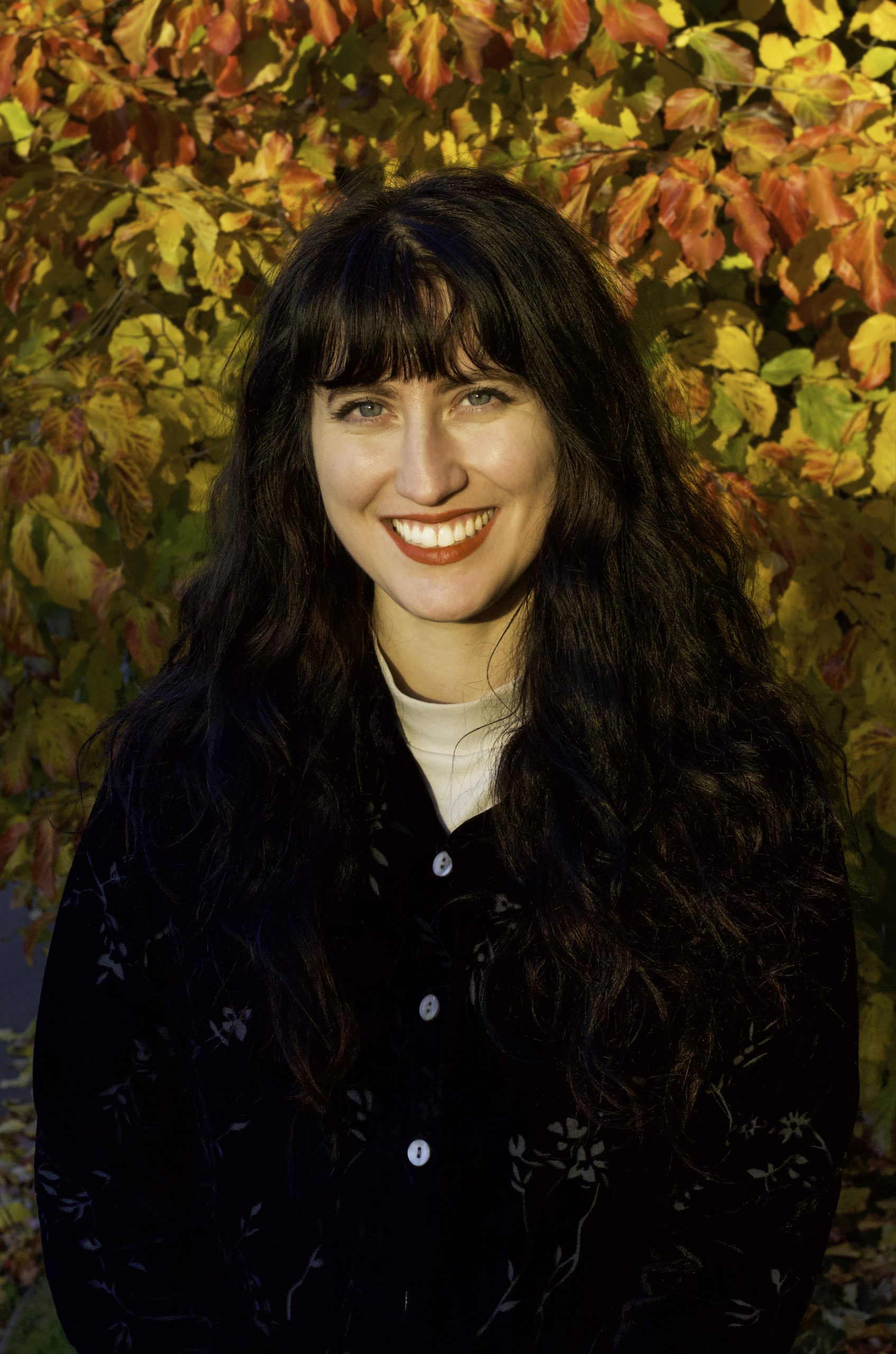
Macey is a freelance writer from Seattle. She's covered the cannabis industry extensively, emphasizing the economic opportunities for Indigenous entrepreneurs. Her writing focuses on the people, stories, and labors of love behind every venture.
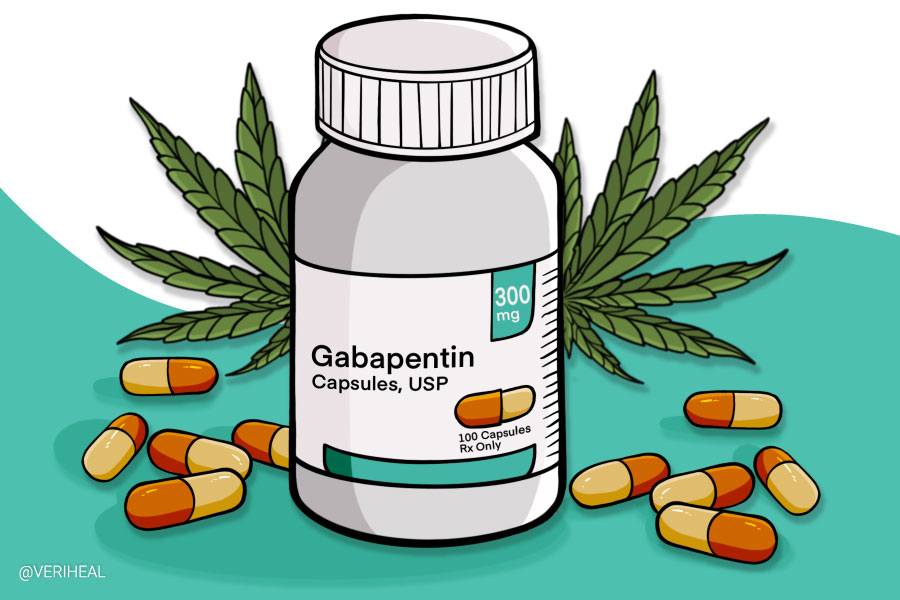
According to the New York Times, 64 million gabapentin prescriptions were dispensed in 2016, with numbers continuing to rise each year. Many patients now explore medical cannabis as an alternative after experiencing gabapentin’s concerning side effects, including FDA warnings about serious respiratory problems. Both treatments target similar conditions like nerve pain and seizures, but they…
An Oklahoma medical marijuana card provides legal protection under state law, but it can still affect employment, commercial driving, firearms, privacy, and federally regulated situations. This guide explains the main consequences to consider before applying, including workplace drug testing, CDL rules, insurance, housing, and registry privacy.
Getting a medical marijuana card in Oklahoma can be completed online, with no specific qualifying condition required for adult applicants. This guide covers eligibility, telehealth evaluations, required documents, OMMA application steps, fees, processing times, and what patients can do once approved.
A same-day telehealth appointment in Oklahoma can get you a physician recommendation quickly, but OMMA still needs to process your medical marijuana license application. This guide explains the timeline, required documents, costs, and when you can legally visit a dispensary while waiting for the physical card.
Medical marijuana has been legal in Oklahoma since 2018, with eligibility determined by physician judgment rather than a fixed list of qualifying conditions. This guide explains how the OMMA program works, patient rights and possession limits, recreational cannabis laws, federal restrictions, and how Oklahoma compares with neighboring states.
The statements made regarding cannabis products on this website have not been evaluated by the Food and Drug Administration (FDA). Cannabis is not an FDA-approved substance and is still illegal under federal law. The information provided on this website is intended for educational purposes only and is not intended to diagnose, treat, cure, or prevent any disease. It is not intended as medical advice and should not be considered as a substitute for advice from a healthcare professional. We strongly recommend that you consult with a physician or other qualified healthcare provider before using any cannabis products. The use of any information provided on this website is solely at your own risk.