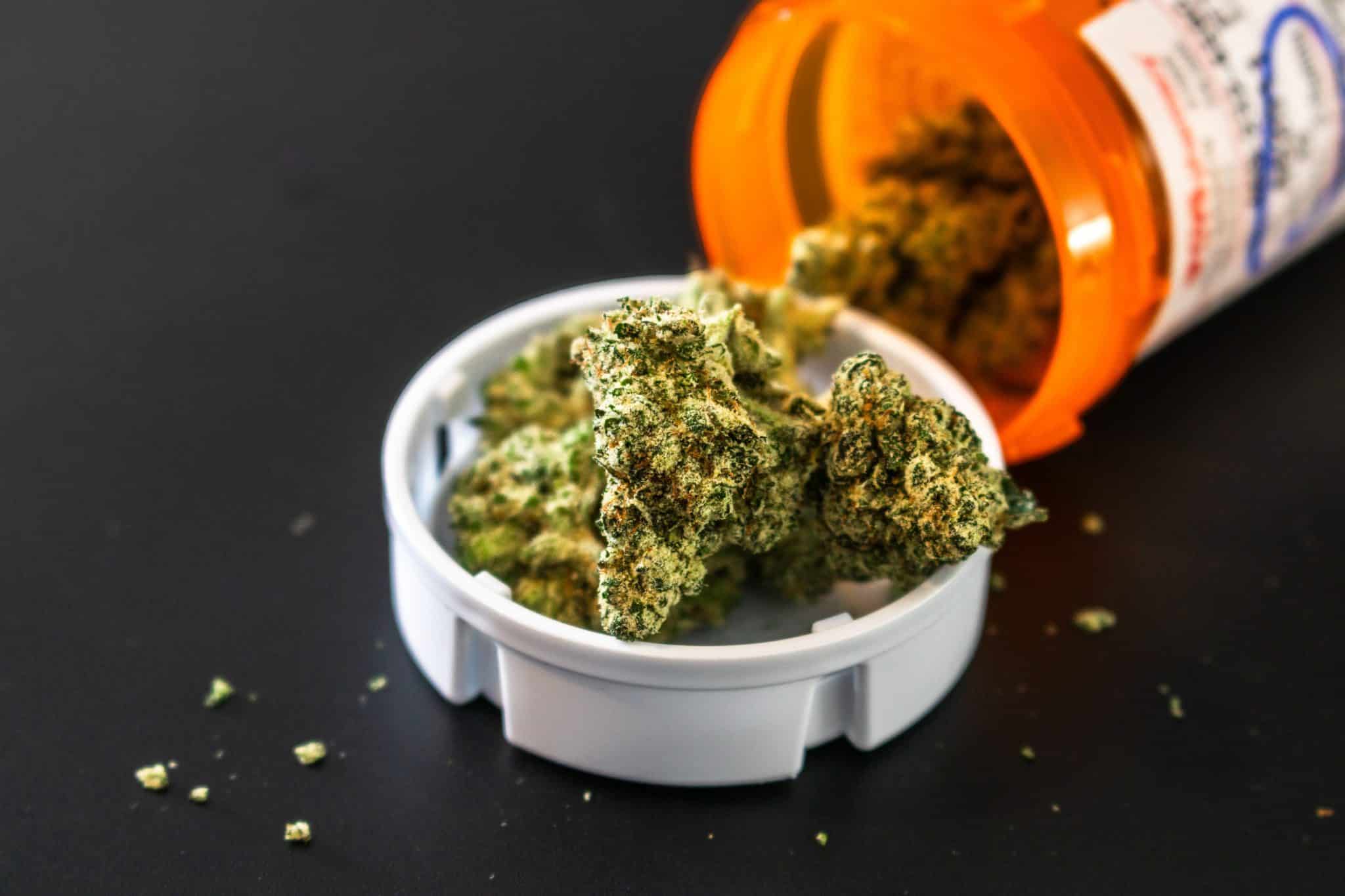
The American Red Cross allows blood donation from regular cannabis users with no waiting period or drug testing requirements. You simply cannot be under the influence during the donation appointment itself. This policy applies to all forms of cannabis consumption, whether you use medical marijuana daily or consume recreationally on occasion.
Understanding this policy matters because millions of Americans use cannabis regularly, and blood shortages remain a critical public health concern. With approximately 5 million Americans receiving blood transfusions annually, the cannabis community represents a significant potential donor pool.
The key distinction involves impairment during donation rather than recent use. You can donate blood the day after using cannabis, provided you feel alert and normal during your appointment.
Red Cross Official Policy on Cannabis Users
The American Red Cross explicitly states that cannabis use does not disqualify potential donors from giving blood. Their official eligibility guidelines focus on donor safety and blood quality rather than detecting past substance use. The organization requires only that donors not be under the influence of drugs or alcohol at the time of donation.
This policy reflects current medical understanding that cannabis metabolites in donated blood do not pose risks to transfusion recipients. THC and other cannabinoids present in trace amounts get diluted to negligible levels when mixed with the recipient’s blood volume. The Red Cross prioritizes ensuring donors can safely complete the donation process without adverse effects.
The organization does not conduct pre-donation drug screening for cannabis or other substances. Staff members assess donor fitness through medical history questions, vital sign checks, and basic cognitive evaluation. If you appear impaired or report recent intoxication, they may defer your donation until your next visit.
Key eligibility requirements for cannabis users include:
- You must not be under the influence during your appointment
- You should feel alert and able to answer medical history questions clearly
- Your vital signs must fall within normal ranges for donation
- You cannot report using synthetic cannabis products or unknown substances
These requirements align with standard donor safety protocols that apply regardless of cannabis use history.
Plasma Donation Rules for Cannabis Users
Plasma donation centers typically follow similar policies to whole blood donation regarding cannabis use, but individual facilities may have stricter screening procedures. Most commercial plasma centers focus on donor safety and product quality rather than detecting past cannabis consumption, though some locations conduct more thorough intake assessments.
The plasma donation process differs from whole blood donation in several ways that affect cannabis users. Plasma centers often require more frequent donations, with some donors visiting twice weekly, which means maintaining consistent sobriety during appointment times becomes more relevant. Additionally, the longer donation process and plasma separation procedure require donors to remain alert and responsive throughout the session.
Some plasma centers may ask direct questions about recent drug testing for cannabis or substance use as part of their medical screening. Unlike the Red Cross, certain commercial facilities reserve the right to defer donors who report any recent drug use, including cannabis, though policies vary by location and company.
Key differences for plasma donation include:
- Commercial centers may have stricter intake questioning than blood banks
- More frequent donation schedules require consistent appointment sobriety
- Longer session times demand sustained alertness throughout the process
- Some facilities may test for recent substance use, though this varies by location
Contact your local plasma center directly to confirm their specific cannabis policies before scheduling your first donation.
Other Blood Donation Disqualifiers to Know
While cannabis use does not prevent blood donation, numerous other factors can temporarily or permanently disqualify potential donors. Understanding these restrictions helps you determine eligibility and avoid unnecessary trips to donation centers.
Medical conditions that affect donation eligibility include active infections, certain chronic diseases, and recent medical procedures. The Red Cross maintains detailed lists of qualifying conditions and required waiting periods after various treatments or exposures. Recent tattoos or piercings may require a waiting period depending on the facility’s safety standards and your location.
Medications present another category of potential disqualifiers, particularly blood thinners, antibiotics, and certain psychiatric medications. Some medications that interact with cannabis may compound eligibility concerns, though the cannabis use itself remains permissible under current Red Cross guidelines.
Travel history can temporarily disqualify donors who have visited areas with endemic diseases like malaria, Zika virus, or mad cow disease, as outlined in travel-related restrictions for donating blood. These deferrals protect both donor and recipient safety while ensuring blood supply quality meets federal standards.
Age, weight, and overall health requirements apply to all donors regardless of cannabis use status. You must be at least 17 years old in most states, weigh at least 110 pounds, and pass basic vital sign checks including blood pressure and pulse rate assessments.
Cannabis and Cardiovascular Health
Cannabis affects cardiovascular function in ways that matter for blood donation eligibility, though these effects typically do not disqualify regular users from donating. Understanding how cannabis interacts with your cardiovascular system helps you time donations appropriately and recognize when deferral might be necessary.
Acute cannabis use can temporarily increase heart rate and alter blood pressure, which explains why donation centers require sobriety during appointments. THC activates CB1 receptors in the cardiovascular system, potentially causing short-term changes in heart rhythm and blood vessel dilation. These effects usually subside within hours of consumption, allowing normal donation the following day.
Research indicates that chronic cannabis use may affect cardiovascular risk factors differently than acute intoxication. Some studies suggest regular cannabis use might influence baseline heart rate and blood pressure readings, though individual responses vary significantly based on consumption patterns, product potency, and personal physiology.
The donation process itself places mild cardiovascular demands on your system as your body adjusts to reduced blood volume. Donors with pre-existing heart conditions may face additional screening regardless of cannabis use history. The Red Cross evaluates cardiovascular fitness through medical history questions and vital sign checks rather than making assumptions based on substance use patterns.
If you use cannabis medicinally for cardiovascular conditions, discuss donation eligibility with both your prescribing physician and donation center staff. Your underlying condition may affect eligibility more than your cannabis consumption itself.
Note: The content on this page is for informational purposes only and is not intended to be professional medical advice. Do not attempt to self-diagnose or prescribe treatment based on the information provided. Always consult a physician before making any decision on the treatment of a medical condition.
Note: Veriheal does not support illegally consuming therapeutic substances such as cannabis but acknowledges that it transpires because of the current illicit status, which we strive to change by advocating for research, legal access, and responsible consumption. Always consult a physician before attempting alternative therapies.
Ready to help save lives through blood donation? Find a medical marijuana doctor to discuss how your cannabis use fits with your overall health and donation eligibility.
Frequently Asked Questions
Do blood banks test donated blood for THC or other cannabis compounds?
No, standard blood bank testing does not screen for THC, CBD, or other cannabis metabolites. Blood banks test for infectious diseases like HIV, hepatitis, and syphilis to ensure transfusion safety, but drug screening is not part of routine processing.
How long after using cannabis can I donate blood?
You can donate blood as soon as you feel alert and normal, typically the day after cannabis use. There is no mandatory waiting period, only the requirement that you not be under the influence during your appointment.
Will my cannabis use show up in the recipient’s system?
No, cannabis compounds from donated blood do not affect transfusion recipients. The trace amounts present get diluted to negligible levels when mixed with the recipient’s blood volume.
Can I donate if I have a medical marijuana card?
Yes, having a medical marijuana card does not disqualify you from blood donation. The Red Cross treats medical and recreational cannabis users identically under their current eligibility guidelines.
What happens if I seem impaired during my donation appointment?
Staff will defer your donation until your next visit if you appear under the influence. This protects your safety during the donation process and ensures you can provide accurate medical history information.
Do different blood banks have different cannabis policies?
Most blood banks follow similar guidelines to the American Red Cross, but some smaller or specialized facilities may have stricter policies. Contact your local donation center to confirm their specific requirements before your appointment.
Author, Share & Comments