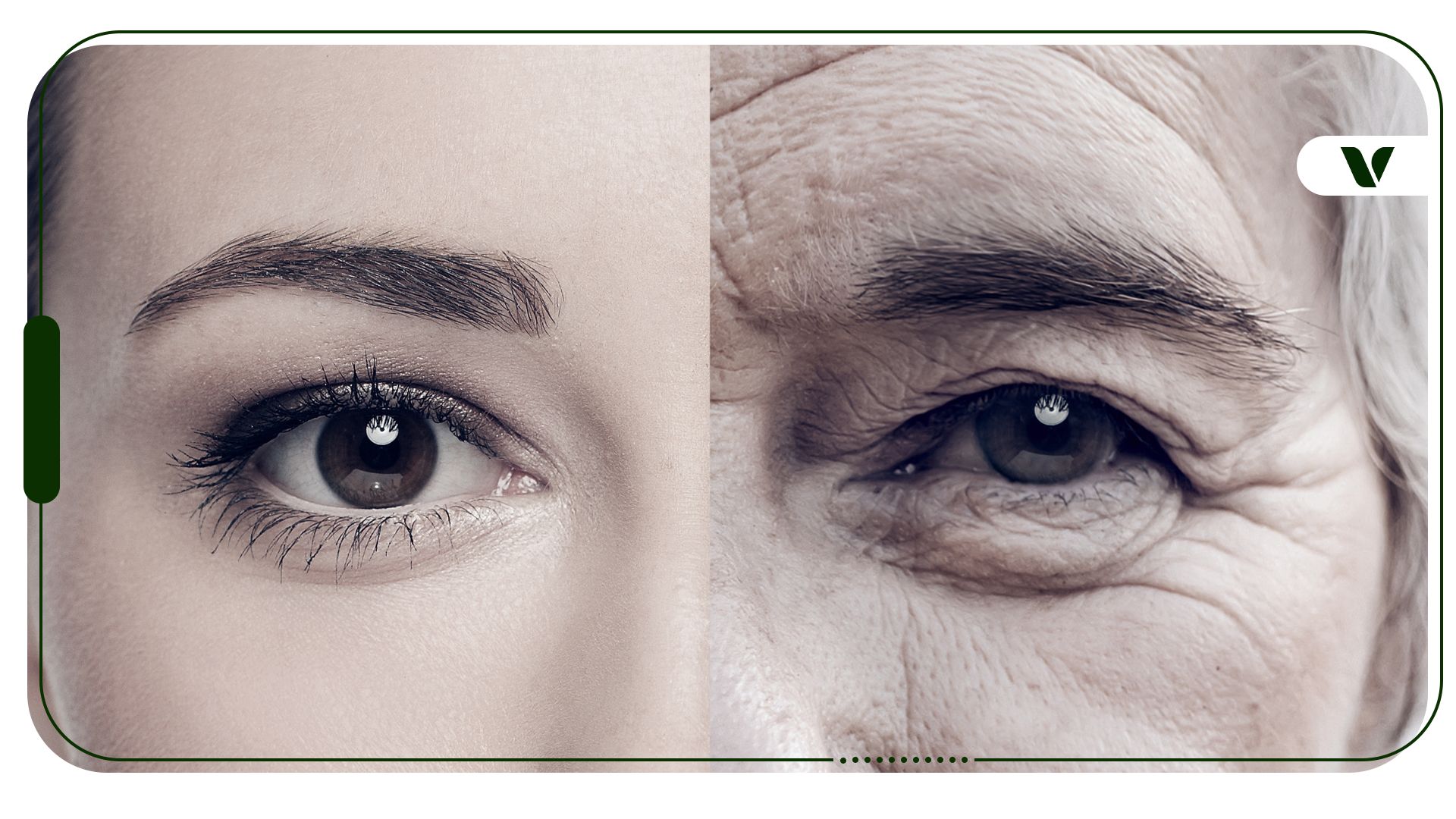
Research shows a possible link between cannabis use and aging, but the details matter.
Studies have found that people who smoke cannabis may show signs of faster biological aging. Other findings suggest cannabis compounds may support brain health and help manage inflammation, both of which play a role in how the body ages.
What matters most is how you use cannabis, along with frequency and dose. This article breaks down what current research shows and how it applies to you.
What Is Epigenetic Aging and How Does Cannabis Affect It?
Epigenetic aging describes how fast your body ages at a cellular level. Your biological age can move faster or slower than your actual age, depending on factors such as lifestyle, environment, and overall health.
Scientists measure this using epigenetic clocks, which track patterns in DNA methylation across the genome. These patterns serve as markers of how your cells change over time. Some of the most widely used clocks, such as Horvath and GrimAge, can estimate biological age with an accuracy of a few years in many cases.
Cannabis enters this picture through its interaction with the endocannabinoid system, which helps regulate inflammation, stress response, and cellular balance. These processes play a role in how your body ages, which is why researchers study cannabis in the context of epigenetic changes.
Recent studies have found associations between cannabis use and shifts in DNA methylation patterns linked to aging. For example, research has shown measurable differences in epigenetic age markers between regular users and non-users. These findings suggest a link, but they do not confirm that cannabis directly drives these changes.
What the Research Says: Does Smoking Weed Age You?
Recent research shows a consistent link between cannabis use and changes in biological aging markers. Studies published between 2022 and 2025 report that people who smoke marijuana may show signs of faster epigenetic aging, with heavier use linked to stronger effects.
Across these studies, the pattern points to smoking as the main factor. Researchers link the changes to combustion and the inhalation of hydrocarbons, rather than to cannabinoids themselves.
2022 Study (University of Virginia)
A 2022 study followed 154 participants from ages 13 to 30 to examine how cannabis use relates to biological aging. Researchers compared DNA methylation patterns over time and found a clear association between cannabis use and faster epigenetic aging. The effect increased with greater use, with heavier users showing the greatest changes in biological age markers.
The findings point to a measurable link, but the study includes important limitations. Participants were 30 years old at the end of the study, which does not reflect full lifetime exposure. The researchers also stated that they could not establish a causal role between cannabis use and accelerated aging.
The study identified smoking as the primary factor behind the observed changes.
2022 CARDIA Study (Northwestern University / Clinical Epigenetics)
A 2022 study based on the CARDIA cohort analyzed data from more than 900 adults to examine how cannabis use relates to biological aging. Researchers measured epigenetic age using four established clocks and found that higher cumulative marijuana use was associated with accelerated epigenetic aging across all four indices, indicating that smokers may age faster.
The study used blood samples collected five years apart, which allowed researchers to track changes over time rather than rely on a single snapshot. This added a longitudinal view and strengthened the link between long-term cannabis exposure and shifts in biological age markers.
The findings show a consistent association, but they do not confirm the cause. Researchers noted that other lifestyle and health factors may also influence these changes.
2023 Northwestern University Study (Molecular Psychiatry)
A 2023 study expanded this research to more than 1,000 adults to examine how cannabis use relates to changes in DNA over time. Researchers identified several epigenetic markers linked to cannabis exposure, showing measurable differences in gene activity patterns among users.
One of these markers had already been associated with tobacco smoking, which suggests a shared biological pathway tied to smoke exposure. This finding adds context to earlier results indicating that inhalation is a key factor in aging-related changes.
The study strengthens the association between cannabis use and epigenetic shifts, but it does not establish the cause. Researchers noted the need for further studies to understand how these markers develop and what they mean for long-term health.
2024 University of British Columbia Study (European Respiratory Journal)
A 2024 study examined how cannabis smoking relates to biological aging in lung tissue. Researchers found that people who smoked cannabis showed signs of advanced epigenetic age in lung-related markers compared to non-users.
The results focused on respiratory health, where repeated exposure to smoke can affect cellular function and gene activity. This aligns with earlier findings that link inhalation of combustion byproducts to changes in biological age.
The study also outlined clear limits. The sample size was small, and some participants reported alcohol or other drug use, which may influence the results.
2024 King’s College London Study (Molecular Psychiatry)
A 2024 study examined how high-potency cannabis affects DNA methylation patterns over time. Researchers found that frequent use of cannabis with THC levels above 10 percent was linked to distinct changes in gene activity markers.
These changes were most pronounced in people who began using cannabis early and used it on a daily basis. The study identified a clear biological signal tied to repeated exposure to marijuana smoke, showing that higher potency and frequency play a role on biological aging pathways.
The research focused on mental health outcomes, but the findings add to the broader evidence that cannabis use can influence epigenetic markers. This supports the view that long-term patterns of use may have measurable effects on biological aging pathways.
A 2025 systematic review in the Journal of Cannabis Research analyzed over 15 years of data and found that cannabis has mixed effects on aging. Some cannabinoids show potential to support brain function and reduce inflammation, while patterns of heavy use, especially when smoked, are linked to faster biological aging markers.
Across studies, the outcome depends on how you use cannabis, how often, the potency, and when use begins. Current evidence shows consistent associations but does not confirm cause, and long-term human data remains limited.
How Cannabis May Support Healthy Aging
Research on cannabis and aging does not point in one direction. While some studies link smoking to faster biological aging, other findings show that certain cannabis may support healthy aging, including improved brain function and reduced inflammation.
Cannabis and Brain Health in Aging
Research suggests cannabis may influence brain function as you age, though most evidence comes from early-stage studies. A study from the University of Bonn found that older mice given low doses of THC showed improved memory and learning, with performance levels similar to much younger mice.
Other findings point to changes in the hippocampus, a region tied to memory and cognitive function. Some studies report protective effects in this area, along with improved signaling between brain cells. A 2018 study also found that a single low dose of THC improved overall function in older mice.
These results show potential, but they come from animal models and have not been confirmed in large human trials.
Cannabis for Pain, Inflammation, and Chronic Conditions in Older Adults
Cannabis is often studied for its role in managing pain conditions linked to aging. A 2021 review by Zolotov and Gruber found that cannabis may help address pain, arthritis, sleep issues, and anxiety, all of which become more common with age.
Inflammation plays a central role in many age-related conditions. Cannabinoids such as THC and CBD interact with systems that regulate immune response, which may help reduce inflammatory activity. This link is one reason cannabis is explored as a supportive option for long-term health management.
Population data also show that older adults who use cannabis report similar overall health status compared to non-users, despite having higher rates of chronic conditions. This suggests cannabis may play a role in symptom management rather than disease prevention.
Minor Cannabinoids and Cellular Health
Research on minor cannabinoids such as CBN and CBGA has expanded in recent years. Early findings suggest these compounds may support cellular function through anti-inflammatory and neuroprotective pathways. Some studies also point to effects on mitochondrial activity, which plays a key role in energy production and aging.
These compounds may also influence oxidative stress, a process linked to cell damage over time. By interacting with pathways involved in inflammation and cellular repair, minor cannabinoids may help maintain cell health.
The evidence remains early, but this area continues to grow as researchers look beyond THC and CBD to better understand how cannabis interacts with aging at a cellular level.
Does Weed Age Your Skin?
Skin aging is closely linked to exposure to marijuana smoke rather than cannabis itself. When you inhale smoke, your skin is exposed to compounds that increase oxidative stress, which breaks down collagen and elastin. These proteins help keep your skin firm and smooth, and their loss is tied to wrinkles and reduced elasticity.
This effect is not unique to cannabis. Research on smoke exposure shows that it accelerates visible skin aging by reducing collagen production and increasing cellular damage. The same mechanism applies to cannabis smoke, since combustion produces similar byproducts.
Cannabinoids such as THC and CBD show a different profile. Studies have found that these compounds have anti-inflammatory and antioxidant properties, which help protect skin cells from damage. At lower doses, this may help support overall skin health by reducing inflammation.
Topical CBD products are also being studied for skin-related use. Early research and consumer data suggest potential benefits for conditions such as dryness and irritation. This route does not involve smoke exposure and works through direct interaction with the skin.
The key point is that skin aging risk is tied to smoking and not to cannabinoids themselves.
Does the Consumption Method Matter for Aging?
The way you use cannabis plays a central role in how it may affect aging. Research points to smoking as the main source of concern due to exposure to combustion byproducts. These include hydrocarbons that can influence cellular processes linked to aging.
The 2022 study on long-term cannabis use identified smoke exposure as the primary factor behind changes in biological age markers. The 2024 study on lung health also focused on people who smoked cannabis, not those who used other forms. These findings show a consistent pattern tied to inhalation of burned material.
Research on non-smoking methods and epigenetic aging remains limited. Current data does not confirm long-term effects across these formats, and more studies are needed to understand their impact.
The current evidence suggests that smoking drives the main aging-related risk, while other methods avoid this specific mechanism. Non-combustion methods, such as edibles, tinctures, and topicals, do not produce the same byproducts. This means they do not expose your body to the compounds identified in these aging-related findings.
Final Thoughts
Current research shows that cannabis and aging do not follow a single pattern. Some findings link heavy use to changes in biological aging markers, while others point to potential benefits tied to inflammation and brain function.
What stands out across studies is that individual factors shape the outcome. Your method of use, dose, potency, and age of onset all influence how your body responds over time. Human research in this area is still developing, which means conclusions remain limited.
If you are considering cannabis as part of your health routine, a licensed physician can help you understand what fits your needs. You can connect with a qualified doctor through Veriheal and find a doctor today.
Note: The content on this page is for informational purposes only and is not intended to be professional medical advice. Do not attempt to self-diagnose or prescribe treatment based on the information provided. Always consult a physician before making any decision on the treatment of a medical condition.
Note: Veriheal does not support illegally consuming therapeutic substances such as cannabis but acknowledges that it transpires because of the current illicit status, which we strive to change by advocating for research, legal access, and responsible consumption. Always consult a physician before attempting alternative therapies.
FAQ
What Are the Long-Term Side Effects of Marijuana?
Long-term marijuana use may affect memory and attention, especially with heavy or frequent use, and smoking can impact lung health due to ongoing smoke exposure. Risks such as cannabis use disorder and changes in biological aging markers have been observed in research, with effects depending on dose, frequency, and method of use.
Does Weed Have Any Benefit for Skin?
CBD has shown anti-inflammatory and antioxidant properties in topical studies, and some users report improvement in skin conditions such as eczema and psoriasis. These effects come from direct application to the skin and are separate from smoking, which is linked to skin aging through smoke exposure.
Does Vaping Weed Age You Like Smoking?
Vaping weed does not produce the same combustion byproducts linked to aging in smoking studies, so it may reduce that specific risk. However, long-term research on vaping and biological aging is still limited, so it cannot be considered risk-free.
Can Cannabis Reverse Aging?
Some early studies, including research from the University of Bonn, show that low doses of THC improved memory and brain function in older mice, which suggests potential anti-aging effects. However, these findings are preclinical and not confirmed in large human trials, so current evidence remains limited.
Author, Share & Comments