Cannabis and hydroxyzine can interact in ways that increase sedation and other central nervous system effects. Both substances affect your brain’s activity levels, and combining them requires careful consideration of timing, dosage, and your individual health needs.
Understanding these interactions helps you make informed decisions about using both substances safely. This guide covers the mechanisms behind cannabis-hydroxyzine interactions, practical safety considerations, and when to consult healthcare providers.
What Is Hydroxyzine?
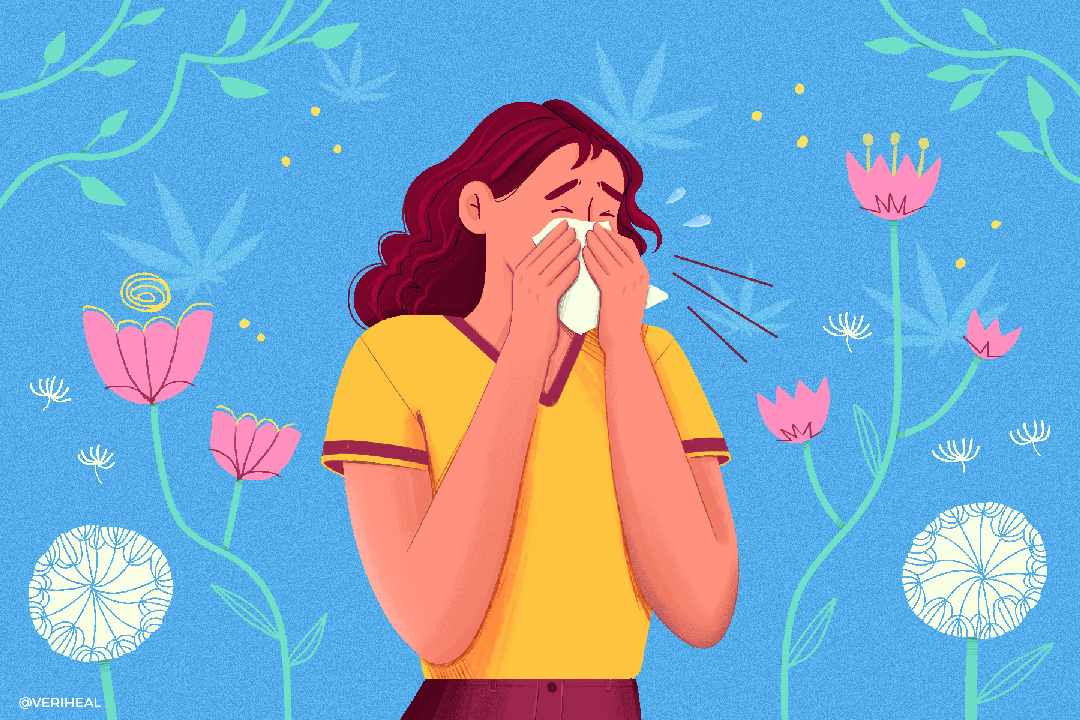
Hydroxyzine is an antihistamine medication that treats allergy symptoms, anxiety, and itching by blocking histamine receptors in your body. You can find it under brand names like Vistaril and Atarax, available by prescription for conditions ranging from seasonal allergies to anxiety disorders.
Unlike newer antihistamines that don’t cross the blood-brain barrier, hydroxyzine directly affects your central nervous system. This is why it causes drowsiness and why doctors sometimes prescribe it specifically for anxiety or as a sleep aid. The medication typically starts working within 15-30 minutes and can last 4-6 hours.
Cannabis and Hydroxyzine: Understanding the Interaction
Both cannabis and hydroxyzine depress central nervous system activity, which means combining them amplifies sedating effects rather than creating entirely new risks. Cannabis binds to CB1 receptors in your brain and affects neurotransmitter release, while hydroxyzine blocks histamine and acetylcholine receptors that regulate alertness and arousal.
When you use both substances together, the sedation becomes more pronounced because they work through different pathways to slow brain activity. Cannabis may take 30 minutes to 2 hours to reach peak effects depending on consumption method, while hydroxyzine typically peaks within an hour. This timing difference means effects can compound unexpectedly if you don’t account for both substances’ onset patterns.
What to Watch For
The interaction primarily increases the intensity and duration of certain effects rather than creating dangerous new ones:
- Enhanced sedation: Drowsiness becomes more pronounced and lasts longer than with either substance alone
- Slower reaction times: Both substances impair motor coordination, and the combination amplifies this effect
- Increased dizziness: Standing up quickly or changing positions may cause more pronounced lightheadedness
- Memory formation issues: Both can affect short-term memory, and combining them may make this more noticeable
- Dry mouth intensification: Hydroxyzine reduces saliva production, and cannabis can worsen this effect
Safe Use Considerations for Medical Cannabis Patients
Medical cannabis patients who also use hydroxyzine need to approach the combination strategically, especially since both substances may be part of their treatment plan. The key lies in timing, dosage adjustment, and recognizing when enhanced effects become problematic rather than therapeutic.
If you’re prescribed both medications, start with lower cannabis doses than you normally use and space the timing when possible. Taking hydroxyzine for allergies in the morning and cannabis for evening symptom management often works better than using both simultaneously. This approach lets you gauge how each affects you individually before dealing with combined effects.
Pay attention to how the interaction affects your daily functioning. Some patients find that combining cannabis with medications requires dosage adjustments rather than complete avoidance. Enhanced relaxation might benefit anxiety or sleep disorders, but excessive sedation that interferes with work or driving becomes a safety concern.
Key Monitoring Points
- Track drowsiness levels throughout the day to identify problematic timing combinations
- Note any increase in dizziness or balance issues when moving between positions
- Monitor whether memory or concentration problems interfere with daily tasks
- Watch for breathing changes, especially if you have respiratory conditions
- Assess whether the combined effects help or hinder your treatment goals
How Healthcare Providers Approach This Combination
Healthcare providers consider several factors when patients use both cannabis and hydroxyzine, including therapeutic goals, timing strategies, and individual risk factors. Many recognize that both substances can serve legitimate medical purposes and focus on optimizing the combination rather than prohibiting it entirely.
Doctors often recommend staggered dosing schedules when both medications address different aspects of a patient’s condition. For example, hydroxyzine for morning anxiety management and cannabis for evening pain relief minimizes overlap while preserving therapeutic benefits. Some providers suggest reducing hydroxyzine doses when adding cannabis to a treatment regimen, particularly if sedation becomes excessive.
The medical approach typically involves monitoring for concerning symptoms like respiratory depression, especially in patients with sleep apnea or other breathing disorders. Providers may also adjust cannabis recommendations based on discussions about current medications and their interactions.
Disclosure Recommendations
- Inform all healthcare providers about both cannabis and hydroxyzine use
- Discuss timing patterns and any concerning side effects you’ve noticed
- Ask about dosage adjustments rather than assuming you must choose one or the other
- Mention any changes in effectiveness of either substance when used together
Cannabis as an Alternative to Antihistamine
Some cannabis users find that certain strains help manage allergy symptoms traditionally treated with antihistamines like hydroxyzine. Cannabis contains cannabinoids that may have anti-inflammatory properties, though research on its effectiveness for allergies remains limited compared to established antihistamine treatments.
If you’re considering cannabis as an alternative to hydroxyzine for allergy management, discuss this with a healthcare provider familiar with both treatments. The sedating effects that make hydroxyzine problematic for daytime use might also occur with products high in myrcene or other sedating terpenes. However, you may find cannabis offers better symptom control with fewer side effects for your specific situation.
This approach works better for some conditions than others. Cannabis shows more established benefits for anxiety and sleep disorders than for acute allergic reactions, where fast-acting antihistamines often provide more reliable relief. Consider whether cannabis and anxiety medications might be a better comparison point if anxiety management is your primary concern.
Note: The content on this page is for informational purposes only and is not intended to be professional medical advice. Do not attempt to self-diagnose or prescribe treatment based on the information provided. Always consult a physician before making any decision on the treatment of a medical condition.
Note: Veriheal does not support illegally consuming therapeutic substances such as cannabis but acknowledges that it transpires because of the current illicit status, which we strive to change by advocating for research, legal access, and responsible consumption. Always consult a physician before attempting alternative therapies.
Ready to explore medical cannabis options with professional guidance? Speak with a qualified physician who understands cannabis interactions by visiting Veriheal’s medical marijuana doctors.
Frequently Asked Questions
Can you smoke weed while taking hydroxyzine?
Yes, you can use cannabis while taking hydroxyzine, but both substances increase sedation and drowsiness. Start with lower cannabis doses than usual and avoid activities requiring alertness like driving until you understand how the combination affects you.
How long should I wait between taking hydroxyzine and using cannabis?
Spacing them 2-4 hours apart reduces the intensity of combined effects. Hydroxyzine peaks within an hour while cannabis timing varies by consumption method, so consider both substances’ onset patterns when planning use.
Does combining cannabis and hydroxyzine increase the risk of overdose?
Neither substance alone causes fatal overdoses, and combining them doesn’t create lethal interactions. The main risks involve excessive sedation, impaired coordination, and potential breathing issues in people with respiratory conditions.
Will using cannabis and hydroxyzine together show up differently on drug tests?
Drug tests detect specific compounds independently, so using both won’t create new detectable substances. Cannabis metabolites and hydroxyzine may both appear, but the combination doesn’t affect detection windows or test sensitivity.
Can I drive after using cannabis and hydroxyzine together?
No, both substances impair reaction time and coordination, and combining them amplifies these effects. Wait until all sedating effects have worn off before driving, which may take longer than with either substance alone.
Author, Share & Comments