According to the New York Times, 64 million gabapentin prescriptions were dispensed in 2016, with numbers continuing to rise each year. Many patients now explore medical cannabis as an alternative after experiencing gabapentin’s concerning side effects, including FDA warnings about serious respiratory problems. Both treatments target similar conditions like nerve pain and seizures, but they work through different mechanisms and carry distinct risk profiles.
This comparison examines the safety, effectiveness, and interaction considerations between gabapentin and medical cannabis to help patients make informed treatment decisions.
What is Gabapentin?
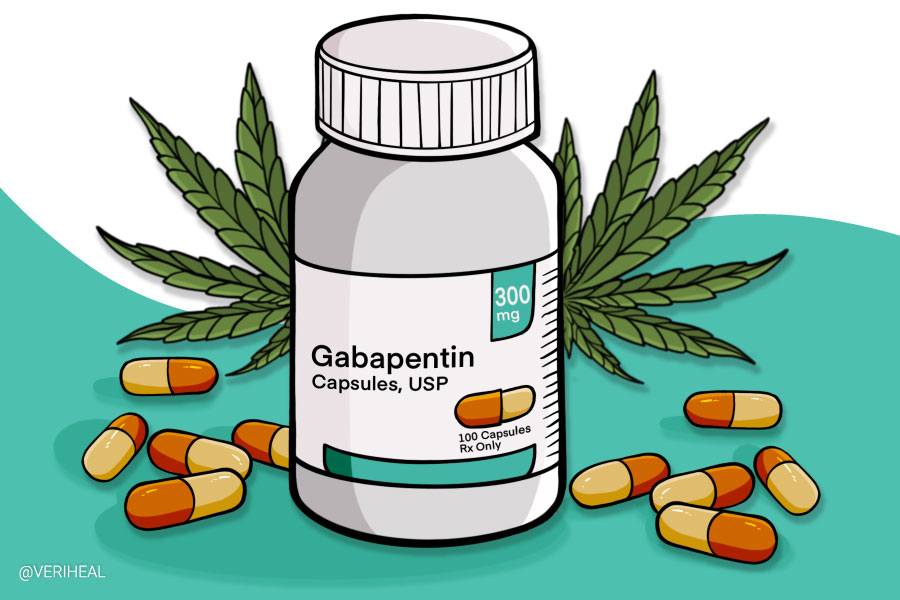
Gabapentin is a pharmaceutical medication originally developed to treat epilepsy but now commonly prescribed for neuropathic pain, anxiety, and other neurological conditions. The drug works by affecting calcium channels in nerve cells, which reduces abnormal electrical activity that causes seizures and chronic pain signals.
Despite its widespread use, gabapentin carries significant risks that have prompted increased medical scrutiny. The FDA has issued warnings about respiratory depression, particularly when gabapentin is combined with opioids or alcohol. The medication also produces physical dependence, making discontinuation difficult without proper medical supervision.
Gabapentin requires careful dosing adjustments and can interact with numerous other medications. Patients typically start with low doses that are gradually increased, as sudden changes can trigger withdrawal symptoms or breakthrough seizures.
Gabapentin Side Effects vs Cannabis Side Effects
Both gabapentin and medical cannabis produce side effects, but their severity and duration differ significantly. Understanding these differences helps patients weigh the risks of each treatment option.
| Side Effect Category |
Gabapentin |
Medical Cannabis |
| Common Effects |
Dizziness, drowsiness, coordination problems, weight gain, swelling |
Dry mouth, red eyes, increased appetite, mild cognitive changes |
| Serious Effects |
Respiratory depression (especially with other drugs), suicidal thoughts, severe mood changes |
Anxiety or paranoia (particularly at high THC doses), impaired driving ability, cognitive effects with heavy or long-term use, and, less commonly, more serious psychiatric effects in vulnerable individuals |
| Long-term Concerns |
Physical dependence, withdrawal syndrome, cognitive impairment |
Potential respiratory effects (smoking), tolerance development |
| Withdrawal Risk |
Significant, requires medical supervision |
Recognized withdrawal syndrome; severity varies by frequency, dose, and duration of use |
Gabapentin can produce physical dependence and clinically significant withdrawal, particularly with regular or higher-dose use. Cannabis also has a recognized withdrawal syndrome, and its severity can vary considerably depending on frequency, duration, dose, and individual use patterns, it shouldn’t be assumed to be mild for everyone. Research on gabapentin dependence patterns shows increasing abuse potential, particularly among individuals with substance use disorders.
Both gabapentin and medical cannabis can produce clinically significant adverse effects, and the severity depends on dose, route, frequency of use, indication, age, comorbidities, concurrent medications, and individual response. Cannabis side effects shouldn’t be characterized as inherently milder than gabapentin’s, they’re different in kind, and both warrant careful monitoring. Unlike gabapentin, cannabis allows for immediate dosing adjustments and doesn’t require weeks of gradual changes.
Related Pharmaceutical Medications
Gabapentin belongs to a class of anticonvulsant medications that includes pregabalin (Lyrica), carbamazepine, and phenytoin. These drugs share similar mechanisms but differ in their side effect profiles and abuse potential.
Pregabalin is structurally similar to gabapentin but carries an even higher risk of dependence and abuse. Both medications are now classified as controlled substances in many states due to their addiction potential. Older anticonvulsants like phenytoin require regular blood monitoring and can cause serious organ damage with long-term use.
The pharmaceutical approach typically involves trying multiple medications in sequence, often combining them with other drugs to manage side effects. This polypharmacy approach increases interaction risks and complicates treatment management for both patients and providers.
Effectiveness Comparison: Gabapentin vs Cannabis
Both treatments show effectiveness for overlapping conditions, but they achieve results through different biological pathways and timeframes.
| Condition |
Gabapentin Effectiveness |
Cannabis Effectiveness |
Key Differences |
| Neuropathic Pain |
Established, FDA-recognized use for specific pain conditions |
Some evidence of benefit, though quality varies by product and study |
Effectiveness for either treatment varies significantly by individual and pain type |
| Epilepsy/Seizures |
Established anticonvulsant, though not first-line for most seizure types |
Evidence strongest for purified, pharmaceutical-grade CBD (Epidiolex) in specific treatment-resistant seizure disorders, this does not generalize to cannabis flower or dispensary products broadly |
These are different products with different evidence bases, not interchangeable |
| Anxiety Disorders |
Used off-label; effectiveness and tolerability vary |
Effects vary considerably by THC/CBD ratio and dose; can worsen anxiety in some individuals |
Neither treatment has a clearly superior evidence base for anxiety |
| Sleep Disorders |
Sedating effects may help some patients |
May aid sleep onset for some; can disrupt sleep architecture |
Individual response varies substantially for both |
Research on cannabinoids for neuropathic pain is ongoing, and comparative head-to-head evidence against gabapentin for specific pain types remains limited. Claims of broader therapeutic benefit from multiple cannabinoids working together (the ‘entourage effect’) are a hypothesis under investigation, not an established clinical finding.
Onset times differ between treatments. Cannabis effects can appear within minutes to hours depending on consumption method, while gabapentin’s therapeutic response depends on the condition being treated, the dose, and the titration schedule used, it doesn’t uniformly take weeks for every use case. This difference in onset doesn’t by itself establish cannabis as a more appropriate treatment for acute symptoms; that determination depends on the specific condition and should be made with a healthcare provider.
Which Conditions Are Treated with Gabapentin and Similar Medications?
Healthcare providers prescribe gabapentin for numerous on-label and off-label conditions. Primary approved uses include epilepsy and postherpetic neuralgia, but physicians commonly prescribe it for fibromyalgia, diabetic neuropathy, restless leg syndrome, and anxiety disorders.
The expansion of gabapentin prescribing reflects both its versatility and the limited alternatives available through conventional medicine. However, this broad use has contributed to overprescribing concerns and increased awareness of its dependence potential.
Many patients receiving gabapentin prescriptions have qualifying medical conditions that would also make them eligible for medical cannabis programs. Conditions like chronic pain, epilepsy, and anxiety appear on most state medical cannabis qualifying condition lists.
Dosing and Administration Differences
The dosing approaches for gabapentin and medical cannabis differ fundamentally in flexibility, adjustment speed, and patient control over their treatment.
Gabapentin requires a structured titration process, typically starting at 300mg daily and increasing by 300mg every few days until therapeutic effects are achieved. Most patients need 900-3600mg daily divided into multiple doses. Changes must be made gradually to prevent withdrawal symptoms or breakthrough seizures, and patients cannot safely adjust doses on their own.
Cannabis dosing should be individualized based on your specific condition, tolerance, and response, ideally with guidance from a knowledgeable healthcare provider. Because cannabis products vary widely in cannabinoid composition and potency, a dosing approach that works for one person or one condition doesn’t translate directly to another.
Safety of Combining Gabapentin and Cannabis
Many patients wonder about the safety of using gabapentin and medical cannabis together, either during a transition period or as combination therapy. While research on this specific combination is limited, several key safety considerations apply.
Both substances can cause sedation and cognitive impairment, so combining them may amplify these effects. Patients considering combining cannabis with gabapentin should discuss this with the healthcare professional who prescribed the gabapentin before doing so, rather than independently adjusting either medication. Potential additive sedation, dizziness, impaired coordination, cognitive effects, and fall risk are real concerns that warrant that conversation.
Gabapentin undergoes minimal liver metabolism and is primarily eliminated unchanged through the kidneys, which means the liver-enzyme-based interactions cannabis can have with many other medications are less applicable here. The main safety consideration when combining the two is additive sedation and CNS depression, not a metabolic interaction altering gabapentin’s blood levels.
Key safety considerations for combination use:
- Start with minimal cannabis doses while on stable gabapentin therapy
- Avoid driving or operating machinery until effects are understood
- Monitor for increased sedation or cognitive impairment
- Inform healthcare providers about both substances
- Consider supervised transition rather than abrupt gabapentin discontinuation
Why Consider Medical Cannabis in the First Place?
The growing interest in medical cannabis as an alternative to gabapentin stems from several advantages that address common patient concerns about pharmaceutical treatments. Cannabis offers a more natural approach with potentially fewer long-term health consequences.
Research on purified, pharmaceutical-grade CBD (specifically Epidiolex, FDA-approved for certain treatment-resistant seizure disorders) has shown benefit for specific epilepsy syndromes. This evidence applies to that specific formulation and should not be generalized to cannabis flower, THC-containing products, or CBD-dominant dispensary strains, which have a different and much more limited evidence base for seizure control.
Cannabis also allows patients greater control over their treatment experience. Unlike gabapentin’s fixed dosing requirements, patients can adjust cannabis doses based on daily symptom levels and can choose from various delivery methods to optimize their therapy.
The lack of physical dependence makes medical cannabis appealing to patients concerned about gabapentin’s withdrawal syndrome. While tolerance can develop with cannabis use, discontinuation doesn’t require medical supervision or produce the dangerous symptoms associated with gabapentin withdrawal.
Note: The content on this page is for informational purposes only and is not intended to be professional medical advice. Do not attempt to self-diagnose or prescribe treatment based on the information provided. Always consult a physician before making any decision on the treatment of a medical condition.
Note: Veriheal does not support illegally consuming therapeutic substances such as cannabis but acknowledges that it transpires because of the current illicit status, which we strive to change by advocating for research, legal access, and responsible consumption. Always consult a physician before attempting alternative therapies.
Want to explore medical cannabis as an alternative to gabapentin? Speak with a qualified cannabis physician who can evaluate your specific condition and guide you through the process.
Frequently Asked Questions
Can you take CBD with gabapentin safely?
CBD appears to have fewer interaction risks than THC when combined with gabapentin, but both can increase sedation. Start with low CBD doses and monitor for enhanced drowsiness or coordination problems.
Is medical cannabis more effective than gabapentin for nerve pain?
Research on cannabis effectiveness suggests the treatment may be more effective for certain types of neuropathic pain, particularly inflammatory conditions. Individual responses vary significantly for both treatments.
Can you smoke weed while taking gabapentin?
Combining any form of cannabis with gabapentin increases sedation and cognitive impairment risks. If you choose to combine them, start with very small amounts and avoid activities requiring alertness.
How long does it take to switch from gabapentin to medical cannabis?
Gabapentin discontinuation must be gradual over weeks or months to prevent dangerous withdrawal. Work with a healthcare provider to create a supervised tapering schedule while introducing cannabis therapy.
What cannabis strains work best for conditions gabapentin treats?
High-CBD strains like Charlotte’s Web work well for seizures and anxiety, while balanced THC/CBD ratios may be more effective for chronic pain. Individual responses vary based on specific conditions and tolerance levels.
Author, Share & Comments