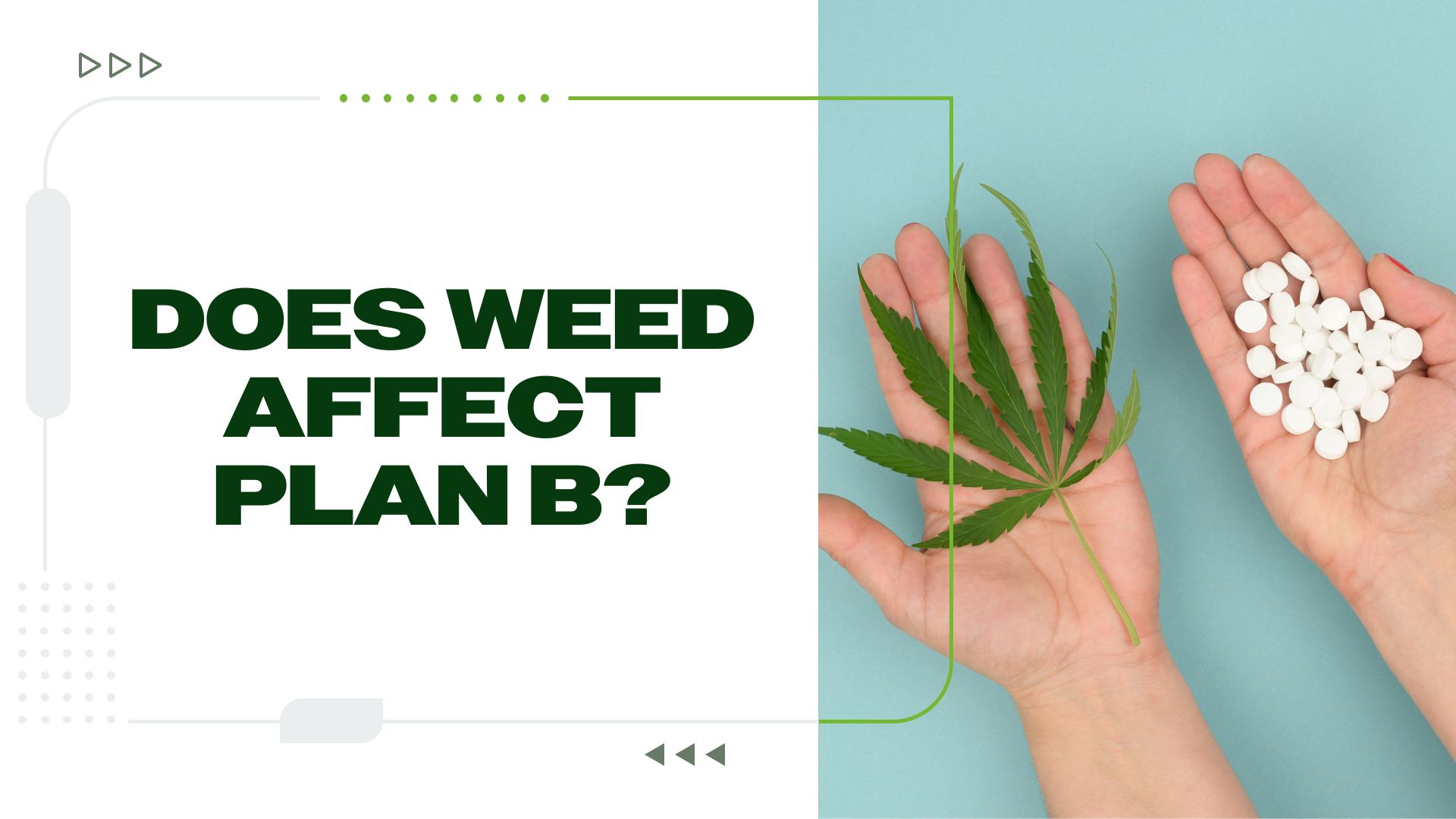
No, cannabis does not appear to affect Plan B’s effectiveness. Current research shows no direct interactions between cannabis compounds and levonorgestrel, the active ingredient in Plan B emergency contraception.
If you use cannabis and need emergency contraception, you can take Plan B as directed without worrying about reduced effectiveness. The timing of when you take Plan B after unprotected sex remains the most critical factor for preventing pregnancy.
This article covers what research shows about cannabis and Plan B interactions, how emergency contraception works, and what you should know about timing and safety when using both substances.
How Plan B Emergency Contraception Works
Plan B contains 1.5 milligrams of levonorgestrel, a synthetic hormone that prevents pregnancy through multiple mechanisms. The medication primarily works by preventing or delaying ovulation, so no egg is released for fertilization.
Levonorgestrel also thickens cervical mucus, making it harder for sperm to reach an egg if ovulation has already occurred. The hormone may also alter the lining of the uterus, though this mechanism is less well understood and likely plays a smaller role in pregnancy prevention.
Levonorgestrel Mechanism of Action
Levonorgestrel binds to progesterone and androgen receptors in your body, disrupting the normal hormonal signals that trigger ovulation. This synthetic hormone mimics natural progesterone but at much higher concentrations than what appears in regular birth control pills.
The medication works most effectively when taken before the luteinizing hormone (LH) surge, which typically occurs 24-36 hours before ovulation. Once this surge begins, Plan B becomes less reliable at preventing egg release.
Plan B Success Rates by Timing
The effectiveness of Plan B depends heavily on when you take it after unprotected sex. Here’s how timing affects success rates:
| Time After Unprotected Sex |
Effectiveness Rate |
| Within 24 hours |
89-95% effective |
| 24-48 hours |
85-89% effective |
| 48-72 hours |
58-85% effective |
| After 72 hours |
Significantly reduced effectiveness |
Taking Plan B as soon as possible maximizes your chances of preventing pregnancy. The medication can work up to 120 hours after unprotected sex, but effectiveness drops substantially after the 72-hour window.
Side Effects of Plan B
Plan B can cause temporary side effects that typically resolve within a few days. The most common effects include nausea, fatigue, headache, and dizziness. Some people experience breast tenderness, abdominal pain, or changes in their next menstrual cycle.
Nausea affects about 23% of Plan B users, while fatigue and headache occur in roughly 17% and 10% of cases respectively. These side effects result from the sudden surge of synthetic hormone in your system.
Your next period may come earlier or later than expected, and it might be heavier or lighter than usual. This disruption is normal and doesn’t indicate that the medication failed. If your period is more than a week late, take a pregnancy test to confirm the medication worked.
Cannabis Effects on Reproductive Health
Cannabis affects reproductive health through the endocannabinoid system, which plays a role in regulating hormones, fertility, and menstrual cycles. Understanding these effects of cannabis helps explain why some people worry about interactions with emergency contraception.
Tetrahydrocannabinol (THC) can temporarily disrupt the hypothalamic-pituitary-gonadal axis, which controls reproductive hormone production. This disruption may affect the timing of ovulation and menstrual cycle length, particularly with heavy or regular cannabis use.
Research suggests that cannabis use may delay ovulation by 1-2 days in some women, though this effect varies significantly between individuals. The delay occurs because THC interferes with the release of gonadotropin-releasing hormone (GnRH), which triggers the cascade leading to ovulation.
THC and Menstrual Cycles
THC binds to cannabinoid receptors in reproductive tissues, including the ovaries, fallopian tubes, and uterus. This binding can alter the normal hormonal fluctuations that control your menstrual cycle.
Some cannabis users report longer or irregular cycles, while others notice changes in flow intensity or duration. These effects are typically temporary and resolve when cannabis use decreases or stops.
Research on Cannabis and Fertility
Studies on cannabis and fertility show mixed results, with most effects appearing reversible. Research suggests regular cannabis use may temporarily reduce fertility in both men and women, but these changes typically reverse within 2-3 months of stopping use.
Key findings from fertility research include:
- Cannabis may reduce sperm count and motility in men
- Women who use cannabis heavily may have longer menstrual cycles
- THC can temporarily suppress luteinizing hormone, delaying ovulation
- CBD appears to have less impact on reproductive hormones than THC
- Most fertility effects reverse quickly when cannabis use stops
The research indicates that occasional cannabis use is unlikely to significantly impact fertility, while daily or heavy use may cause temporary changes to reproductive function.
Does Cannabis Reduce Plan B Effectiveness?
No, cannabis does not reduce Plan B’s effectiveness. Levonorgestrel and cannabis compounds are metabolized through different pathways in your liver, so they don’t interfere with each other’s processing or absorption.
Plan B works by disrupting your normal ovulation cycle through progesterone and androgen receptors. Cannabis primarily affects the endocannabinoid system, which operates independently of the hormonal pathways that levonorgestrel targets.
What Research Shows
Studies on contraceptive drug interactions have not identified cannabis as a substance that reduces emergency contraception effectiveness. The liver enzymes that break down THC and CBD (primarily CYP3A4 and CYP2C19) are different from those that process levonorgestrel.
Unlike some medications to avoid mixing with cannabis, Plan B doesn’t show documented interactions with cannabinoids. This means you can use both substances without worrying about reduced contraceptive effectiveness.
Why Drug Interactions Matter for Emergency Contraception
Some medications can reduce Plan B’s effectiveness by increasing how quickly your liver breaks down levonorgestrel. Drugs that strongly activate certain liver enzymes can cause the hormone to be metabolized before it has time to prevent ovulation.
Cannabis doesn’t activate these same enzyme pathways in ways that would accelerate levonorgestrel breakdown. The compounds work through separate biological systems, allowing both to function normally when used together.
Can You Smoke Weed After Taking Plan B?
You can smoke weed after taking Plan B without affecting the medication’s ability to prevent pregnancy. The timing of cannabis use relative to Plan B doesn’t impact how well the emergency contraception works.
Some people worry that cannabis might interfere with Plan B absorption, but levonorgestrel is absorbed quickly through your digestive system. The medication reaches peak blood levels within 1-2 hours after taking the pill, well before any cannabis effects would begin.
Cannabis use after taking Plan B might actually help manage some side effects like nausea or headache. However, be aware that both substances can cause dizziness, so using them together might intensify this effect.
Here are the key timing considerations:
- Take Plan B first: Focus on taking emergency contraception as soon as possible for maximum effectiveness
- Wait 1-2 hours: Allow Plan B to fully absorb before using cannabis if you’re concerned about nausea
- Start with low doses: Both substances can cause dizziness, so use cannabis conservatively
- Monitor side effects: Be aware that fatigue from both substances might compound
- Stay hydrated: Both Plan B and cannabis can contribute to dehydration
The most important factor remains taking Plan B within 72 hours of unprotected sex. Cannabis use doesn’t change this timeline or reduce the medication’s effectiveness when taken properly.
Cannabis and Other Birth Control Methods
Cannabis interactions with regular birth control methods differ from its relationship with Plan B. While emergency contraception shows no documented interactions, some hormonal contraceptives may have different considerations.
Daily oral contraceptives, patches, and rings rely on consistent hormone levels to prevent pregnancy. A 2022 study found that cannabis use was associated with shorter hormone exposure windows in women using hormonal contraceptives, though researchers noted the clinical significance for contraceptive effectiveness remains uncertain.
The combination birth control pill contains both estrogen and progestin, which are metabolized through some of the same liver pathways that process cannabis compounds. However, studies haven’t found cannabis to significantly reduce contraceptive effectiveness for most users.
IUDs and implants release hormones directly into your system, bypassing the digestive tract where most drug interactions occur. These methods are unlikely to be affected by cannabis use, making them reliable options for regular cannabis users.
If you use cannabis regularly and have concerns about hormonal birth control effectiveness, discuss your options with a healthcare provider. They can help you choose the most suitable contraceptive method based on your individual situation and usage patterns.
Other Substances That May Affect Plan B
Several substances can potentially reduce Plan B’s effectiveness by affecting how your body processes levonorgestrel. Unlike cannabis, some medications significantly increase the breakdown of emergency contraception hormones.
St. John’s Wort, an herbal supplement commonly used for mood support, can reduce Plan B effectiveness by up to 50%. This herb strongly activates liver enzymes that metabolize levonorgestrel, causing the hormone to be broken down before it can prevent ovulation.
Certain seizure medications, including phenytoin and carbamazepine, also accelerate levonorgestrel metabolism. HIV medications, particularly efavirenz and rifampin, show similar interactions that can reduce emergency contraception effectiveness.
Barbiturates and some antibiotics may also interfere with Plan B, though the evidence is less clear. If you take any regular medications, especially those listed above, consult with a healthcare provider about emergency contraception options.
Grapefruit and grapefruit juice can affect how your body processes many medications, but they don’t appear to significantly impact Plan B effectiveness. However, avoiding grapefruit products around the time you take emergency contraception is a reasonable precaution.
When to Consult Healthcare Providers
Cannabis users should seek medical guidance in specific situations involving Plan B and emergency contraception. Being transparent about your cannabis use helps healthcare providers give you the most accurate advice for your situation.
Consult a healthcare provider if you experience severe side effects after taking Plan B, especially if you’ve also used cannabis. While interactions are unlikely, individual responses can vary, and medical guidance ensures your safety.
You should also seek medical advice if you’re a heavy daily cannabis user with irregular menstrual cycles. Cannabis can affect cycle timing, which might influence when ovulation occurs and how well emergency contraception works.
Consider professional guidance in these situations:
- Severe nausea or vomiting within 2 hours of taking Plan B
- Unusual bleeding patterns after using emergency contraception
- Cannabis drug interaction concerns with other medications you’re taking
- Questions about the most effective contraceptive methods for regular cannabis users
- Pregnancy concerns if your period is more than a week late
Healthcare providers can offer personalized advice based on your cannabis use patterns, overall health, and contraceptive needs. Many providers are familiar with cannabis use and can discuss options without judgment.
Getting professional guidance is especially important if you’re using cannabis medicinally for conditions that might affect your reproductive health or hormone levels.
Ready to discuss your cannabis use with a healthcare provider? Find a medical marijuana doctor who understands both cannabis and reproductive health.
Note: The content on this page is for informational purposes only and is not intended to be professional medical advice. Do not attempt to self-diagnose or prescribe treatment based on the information provided. Always consult a physician before making any decision on the treatment of a medical condition.
Note: Veriheal does not support illegally consuming therapeutic substances such as cannabis but acknowledges that it transpires because of the current illicit status, which we strive to change by advocating for research, legal access, and responsible consumption. Always consult a physician before attempting alternative therapies.
Frequently Asked Questions
Does smoking weed make Plan B less effective?
No, smoking weed does not make Plan B less effective. Cannabis and levonorgestrel work through different biological pathways and don’t interfere with each other.
Can I use cannabis if I’m trying to get pregnant?
Heavy cannabis use may temporarily affect fertility by disrupting ovulation timing, but occasional use appears to have minimal impact. Consult your healthcare provider for personalized guidance.
How long should I wait to smoke weed after taking Plan B?
You don’t need to wait at all. Plan B absorbs quickly within 1-2 hours, and cannabis won’t affect this process regardless of timing.
Does CBD affect Plan B differently than THC?
Neither CBD nor THC appears to significantly affect Plan B effectiveness. Both compounds work through the endocannabinoid system rather than the hormonal pathways that emergency contraception targets.
Can Plan B cause a positive drug test for cannabis?
No, Plan B cannot cause a positive cannabis drug test. The medication contains only levonorgestrel and doesn’t interact with standard drug testing methods.
Is it safe to use cannabis if Plan B makes me nauseous?
Cannabis might help with Plan B-related nausea, but both substances can cause dizziness. Start with small amounts and monitor how you feel when using them together.
Author, Share & Comments