Current research on cannabis and birth control interactions remains limited, but some evidence suggests tetrahydrocannabinol (THC) may interfere with hormonal contraceptives. Understanding these potential interactions helps you make informed decisions about using cannabis while on birth control.
The concern stems from how cannabis affects hormone levels and liver enzymes that process contraceptive hormones. While no major studies have directly examined cannabis-birth control interactions, what we know about each substance separately raises questions worth exploring with your healthcare provider.
What Is Hormonal Birth Control?
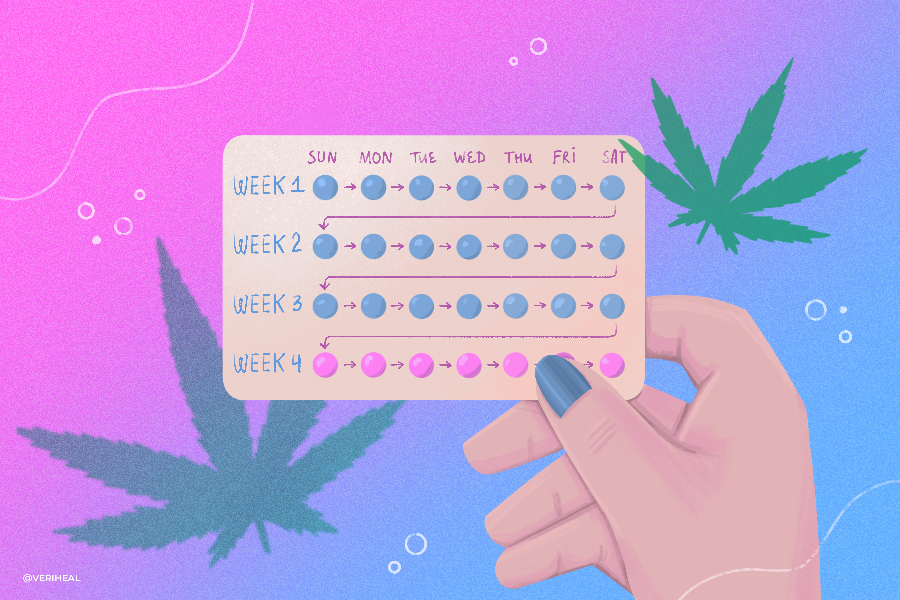
Hormonal birth control prevents pregnancy by releasing synthetic versions of estrogen and progestin into your body. These hormones stop ovulation, thicken cervical mucus to block sperm, and thin the uterine lining to prevent implantation.
Your liver processes these synthetic hormones through a system called CYP450 enzymes. This same enzyme system also metabolizes many other substances, including compounds in cannabis. When multiple substances compete for the same metabolic pathway, one can potentially interfere with how effectively the other is processed.
Different hormonal birth control methods work through varying mechanisms:
- Birth control pills: deliver daily doses of synthetic hormones through your digestive system
- Patches and rings: provide steady hormone release through skin or vaginal tissue
- Injections: offer longer-term hormone delivery every few months
- IUDs with hormones: release progestin directly into the uterus
Non-hormonal options like copper IUDs and barrier methods work differently and wouldn’t be affected by hormone-related interactions with cannabis.
How Cannabis Interacts With Hormones
Cannabis affects your body’s hormone production and processing in several ways. THC interacts with the endocannabinoid system, which plays a role in regulating reproductive hormones including estrogen and testosterone.
Research shows THC can temporarily suppress luteinizing hormone and follicle-stimulating hormone, both central to normal reproductive function. Cannabidiol (CBD) appears to have different effects, with some studies suggesting it may actually help regulate hormone balance, though more research is needed to understand these mechanisms fully.
The liver enzyme competition presents another concern. Both cannabis compounds and birth control hormones require CYP450 enzymes for metabolism. When you use cannabis regularly, these enzymes may prioritize processing THC and CBD, potentially leaving less capacity to properly metabolize contraceptive hormones.
| Compound |
Primary Hormonal Effects |
Metabolic Pathway |
| THC |
Suppresses LH and FSH, may reduce estrogen production |
CYP450 enzymes (same as birth control) |
| CBD |
May help regulate cortisol and reproductive hormones |
Different CYP450 enzymes, less competition |
The timing and method of cannabis consumption also matter. THC affects your body differently when smoked versus consumed as edibles, creating different patterns of liver enzyme engagement.
Different Cannabis Consumption Methods and Birth Control
How you consume cannabis creates different interaction profiles with hormonal birth control. Each method affects your body’s hormone processing differently, which could influence contraceptive effectiveness.
Smoking or vaping cannabis delivers THC rapidly through your lungs, bypassing initial liver metabolism. This means less immediate competition with birth control hormone processing, but the effects peak quickly and may still influence hormone regulation through the endocannabinoid system.
Edibles present a different scenario. When you consume cannabis edibles, everything passes through your liver first. This creates direct competition between THC metabolism and birth control hormone processing, potentially affecting how well your body handles contraceptive hormones during the 2-6 hour digestion window.
Consumption method considerations include:
- Smoking/vaping: rapid onset, less initial liver competition, but may affect hormone regulation
- Edibles: direct liver processing competition lasting several hours
- Tinctures: partial absorption under the tongue, remaining portion processed through liver
- Topicals: minimal systemic absorption, unlikely to affect birth control effectiveness
The frequency of use also matters. Daily cannabis consumption keeps your liver enzymes consistently engaged with processing cannabinoids, which could create ongoing competition with birth control hormone metabolism.
What Healthcare Providers Recommend
Most healthcare providers recommend discussing cannabis use openly when starting or continuing hormonal birth control. While definitive interaction data remains limited, doctors typically advise caution, especially for daily cannabis users or those consuming high-THC products.
Healthcare providers generally suggest monitoring for signs that your birth control may be less effective, such as breakthrough bleeding, mood changes, or other symptoms you didn’t experience before combining cannabis with contraceptives. They may recommend backup contraception methods if you’re a heavy cannabis user.
Your doctor needs to know about your cannabis use to provide the most appropriate contraceptive counseling. Medical marijuana patients should discuss their prescribed doses and consumption schedule, while recreational users should be honest about frequency and consumption methods.
Questions to ask your healthcare provider:
- Should I use backup contraception while using cannabis regularly?
- Are there specific birth control methods that work better with cannabis use?
- What symptoms should I watch for that might indicate reduced effectiveness?
- How long should I wait between cannabis use and taking my birth control pill?
- Does my current dosage or consumption method create higher interaction risk?
The conversation becomes especially important if you’re using cannabis to manage conditions like chronic pain or anxiety, where stopping use isn’t a simple option.
Safety Considerations and Risk Factors
Several factors increase the potential for problematic interactions between cannabis and hormonal birth control. Understanding these risk factors helps you make safer choices about combining the two substances.
Heavy cannabis use presents the highest concern. Daily consumption, especially of high-THC products, keeps your liver enzymes consistently busy processing cannabinoids. This ongoing metabolic burden could reduce your body’s capacity to properly process birth control hormones.
Smoking cannabis while on hormonal birth control creates additional cardiovascular risks. Birth control pills slightly increase blood clot risk, and smoking any substance can compound this effect. The combination may increase your risk of stroke, heart attack, or blood clots, similar to the well-documented risks of smoking tobacco while on hormonal contraceptives.
Individual factors that may increase interaction risk include:
- Liver function issues: reduced capacity to metabolize both substances effectively
- History of blood clots: smoking cannabis compounds existing cardiovascular risks from hormones
- High-dose cannabis use: daily consumption or concentrated products create more metabolic competition
- Certain medications: other drugs competing for the same liver enzymes
Age and overall health status also play roles. Younger users typically process both substances more efficiently, while older users or those with compromised liver function may experience more significant interactions.
The cannabis drug interactions extend beyond birth control, making it important to consider your complete medication profile when assessing safety.
Research Gaps and Future Studies
Current research on cannabis and birth control interactions remains severely limited due to cannabis’s federal legal status and methodological challenges in studying the combination. Most of what we understand comes from studying each substance separately rather than together.
The few studies that touch on reproductive health and cannabis have focused primarily on fertility and pregnancy outcomes, not contraceptive effectiveness. Research on cannabis and reproductive hormones has shown THC can temporarily suppress certain reproductive hormones, but how this translates to real-world birth control effectiveness remains unclear.
Federal rescheduling or legalization could accelerate research in this area significantly. Scientists need to conduct controlled studies comparing contraceptive failure rates among cannabis users versus non-users, examine different consumption methods and their metabolic impacts, and investigate whether certain birth control formulations work better for cannabis users.
Meanwhile, the medical community relies on pharmacological principles and case reports to guide recommendations. This creates a situation where healthcare providers must make cautious recommendations based on limited data, often erring on the side of additional precautions.
The research gaps mean you and your healthcare provider are working with incomplete information. This uncertainty underscores why honest communication about cannabis use and careful monitoring for changes in contraceptive effectiveness remain so important.
If you’re interested in getting your medical marijuana card to ensure access to regulated products and professional guidance, you can find a doctor today who understands both cannabis medicine and reproductive health.
Note: The content on this page is for informational purposes only and is not intended to be professional medical advice. Do not attempt to self-diagnose or prescribe treatment based on the information provided. Always consult a physician before making any decision on the treatment of a medical condition.
Note: Veriheal does not support illegally consuming therapeutic substances such as cannabis but acknowledges that it transpires because of the current illicit status, which we strive to change by advocating for research, legal access, and responsible consumption. Always consult a physician before attempting alternative therapies.
Frequently Asked Questions
Can I smoke cannabis while on birth control pills?
Limited research on possible interactions suggests concerns especially with daily use. The biggest concern is that smoking anything while on hormonal birth control increases cardiovascular risks like blood clots.
Does CBD affect birth control effectiveness?
CBD appears to use different liver enzymes than THC and may be less likely to interfere with birth control hormone processing. However, research remains limited and you should still discuss CBD use with your healthcare provider.
Should I use backup contraception if I use cannabis regularly?
Many healthcare providers recommend backup methods for heavy cannabis users, especially those consuming high-THC products daily. The interaction risk isn’t definitively established, but the precaution helps ensure reliable contraception.
How long should I wait between using cannabis and taking my birth control pill?
No specific timing guidelines exist based on current research. The metabolic competition occurs primarily in your liver over several hours, so spacing likely provides minimal benefit compared to overall usage patterns.
Are there birth control methods that work better with cannabis use?
Non-hormonal methods like copper IUDs aren’t affected by potential hormone interactions. Among hormonal methods, no specific formulations have been proven superior for cannabis users, though your doctor may have preferences based on your individual situation.
Author, Share & Comments