1-855-452-6224 (Customer Support Available 24/7)

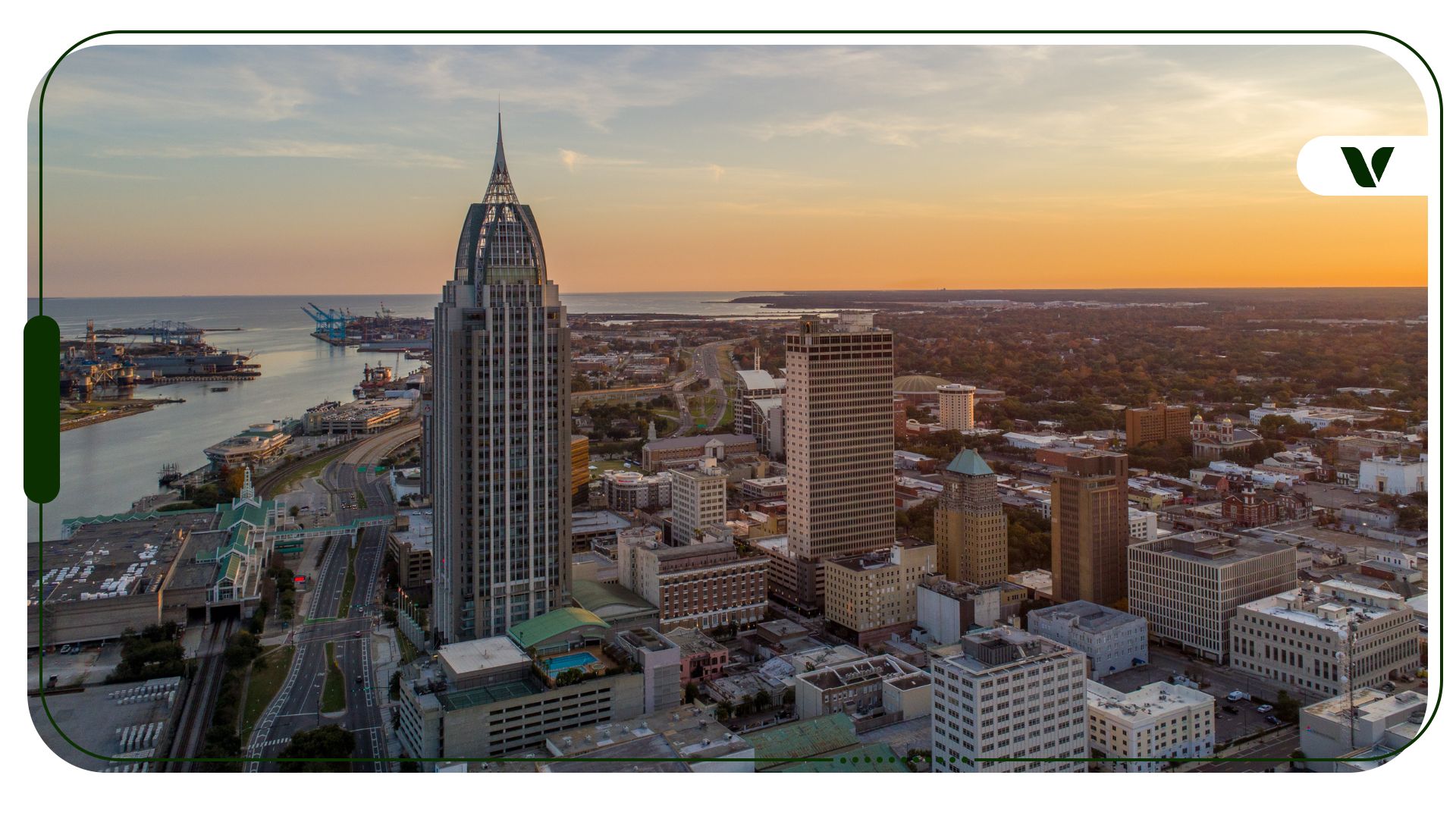
Marijuana is legal for medical use only in Alabama as of 2026, while recreational use remains illegal under state law. The Alabama Compassion Act legalized medical cannabis in 2021, establishing a regulated program for patients with qualifying conditions. Understanding the current legal landscape helps you navigate Alabama’s cannabis laws whether you’re a potential patient or simply curious about the state’s regulations.
Alabama operates under a medical-only cannabis program that became law in 2021 through the Compassion Act. Recreational marijuana remains illegal and carries criminal penalties, while medical patients with valid registry identification cards can legally possess up to 70 daily doses of medical cannabis products prescribed by licensed physicians.
The Alabama Medical Cannabis Commission (AMCC) oversees the state’s regulated program, which includes licensed cultivators, processors, transporters, and dispensaries. Medical cannabis products must contain no more than 3% THC by weight, with higher concentrations available for specific qualifying conditions under physician supervision.
| Status | Medical Cannabis | Recreational Cannabis |
| Legal Status | Legal with patient registry card | Illegal |
| Possession Limit | Up to 70 daily doses (prescribed amount) | Zero tolerance |
| Purchase Locations | Licensed dispensaries only | N/A |
| Penalties | None for registered patients | Misdemeanor or felony charges |
Patients must obtain certification from Alabama physicians registered with the AMCC program. The physician determines appropriate dosing and product types based on the patient’s qualifying condition and medical history.
Alabama’s Compassion Act specifies 16 qualifying conditions for medical cannabis treatment. These conditions range from terminal illnesses to chronic pain disorders, reflecting the state’s conservative but medically-focused approach to cannabis legalization.
The qualifying conditions include:
The AMCC reviews additional conditions annually under current qualifying condition regulations and may expand the list based on medical evidence. Patients must receive certification from Alabama physicians who have completed required medical cannabis training through the commission.
Physicians evaluate each patient individually and determine appropriate dosing, delivery methods, and THC-to-CBD ratios. The certification process includes reviewing medical records, discussing treatment history, and ensuring traditional therapies have been attempted when applicable.
Alabama’s first medical cannabis dispensaries opened in September 2023, marking a significant milestone in the state’s program implementation. As of 2026, the AMCC has licensed 37 dispensary locations across the state, with operational facilities serving patients in major metropolitan areas including Birmingham, Montgomery, Mobile, and Huntsville.
The dispensary rollout occurred in phases, with initial licenses awarded to applicants scoring highest on AMCC evaluation criteria including security plans, community impact, and business experience. Rural areas received priority consideration to ensure statewide access for qualifying patients.
Current dispensary locations by region:
| Region | Operational Dispensaries | Cities Served |
| North Alabama | 12 | Huntsville, Florence, Decatur |
| Central Alabama | 15 | Birmingham, Montgomery, Tuscaloosa |
| South Alabama | 10 | Mobile, Dothan, Auburn |
Dispensaries operate under strict AMCC regulations requiring seed-to-sale tracking, product testing, and security monitoring. Patients must present valid registry identification cards and physician certifications to purchase medical cannabis products.
The AMCC continues evaluating additional dispensary applications, with plans to increase access in underserved areas throughout 2026. All dispensaries must source products from Alabama-licensed cultivators and processors, supporting the state’s closed-loop medical cannabis system.
Alabama maintains criminal penalties for recreational cannabis possession, distribution, and cultivation despite medical legalization. Understanding these penalties helps clarify the legal boundaries for non-patients in the state.
| Possession Amount | Classification | Penalties |
| Personal use amount | Misdemeanor | Up to 1 year jail, $6,000 fine |
| More than 2.2 pounds | Felony | 1-10 years prison, up to $15,000 fine |
| Distribution/Sale | Felony | 2-20 years prison, up to $30,000 fine |
| Cultivation | Felony | 1-10 years prison, varies by plant count |
Alabama law enforcement focuses primarily on trafficking and large-scale distribution operations rather than personal possession cases. However, recreational users still face arrest and prosecution under existing statutes, with penalties varying based on amount, intent, and prior criminal history.
Medical patients remain protected from prosecution when possessing cannabis within legal limits and carrying valid registry cards. The benefits of a medical marijuana card include legal protection and access to tested, regulated products through licensed dispensaries.
Delta-8 THC products occupy a legal gray area in Alabama, with law enforcement generally treating them as hemp products under federal guidelines. However, the AMCC has indicated that synthetic cannabinoids may face future regulation under the medical cannabis framework.
Medical cannabis patients interested in understanding application requirements can learn how to get your medical marijuana card through qualified physicians in Alabama and other states where Veriheal provides services.
Getting started with medical cannabis requires working with healthcare providers who understand your medical needs and Alabama’s regulatory framework. Many patients benefit from consulting with physicians experienced in cannabis medicine, especially when managing complex conditions that qualify for treatment, and research on medical cannabis for mental health conditions shows promising results for various qualifying conditions including PTSD and depression.
If you’re considering medical cannabis treatment, speaking with a qualified physician can help you understand whether your condition qualifies under Alabama law. Getting proper medical guidance ensures you receive appropriate dosing and product recommendations while staying compliant with state regulations.
Note: The content on this page is for informational purposes only and is not intended to be professional medical advice. Do not attempt to self-diagnose or prescribe treatment based on the information provided. Always consult a physician before making any decision on the treatment of a medical condition.
Note: Veriheal does not support illegally consuming therapeutic substances such as cannabis but acknowledges that it transpires because of the current illicit status, which we strive to change by advocating for research, legal access, and responsible consumption. Always consult a physician before attempting alternative therapies.
Find a qualified medical marijuana doctor who can evaluate your condition and guide you through Alabama’s medical cannabis program.
Recreational marijuana possession remains illegal in Alabama and carries criminal penalties including potential jail time and fines. Medical cannabis patients with valid registry cards can legally possess prescribed amounts from licensed dispensaries.
Yes, Alabama has 37 licensed medical cannabis dispensaries operating statewide as of 2026. These dispensaries serve registered medical patients with qualifying conditions and valid physician certifications.
Possessing more than 2.2 pounds of marijuana constitutes a felony in Alabama. Smaller amounts are typically charged as misdemeanors, though penalties still include potential jail time and significant fines.
Delta-8 THC products exist in a legal gray area in Alabama, generally treated as hemp products under federal law. However, the Alabama Medical Cannabis Commission may regulate synthetic cannabinoids in the future.
Yes, patients with qualifying conditions can obtain medical cannabis registry cards through certified Alabama physicians. The process requires medical evaluation, physician certification, and registration with the Alabama Medical Cannabis Commission.
Sign up for our newsletter
Learn the process in your state
All Rights Reserved Veriheal Inc. ©
Terms Privacy Policy Advertising Agreement Content Disclamer

Get your medical marijuana card today
Sign up in under 5 minutes
Start By Selecting Your State
 Alabama
Alaska
Arizona
Arkansas
California
Colorado
Connecticut
Delaware
Florida
Georgia
Hawaii
Idaho
Illinois
Indiana
Iowa
Kansas
Kentucky
Louisiana
Maine
Maryland
Massachusetts
Michigan
Minnesota
Mississippi
Missouri
Montana
Nebraska
Nevada
New Hampshire
New Jersey
New Mexico
New York
North Carolina
North Dakota
Ohio
Oklahoma
Oregon
Pennsylvania
Rhode Island
South Carolina
South Dakota
Tennessee
Texas
Utah
Vermont
Virginia
Washington
West Virginia
Wisconsin
Wyoming
Puerto Rico
Alabama
Alaska
Arizona
Arkansas
California
Colorado
Connecticut
Delaware
Florida
Georgia
Hawaii
Idaho
Illinois
Indiana
Iowa
Kansas
Kentucky
Louisiana
Maine
Maryland
Massachusetts
Michigan
Minnesota
Mississippi
Missouri
Montana
Nebraska
Nevada
New Hampshire
New Jersey
New Mexico
New York
North Carolina
North Dakota
Ohio
Oklahoma
Oregon
Pennsylvania
Rhode Island
South Carolina
South Dakota
Tennessee
Texas
Utah
Vermont
Virginia
Washington
West Virginia
Wisconsin
Wyoming
Puerto Rico
