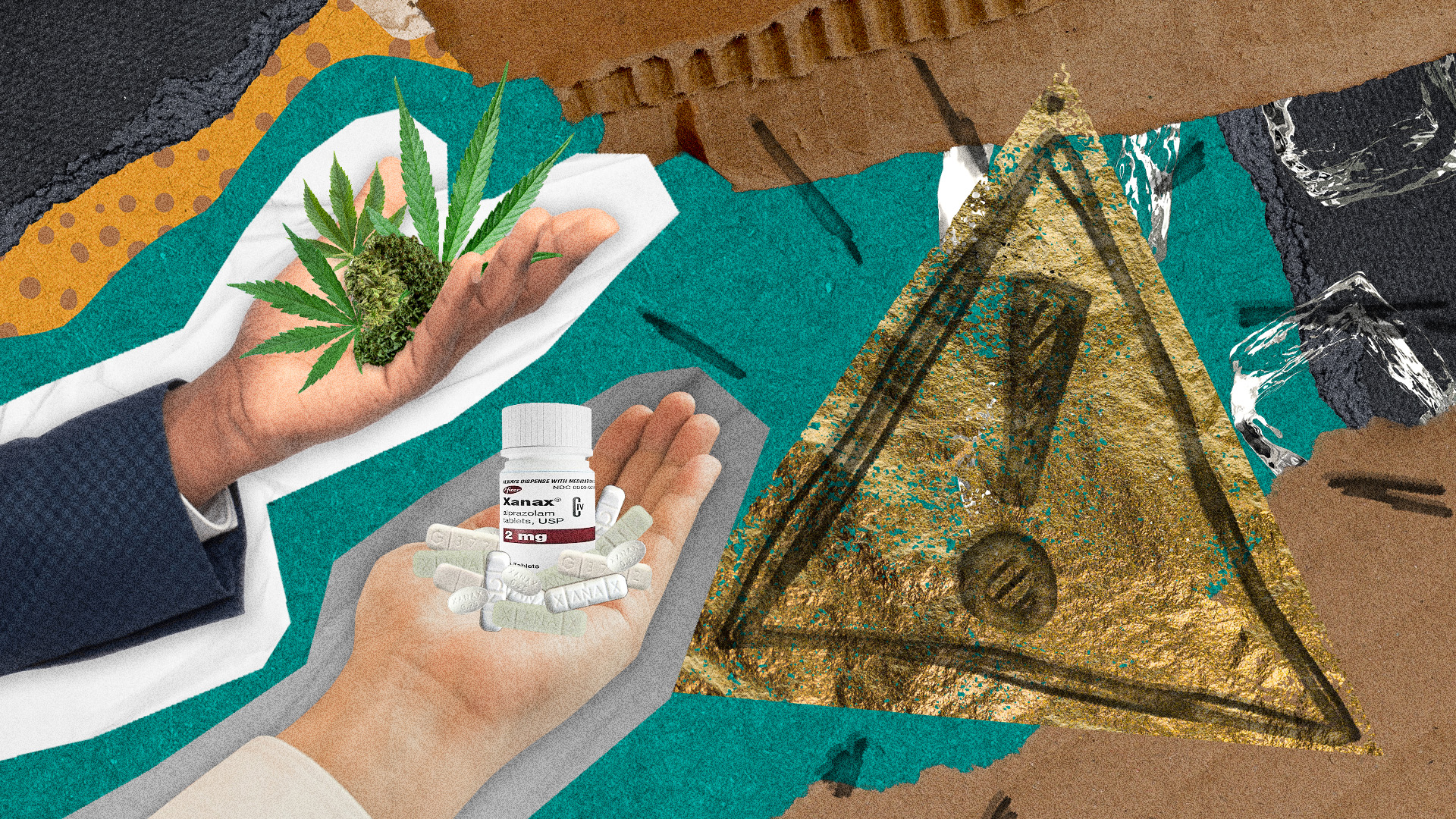
Mixing Xanax and weed significantly increases the risk of dangerous side effects including severe sedation, respiratory depression, and overdose. Both substances are central nervous system depressants that amplify each other’s effects in unpredictable ways, creating serious safety concerns even at low doses.
What Happens When You Mix Xanax and Weed?
When you combine Xanax (alprazolam) and cannabis, both substances target your central nervous system and compound each other’s depressant effects. This interaction occurs because both drugs slow down brain activity, but through different mechanisms that overlap dangerously.
Xanax enhances the calming effect of GABA neurotransmitters in your brain, while THC activates cannabinoid receptors that also influence GABA activity. When used together, these effects don’t simply add up; they multiply, creating sedation and impaired judgment that can become life-threatening quickly.
Even small amounts of each substance can produce unexpectedly strong reactions when combined. What might feel like a manageable dose of either substance alone becomes dangerous when mixed, as your body processes both drugs simultaneously and struggles to maintain normal breathing and heart function.
Why Mixing Xanax and Weed Is Dangerous
The combination of Xanax and cannabis creates a polysubstance abuse scenario that emergency rooms see regularly. Both substances are central nervous system depressants, meaning they slow down vital functions including breathing, heart rate, and cognitive processing.
This interaction significantly increases your risk of overdose because the depressant effects compound unpredictably. While cannabis alone rarely causes fatal overdose, adding benzodiazepines like Xanax changes the risk profile entirely, as respiratory depression becomes a real threat.
The unpredictability factor makes this combination particularly dangerous. Your tolerance to one substance doesn’t protect you from the amplified effects when both are present, and higher doses of either compound can push the interaction into life-threatening territory without warning.
Serious Side Effects of Mixing Xanax and Weed
The side effects of combining these substances range from uncomfortable to potentially fatal. Understanding these risks helps you recognize dangerous situations before they escalate to medical emergencies.
Physical symptoms develop quickly and can worsen without warning. Mental health effects often persist longer than expected, as both substances affect neurotransmitter systems involved in mood regulation and anxiety processing.
The severity of side effects depends on dosage, frequency of use, individual tolerance, and whether alcohol or other substances are involved. However, even first-time combinations can produce serious reactions.
Enhanced Sedation and Drowsiness
The sedating effects of both Xanax and cannabis multiply when combined, producing severe drowsiness that goes beyond normal tiredness. This enhanced sedation can progress to dangerous levels where you struggle to stay conscious or respond to external stimuli.
Your reaction time becomes severely impaired, making activities like driving or operating machinery extremely dangerous. The sedation often lasts longer than expected, as your body processes both substances simultaneously, extending their combined effects well beyond what either would produce alone.
Impaired Cognitive Functions
Cognitive impairment from this combination affects memory formation, decision-making, and problem-solving abilities more severely than either substance alone. You may experience significant memory gaps or blackouts where you cannot recall events that occurred while under the influence.
Concentration becomes nearly impossible, and your ability to process information or make sound judgments deteriorates rapidly. This cognitive impairment can persist for hours after the initial effects seem to wear off, as both substances continue affecting brain function.
Respiratory Depression
Respiratory depression represents the most serious physical risk of combining Xanax and cannabis. Both substances can slow your breathing rate, and their combined effect may reduce oxygen intake to dangerous levels.
This condition develops gradually but can become life-threatening respiratory depression in polysubstance cases without immediate medical intervention. Signs include shallow breathing, blue lips or fingernails, and difficulty staying awake.
Paradoxical Effects: Increased Anxiety and Panic
Despite both substances typically having calming effects individually, their combination can trigger paradoxical reactions including severe anxiety, panic attacks, and paranoia. This occurs because the interaction disrupts normal neurotransmitter balance in unexpected ways.
Cannabis can sometimes increase anxiety even when used alone, and adding Xanax doesn’t necessarily prevent this reaction. Instead, the combination may create a confused mental state where anxiety symptoms feel more intense and harder to manage than usual.
These paradoxical effects of substance combinations often surprise users who expect enhanced relaxation, but the unpredictable nature of the interaction means anxiety and panic can emerge even in experienced users of both substances.
Signs of Dangerous Reactions
Recognizing emergency warning signs can be lifesaving when someone has mixed Xanax and weed. These symptoms indicate that the central nervous system depression has reached dangerous levels requiring immediate medical attention.
Physical warning signs that require emergency care include:
- Extreme drowsiness where the person cannot stay awake or respond to loud noises or physical contact
- Difficulty breathing, including slow, shallow breaths or periods where breathing stops briefly
- Blue or gray coloring around lips, fingernails, or face indicating oxygen deprivation
- Severe confusion or disorientation where the person cannot remember basic information
- Loss of coordination so severe that standing or walking becomes impossible
- Memory blackouts where the person cannot form new memories or recall recent events
Call 911 immediately if someone experiences difficulty breathing, loses consciousness, or shows signs of respiratory distress. Do not attempt to “sleep it off” or wait for symptoms to improve on their own, as respiratory depression can worsen quickly and become fatal.
Polysubstance Abuse and Addiction Risk
Regularly mixing Xanax and cannabis often signals underlying substance use disorders and significantly increases your risk of developing addiction to both substances. This pattern, known as polysubstance abuse, creates more complex dependency issues than using either substance alone.
When you use these substances together repeatedly, your tolerance to both increases faster than it would with single-substance use. This means you need higher doses more frequently to achieve the same effects, accelerating the path toward physical and psychological dependence.
The addiction cycle becomes more complicated because withdrawal from either substance can trigger increased use of the other. Stopping Xanax may lead to anxiety that feels manageable only with cannabis, while reducing cannabis use might increase reliance on Xanax for calming effects.
Professional addiction treatment becomes essential for breaking polysubstance abuse patterns. Treatment programs specifically designed for multiple substance dependencies offer the best outcomes, as they address the complex interactions between substances and underlying mental health issues. If you recognize these patterns in your own use, evidence-based addiction treatment approaches can provide the support needed for recovery.
Resources for getting help include:
- Contact SAMHSA’s National Helpline at 1-800-662-4357 for confidential treatment referrals
- Speak with your healthcare provider about medically supervised detox programs
- Look into outpatient counseling that specializes in polysubstance abuse treatment
- Consider inpatient programs if you’ve tried to quit multiple times without success
What About CBD and Xanax?
CBD presents a different interaction profile than THC when combined with Xanax, but caution remains necessary. Unlike THC, CBD doesn’t produce intoxicating effects and may actually counteract some anxiety-inducing properties of other cannabis compounds.
However, CBD can affect how your liver processes Xanax by influencing cytochrome P450 enzymes responsible for drug metabolism. This interaction potentially increases Xanax levels in your bloodstream, extending its effects and increasing the risk of sedation even without the psychoactive component of THC.
Current research on CBD-benzodiazepine interactions remains limited, making it difficult to predict safe dosing combinations. The FDA has not established guidelines for using CBD alongside prescription medications like alprazolam, and individual responses vary significantly based on factors including liver function, other medications, and overall health status.
Always consult your healthcare provider before combining CBD products with any benzodiazepine medication. They can assess your specific situation and monitor for potential interactions that might require dosage adjustments or alternative treatment approaches.
Safe Alternatives to Mixing Xanax and Weed
Managing anxiety and stress without combining substances requires developing alternative strategies that address underlying mental health needs. These approaches often prove more effective long-term than relying on substance combinations that carry significant risks.
Professional medical guidance remains essential for anyone currently using both substances. Healthcare providers can help create tapering schedules that reduce dependency safely while introducing evidence-based alternatives for anxiety management.
Non-pharmacological options include cognitive-behavioral therapy, mindfulness meditation, regular exercise, and stress reduction techniques. These approaches address anxiety at its source rather than masking symptoms temporarily with substances that create additional health risks.
If you’re currently taking Xanax as prescribed, discuss concerns about cannabis use openly with your prescribing physician. They may recommend medications to avoid mixing with cannabis or suggest alternative anxiety treatments that don’t carry interaction risks.
For those using cannabis therapeutically, consider working with a cannabis-informed healthcare provider who can recommend strains or products less likely to interact problematically with existing medications. Understanding mixing cannabis with pharmaceuticals helps you make informed decisions about your treatment approach.
Similar safety concerns apply to combining cannabis with other benzodiazepines. If you’re considering cannabis and klonopin or wondering whether it’s safe to mix weed with blood thinners, the same principles of consulting healthcare providers and avoiding polysubstance combinations apply.
Ready to explore medical cannabis as a legal alternative for anxiety management? Connect with a qualified healthcare provider who can assess whether cannabis might be appropriate for your specific situation and help you navigate treatment options that prioritize your safety.
Note: The content on this page is for informational purposes only and is not intended to be professional medical advice. Do not attempt to self-diagnose or prescribe treatment based on the information provided. Always consult a physician before making any decision on the treatment of a medical condition.
Note: Veriheal does not support illegally consuming therapeutic substances such as cannabis but acknowledges that it transpires because of the current illicit status, which we strive to change by advocating for research, legal access, and responsible consumption. Always consult a physician before attempting alternative therapies.
Frequently Asked Questions
How long should you wait between taking Xanax and smoking weed?
There is no safe waiting period between taking Xanax and using cannabis that eliminates interaction risks. Xanax remains active in your system for 12-24 hours, and combining it with cannabis at any point during this window can still produce dangerous effects. The safest approach is to avoid combining these substances entirely.
Can mixing Xanax and weed cause overdose?
Yes, mixing Xanax and cannabis significantly increases overdose risk compared to using either substance alone. While cannabis rarely causes fatal overdose by itself, adding benzodiazepines creates respiratory depression that can become life-threatening. Emergency rooms regularly treat patients for complications from this specific combination.
What should I do if someone has mixed Xanax and weed and seems unresponsive?
Call 911 immediately if someone appears unresponsive after mixing these substances. Check for breathing and pulse, and be prepared to provide rescue breathing if trained to do so. Do not leave the person alone, and provide clear information to emergency responders about what substances were consumed and when.
Does using CBD instead of THC make it safer to combine with Xanax?
CBD may have a different interaction profile than THC, but it can still affect how your liver processes Xanax, potentially increasing its concentration in your bloodstream. Current research is insufficient to establish safe dosing guidelines for this combination. Always consult your healthcare provider before combining any cannabis products with prescription medications.
Can you become addicted to the combination of Xanax and weed?
Yes, regularly combining these substances increases addiction risk for both drugs and can lead to polysubstance abuse patterns that are more difficult to treat than single-substance dependencies. The combination often accelerates tolerance development and creates complex withdrawal challenges that require professional treatment intervention.
Author, Share & Comments