Your medical cannabis journey simplified: find partnered dispensaries, explore pricing options, earn rewards, and get answers to FAQs, all in one spot.
Cannabis access has expanded significantly in recent decades. Many states with medical programs have recently adopted recreational legislation allowing anyone 21 years and older to access the plant. This expanded access may leave you wondering if you should bother getting a medical card when you can just purchase cannabis from a recreational store.
What is the difference between medical and recreational cannabis?
Medical and recreational cannabis products are generally the same in quality, but with different rules surrounding them. Medical cannabis is sometimes available in higher potencies, providing patients with more cannabidiol (CBD), tetrahydrocannabinol (THC), terpenes, and other therapeutic compounds.
For people in states without recreational cannabis access, the only legal way to access the plant is with a medical marijuana card. Nearly all 50 states, except for South Carolina, Kansas, Wyoming, and Idaho–have some form of a medical cannabis program. Qualifying conditions for a medical marijuana card vary from state to state, though.
Pros and Cons of Medical Cannabis Cards In Recreational States
Even though cannabis is more accessible in states that have adopted recreational programs, new and existing patients may find maintaining their status as medical cannabis users to be beneficial.
Pros of Using a Medical Cannabis Card
A medical cannabis card can save you money. After all, legal cannabis isn’t cheap. Recreational consumers are subject to several tax tiers and typically pay an additional 10-30% when purchasing legal cannabis. Medical cannabis users are generally exempt from excise taxes, which can significantly reduce the final price tag.
Medical cannabis cardholders have more purchasing options and freedom, too. States with recreational cannabis put strict limits on purchasing quantities. Medical users can typically take home more cannabis per visit than recreational users because they may require more to manage their conditions. This benefit extends to high-potency products as well–medical users may have more options for high-potency products to manage their conditions.
States that don’t allow recreational cultivation often allow medical users to grow their own medicine. This can be a game-changer for those with limited access to local dispensaries.
See If You Qualify For Medical Marijuana -Select Your State!
Select Your State
Alabama
Alaska
Arizona
Arkansas
California
Colorado
Connecticut
Delaware
Florida
Georgia
Hawaii
Idaho
Illinois
Indiana
Iowa
Kansas
Kentucky
Louisiana
Maine
Maryland
Massachusetts
Michigan
Minnesota
Mississippi
Missouri
Montana
Nebraska
Nevada
New Hampshire
New Jersey
New Mexico
New York
North Carolina
North Dakota
Ohio
Oklahoma
Oregon
Pennsylvania
Rhode Island
South Carolina
South Dakota
Tennessee
Texas
Utah
Vermont
Virginia
Washington
West Virginia
Wisconsin
Wyoming
Never miss a post
Get updates on cannabis culture, new research, and expert insights
Patients may also have more legal protections with a medical card. Some states have laws to protect medical cannabis cardholders. For example, Arkansas law says, “An employer shall not discriminate against an applicant or employee in hiring, termination, or any term or condition of employment, or otherwise penalize an applicant or employee, based upon the applicant’s or employee’s past or present status as a qualifying patient or designated caregiver.”
Some dispensaries offer priority access for medical cannabis patients. This can mean shorter lines, special entrance points, or staff specifically meant to help medical patients. In high-demand times or inventory shortages, many dispensaries will set aside a priority stash solely for medical patients who need to access their products.
Age restrictions are lower for medical cannabis cardholders. Those with qualifying conditions can access cannabis before the age of 21 to help manage their health. Most medical programs allow young patients to access cannabis when necessary. Some young patients may also access the plant with the help of an established caregiver.
Medical cannabis cardholder status also allows patients access to exclusive medical-only retail stores and may provide more protections for those traveling out of state.
The Gun Control Act of 1968 prohibits anyone who uses controlled substances from owning firearms. As such, many states do not allow medical cannabis cardholders to own firearms and ammunition. While several states have enacted laws to protect medical patients and their right to own firearms, these state protections do not override federal law.
Government workers with medical cannabis cards are still subject to drug tests. Regardless of whether you have a state-issued medical card, testing positive for cannabis can result in termination. Even though states like Washington have protections for workers who lawfully consume cannabis, these protections, once again, do not override federal law.
Most medical cannabis programs require card renewals each year. The cost to renew typically pays for itself in savings throughout the year, but it still can pose a financial burden. Plus, the process of renewal can be a hassle in itself, especially if you need to visit a healthcare professional to get signed off for another year of use.
Should I Get a Medical Card In a Recreational State?
Whether you decide to get a medical cannabis card in a recreational state comes down to personal needs and preferences. Some people find that the cost and hassle of card renewal are not worth the headache every year, while others who need large amounts of cannabis for medical conditions may find the benefits worth it.
Of course, if you’re in a recreational state and do not have a qualifying condition, there is no need to seek out a medical cannabis card. However, if you’re considering getting a medical card in a recreational state, it’s worth looking into the potential savings and benefits. Each state has its own list of qualifying conditions, so it’s crucial to check your state’s specific requirements.
Your healthcare team may play a role in your decision to get a medical card in a recreational state, too. If you are comfortable with your doctor and have access to regular medical appointments, obtaining a medical card may be a simple task. But if you do not have good health coverage or feel comfortable with your doctor, you can still access recreational cannabis in states with legal programs. You will not have access to medical cannabis consultants, however.
Macey is a freelance writer from Seattle. She's covered the cannabis industry extensively, emphasizing the economic opportunities for Indigenous entrepreneurs. Her writing focuses on the people, stories, and labors of love behind every venture.
Oklahoma’s advertised $25 medical marijuana card renewal covers the physician evaluation, but patients must also pay a separate OMMA license fee. This guide explains the full renewal cost, reduced-fee eligibility, required documents, online renewal steps, processing times, and the new physician recommendation requirement.
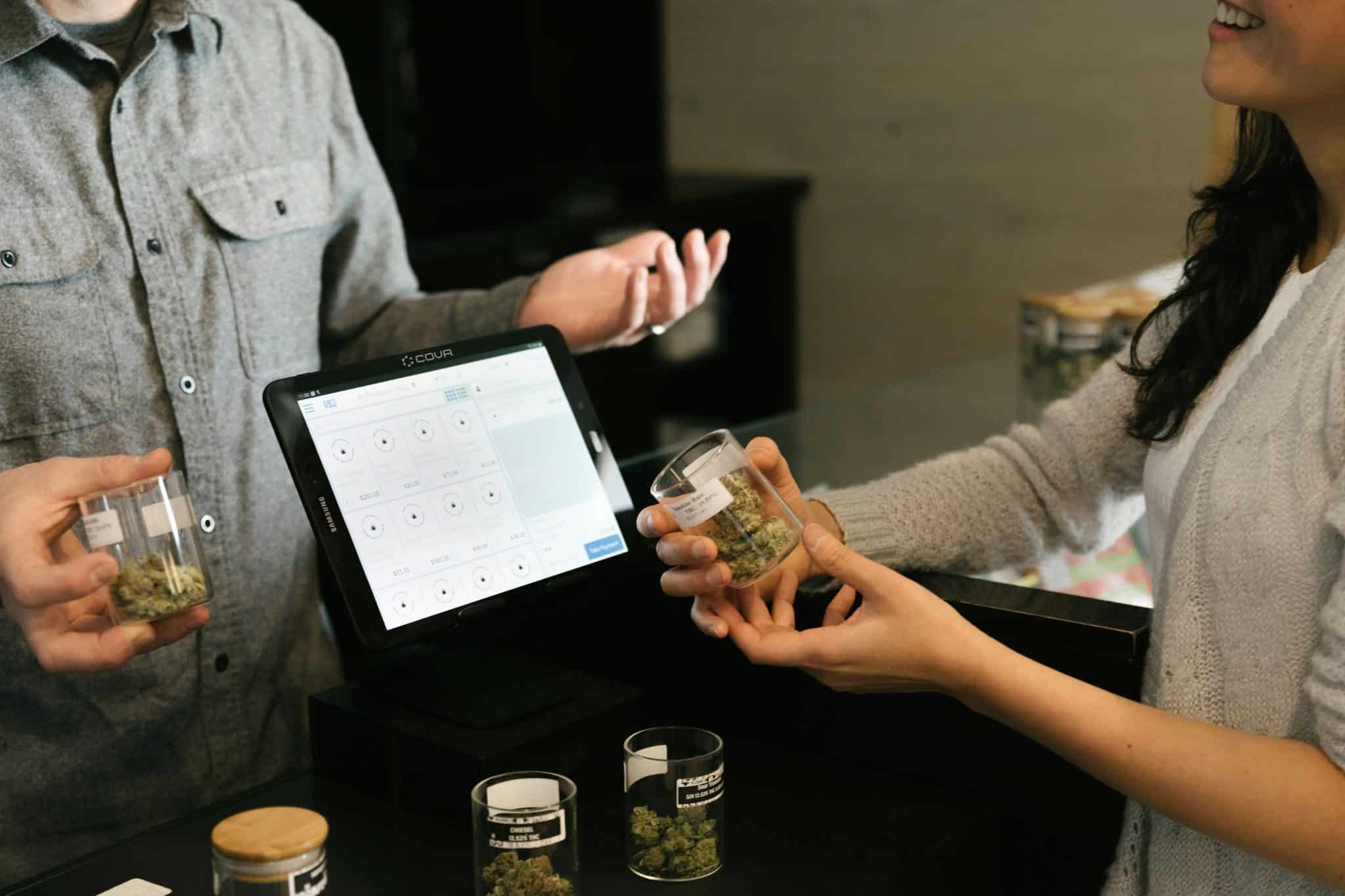
Oklahoma’s medical-only dispensary market gives licensed patients access to a wide range of cannabis products, but every purchase must follow OMMA rules. This guide explains how to find licensed dispensaries, what identification to bring, purchase and possession limits, product testing, pricing, and what to expect during a visit.
An Oklahoma medical marijuana card provides legal protection under state law, but it can still affect employment, commercial driving, firearms, privacy, and federally regulated situations. This guide explains the main consequences to consider before applying, including workplace drug testing, CDL rules, insurance, housing, and registry privacy.
Getting a medical marijuana card in Oklahoma can be completed online, with no specific qualifying condition required for adult applicants. This guide covers eligibility, telehealth evaluations, required documents, OMMA application steps, fees, processing times, and what patients can do once approved.
A same-day telehealth appointment in Oklahoma can get you a physician recommendation quickly, but OMMA still needs to process your medical marijuana license application. This guide explains the timeline, required documents, costs, and when you can legally visit a dispensary while waiting for the physical card.
The statements made regarding cannabis products on this website have not been evaluated by the Food and Drug Administration (FDA). Cannabis is not an FDA-approved substance and is still illegal under federal law. The information provided on this website is intended for educational purposes only and is not intended to diagnose, treat, cure, or prevent any disease. It is not intended as medical advice and should not be considered as a substitute for advice from a healthcare professional. We strongly recommend that you consult with a physician or other qualified healthcare provider before using any cannabis products. The use of any information provided on this website is solely at your own risk.