1-855-452-6224 (Customer Support Available 24/7)



On a recent trip to New Orleans, in a state that currently lacks legal recreational cannabis, I spotted them – THC-infused drinks prominently displayed in a smoke shop window. During a visit to Chicago, cannabis beverages were offered to me at bars as an alternative to alcohol. At home in Denver, CBD and hemp drinks are sold everywhere from dispensaries to convenience stores and bars.
As alcohol consumption reaches record lows in the United States, people are seeking other options for relaxation and fun without the negative health impacts associated with drinking. Gen Z, in particular, is less interested in drinking than any other generation before them. And with cannabis use currently hitting all-time highs, is it possible THC could replace alcohol as our weekend go-to drink?
The demand for these beverages is certainly growing, but our access to them is still unequal – even in states with legal weed. As cannabis drinks take off throughout the States, we are now left with a couple of essential questions: are they truly healthier than alcohol, and when will everyone be able to buy them?
Cannabis beverages are any drink infused with compounds from the cannabis plant, such as delta-9 tetrahydrocannabinol (THC) or cannabidiol (CBD).
These beverages took off shortly after the signing of the 2018 Farm Bill, which contained a loophole allowing for the sale of hemp-derived products if they contained less than 0.3% THC by dry weight. As it turned out, 0.3% is plenty strong enough to cause psychoactive effects – and these items could even be sold in states without legal weed programs.
There are two main types of cannabis beverages: those with CBD and those with THC. CBD is non-psychoactive and often derived from hemp, so it’s good for relaxing without the mind-altering high. Alternatively, THC-infused drinks are psychoactive, much like a cannabis edible from the dispensary.
Weed drinks are possible thanks to a relatively new technology known as nanoemulsification, which has two main goals. Emulsification allows cannabinoid particles to bind with water, and breaking them down further into tiny nanoparticles helps them to be absorbed by the body much faster.
Cannabis beverages can contain anywhere from 2 to 100 milligrams of THC or CBD, but the average hovers around 5 to 10 mg – a fairly standard serving for an edible. Some drinks contain both CBD and THC for a more balanced high.
Since you sip on a drink rather than ingesting it all at once, they also tend to be less intense than food-based infusions, with the peak spread out over a longer period of time.
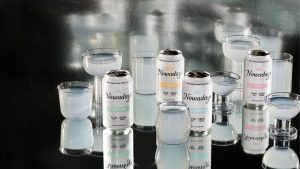
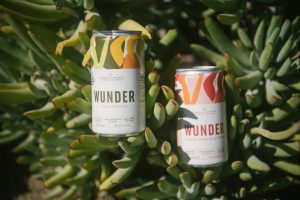
Cannabis beverages are experiencing a significant surge in popularity across the country. There are an estimated 500 to 750 different brands offering the drinks, ranging from small local companies to nationally distributed labels.
As the brands have grown, so too have the varieties. You can find lemonades, mock beers, seltzers, teas, sodas, syrups, juices, and everything in between in countless flavors. Many bars are starting to show off their creativity with these options, crafting all sorts of traditional mocktails and personalized mixed drinks for patrons.
The best part? Consumers are loving it. Circle K is on track to start selling cannabis beverages in all of its stores within the next year, and Target is eyeing a similar move. Total Wine already offers them in a growing number of locations.
The actual legality of these products, however, can get a bit murky. When it comes to state-by-state allowances, there are a lot of restrictions to sift through. Cannabis-derived drinks are currently legal in the 24 states with recreational cannabis, but the rules aren’t one-size-fits-all. The beverages are also legal in a few states that don’t have cannabis programs, making it that much more confusing.
To help, we’ve put together a list of places where cannabis beverages are legal. It’s important to remember that these laws are changing rapidly, so always double-check your local restrictions.
| State | Cannabis-derived beverages | Notes | Hemp-derived THC/CBD beverages | Notes |
| Alabama | Medical only | No adult-use market. | Allowed with restrictions | A 2025 law restricted many hemp ingestibles: potency limits (e.g., 10mg/serving, 40mg/container) |
| Alaska | Yes (adult-use) | Adult-use legalized; regulated commercial sales. | Allowed with restrictions | Hemp beverages may be sold under state hemp rules; potency/packaging rules apply. |
| Arizona | Yes (adult-use) | Licensed adult-use market in operation. | Allowed | State guidance and enforcement are targeting some intoxicating hemp products. |
| Arkansas | Medical only | Medical program; no adult-use commercial sales. | Varies | A state hemp program exists; edible and beverage rules vary. |
| California | Yes (adult-use) | Cannabis beverages are allowed only through licensed cannabis channels. | Allowed with restrictions | California restricts THC-containing hemp beverages outside of the licensed cannabis industry. |
| Colorado | Yes (adult-use) | Regulated market; cannabis beverages sold via licensed retailers. | Allowed with restrictions | Hemp beverages are allowed subject to potency, labeling, and testing rules. |
| Connecticut | Yes (adult-use) | Adult-use program with licensed sales; infused beverages sold via the cannabis market. | Allowed with restrictions | Recent 2025 actions clarified low-dose hemp beverage rules and licensing. |
| Delaware | Yes (adult-use) | Recently legalized adult-use; implementation in progress. | Allowed | Regulatory framework still being finalized. |
| Florida | Medical only | Medical program (no adult-use market yet). | Allowed with restrictions | Hemp products are widely sold; some THC-containing drinks face regulatory backlash. |
| Georgia | Medical only | Medical expansion, but no adult-use market. | Allowed with restrictions | Lawmakers have proposed bans or restrictions on delta-THC beverages. |
| Hawaii | Medical only | Medical cannabis program; no licensed adult-use market. | Varies | Hemp product regulation is evolving. |
| Idaho | Medical CBD only | Marijuana remains illegal; no medical/adult use program. | Illegal | Idaho enforces strict hemp/cannabinoid limits; many intoxicants are banned. |
| Illinois | Yes (adult-use) | Licensed adult-use market; cannabis beverages sold via cannabis retailers. | Allowed with restrictions | Hemp beverage rules limit intoxicants and set labeling and testing requirements. |
| Indiana | Medical CBD only | No adult-use market; limited medical CBD program. | Allowed with restrictions | Regulation of newer hemp cannabinoids is evolving. |
| Iowa | Medical CBD/ limited | No adult-use; recent hemp beverage legislation activity. | Allowed with restrictions | 2025 activity added limits and labeling requirements in some jurisdictions. |
| Kansas | Medical CBD only | No adult-use; limited medical CBD laws. | Illegal | Hemp law changes are ongoing. |
| Kentucky | Medical only | No adult-use. | Allowed with restrictions | Kentucky passed hemp beverage-related legislation in 2025. |
| Louisiana | Medical only | Medical program; no adult-use commerce. | Allowed with restrictions | Some restrictions on intoxicating hemp cannabinoids; labeling and testing required. |
| Maine | Yes (adult-use) | Licensed adult-use market; beverages permitted via the cannabis market. | Allowed | Hemp beverages allowed, subject to state hemp rules and potency limits. |
| Maryland | Yes (adult-use) | Adult-use legalized; implementation ongoing. | Allowed | 2025 legislation clarified hemp beverage rules and low-dose allowances. |
| Massachusetts | Yes (adult-use) | Cannabis market active; restrictions on hemp beverages outside the cannabis industry. | Illegal | Massachusetts restricts the sale of THC-containing hemp beverages outside of dispensaries. |
| Michigan | Yes (adult-use) | Large regulated market with cannabis beverages via dispensaries. | Allowed | Hemp beverage rules in flux; potency and labeling requirements apply. |
| Minnesota | Yes (adult-use) | Adult-use legalized; state allows certain hemp-THC beverages with limits. | Allowed with potency limits | State-level container or serving limits and labeling requirements apply. |
| Mississippi | Medical only | Medical cannabis program; no adult-use. | Varies | Hemp product rules evolving; retail restrictions possible. |
| Missouri | Yes (adult-use) | Adult-use legalized; commercial sales allowed. | Allowed | Hemp beverages are permitted with some state rules. |
| Montana | Yes (adult-use) | Licensed adult-use market; infused beverages allowed under cannabis rules. | Allowed | Hemp beverages are allowed under specific hemp law provisions. |
| Nebraska | Medical only | Medical program in development; no adult-use. | Illegal | Hemp regulations evolving; check for state updates. |
| Nevada | Yes (adult-use) | Robust cannabis market; beverages sold via licensed dispensaries. | Allowed with restrictions | Hemp beverages are more regulated and differ from the cannabis market rules. |
| New Hampshire | Medical only | No adult-use commercial market. | Allowed with restrictions | Hemp product rules are evolving and jurisdiction-specific. |
| New Jersey | Yes (adult-use) | Licensed adult-use market with cannabis beverages in the cannabis market. | Restricted | Hemp beverage sales are restricted outside the licensed cannabis market. |
| New Mexico | Yes (adult-use) | Regulated adult-use market; infused beverages sold at dispensaries. | Allowed | Hemp beverage rules present; licensing and potency considerations apply. |
| New York | Yes (adult-use) | Licensed adult-use market; beverages are sold via regulated cannabis retailers. | Allowed with restrictions | Hemp beverages containing THC are restricted outside cannabis market channels. |
| North Carolina | Medical CBD only | No adult-use market. | Allowed with restrictions | North Carolina restricts THC in hemp products; rules vary. |
| North Dakota | Medical only | No adult-use commercial market. | Varies | Hemp rules are evolving; some local restrictions. |
| Ohio | Yes (adult-use) | Adult-use legalized (implementation ongoing as of 2025). | Varies | The state is implementing rules for hemp and cannabis beverages. |
| Oklahoma | Medical only | Medical program (no adult-use). | Allowed | Hemp products are widely available; some state restrictions on intoxicants apply. |
| Oregon | Yes (adult-use) | Longstanding adult-use market; cannabis beverages available via dispensaries. | Allowed with restrictions | Oregon actively regulates hemp products and intoxicating hemp cannabinoids. |
| Pennsylvania | Medical only | Adult-use is debated but not fully implemented. | Varies | Hemp beverage rules are evolving; legislative action in 2025 impacted product rules. |
| Rhode Island | Yes (adult-use) | Adult-use legalized; commercial framework active. | Allowed with restrictions | Hemp beverages are regulated with potency and retail restrictions. |
| South Carolina | Medical CBD only | No adult-use market. | Varies | South Carolina enforces strict limits on intoxicating hemp cannabinoids. |
| South Dakota | Medical only | Adult-use measures have had mixed outcomes. | Varies | Hemp beverage rules are currently in flux. |
| Tennessee | Medical CBD only | No adult-use market. | Allowed with restrictions | Tennessee restricts many hemp-derived intoxicants and enforces potency limits. |
| Texas | Medical only (limited) | No adult-use market. | Allowed with restrictions | Texas has recently taken restrictive actions on many hemp ingestibles. |
| Utah | Medical only (limited) | Medical cannabis program; no adult-use market. | Illegal | The state recently banned the sale of ingestible hemp-derived cannabinoids. |
| Vermont | Yes (adult-use) | Adult-use legalized; commercial sales operational. | Allowed | Hemp beverages are allowed in with potency and labeling rules. |
| Virginia | Legal to possess but commercial sales limited | Possession legal; retail framework and implementation nuances remain. | Allowed | Retail frameworks and hemp beverage rules are specific and evolving. |
| Washington | Yes (adult-use) | Longstanding regulated market; cannabis beverages sold via licensed retailers. | Allowed | Hemp beverages are regulated with potency and labeling constraints. |
| West Virginia | Medical only | Medical program; no adult-use. | Allowed | Hemp product rules are evolving. |
| Wisconsin | Medical CBD only | No full medical/adult-use market (limited programs). | Allowed | Hemp-derived products are sold in some channels; regulatory status varies. |
| Wyoming | Medical CBD only | Marijuana illegal for general use; limited hemp/medical CBD. | Allowed with restrictions | Wyoming enforces strict hemp THC limits; many intoxicants are restricted. |
| Puerto Rico | Medical only | Medical cannabis program active; recreational use remains illegal. | Varies | Puerto Rico has tightened hemp labeling and THC limits in 2025; enforcement activity is increasing. |
READ: Cannabis Drinks: What’s With All the Hype About Cannabis-Infused Beverages?
Perhaps now you’ve discovered that cannabis drinks are available in your state, and you’re ready to give one a try. But are they truly healthier than alcohol, or is that just a marketing gimmick?
Since they’re so new, there’s not much science to back up a clear answer just yet. But we have studied the impacts of cannabis and hemp on the body and mind, which gives us an idea of the effects of weed drinks.
The most common short-term side effects from THC include drowsiness, issues with coordination, and reduced ability to focus. It may also lead to nausea, dry mouth, or anxiety. The long-term effects can worsen memory or mental health issues in some people, and there has been some evidence that it may affect hormones or blood pressure.
However, many of the most significant concerns with cannabis, such as respiratory illness, are eliminated by ingesting it orally rather than by inhaling it through a vape or joint.
Alcohol tends to have far worse impacts. After a binge, hangovers are brutal – something THC drinks don’t cause. It’s also been linked to increased rates of liver failure, heart disease, strokes, brain cancer, and much more. More than 100,000 people die every year from alcohol in the United States, compared to none from THC.
Additionally, THC and CBD can actually boost health and happiness in people who suffer from seizures, chronic pain, depression, or eating disorders.
In a nutshell, cannabis will never be as harmful as alcohol, even in drink form. Cannabis isn’t for everyone, but those who enjoy it (or people who would like to start) can likely benefit from reaching for a hemp beverage over liquor.
Dr. Staci Gruber, an associate professor of psychiatry at Harvard Medical School who directs the Marijuana Investigations for Neuroscientific Discovery (MIND) Program, spoke on the subject earlier this year. She told CNET: “Cannabis is not one thing. A product that has equal amounts of THC and CBD is not likely to have the same impact as a product that has 15 milligrams of THC alone.”
From there, she goes on to explain that the largest risks associated with cannabis beverages are the lack of clear regulations and testing in the hemp industry and the potential to overdo it.
“If you’re interested in checking out THC-infused beverages, you should be mindful of what you’re buying and using,” she stated. “Start with a small amount and give yourself time to see how it affects you.”
Cannabis drink sales hit $1.1 billion in 2024, and they have the potential to grow into a $10 billion industry over the next decade. The appeal is clear: they offer a healthier alternative to alcohol without the hangovers or harsh side effects.
That said, not all of these drinks are created equally. Start with a small dose, pay attention to how it hits you, and enjoy experimenting responsibly. As access grows and regulations continue to expand, these beverages could become the go-to drink for a new generation.
Sign up for our newsletter
Learn the process in your state
All Rights Reserved Veriheal Inc. ©
Terms Privacy Policy Advertising Agreement Content Disclamer

Get your medical marijuana card today
Sign up in under 5 minutes
Start By Selecting Your State
 Alabama
Alaska
Arizona
Arkansas
California
Colorado
Connecticut
Delaware
Florida
Georgia
Hawaii
Idaho
Illinois
Indiana
Iowa
Kansas
Kentucky
Louisiana
Maine
Maryland
Massachusetts
Michigan
Minnesota
Mississippi
Missouri
Montana
Nebraska
Nevada
New Hampshire
New Jersey
New Mexico
New York
North Carolina
North Dakota
Ohio
Oklahoma
Oregon
Pennsylvania
Rhode Island
South Carolina
South Dakota
Tennessee
Texas
Utah
Vermont
Virginia
Washington
West Virginia
Wisconsin
Wyoming
Puerto Rico
Alabama
Alaska
Arizona
Arkansas
California
Colorado
Connecticut
Delaware
Florida
Georgia
Hawaii
Idaho
Illinois
Indiana
Iowa
Kansas
Kentucky
Louisiana
Maine
Maryland
Massachusetts
Michigan
Minnesota
Mississippi
Missouri
Montana
Nebraska
Nevada
New Hampshire
New Jersey
New Mexico
New York
North Carolina
North Dakota
Ohio
Oklahoma
Oregon
Pennsylvania
Rhode Island
South Carolina
South Dakota
Tennessee
Texas
Utah
Vermont
Virginia
Washington
West Virginia
Wisconsin
Wyoming
Puerto Rico