Your medical cannabis journey simplified: find partnered dispensaries, explore pricing options, earn rewards, and get answers to FAQs, all in one spot.
Prior to the 2000s, artificial intelligence (AI) for many was either theoretical, fantastical, or a recurring bad guy in the Terminator movies. That changed after ChatGPT went live in November 2022.
Now, AI has become an intrinsic part of everyday life, which is why you have at least one AI-powered app on your phone right now. Some use it to communicate, learn, create, work smarter, or just for fun. You even have countries using it for governance, such as Albania, which recently appointed an AI named Delia as its Minister for Public Procurement.
But what about the cannabis industry? Marijuana legalization is a fairly new phenomenon in most countries, but that hasn’t stopped the cannabis industry from adopting and leveraging AI.
How Is the Cannabis Industry Currently Using AI?
The cannabis industry is no stranger to innovation, and it hasn’t hesitated to add AI to its arsenal. One of the most obvious ways the industry has leveraged AI is in production, especially farming and processing flower.
For example, we have companies developing AI systems to pick and sort flower with greater accuracy. They use AI-powered cameras to detect mold and mildew, and separate flowers based on maturity, size, shape, and trichome density.
Other developers are working on automated trimming systems that rely on cameras and rotating blades to remove unwanted plant material from the prized bud. While the current prototype can work only as fast as a human trimmer, you can expect it to soon exceed those speeds.
You also have mobile apps like HiGrade for automating harvesting cannabis flower, grading potency, and detecting diseases, pests, and male plants. While these developments are impressive, they represent only the beginning of AI’s potential applications in the cannabis industry.
The Future of AI in Medical Cannabis Prescriptions
AI’s future in cannabis goes beyond cultivation and production. Its next breakthrough lies in personalized prescriptions and medical applications that offer everyday consumers safer and better solutions.
Right now, finding the right strain, product, or dose often involves a lot of guesswork and trial and error. It’s why you hear stories of people trying cannabis with specific goals in mind, only to end up with very different results. Leveraging AI to personalize cannabis prescriptions aims to fix that. Even if it won’t be 100% accurate, it will almost certainly be more effective than the trial-and-error approach we rely on today.
Why? AI systems can run simulations to predict how patients with different needs and body chemistries might respond to specific cannabinoids and doses. They can also keep learning from past research and new real-world data to improve their recommendations over time. In the end, that could mean more accurate prescriptions, less trial and error, and faster relief for patients.
Are Any AI Cannabis Prescription Solutions Currently Available?
Yes, several medical cannabis prescription solutions that rely on AI are out in the wild and making waves. Take, for instance, BudBuddy, which provides personalized strain suggestions through its AI chatbot.
The chatbot doubles as a symptom assessor that analyzes what you tell it and recommends strains for relief. However, BudBuddy isn’t a replacement for your doctor. Rather, it’s an AI personal cannabis assistant or budtender that helps guide your choices.
Another one is Bud-E from Upling. This AI tool is still in beta testing, but its potential is already clear. By combining patient-reported outcomes, medical history, and optional genetic information, Bud-E generates personalized, science-based strain recommendations tailored to your needs. According to Upling’s founder, Colin Fraser, the app could be useful for a wide range of conditions, whether you’re managing PTSD, chronic pain, insomnia, or just looking for everyday relief.
Lastly, there’s HashDash, which provides a quick personalized quiz where you share your goals, which could be better sleep, anxiety relief, creativity, or a focus boost. HashDash’s AI-powered matching engine then compares your answers with real product data and local dispensary availability to provide personalized recommendations. The more you use it, the smarter it gets, fine-tuning your recommendations over time. But like Bud-E, it’s still in beta testing.
How AI Medical Cannabis Prescriptions Would Work
Every AI cannabis tool that offers prescriptions will have slight differences in how they work. Nonetheless, we can expect them to use a combination of the following in some form:
Inputted Data
Most AI cannabis tools will likely start with the information you provide. This may include your health goals, current symptoms, preferred consumption methods, and even lifestyle habits. The more detailed the input, the more accurate the personalization.
See If You Qualify For Medical Marijuana -Select Your State!
Select Your State
Alabama
Alaska
Arizona
Arkansas
California
Colorado
Connecticut
Delaware
Florida
Georgia
Hawaii
Idaho
Illinois
Indiana
Iowa
Kansas
Kentucky
Louisiana
Maine
Maryland
Massachusetts
Michigan
Minnesota
Mississippi
Missouri
Montana
Nebraska
Nevada
New Hampshire
New Jersey
New Mexico
New York
North Carolina
North Dakota
Ohio
Oklahoma
Oregon
Pennsylvania
Rhode Island
South Carolina
South Dakota
Tennessee
Texas
Utah
Vermont
Virginia
Washington
West Virginia
Wisconsin
Wyoming
Never miss a post
Get updates on cannabis culture, new research, and expert insights
Data from Medical Records
AI-powered cannabis tools can also tap into your medical records, if you choose to share them. This data gives the system a clearer picture of your health history, including diagnoses, prescriptions, and past treatments. Also, using medical records makes recommendations safer and more effective by tailoring them to your health history.
For example, if your records show a history of anxiety or chronic pain, the AI can avoid suggesting strains known to worsen those conditions. Instead, it could highlight options with cannabinoid and terpene profiles more likely to help.
Insights from Wearable Devices
Wearable devices, like smartwatches and fitness trackers, can add another layer of precision to AI-powered cannabis recommendations. By monitoring your heart rate, sleep patterns, stress levels, and activity, these devices provide real-time data about how your body responds.
For instance, if your tracker shows poor sleep quality, the AI could recommend strains higher in relaxing terpenes likemyrcene orlinalool. If your heart rate spikes with certain products, it could flag those as less suitable. This feedback loop allows the AI to move beyond self-reported symptoms and actually see how your body reacts, helping it fine-tune prescriptions in a way that feels truly personalized.
Real-Time Adjustments Based on Ongoing User Feedback
One of the biggest advantages of AI in cannabis prescriptions is its ability to adapt. Instead of giving you a one-time recommendation, these tools learn from your ongoing feedback. After trying a suggested strain or product, you can report how it affected your sleep, mood, pain, or focus. The AI then factors in your response and tweaks future recommendations to better fit your needs.
This creates a personalized feedback loop that’s similar to how music apps refine playlists based on your likes and skips. Over time, the system gets smarter about your preferences and your body’s responses, giving you guidance that feels more accurate and supportive with every use.
Predictive Algorithms
With predictive algorithms, AI cannabis systems could analyze patterns from massive datasets, combining user inputs, medical histories, reported outcomes, and even biometric data. With this information, they can predict which strains or products will work best for you. Over time, as the AI processes more data and feedback, its predictions could become sharper and more reliable.
Why Personalization Matters in Cannabis
Since everyone reacts differently to cannabinoids, a personalized prescription is key to getting desired results from cannabis. Just because Joe experienced relaxation and pain relief from a CBD-dominant strain doesn’t guarantee Jane will experience the same.
As such, factors like a person’s tolerance, medical history, genetics, and desired outcomes require consideration before prescribing cannabis strains or doses. While a human can do this, a well-trained AI system could do it quicker and with greater accuracy. Why? AI can process massive amounts of data far beyond what a human doctor could reasonably analyze.
Also, instead of relying solely on patient interviews and past experience, an AI system can integrate data from medical records, genetic testing, wearable devices, and even patient-reported outcomes. This allows it to detect subtle patterns, like how people with similar genetic markers or medical histories respond to a certain strain or dose.
It can then apply those insights to create a more precise recommendation. This should reduce the risk of improper dosing and undesirable outcomes like anxiety, paranoia, or under-treatment.
Expected Benefits of AI-Driven Cannabis Prescriptions
Safer Dosing: AI can recommend the right amount of cannabis to reduce the risk of taking too much or too little and prevent side effects.
Higher Treatment Success Rates: Optimized dosing and prescribing the most appropriate strain should help patients experience better results.
Less Work, Better Results for Doctors: Healthcare providers can rely on data-backed insights to make the best possible patient treatment decisions. No more guessing or trial and error.
Improved Safety Checks: Besides personalizing prescriptions, AI systems can detect possible interactions with other medications or health conditions. Taking this into consideration can help prevent harmful side effects.
Continuous Optimization: AI will continuously learn, refining its recommendations over time to be more accurate and effective.
Possible Challenges and Concerns for Using AI in Medical Cannabis
Data Privacy and Security: Handling sensitive medical, genetic, and personal data raises privacy concerns and risks of data breaches. If not managed properly, this could erode patient trust and limit adoption.
Regulatory Hurdles: Lack of clear guidelines on AI use in cannabis prescriptions may slow adoption. Without standardized rules, doctors and clinics may hesitate to rely on AI-driven recommendations.
Bias in Data: If training data isn’t diverse, AI recommendations may be less accurate for certain populations. This could cause some groups of people to get better treatment than others.
Overreliance on Tech: Patients or doctors may trust AI blindly, overlooking human judgment and clinical expertise. This can be dangerous in cases where personal context or unique conditions require human oversight.
Accuracy of Wearable Devices and Self-Reported Data: Measurements from wearable devices aren’t 100% accurate, and errors in their data can lead to bad recommendations. If a device misreads something like sleep quality or pain levels, the AI could end up suggesting the wrong strain or dose.
Legal Risks: Prescribing cannabis is already a legal gray area in many places, and bringing AI into the mix could make liability even trickier. For example, if an AI-generated prescription causes harm, who’s actually responsible?
Be Smart with AI
AI isn’t omniscient. It only knows what it has learned, and most of that comes from human knowledge. Granted, it can know more than the average person or doctor, but that doesn’t put it above making mistakes. After all, we’ve all heard the stories of ChatGPT, Grok, and other AI models making up data and generating inaccurate responses.
As such, for the foreseeable future, don’t consider AI as a replacement for your doctor. While it can be a convenient and highly intelligent tool, it’s not above errors. For now, think of AI as a smart assistant rather than the boss. It can point you in the right direction, but the final say should always come from a healthcare professional who sees the bigger picture.
In the words of turnipofficer from Reddit, “You obviously cannot trust AI medical advice as your sole point of information. However, it is useful at a point of enquiry to use to ask of actual medical professionals… AI will likely be very useful for medical settings, but the core thing is that it is just a tool. It suggests possibilities, but it cannot give a formal diagnosis.”
Tobi Moyela is an avid cannabis enthusiast who enjoys creating helpful, educational content that helps others better understand cannabis, especially its potential uses and benefits. When he's not researching or writing for brands, you can find him watching anime, cooking, or reading his latest fiction finds.
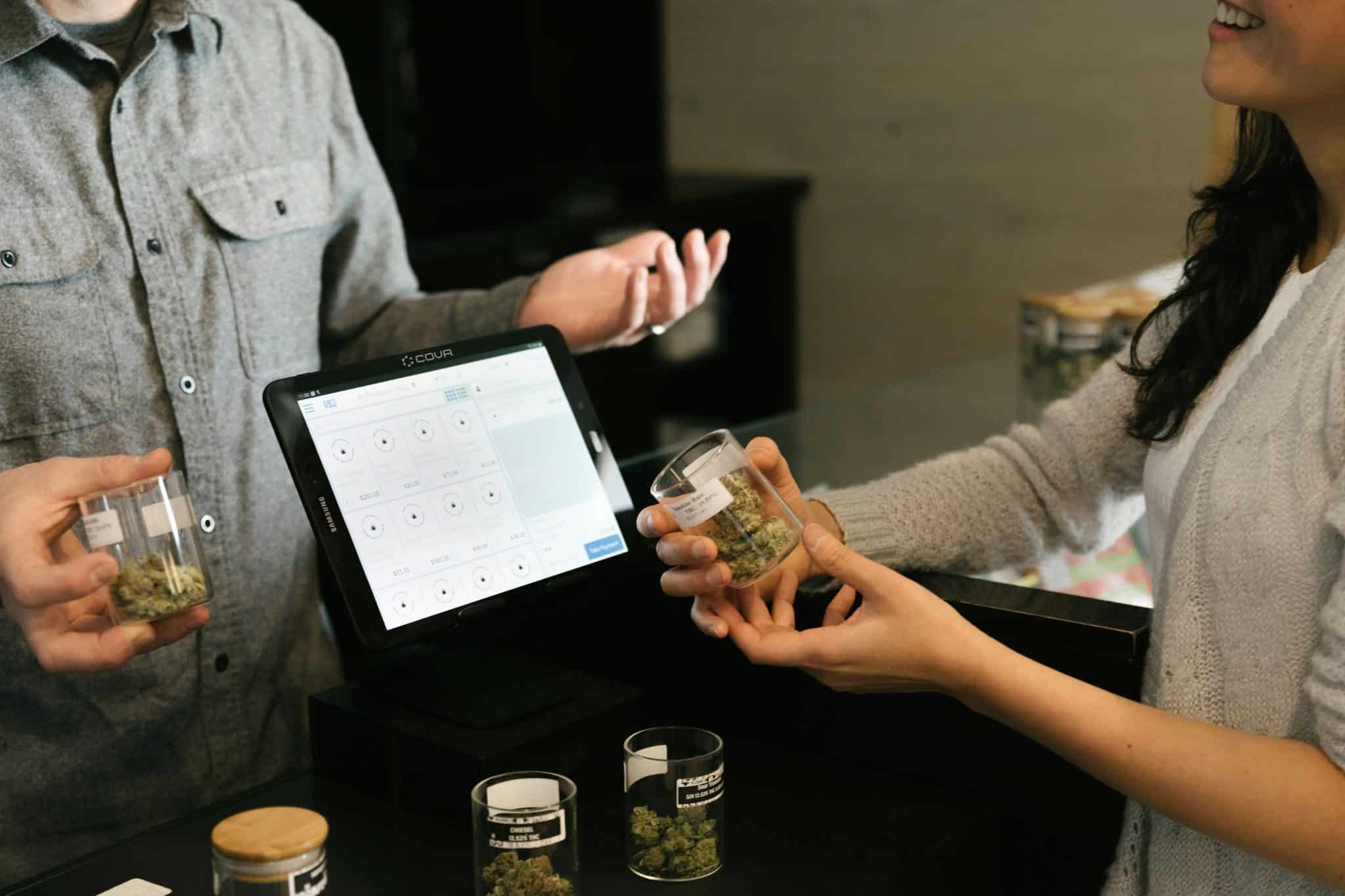
Oklahoma’s medical-only dispensary market gives licensed patients access to a wide range of cannabis products, but every purchase must follow OMMA rules. This guide explains how to find licensed dispensaries, what identification to bring, purchase and possession limits, product testing, pricing, and what to expect during a visit.
Oklahoma’s advertised $25 medical marijuana card renewal covers the physician evaluation, but patients must also pay a separate OMMA license fee. This guide explains the full renewal cost, reduced-fee eligibility, required documents, online renewal steps, processing times, and the new physician recommendation requirement.
An Oklahoma medical marijuana card provides legal protection under state law, but it can still affect employment, commercial driving, firearms, privacy, and federally regulated situations. This guide explains the main consequences to consider before applying, including workplace drug testing, CDL rules, insurance, housing, and registry privacy.
Getting a medical marijuana card in Oklahoma can be completed online, with no specific qualifying condition required for adult applicants. This guide covers eligibility, telehealth evaluations, required documents, OMMA application steps, fees, processing times, and what patients can do once approved.
A same-day telehealth appointment in Oklahoma can get you a physician recommendation quickly, but OMMA still needs to process your medical marijuana license application. This guide explains the timeline, required documents, costs, and when you can legally visit a dispensary while waiting for the physical card.
The statements made regarding cannabis products on this website have not been evaluated by the Food and Drug Administration (FDA). Cannabis is not an FDA-approved substance and is still illegal under federal law. The information provided on this website is intended for educational purposes only and is not intended to diagnose, treat, cure, or prevent any disease. It is not intended as medical advice and should not be considered as a substitute for advice from a healthcare professional. We strongly recommend that you consult with a physician or other qualified healthcare provider before using any cannabis products. The use of any information provided on this website is solely at your own risk.