Your medical cannabis journey simplified: find partnered dispensaries, explore pricing options, earn rewards, and get answers to FAQs, all in one spot.
For ages, smoking was the most common way to consume cannabis, and even today, most users still prefer it. And you can’t blame them – smoking delivers effects much faster than ingesting cannabis, and blunts or raw flower are often more accessible than vapes and dabs.
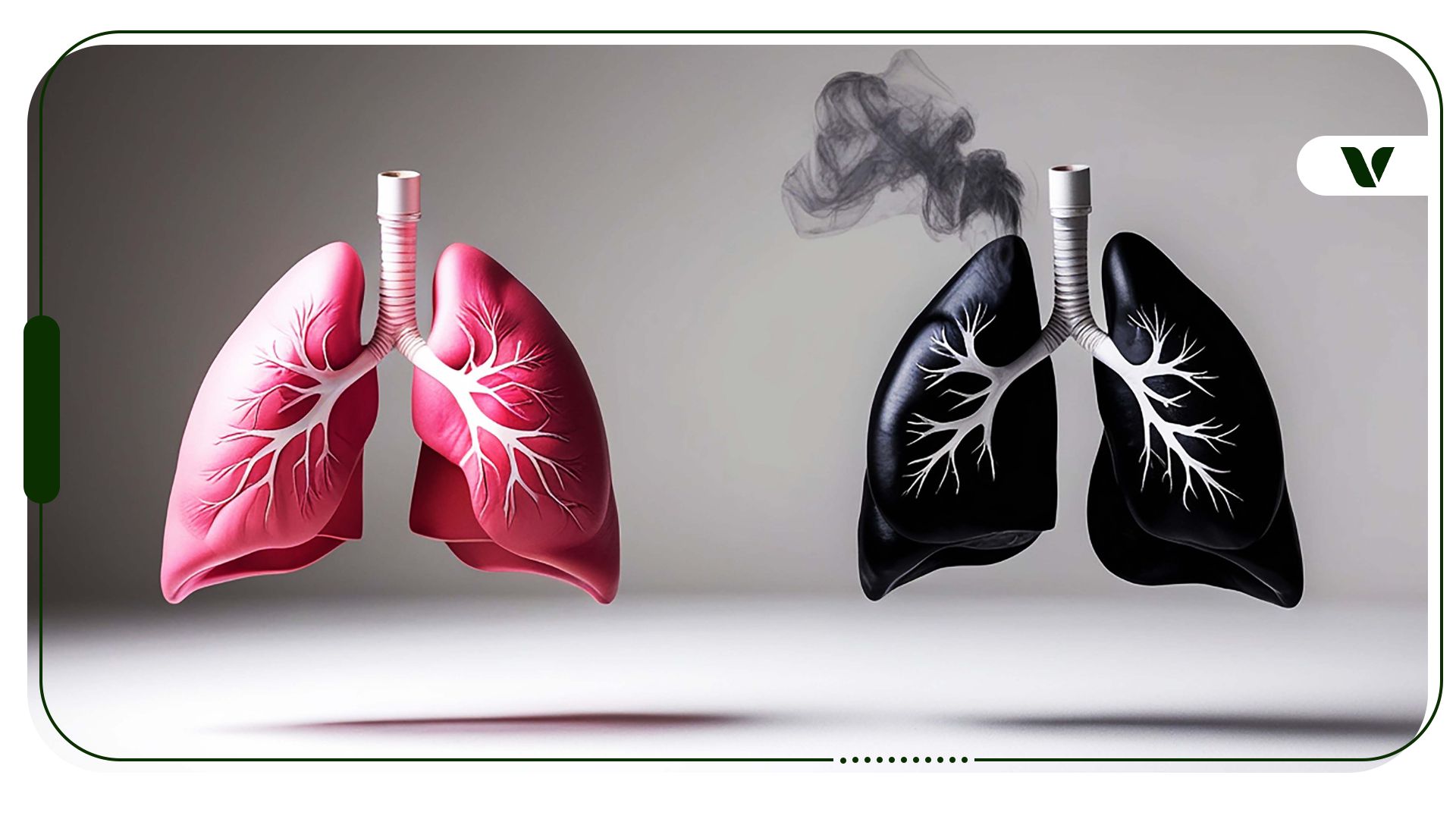
However, as beneficial as cannabis can be, smoking it carries unique potential health risks, especially to your lungs and airways. Could that include lung cancer? Some researchers think so.
YOUR LUNGS’ ROLE IN ABSORBING CANNABIS
Your lungs play an essential role in absorbing cannabinoids when you inhale cannabis smoke or vapor. Tetrahydrocannabinol (THC), cannabidiol (CBD), and other compounds in inhaled smoke enter your bloodstream quickly through tiny air sacs in your lungs (alveoli). This allows you to experience the effects of cannabis within three to ten minutes of hitting a blunt. That’s much faster than orally ingested cannabis, which has to pass through the stomach and liver before reaching the bloodstream.
Inhaling cannabinoids via smoking also offers higher bioavailability, meaning more of the compounds reach your bloodstream. For example, your body absorbs 10% to 35% of THC when you smoke, while a lot of the cannabinoid is lost during digestion if you eat an edible. In summary, your lungs act as a gateway for inhaled cannabis compounds to quickly and efficiently enter your bloodstream.
CAN SMOKING CANNABIS CAUSE LUNG CANCER?
Inhaling anything but clean air into your lungs can potentially cause harm. Smoking cannabis is no different, but can it cause lung cancer? Scientists aren’t collectively sure yet. According to a 2019 systematic review and meta-analysis of 25 studies, no clear or strong link exists between marijuana use and lung, head, neck, and oral cancers.
A separate and earlier 2014 study published in the International Journal of Cancer reported similar results. Involving 2,159 lung cancer patients and 2,985 controls pooled from 6 case-control studies, it found little evidence connecting cannabis smoking to lung cancer overall. Habitual, daily, and long-term use showed no clear increase in risk. However, the study acknowledged that heavy, prolonged use may carry potential risk.
Lastly, a 2005 epidemiologic review of marijuana use and cancer risk, also published on the WHO FCTC website, found no clear link between cannabis smoking and lung cancer. It also noted that limited and inconsistent evidence hinders drawing firm conclusions, though the potential risk remains a concern. In many cases and cultures in Europe, Northern Africa, and West Asia, cannabis and tobacco use are routinely mixed and therefore confound overall study results like these.
While these studies don’t show a clear connection between smoking marijuana and lung cancer, it doesn’t guarantee that there isn’t at least some risk. A 2021 article published in the European Respiratory Journal highlighted that many young patients with surgically removed lung cancer tumors often underreport cannabis use. However, underreporting cannabis use is understandably common among all patients for complex reasons, both legal and personal.
For this reason, the authors warned that cannabis could be an overlooked risk factor. They strongly recommended stronger reporting, screening, and research to clarify the herb’s possible role in lung cancer. A big factor that complicates this is that there is no ICD-10 diagnosis code for routine medical cannabis use, only cannabis use disorder, which aren’t the same, and this currently skews results.
There’s also the 2014 cohort study, which tracked 49,321 Swedish men between the ages of 18 and 20 for 39 to 40 years. Researchers found that those who admitted to using cannabis heavily as teens (over 50 times before age 20) more than doubled their risk of lung cancer. This link remained even after accounting for smoking, alcohol use, respiratory issues, and socioeconomic status. The findings suggest that frequent use in youth may raise long-term cancer risk.
FACTORS THAT RAISE LUNG CANCER RISK FROM SMOKING CANNABIS
Available research hasn’t proven beyond a reasonable doubt that smoking cannabis can cause lung cancer. But we do know that certain factors make the disease more likely. These factors include:
1.Age and Frequency of Use
The earlier-mentioned 2014 Swedish cohort study provides some evidence that heavy cannabis use in youth might increase the risk of lung cancer later in life. Young individuals are likely at a higher risk because their lungs are still developing, and prolonged exposure to smoke particulates and toxins during this stage can cause lasting damage.
2.Cannabis Quality
Cannabis grown with pesticides, mold, or other contaminants can be toxic and carry additional health risks, including lung cancer risks. For example, studies linked pesticides like chlorpyrifos, diazinon, and dieldrin to a higher risk of lung cancer. Smoking cannabis flower contaminated with these chemicals exposes the lungs to cancer-causing compounds.
3.Rolling Paper Quality
Many commercially available rolling papers contain toxic elements that can expose your lungs to cancer-causing toxins. For example, papers made from recycled or dyed materials may contain pesticides, bleaches, or other contaminants that release toxic smoke when burned. Improve your smoke sessions by opting for cleaner rolling paper alternatives like rice rolling paper and hemp paper.
4.Pre-Existing Health Conditions
Pre-existing health conditions can make your lungs more vulnerable to damage from cannabis smoke. If you have asthma, chronic bronchitis, or other respiratory issues, the illnesses have likely already inflamed or weakened your lung tissue. Inhaling cannabis smoke in this condition exposes your lungs to irritants, tar, and carcinogens, which can worsen inflammation and functioning. These combined effects may increase the risk of developing lung cancer over time.
Besides lung cancer, regularly smoking marijuana poses several other potential health hazards. These risks come from inhaling tar, carcinogens, and other harmful chemicals found in cannabis smoke. The biggest of these marijuana smoking risks includes bong lung, a condition caused by regularly inhaling cannabis smoke. It’s more common among bong users, and it can lead to chronic bronchitis, coughing, phlegm, and lung infections.
See If You Qualify For Medical Marijuana -Select Your State!
Select Your State
Alabama
Alaska
Arizona
Arkansas
California
Colorado
Connecticut
Delaware
Florida
Georgia
Hawaii
Idaho
Illinois
Indiana
Iowa
Kansas
Kentucky
Louisiana
Maine
Maryland
Massachusetts
Michigan
Minnesota
Mississippi
Missouri
Montana
Nebraska
Nevada
New Hampshire
New Jersey
New Mexico
New York
North Carolina
North Dakota
Ohio
Oklahoma
Oregon
Pennsylvania
Rhode Island
South Carolina
South Dakota
Tennessee
Texas
Utah
Vermont
Virginia
Washington
West Virginia
Wisconsin
Wyoming
Never miss a post
Get updates on cannabis culture, new research, and expert insights
Also, marijuana smoke can injure the cell linings of the large airways leading to your lungs (trachea and bronchi) and reduce lung function over time. This can make you susceptible to airway inflammation, reduced lung elasticity, causing COPD-like symptoms, and respiratory infections.
ARE VAPING AND DABBING SAFER?
Unlike smoking, which burns flower, vaping and dabbing don’t involve combustion. Instead, they gently heat flower or cannabis concentrates to release vapor you can inhale at a lower temperature than smoking. Most cannabis concentrates are stronger than even the most potent flower strains, and vaping them delivers cannabinoids more efficiently than smoking.
Besides being more potent, vaping and dabbing avoid many of the risks associated with smoking. Since there’s no combustion, you don’t inhale tar, carbon monoxide, or the other toxic chemicals you get from blunts. This is assuming you control the unit temperature below combustion (550°F), easily and best done with modern electronically-controlled vaporizer units rather than old-school, flash-dabbing on hot nails with a blowtorch.
However, while dabbing and vaping are safer than smoking, they aren’t entirely risk-free. Both methods can produce harmful chemicals, particularly if the concentrate contains residual solvents or additives like butane or vitamin E acetate. You can minimize this risk with dry herb vaporizing, which heats raw cannabis rather than concentrates – and of course buying from legitimate, high-quality sources like dispensaries. This avoids the risks from combustion, additives, and leftover solvents.
SHOULD YOU QUIT CANNABIS?
Cannabis itself isn’t the problem. The plant packs beneficial compounds like cannabinoids,terpenes, and flavonoids that support wellness in powerful ways. But how you consume it can raise safety concerns.
For instance, lighting up a joint involves inhaling tar, carbon monoxide, and other toxic byproducts of combustion at harsh airway temperatures. Vaping and dabbing cut down on some of those toxins, but they’re still not risk-free, especially if your unregulated concentrate contains additives or leftover solvents.
If you want to keep cannabis in your life while lowering the risks, look to safer alternatives like edibles, tinctures, and oils. These methods eliminate smoke entirely, though you’ll still need to be mindful of dosage and product quality. Licensed dispensaries with legitimate COAs will stock the safest quality products, including concentrates.
The bottom line? You don’t have to quit cannabis. You just have to watch how you consume it.
Used responsibly, medicinal cannabis shows great promise for easing cancer-related pain. Early studies also suggest that CBD oil may help “cure” lung cancer rather than cause it. There is also much preclinical research on whole-plant compounds like cannabinoids and terpenes that support anticancer and treatment-synergistic effects.
So far, studies haven’t confirmed a clear link between smoking cannabis and lung cancer. Still, the risk isn’t zero, especially among younger users who smoke often. You can cut that risk by switching to safer consumption methods like edibles and tinctures.
Is vaping marijuana safer than smoking?
Vaping marijuana, especially with dry herb vaporizers, carries fewer risks than smoking and increases cannabinoid and terpene delivery. However, it isn’t risk-free since it involves inhaling compounds that can irritate your airways and lungs. The risk rises if you vape too much or use low-quality, contaminated products.
Is smoking marijuana bad for the lungs?
Yes, smoking marijuana can harm your lungs, especially if you smoke often. That’s because cannabis smoke contains similar tar, carcinogens, and fine particles that can damage your airways, reduce lung function, and increase your risk of respiratory issues.
What are the long-term side effects of marijuana use?
Marijuana use is more likely to cause long-term side effects if you use high-THC products frequently and excessively. These side effects may include increased tolerance, dependence, and social stigma. You may also experience respiratory issues if you smoke or vape.
Is daily marijuana use linked to cancer?
Some studies link daily cannabis use to certain cancers, while others find no connection. Because the science remains uncertain, it’s wise to take preventive steps. Stick to quality-tested products and avoid risky consumption methods like smoking, which expose you to potentially cancer-causing byproducts like tar.
Does holding in marijuana smoke make it more dangerous?
Holding in marijuana smoke can expose your lungs to more tar and toxins, which can cause greater irritation and damage over time.
Can marijuana cause COPD?
Yes. Heavy, long-term marijuana smoking can damage the lungs and irritate airways, which may increase the risk of chronic bronchitis or chronic obstructive pulmonary disease (COPD). However, the links aren’t as strong as with tobacco.
What is bong lung?
Bong lung is lung damage from heavy cannabis smoking, often through water pipes, but blunt smokers can also develop it. Symptoms include chronic cough, chest tightness, shortness of breath, and reduced lung function.
Tobi Moyela is an avid cannabis enthusiast who enjoys creating helpful, educational content that helps others better understand cannabis, especially its potential uses and benefits. When he's not researching or writing for brands, you can find him watching anime, cooking, or reading his latest fiction finds.
Hello Everyone, I am a breast cancer survivor, i spent my hard earned money treating breast cancer for several years, Doctors keep recommending Chemo and radiation with other chemical drugs, it seems worse everyday. until a friend of mine told me about doctor momoh herbal mixture which i ordered and i was directed to the dosage instruction. Here I am today free from breast cancers, healthy and I am happy with my lovely family again.
Oklahoma’s medical-only dispensary market gives licensed patients access to a wide range of cannabis products, but every purchase must follow OMMA rules. This guide explains how to find licensed dispensaries, what identification to bring, purchase and possession limits, product testing, pricing, and what to expect during a visit.
Oklahoma’s advertised $25 medical marijuana card renewal covers the physician evaluation, but patients must also pay a separate OMMA license fee. This guide explains the full renewal cost, reduced-fee eligibility, required documents, online renewal steps, processing times, and the new physician recommendation requirement.
An Oklahoma medical marijuana card provides legal protection under state law, but it can still affect employment, commercial driving, firearms, privacy, and federally regulated situations. This guide explains the main consequences to consider before applying, including workplace drug testing, CDL rules, insurance, housing, and registry privacy.
Getting a medical marijuana card in Oklahoma can be completed online, with no specific qualifying condition required for adult applicants. This guide covers eligibility, telehealth evaluations, required documents, OMMA application steps, fees, processing times, and what patients can do once approved.
A same-day telehealth appointment in Oklahoma can get you a physician recommendation quickly, but OMMA still needs to process your medical marijuana license application. This guide explains the timeline, required documents, costs, and when you can legally visit a dispensary while waiting for the physical card.
The statements made regarding cannabis products on this website have not been evaluated by the Food and Drug Administration (FDA). Cannabis is not an FDA-approved substance and is still illegal under federal law. The information provided on this website is intended for educational purposes only and is not intended to diagnose, treat, cure, or prevent any disease. It is not intended as medical advice and should not be considered as a substitute for advice from a healthcare professional. We strongly recommend that you consult with a physician or other qualified healthcare provider before using any cannabis products. The use of any information provided on this website is solely at your own risk.