Medical cannabis home delivery is legal in New York, and licensed dispensaries across the state are authorized to bring cannabis products directly to registered patients. If you hold a medical marijuana card and have been wondering whether delivery is an option for you, the short answer is yes, and the process is more straightforward than most patients expect.
Understanding how the system works, what it costs, and what protections apply specifically to medical cardholders helps you get the most out of your access. This guide covers the full picture, from OCM licensing requirements to delivery fees to caregiver rights, so you can order with confidence.
Is Medical Marijuana Home Delivery Legal in New York?
Yes, home delivery of medical cannabis is fully legal in New York. The state’s New York Cannabis Law and OCM licensing framework authorizes licensed dispensaries to deliver cannabis products directly to patients and adult-use customers across the state. Dispensaries must hold an active OCM delivery license to operate, which means any licensed provider delivering to your door has cleared a regulatory review process.
New York’s Cannabis Law governs medical cannabis separately from adult-use retail. Article 3 of the Cannabis Law, along with the regulations administered by the Office of Cannabis Management (OCM), sets distinct rules for what can be delivered under the medical program, in what quantities, and to whom. Purchasing cannabis online for delivery from an OCM-licensed dispensary is legal. Purchasing from any unlicensed service is not, regardless of how that service presents itself.
If you are a registered patient, cannabis delivery is not a workaround or a gray area. It is a service your program explicitly supports.
Medical Delivery vs. Adult-Use Delivery: What’s the Difference in New York?
New York operates two separate cannabis programs with different rules, different dispensary licenses, and different benefits for the people they serve. The distinction matters to registered patients because it affects what you can access, what you pay, and who is authorized to fulfill your order.
Medical dispensaries may carry product formulations, cannabinoid ratios, and delivery formats that are not available through adult-use retail channels. Not every adult-use delivery service holds a license to fulfill medical cannabis orders, so confirming your dispensary’s medical program status before ordering is worth the extra step.
The table below summarizes the key differences between the two programs.
| Attribute |
Medical Program Delivery |
Adult-Use Delivery |
| Licensing authority |
OCM Medical Cannabis Program (9 NYCRR Part 113) |
OCM adult-use retail regulations |
| Who qualifies |
Registered patients and certified caregivers |
Any adult 21 and older |
| Product access |
Medical formulations, ratios, and formats; broader product access |
Standard adult-use product menu |
| Purchase limits |
Set by medical program regulations |
Set by adult-use regulations |
| Tax treatment |
Qualifying medical purchases pay a reduced 3.15% excise tax, versus the combined ~13% rate on adult-use retail |
Subject to NY cannabis excise tax |
That tax exemption is one of the most tangible financial advantages of maintaining a medical card. On larger or regular orders, the savings add up in ways that go beyond what the card itself costs. You can read more about how medical vs. recreational cannabis taxes break down at the state level.
How to Order Medical Cannabis for Home Delivery in New York
The ordering process for medical cannabis delivery follows a clear sequence. Each step below reflects the medical patient experience specifically, not generic adult-use ordering.
- Confirm your OCM medical registration is active. Your registration must be current to place a medical cannabis order. If you are unsure how long it takes to get a medical card or when yours expires, check your OCM patient account directly before ordering.
- Locate an OCM-licensed medical dispensary that delivers in your area. Not all dispensaries offer delivery, and coverage varies by region. The OCM maintains a dispensary locator where you can find licensed medical providers offering delivery near you.
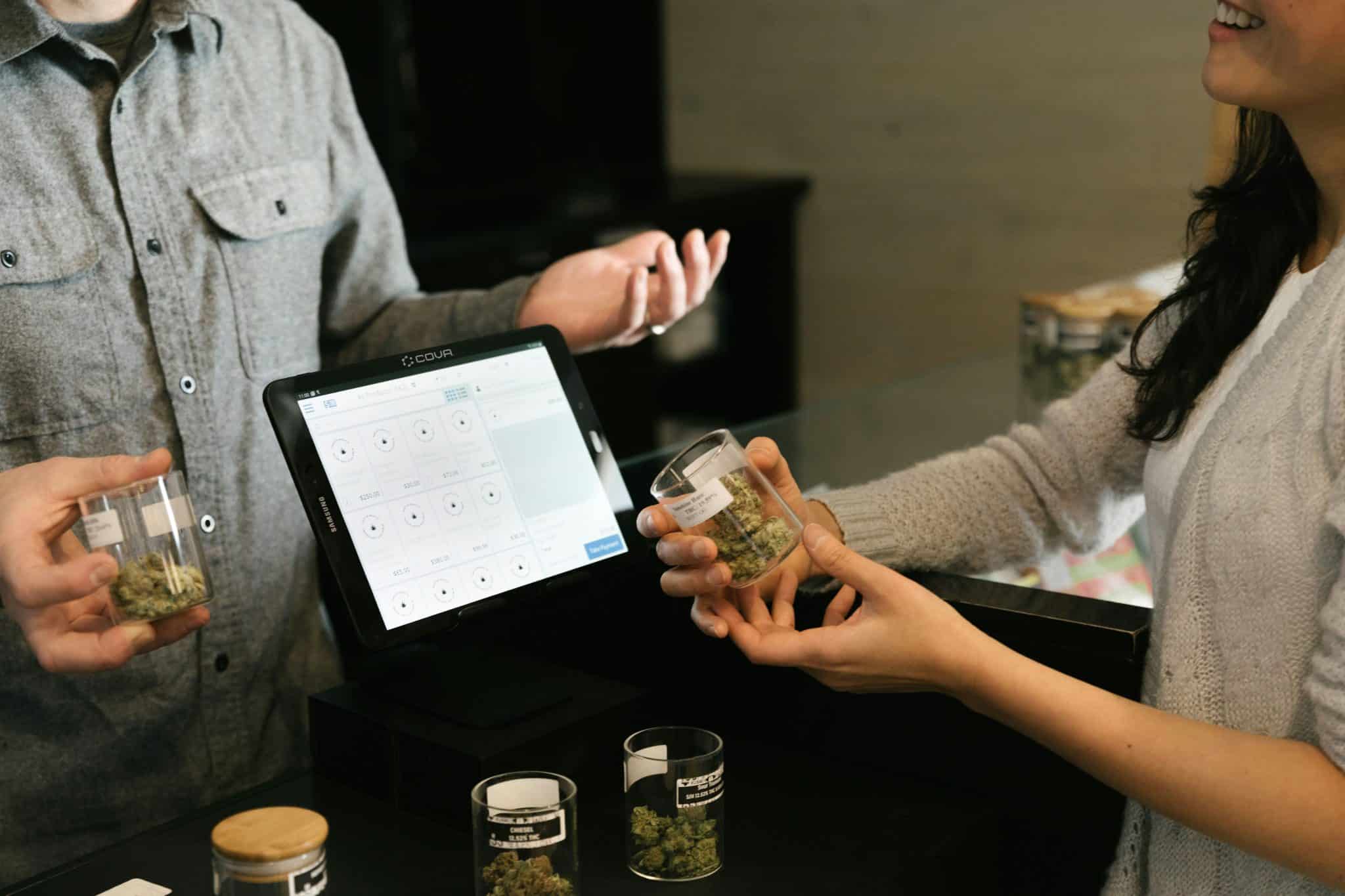
- Browse the menu online and add products to your cart. Most licensed dispensaries publish their full product menus online, including flower, tinctures, capsules, and other formats.
- Provide your medical registration number at checkout. This links your order to your patient record and triggers the tax exemption on qualifying purchases.
- Select a delivery window. Most dispensaries offer scheduled delivery windows rather than on-demand same-day service. Book in advance, especially for a first order.
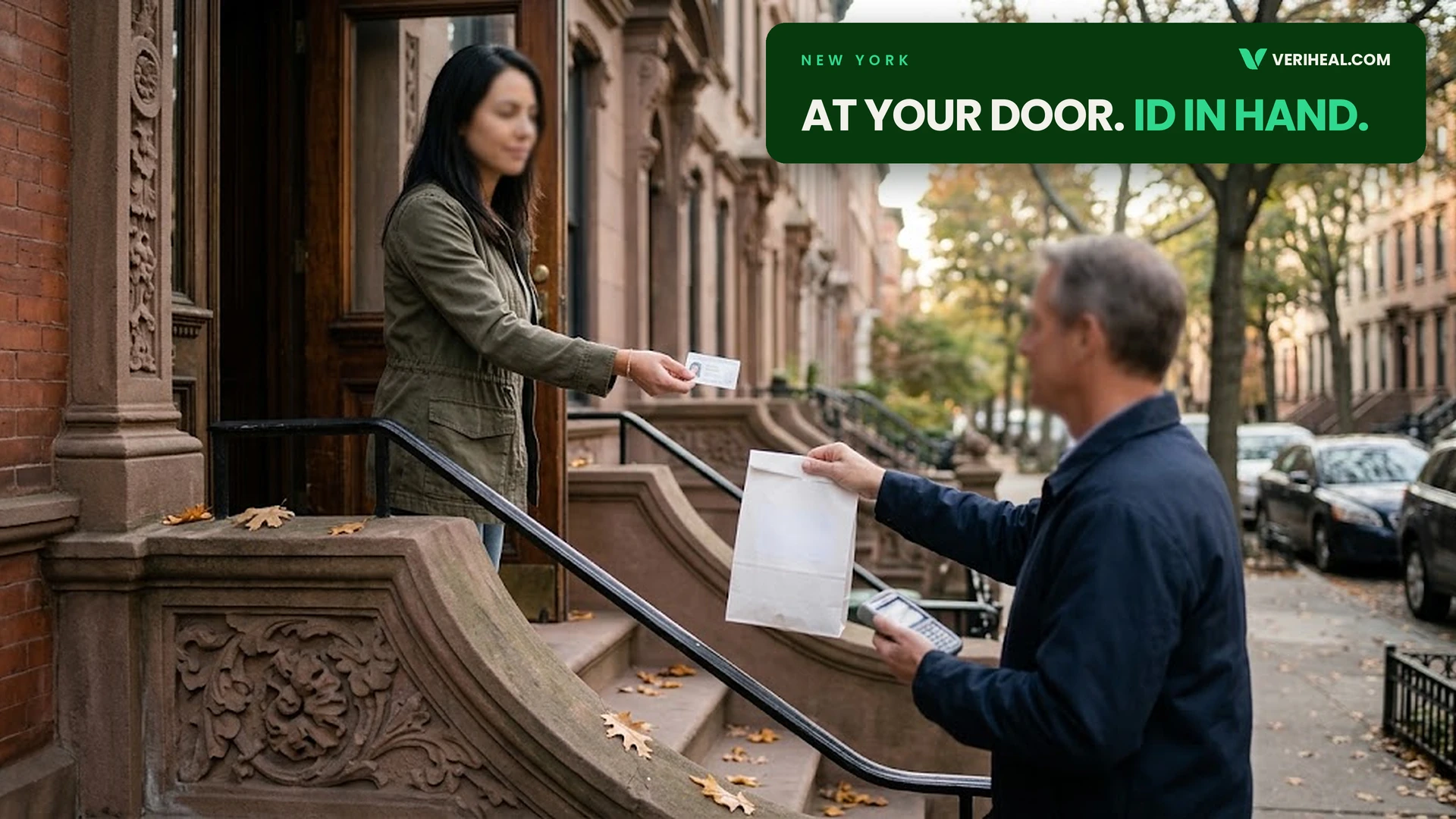
- Be present to accept the delivery in person. The delivery agent is required to verify your identity and your medical registration card at the door. Under 9 NYCRR § 113.13(h), dispensing to a certified patient requires presenting both a valid certification and valid government-issued photo ID, so the agent cannot leave product with a doorman, concierge, or any third party. You must be there.
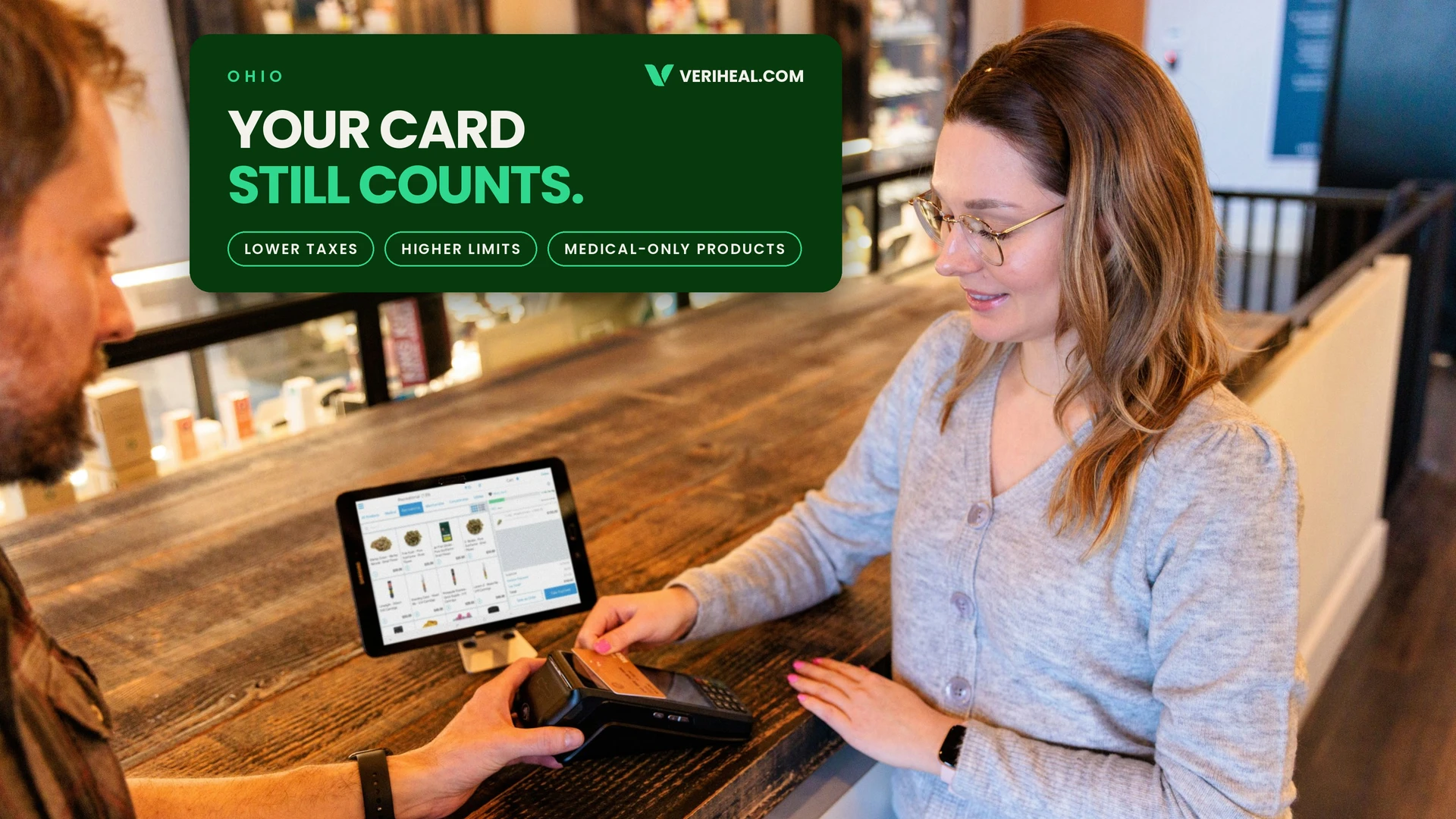
- Have payment ready. Most dispensaries accept cash or debit only. Federal banking restrictions limit credit card acceptance at cannabis businesses, so check your dispensary’s payment policy before the delivery arrives.
Once your order is dispatched, most licensed dispensaries provide real-time tracking so you can monitor your delivery window. Understanding the benefits of a medical marijuana card beyond delivery, including product access and tax savings, can help you decide whether maintaining your registration is worth it for your situation.
What Does Medical Marijuana Home Delivery Cost in New York?
Cost is one of the first questions registered patients ask about delivery, and it has several moving parts worth understanding before you place your first order.
- Delivery fees. Most licensed dispensaries charge a delivery fee ranging from free on orders above a minimum threshold to approximately $10 to $20, depending on the provider and distance. Fees vary, so check the dispensary’s current delivery policy directly.
- Minimum order thresholds. Some dispensaries require a minimum purchase, commonly between $50 and $100, to qualify for delivery. Others advertise no minimum. Comparison shopping across licensed providers in your area is worth doing.
- Product pricing. Medical cannabis product pricing in New York generally aligns with adult-use retail pricing. Where registered patients benefit is the reduced 3.15% excise tax on qualifying medical purchases, versus the combined ~13% rate (9% state plus local) on adult-use retail, which reduces out-of-pocket cost meaningfully on larger orders.
- Insurance coverage. Medical cannabis is not covered by health insurance in New York or under any federal program. Even after state-licensed medical marijuana’s April 2026 reclassification from Schedule I to Schedule III, it remains unapproved as an FDA prescription drug, which means patients pay out of pocket regardless of scheduling.. If you want to understand the full insurance picture, the details on is medical marijuana covered by insurance are worth reviewing before you budget for ongoing orders.
- Patient assistance programs. Some OCM-licensed dispensaries offer compassionate pricing or financial hardship programs. Ask your dispensary directly whether any assistance options are available to you.
Knowing how long it takes to get a medical card is useful context here too, because the registration cost factors into the overall economics of maintaining medical access versus purchasing through adult-use retail.
Who Can Receive a Delivery, Including Caregivers
Under New York’s Medical Cannabis Program, governed by 9 NYCRR Part 113, a certified caregiver may order and receive medical cannabis on behalf of a registered patient. This is not a loophole. The caregiver designation exists precisely because many patients who rely most heavily on the medical program, elderly patients, those with serious illness, and patients with mobility limitations, are often unable to travel to a dispensary themselves.
Home delivery becomes a primary access channel for this group, which makes the caregiver rules worth understanding clearly. A caregiver must present their OCM caregiver certification and government-issued ID to the delivery agent at the door. The agent cannot leave product with an unnamed third party, even a family member, without the proper certification.
If you are a patient considering naming a caregiver, or a caregiver who will be managing deliveries on someone else’s behalf, confirm your certification status with OCM before placing an order. The process for getting and maintaining caregiver certification runs through the same OCM registration system as the patient program itself.
Delivery Coverage Across New York State
Cannabis delivery coverage in New York is not uniform, and where you live shapes your options considerably.
- New York City. Coverage is strongest in the five boroughs. Manhattan, Brooklyn, and Queens all have multiple licensed dispensaries offering delivery, with competitive fees and same-week scheduling in most cases.
- Long Island. Nassau and Suffolk counties have growing dispensary coverage. Delivery options exist but vary more by specific municipality than they do within NYC.
- Westchester and the Hudson Valley. Coverage is present in Westchester County and some Hudson Valley communities, though the number of licensed providers offering delivery is smaller than in the metro core.
- Upstate New York. Delivery availability becomes more variable as you move upstate. Rural areas may have limited or no licensed dispensaries offering delivery within a practical radius. Patients in these regions should contact licensed dispensaries directly to confirm service areas before registering an account.
The OCM maintains a dispensary locator, the most reliable tool for finding licensed medical providers offering delivery in your specific area. Coverage maps change as new licenses are issued, so checking directly gives you the most current picture.
Practical Tips for Your First Medical Cannabis Delivery
A few practical details make the difference between a smooth first delivery and an unnecessary frustration.
- Apartment and doorman buildings. The delivery agent cannot leave product with a doorman or concierge and cannot leave it unattended anywhere in a building. Under 9 NYCRR § 113.13(h) for patients, or § 113.24 for certified caregivers, you must be present to show your certification and government-issued ID to accept the delivery. If you live in a doorman building, plan to meet the courier in the lobby or at the building entrance.
- Scheduling your window. Most dispensaries offer scheduled delivery windows, not on-demand arrival. Book your window when you place the order and leave yourself time for a first delivery to arrive on the later end of the window.
- Payment method. Carry cash or a debit card. Most cannabis dispensaries cannot process credit cards due to federal banking restrictions. Confirm your dispensary’s accepted payment methods when you place your order so you are not caught unprepared at the door.
- Storing what you receive. Once your delivery arrives, store your cannabis products in a cool, dark place away from children and out of direct sunlight. Learning how to properly store cannabis flower helps you maintain potency and product quality between orders.
One tip that applies across all of these: discreet packaging is standard practice among licensed OCM dispensaries. Your delivery will not be labeled in a way that identifies the contents to anyone who sees it arrive.
If you are ready to access New York’s medical cannabis program or want to confirm your eligibility for delivery, explore delivery options or check in with a Veriheal-qualified practitioner for more information.
Note: The content on this page is for informational purposes only and is not intended to be professional medical advice. Do not attempt to self-diagnose or prescribe treatment based on the information provided. Always consult a physician before making any decision on the treatment of a medical condition.
Note: Veriheal does not support illegally consuming therapeutic substances such as cannabis but acknowledges that it transpires because of the current illicit status, which we strive to change by advocating for research, legal access, and responsible consumption. Always consult a physician before attempting alternative therapies.
Frequently Asked Questions
Can you get marijuana delivered in NY?
Yes, licensed OCM dispensaries are authorized to deliver both medical and adult-use cannabis to patients and customers across New York State. Delivery is legal when fulfilled by a licensed provider, and the recipient must be present to show ID at the door.
Is it legal to buy marijuana online in New York?
Yes, as long as the platform is an OCM-licensed dispensary. Ordering through an unlicensed website or app carries the same legal risk as buying from an unlicensed storefront, no matter how legitimate the marketing looks.
Does my medical marijuana card give me any advantage when ordering delivery?
Yes. Registered patients pay a reduced 3.15% excise tax on qualifying medical purchases, versus the combined ~13% rate on adult-use retail, which reduces the cost of regular orders. Patients may also have access to medical-specific product formulations not available through standard adult-use delivery services.
Can a caregiver receive a cannabis delivery on my behalf?
An OCM-certified caregiver can receive a delivery on a registered patient’s behalf, but must present their caregiver certification and a government-issued ID to the delivery agent at the door. An uncertified third party cannot accept the delivery regardless of their relationship to the patient.
Which states allow marijuana delivery?
Several states with legal cannabis programs allow home delivery, including New York, California, and Michigan, though rules and eligible providers vary significantly by state. Patients should verify delivery authorization and licensed provider availability in their specific state before ordering.
Author, Share & Comments