Your medical cannabis journey simplified: find partnered dispensaries, explore pricing options, earn rewards, and get answers to FAQs, all in one spot.
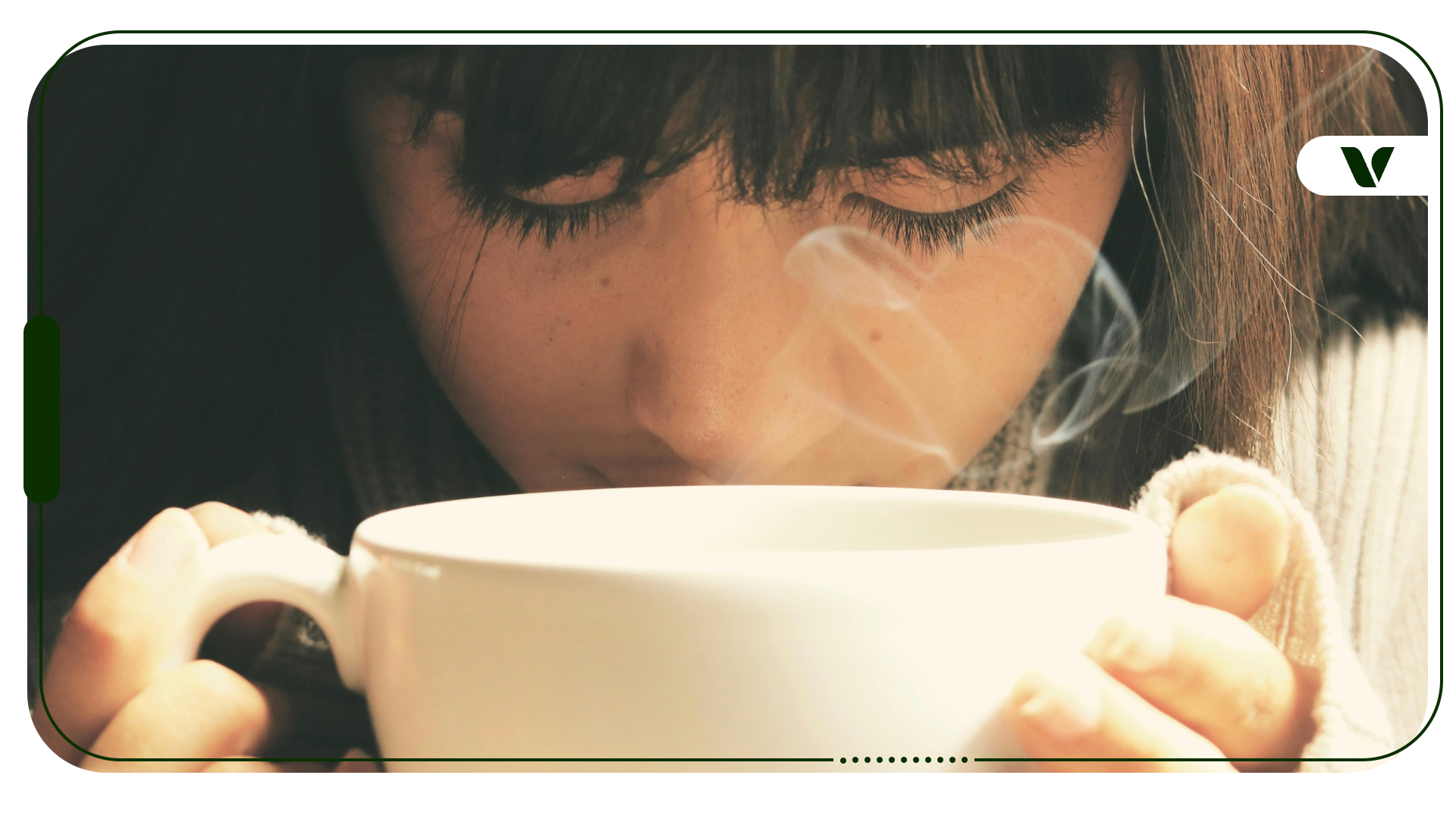
Tea is a great example of small human ingenuity that winds up providing more benefits than anyone could have ever imagined. This simple infusion of plant and water delights imbibers with more than just a tasty and invigorating presence. Tea also provides a long list of potential health benefits and wellness boosting attributes to anyone who regularly drinks it.
Camellia Sinensis Is Known as True Tea
The origin story of tea is subject to much speculation, discussion, and argument over time, but legend has it that a Chinese Emperor named Shen Nung first discovered this infused beverage by accident around 2700 B.C. The emperor believed in boiling water before consuming, so one fateful day, stray leaves from the tea plant fell into his cup–much to his delight and eventually, the world’s delight!
While this urban legend is popular, it’s important not to detract agency and credit from non-Western scientists and marginalized groups. People recognize Emperor Shen Nung as the father of Chinese herbal medicine, which is still practiced today as Traditional Chinese Medicine (TCM) and plays a role in modern integrative medicine. He’s also the very first person to write about medical cannabis for over 100 conditions, so it’s more likely that he discovered tea and its benefits on purpose, especially since tea and herbal infusions became a central treatment method in TCM.
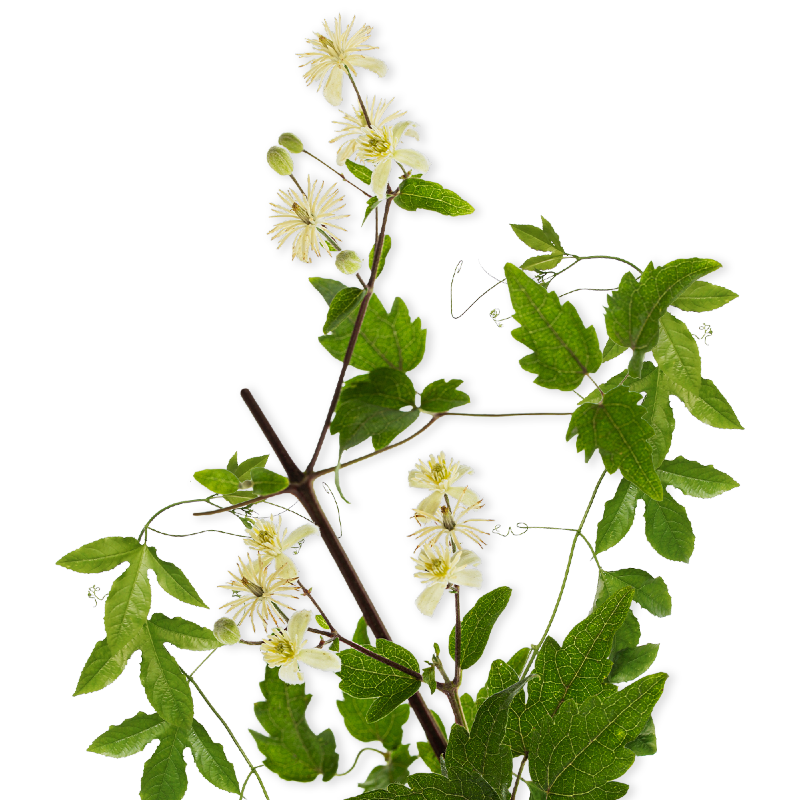
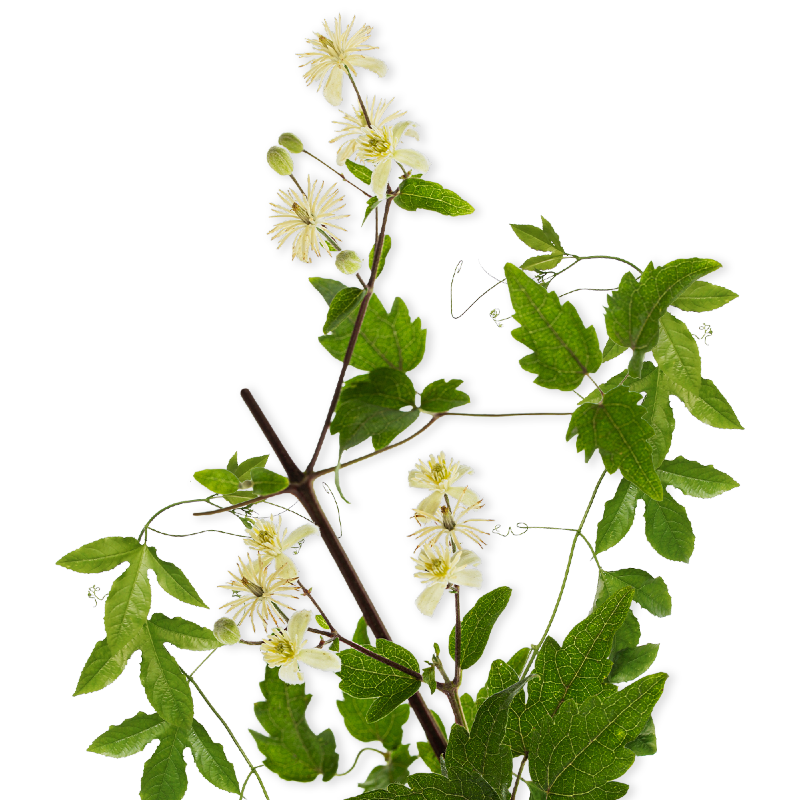
Tea produced from Camellia sinensis, also known as the tea plant, is derived from the leaves and stems of this evergreen flowering plant found in tropical and subtropical regions around the world. This species produces popular teas such as green, oolong, and black tea. Researchers refer to this plant variety and its types as “true teas” that offer a wide range of potential health benefits that include:
Anticarcinogenic
Antihypertensive
Anti-inflammatory
Antimicrobial
Antioxidant
Calorie-burning
Cholesterol-lowering
Neuroprotective
Prebiotic
Many true tea varieties also contain a small amount of caffeine; however, darker tea contains more in its genetic make-up. In addition, differently fermented teas contain varying amounts of polyphenols, bioactive compounds that reportedly lend themselves to providing any of the health benefits above. Raw tea is greener (i.e., green tea), representing more polyphenols. As they become more fermented, the tea darkens and carries fewer polyphenols.
Like cannabis, tea contains over 500 compounds that include:
Polyphenols
Alkaloids
Terpenoids
Flavonoids
Amino acids
Vitamins
Macrominerals
Trace elements
Teas primarily contain polyphenols, which include catechins, flavonoids, anthocyanins, and phenolic acids that make up 15-35% of dry tea weight. These bioactive agents provide many of their reported health benefits. Let’s look at some popular C. sinensis tea varieties and how they work with your body.
White Tea Has the Highest Antioxidant Potential
Tea producers lightly ferment white tea, making it a variety of green tea with higher antioxidant properties than most other teas—except raw green tea. Tea producers harvest the leaves quickly, before the hairy, white, and young buds fully open, which increases their phenolic content. They then steam the leaves and shoots almost immediately after harvesting to drastically reduce oxidation. This process preserves many vital polyphenols, but because it involves slight fermentation, it doesn’t offer as many antioxidants as pure, raw green tea.
Researchers have shown that the compounds in white tea have the potential to most efficiently reduce lipid absorption in the blood, reducing triglycerides, cholesterol, and appetite. In addition, animal and even clinical studies show a potential ability to reduce diabetes for those who consume tea, as well as prevent liver and tissue damage.
Green Tea and Its Ability to Promote Autophagy
Producers skip fermentation while processing green tea, helping it retain nearly all of its polyphenol content and antioxidant potential through freshness and steaming. It contains the highest amount of antioxidants, more than slightly fermented white tea and the more deeply fermented black and dark teas.
Autophagy is the ability of cells to establish homeostasis by breaking down proteins, recycling them, and removing waste and damage. This clears the way for more energy output available for cells in times of stress to minimize cellular damage and fight off disease, even cancer and neurological disease. Green tea shows an ability in preclinical models to inhibit breast, brain, colon, and liver cancer cells from spreading due to its uncanny ability to produce autophagy in cells. It has also shown a potential to reduce hypertension and inflammation while strengthening bones.
See If You Qualify For Medical Marijuana -Select Your State!
Select Your State
Alabama
Alaska
Arizona
Arkansas
California
Colorado
Connecticut
Delaware
Florida
Georgia
Hawaii
Idaho
Illinois
Indiana
Iowa
Kansas
Kentucky
Louisiana
Maine
Maryland
Massachusetts
Michigan
Minnesota
Mississippi
Missouri
Montana
Nebraska
Nevada
New Hampshire
New Jersey
New Mexico
New York
North Carolina
North Dakota
Ohio
Oklahoma
Oregon
Pennsylvania
Rhode Island
South Carolina
South Dakota
Tennessee
Texas
Utah
Vermont
Virginia
Washington
West Virginia
Wisconsin
Wyoming
Never miss a post
Get updates on cannabis culture, new research, and expert insights
Black Tea Is Typically More Caffeinated
Researchers consider green tea potentially more therapeutic than black tea because it contains higher amounts of antioxidant compounds like epigallocatechin-3-gallate (EGCG), a specific catechin. However, researchers have recently found that black tea is not much further behind in terms of beneficial impact.
Black tea undergoes a different process of extraction that involves rolling the leaves, oxidizing, and fermenting them for a short time, producing a different set of antioxidative polyphenols called theaflavins and thearubigins. These flavonoids contribute to the distinctive taste of black tea while contributing to its reputation for wellness. This variety of true tea contains the most caffeine, making it ideal for those seeking a bit of a ‘pick-me-up.’
In terms of medicinal and therapeutic potential, black tea shows an ability to promote gut health and improve prebiotic functions. The many polyphenols and theaflavins found in black tea also help to maintain homeostasis by regulating blood pressure, which lends a mighty hand to fighting cholesterol, heart disease, and everyday stress. Theaflavins within black tea also show the potential to prevent and stop cancer cells from multiplying in preclinical studies.
Oolong Tea and Weight Loss Potential
Oolong tea brewers ferment the leaves during production, similar to black tea, but for a shorter period. The taste ranges somewhere in between that of green and black tea, along with many similar therapeutic potentials.
Some researchers consider oolong more efficient than other true teas when it comes to weight loss potential. Specific polyphenols and compounds in oolong tea showed suppression of fat accumulation in animal studies.
Some of those compounds include polysaccharides, which, in conjunction with polyphenols, fight several types of cancer cells and many types of neurocognitive disorders. Studies show that this variety of true tea can significantly reduce depression, lower stress levels, and calm heart rates in individuals who drink three or more cups a day and experience regular stress.
Cannabis and Mushroom Teas: Add A Whole New Element
There’s considerable crossover when it comes to enjoyers of tea and aficionados of cannabis and psychedelics. Cannabis tea is an easy way to infuse decarbed cannabis and any of your favorite teas mentioned above. Consumers have reported additional beneficial potential to their tea that includes pain and stress management, contributing to a sense of balance, and all the positives that can come with it.
Whichever Tea You Choose, Know That There’s Real Potential
Different varieties of true tea have varying tastes, appearances, and caffeine potencies; however, many of their potential efficacies are in the same wheelhouse. Generally, choosing less processed teas reaps brighter colors and greater antioxidant benefits, but there are other benefits and combinations to consider, as discussed above.
Phenolics have shown considerable scientific evidence in combating many of the common afflictions many people deal with every day, as well as more serious ones. Meanwhile, the infusion of cannabis and psilocybin can certainly bring a new dimension to the same old tea.
Choose a tea that tastes good to you and that you think can have more potential for your health, according to the findings above, and establish a regimen that can potentially make life better for you, one sip at a time!
Anthony DiMeo is a Southern New Jersey-based journalist and cannabis advocate whose work and advocacy have been featured in Leafly, DOPE Magazine, and the Philadelphia Inquirer. Hobbies include navigating interdimensional psychedelic energy vortexes and tennis.
According to 2020 data from the Centers for Disease Control (CDC), 14.5% of adults have trouble falling asleep most days, while 17.8% have trouble staying asleep. Other reports estimate that 50 to 70 million Americans have sleep disorders, and roughly 84 million don’t regularly get enough sleep to stay healthy. This widespread lack of sleep…
In a safe and perfect world, everyone who needs cannabis could go to a dispensary and buy safety-tested products from licensed producers. Unfortunately, we are far from living in a perfect world. Despite most states recognizing that cannabis has therapeutic potential, it’s not an easily obtainable substance for many. Many people in states without legal…
For many, dating today feels more challenging than ever. The competition is fierce, with many having to fake it to match the expectations and preferences of a limited pool of potential partners. The question that you need answered today is whether your cannabis use might be sabotaging your chances at romance. Sadly, it just might….
Whoever says only women can use beauty products needs to hush. Men deserve to look good, too, because the better you look, the better you feel. Research suggests younger men aged 18-34 are most likely to use CBD for skin conditions, but so do those 34–55 still. You don’t have to go as far as…
A major part of the cannabis legalization process in many states occurs both before and after ratification — it’s called fearmongering. This unfortunate side effect of liberty takes on many forms: legal hypocrisy, religious and gender discrimination, racism, and so many more abhorrent realities. Much of the same misinformed and hateful rhetoric hardens and congeals around…
The statements made regarding cannabis products on this website have not been evaluated by the Food and Drug Administration (FDA). Cannabis is not an FDA-approved substance and is still illegal under federal law. The information provided on this website is intended for educational purposes only and is not intended to diagnose, treat, cure, or prevent any disease. It is not intended as medical advice and should not be considered as a substitute for advice from a healthcare professional. We strongly recommend that you consult with a physician or other qualified healthcare provider before using any cannabis products. The use of any information provided on this website is solely at your own risk.