Your medical cannabis journey simplified: find partnered dispensaries, explore pricing options, earn rewards, and get answers to FAQs, all in one spot.
The cannabis industry is estimated by Fortune Business Insights to reach $44.34 billion in value by 2030. The general public is catching onto this special plant’s medicinal and recreational benefits–and there’s a lot to know about it!
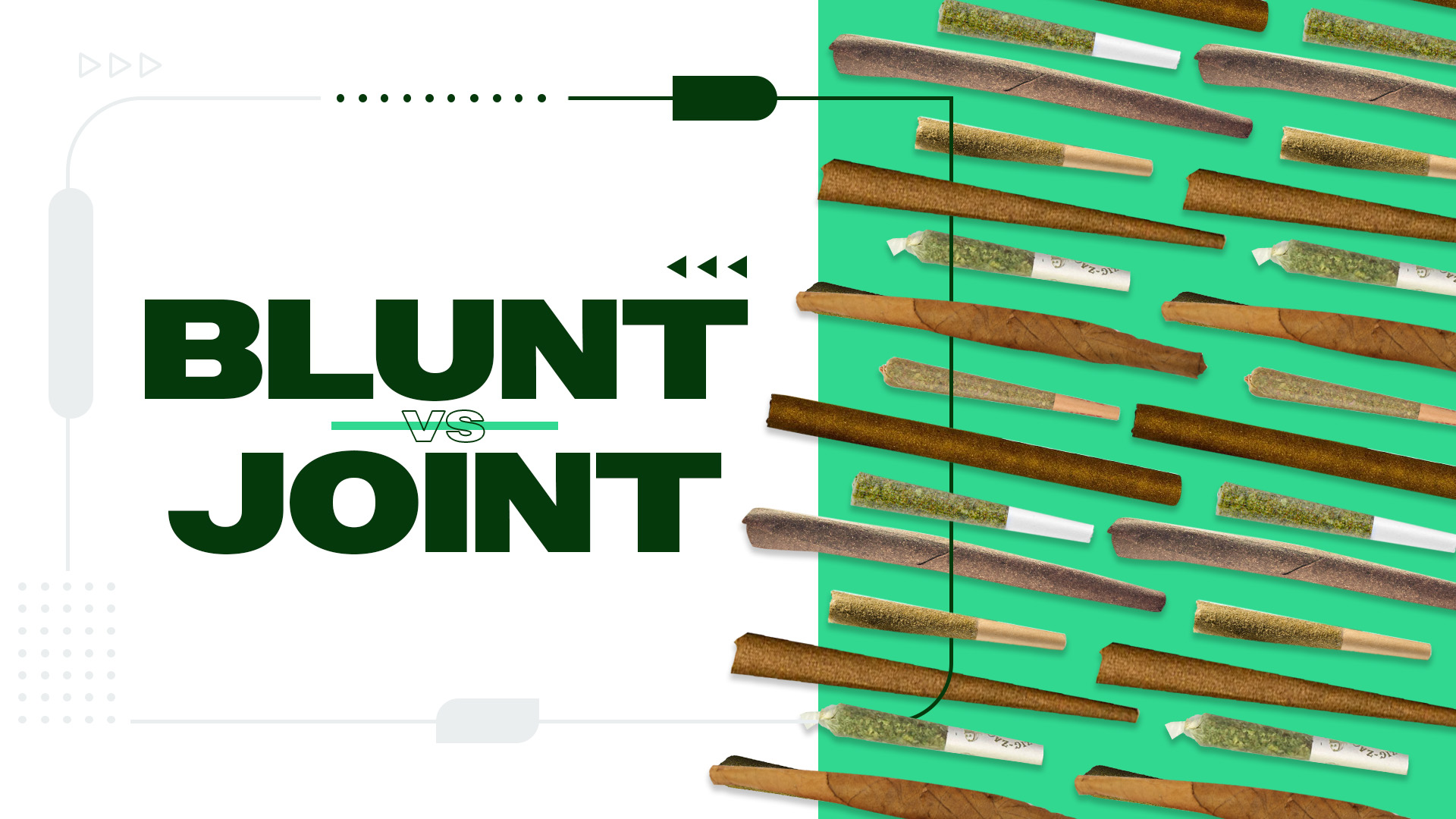
The terms “blunt” and “joint” are commonly confused by weed smokers, but they’re not the same thing.
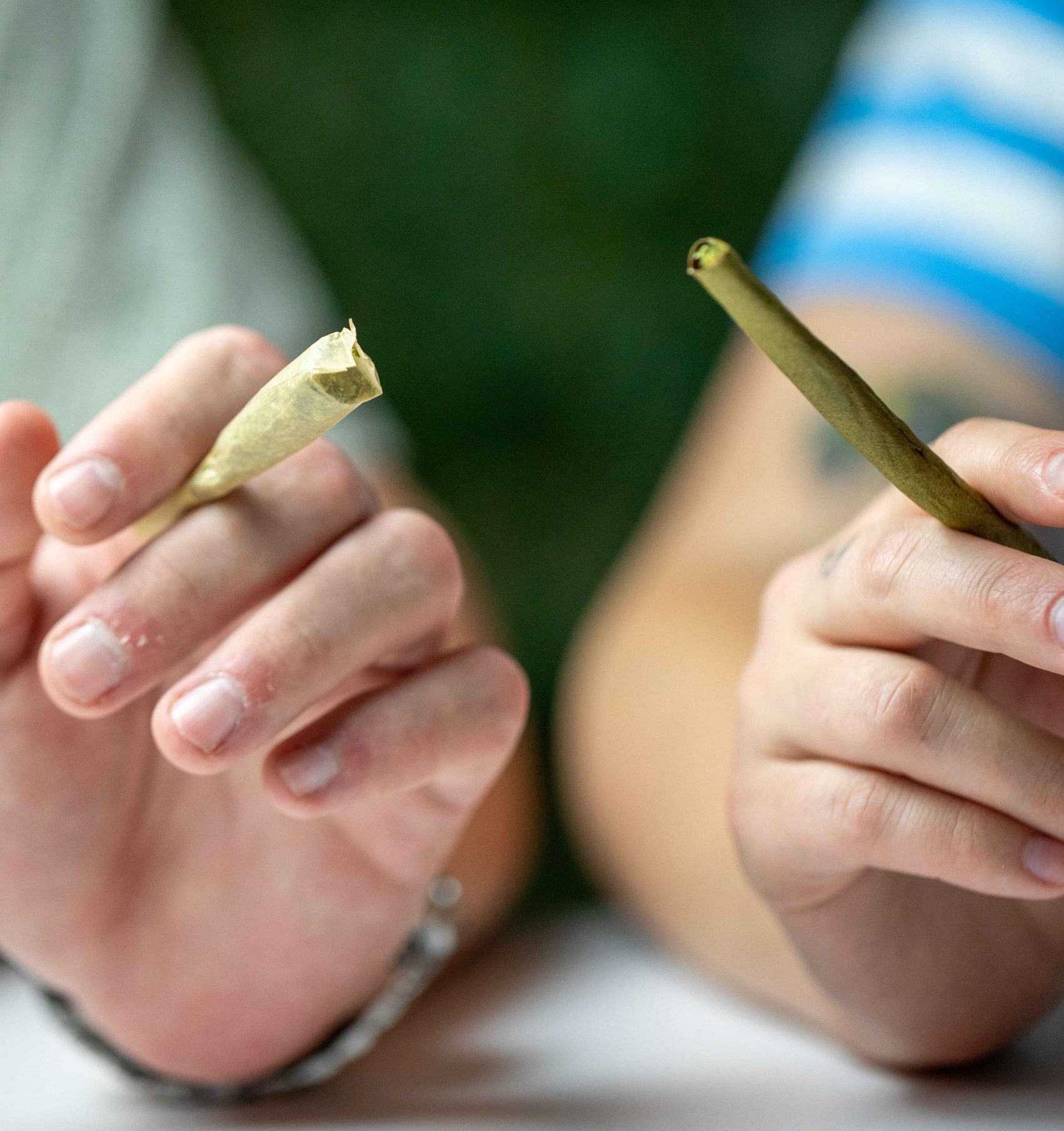
In short, blunts use blunt wraps, and joints use rolling papers. Blunts tend to hold more weed and will also induce nicotine high because of the tobacco in the blunt wraps.
Let’s dive into the blunt vs. joint debacle and see what we can learn!
TL;DR: What’s the Difference Between a Blunt and a Joint?
The difference between a blunt and a joint is that blunts are cannabis wrapped in tobacco blunt wraps, whereas joints are cannabis wrapped in rolling papers. People are likely to choose blunts over joints if they enjoy the taste of tobacco. Another difference between a blunt and a joint is that blunts contain more weed, as well as nicotine from the tobacco blunt wrap.
What is a Blunt?
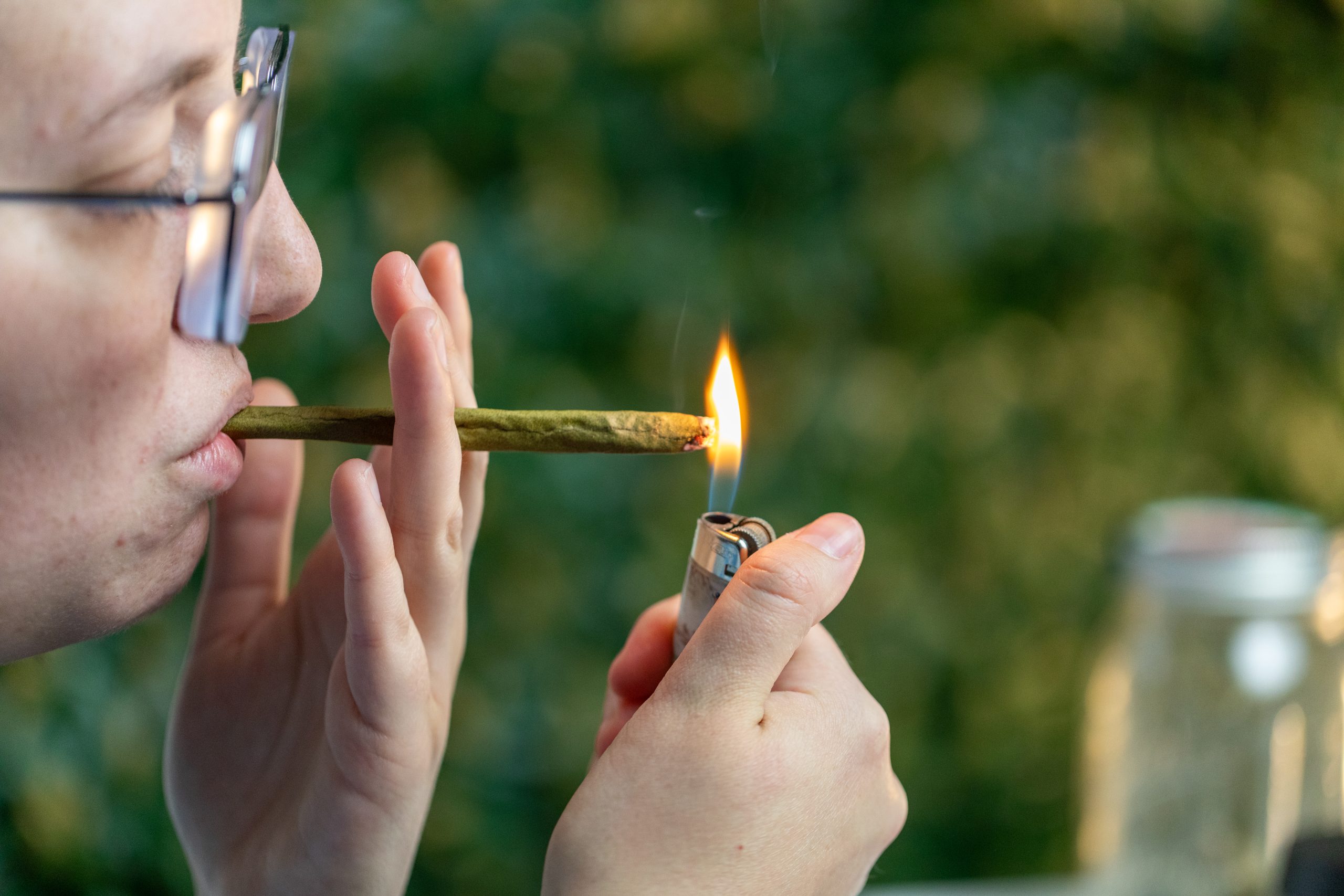
What is a blunt? A blunt is cannabis wrapped in a blunt wrap, which is made of tobacco leaves. Blunts are often confused with joints and spliffs because they serve similar purposes.
Rolling a blunt is when you put cannabis in a blunt wrap and roll it into a smokeable tube. It takes a lot of skill and may feel a bit different than rolling a joint if you’re used to rolling papers and not thick tobacco wraps. That being said, the steps are mostly the same.
When you’re learning how to roll a blunt, it’s important to learn from a variety of sources such as articles, videos, and friends. The more, the merrier!
Blunts are special because they contain more cannabis than joints due to their size and the heftiness of the wraps. They also give a nicotine high on top of a weed high, so blunts provide a unique experience for the smoker!
Pros
Benefits of a blunt include:
Unique taste due to the mixture of tobacco leaves and cannabis
The inclusion of nicotine creates a different high
Blunts are typically larger than joints or spliffs, meaning they typically last longer
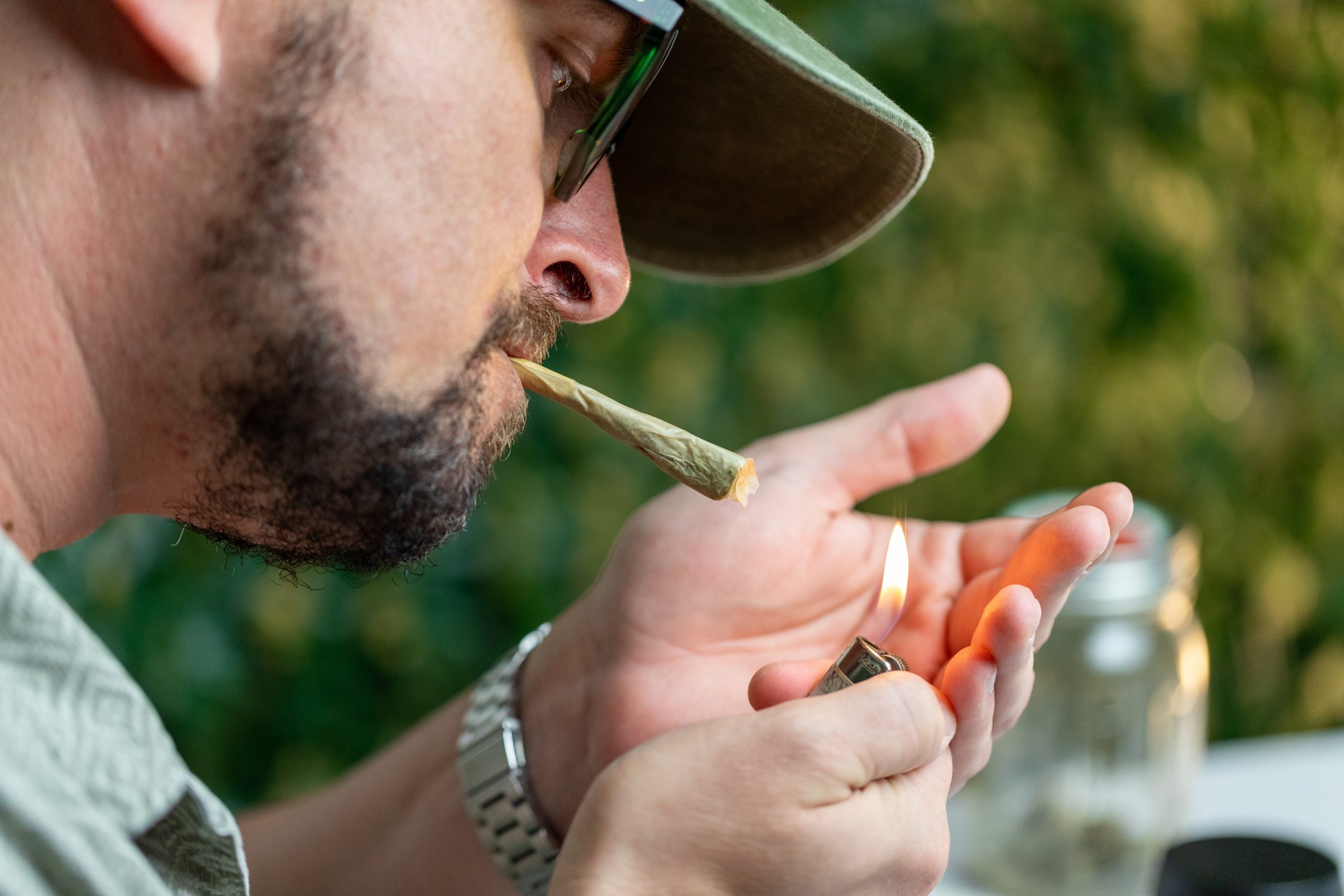
A joint is cannabis surrounded by rolling papers. You can either roll the joint, pack cones, or buy prerolls.
Rolling a joint is the act of putting cannabis in a piece of rolling paper, rolling it between your fingers so that it turns into a tube, and sealing it up so that it’s ready to smoke!
Learning how to roll a joint takes a lot of practice and precision. It’s important to read articles, watch videos, and even get hands-on lessons with your friends when you’re first starting out.
Everyone rolls joints with their own little flairs, tips, and tricks, so pay attention next time someone rolls a joint in front of you. You might learn a thing or two!
Joints are special because they’re great on the go, easy to fit in a pocket or bag, and are convenient to pass among friends.
Pros
Benefits of a joint include:
Great for walks and social events
Rolling papers include less toxins than blunt wraps
Levi Roberts writes with unflinching transparency about cannabis and its place in the world. He lives on unceded Lenapehoking land with his spunky partner and two roommates. Both roommates are cats. Truly, he’s just a goofy guy with a stubborn conviction for liberation, weed, and weird music.
In the confusing landscape of state-by-state medical marijuana legalization and federal prohibition lies a patient’s pursuit of a better quality of life, balanced with an unrestricted financial livelihood. In workplaces across many different medical marijuana legal states, no law guarantees that a valid, card-carrying MMJ patient status exempts an employee from termination or discrimination stemming…
It feels like every other day, a fresh slang term pops up in the cannabis lexicon, and today, we’re looking at an entry that’s all over TikTok and Reddit – Yart! Spoiler alert: it has everything to do with the humble vape cart (and how challenging it is to talk about cannabis on social media). …
The final stage of life often brings profound challenges for both patients and their families. For patients in hospice and palliative care, common symptoms not only affect the physical body but also their mental well-being. While traditional medications may dull pain, they often come with heavy sedation, confusion, and loss of clarity. Fortunately, medical cannabis…
The old “lazy stoner” stereotype is quickly fading. We now see bodybuilder moms using cannabis for better sleep, runners getting in the zone with the help of weed, and many other examples of cannabis being used in ways that counter the unmotivated stereotypes of the past. As legal access to the plant increases, more people…
If you’re planning to get a medical marijuana card in 2026, you might be wondering whether you need to meet with a certified cannabis doctor—either online or in person. Still, finding a qualified medical marijuana doctor near you can feel overwhelming and confusing if you’re not sure where to start. This guide shows you exactly…
The statements made regarding cannabis products on this website have not been evaluated by the Food and Drug Administration (FDA). Cannabis is not an FDA-approved substance and is still illegal under federal law. The information provided on this website is intended for educational purposes only and is not intended to diagnose, treat, cure, or prevent any disease. It is not intended as medical advice and should not be considered as a substitute for advice from a healthcare professional. We strongly recommend that you consult with a physician or other qualified healthcare provider before using any cannabis products. The use of any information provided on this website is solely at your own risk.