Your medical cannabis journey simplified: find partnered dispensaries, explore pricing options, earn rewards, and get answers to FAQs, all in one spot.
As more people get jobs in the cannabis industry, labor issues naturally crop up. We see cannabis workers mobilize and unionize in response to these issues every year. The United Food and Commercial Workers International Union (UFCW) was one of the first to embrace cannabis workers, and since then, many other organizers have welcomed cannabis laborers into their unions.
Unionization is a contentious topic among some employers and workers, though. And the cannabis industry is no exception. Last year, Oregon passed Ballot Measure 119 (“United for Cannabis Workers Act”), a law requiring cannabis businesses to allow their employees to unionize without interference. The passage was a win for employees who wanted to ensure safe and fair work environments across the Oregon cannabis industry.
Why The Rise In Cannabis Unions?
The rapid industry growth has fueled the rise in cannabis unions. As of 2024, more than 440,000 people worked full time in the industry. That figure doesn’t include all of the part-time and temporary workers who contribute to the market.
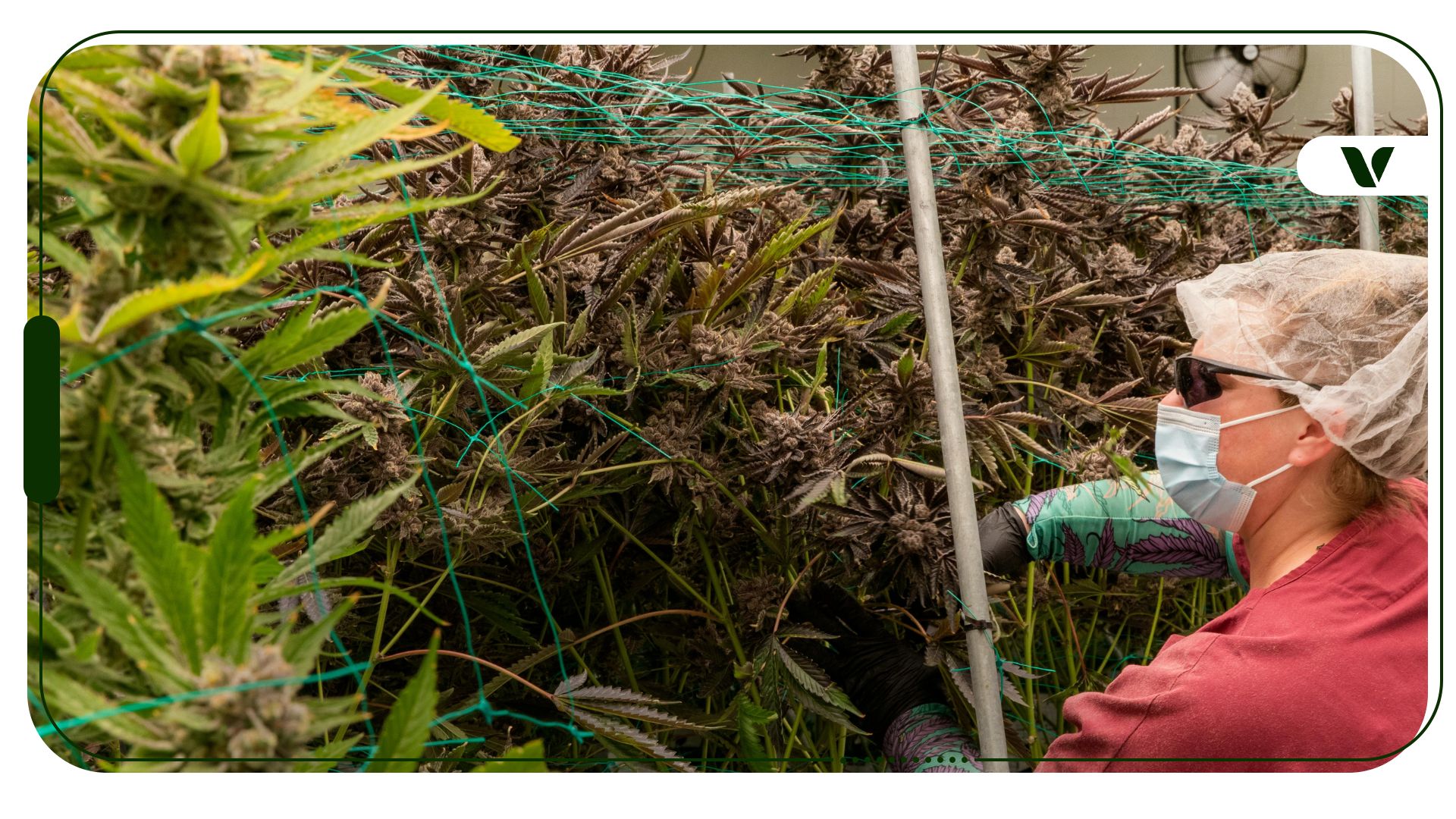
With such rapid growth, the industry has seen its fair share of exploitation and poor working conditions. The National Institute for Occupational Safety and Health (NIOSH) identifies several risks for safety and well-being in the cannabis workplace, including:
Chemical exposures to carbon dioxide, pesticides, volatile organic compounds, and ozone
Biological exposures to allergenic proteins, endotoxins, microbials, and other organic matter
Ergonomic hazards include noise, ultraviolet light, and heat stress
Safety hazards such as cuts, lacerations, electrical risks, fires and explosions, slips or falls, and working at heights
Mental health and well-being concerns, including communication issues, work organization, and violence in the workplace
A recent report from the UCLA Labor Center echoed these concerns, with more than 1,111 surveys and 50 in-depth interviews with California cannabis workers. The authors of the report found that 85% of cannabis workers shared a need for better health and safety protections, and between 70 and 80% of workers wanted more in-depth training.
Beyond that, 27% of women reported instances of workplace sexual harassment, and more than 62% reported some form of wage theft.
Recent Cannabis Union Stories
While we don’t have all day to list every single cannabis union-related story, here are some recent stories that highlight the rise in cannabis unions across the country:
See If You Qualify For Medical Marijuana -Select Your State!
Select Your State
Alabama
Alaska
Arizona
Arkansas
California
Colorado
Connecticut
Delaware
Florida
Georgia
Hawaii
Idaho
Illinois
Indiana
Iowa
Kansas
Kentucky
Louisiana
Maine
Maryland
Massachusetts
Michigan
Minnesota
Mississippi
Missouri
Montana
Nebraska
Nevada
New Hampshire
New Jersey
New Mexico
New York
North Carolina
North Dakota
Ohio
Oklahoma
Oregon
Pennsylvania
Rhode Island
South Carolina
South Dakota
Tennessee
Texas
Utah
Vermont
Virginia
Washington
West Virginia
Wisconsin
Wyoming
Never miss a post
Get updates on cannabis culture, new research, and expert insights
January 2025: “Cannabis Workers in Nevada Ratify First Contract”
Workers at the Las Vegas and Henderson, Nevada, locations of multi-state operator Ayr Wellness ratified their first union contract at the beginning of this year. About 120 members of UFCW Local 711 brought the negotiations to completion, with contract features including armed security at dispensaries, improved healthcare access, and better scheduling opportunities.
February 2025: “Eaze Workers Ratify Contract”
Earlier this year, nearly 500 workers for California-based delivery company Eaze ratified a new three-year agreement. Represented by UFCW Locals 5, 135, 324, and 770, the collective bargaining agreement covers delivery drivers, retail workers, and depot staff across 11 different locations.
March 2025: Washington State passes cannabis union bill
Despite more than 70% of public testimony being against the bill, Washington state successfully passed a cannabis union bill earlier this year. Signed into law the following month, the cannabis union bill allows for collective bargaining among cannabis agriculture workers in the state.
Cannabis workers at multi-state operator STIIIZY ratified a landmark three-year union contract earlier this year. Six UFCW unions across California worked to reach the agreement, which includes the highest union starting wages in the industry at $19.50/hour in Southern California and $20.50/hour in the Bay Area. The agreement also includes expanded sick leave, better job security, and guaranteed health insurance for part-time workers.
May 2025: “Arizona Cannabis Workers Ratify a First Union Contract”
Members of UFCW Local 99 working at Trulieve Cannabis Corp.’s production facility in Phoenix recently ratified their first union contract. It’s the first time agricultural cannabis workers have received union coverage in state history. Following more than a year of negotiations, the contract now includes guaranteed wage increases, paid holidays and leave, insurance coverage, guaranteed monthly samples, and due process for discipline/discharge.
June 2025: “Story Cannabis Workers in Mechanicsville, Md. Win First Union Contract”
Story Cannabis workers in Mechanicsville, Maryland, successfully ratified their first union contract in June. Workers at this branch of the multi-state retailer are now guaranteed yearly raises, minimum hours per shift, seniority privileges, a retirement plan, and protection from unfair discipline.
Anti-Union Sentiment In the Cannabis Industry
While the above negotiations and bill passages are indicative of a move toward better labor practices across the industry, they haven’t all been embraced by employers and other industry players.
In 2023, cannabis dispensary operator I.N.S.A. was found to have engaged in illegal conduct intended to signal to workers that they could be fired for supporting unions. A year before that, the National Labor Relations Board ruled that a Chicago Curaleaf location had violated federal law when it refused to bargain with workers.
We won’t go into why cannabis workers may oppose unions for this story, but we will highlight that interfering with union negotiations is typically illegal. Here’s what the National Labor Relations Board says about it:
“Employees have the right to unionize, to join together to advance their interests as employees, and to refrain from such activity. It is unlawful for an employer to interfere with, restrain, or coerce employees in the exercise of their rights. For example, employers may not respond to a union organizing drive by threatening, interrogating, or spying on pro-union employees, or by promising benefits if they forget about the union.”
Looking ahead, it appears that many more cannabis workers will look to unionize to protect their rights. And we can also expect more attempts at breaking up these negotiations. After all, labor negotiations have historically been a battle, even dating back to the 1800s.
Macey is a freelance writer from Seattle. She's covered the cannabis industry extensively, emphasizing the economic opportunities for Indigenous entrepreneurs. Her writing focuses on the people, stories, and labors of love behind every venture.
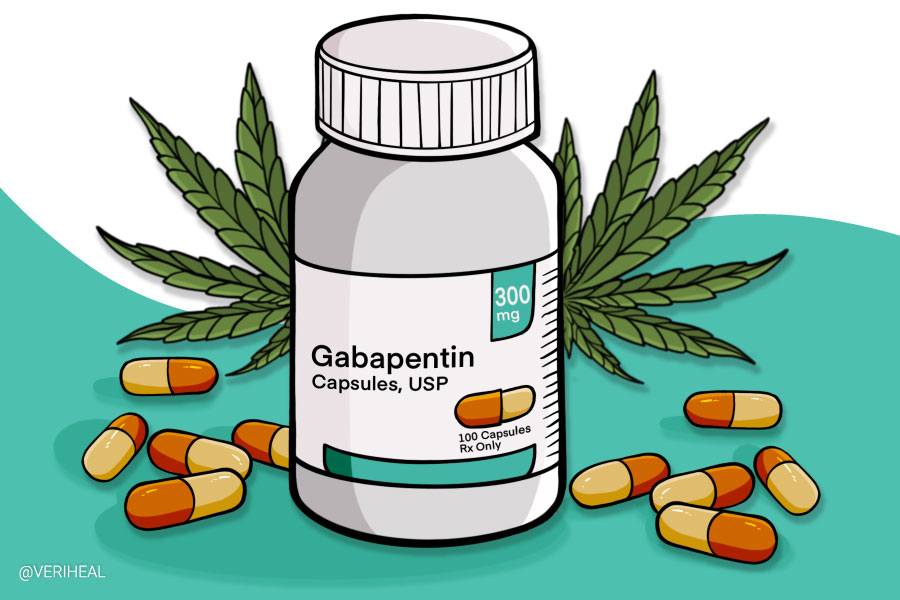
According to the New York Times, 64 million gabapentin prescriptions were dispensed in 2016, with numbers continuing to rise each year. Many patients now explore medical cannabis as an alternative after experiencing gabapentin’s concerning side effects, including FDA warnings about serious respiratory problems. Both treatments target similar conditions like nerve pain and seizures, but they…
An Oklahoma medical marijuana card provides legal protection under state law, but it can still affect employment, commercial driving, firearms, privacy, and federally regulated situations. This guide explains the main consequences to consider before applying, including workplace drug testing, CDL rules, insurance, housing, and registry privacy.
Getting a medical marijuana card in Oklahoma can be completed online, with no specific qualifying condition required for adult applicants. This guide covers eligibility, telehealth evaluations, required documents, OMMA application steps, fees, processing times, and what patients can do once approved.
A same-day telehealth appointment in Oklahoma can get you a physician recommendation quickly, but OMMA still needs to process your medical marijuana license application. This guide explains the timeline, required documents, costs, and when you can legally visit a dispensary while waiting for the physical card.
Medical marijuana has been legal in Oklahoma since 2018, with eligibility determined by physician judgment rather than a fixed list of qualifying conditions. This guide explains how the OMMA program works, patient rights and possession limits, recreational cannabis laws, federal restrictions, and how Oklahoma compares with neighboring states.
The statements made regarding cannabis products on this website have not been evaluated by the Food and Drug Administration (FDA). Cannabis is not an FDA-approved substance and is still illegal under federal law. The information provided on this website is intended for educational purposes only and is not intended to diagnose, treat, cure, or prevent any disease. It is not intended as medical advice and should not be considered as a substitute for advice from a healthcare professional. We strongly recommend that you consult with a physician or other qualified healthcare provider before using any cannabis products. The use of any information provided on this website is solely at your own risk.