Your medical cannabis journey simplified: find partnered dispensaries, explore pricing options, earn rewards, and get answers to FAQs, all in one spot.
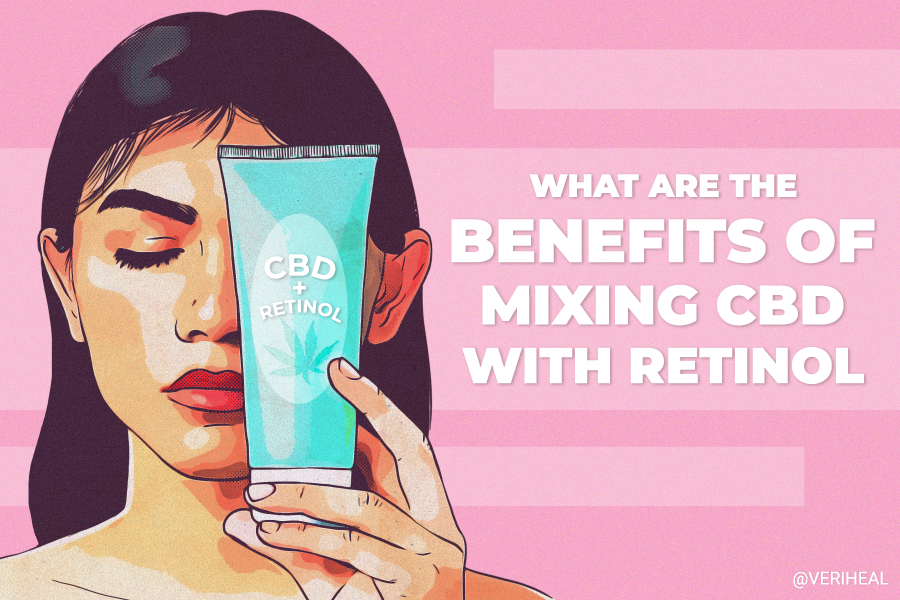
Retinol, a fat-soluble vitamin belonging to the vitamin A family, is a high-demand product. So much so, in fact, that the global retinol segment of the skincare market is forecast to generate $29.97 million USD by 2027. Although a favored medicine for the face and other areas of skin, retinol is renowned for causing inflammation, particularly in patients who have sensitive skin.
Enter CBD, which is acknowledged by scientists as a natural anti-inflammatory. The cannabinoid’s remedial properties make it an appealing choice for people who wish to soothe their skin from irritation. That’s not all CBD can do, however. The plant-derived chemical is also a natural anxiolytic, analgesic, and neuroprotective agent, making it a wonderful sidekick to retinol!
Let’s find out more about what CBD and retinol can do for your skin.
CBD’s Benefits for Skin
Firstly, let’s touch upon an abundant therapeutic that has garnered heaps of media attention over the last few years: CBD. Otherwise known by its scientific name cannabidiol, CBD is unlike its popular cousin THC (tetrahydrocannabinol) in the respect that it does not produce mind-bending states of awareness in its users.
Instead, CBD is well-known for its remedial qualities. Based on what we have already learned from the currently limited realm of scientific studies and research into CBD, this cannabis compound could prove useful for promoting brain health, relieving anxiety, reducing stress, easing pain, and amplifying skin health.
When adopted as a skincare agent, the user (or product manufacturer) may consider CBD’s anti-aging effects. Although more research is needed, CBD does demonstrate the ability to preventpremature aging by banishing harmful free radicals, easing skin that is dry, red, itchy, and/or inflamed, restoring normal sebum production, and improving collagen production.
Retinol’s Benefits for Skin
Considering the aforementioned benefits of CBD for skincare, the addition of retinol seems like a match made in heaven. Also known as “vitamin A,” retinol is a type of retinoid that many people turn to for its purported anti-aging benefits.
This chemical is used in a variety of ways by cosmetologists to help decrease the appearance of wrinkles and other signs of facial aging on the face. Doctors may also choose to prescribe retinoids as a treatment for numerous kinds of skin conditions, including psoriasis.
Retinoids come in different potencies, with over-the-counter (OTC) retinoids usually being the mildest. Since retinoids can cause skin inflammation, it’s essential to consider the potency before buying retinol products.
Aside from boosting collagen production, retinoids encourage cell regeneration, treat acne, unblock pores, and help clear blackheads. In most cases, retinoids can be found in eye creams, facial serums, lotions, and moisturizers.
The Combined Effects of CBD and Retinol
Used independently from one another, CBD and retinol offer users a profusion of admirable effects. Now, just imagine blending the two—extra power for improving the skin’s appearance, texture, and overall health! That’s without even considering some other add-ons like vitamin E and hyaluronic acid, which can deliver a delicious dollop of hydration and rejuvenation.
Since retinol may cause irritation to sensitive skin, it’s understandable why people would want to combine it with CBD, which is acknowledged as a natural tool for relieving inflammation. In fact, a study featured in the European Journal of Pain showed that CBD may reduce pain and information in animal models of arthritis.
With this information in mind, a combination of CBD and retinol for skincare could help a person to better tolerate retinoids and enjoy faster results. Even more impressive is the fact that the cannabinoid does not minimize the efficacy of retinoids.
How to Use CBD and Retinol Together
Similarly to retinol, CBD is widely adopted as a skincare ingredient, although the use of retinol in skincare is much more common due to the fact it is not derived from a federally illegal ingredient like cannabis. Despite the perks when used independently, they certainly complement one another when combined.
Notwithstanding the benefits, it is critical for users to practice the correct application of CBD and retinol for skincare. First thing’s first—consumers ought to select their products with care and attention. While some people may prefer to buyretinol and CBD separately, others will blend the two.
Whatever you decide, keep one thing in mind: Find a premium brand that sells high-quality products and begin with small concentrations until your skin becomes more tolerant to the active chemicals contained in retinol or/and CBD products.
Application is also important since retinol skincare products must be applied to clean, dry skin. Consider loading up on an SPF to shield yourself from UV sun rays, since retinol can amplify skin sensitivity. CBD, on the other hand, can be paired with an oil-based moisturizer 30 minutes post-application to soothe any irritation.
Bethan Rose is a cannabis advocate, writer and traveler with no permanent address. Currently based in Bali, she can usually be found curating cannabis content on her hammock.
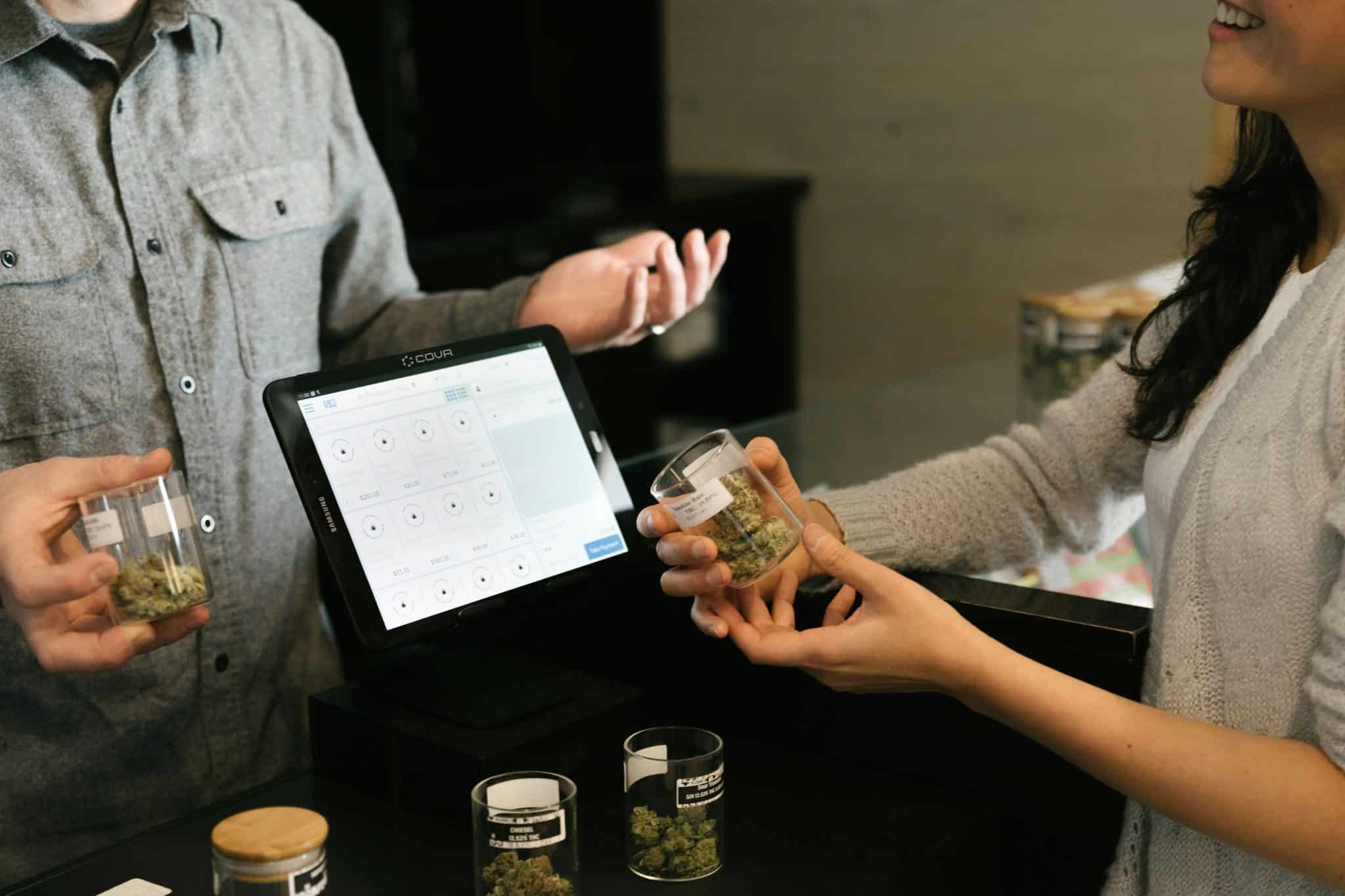
Oklahoma’s medical-only dispensary market gives licensed patients access to a wide range of cannabis products, but every purchase must follow OMMA rules. This guide explains how to find licensed dispensaries, what identification to bring, purchase and possession limits, product testing, pricing, and what to expect during a visit.
Oklahoma’s advertised $25 medical marijuana card renewal covers the physician evaluation, but patients must also pay a separate OMMA license fee. This guide explains the full renewal cost, reduced-fee eligibility, required documents, online renewal steps, processing times, and the new physician recommendation requirement.
An Oklahoma medical marijuana card provides legal protection under state law, but it can still affect employment, commercial driving, firearms, privacy, and federally regulated situations. This guide explains the main consequences to consider before applying, including workplace drug testing, CDL rules, insurance, housing, and registry privacy.
Getting a medical marijuana card in Oklahoma can be completed online, with no specific qualifying condition required for adult applicants. This guide covers eligibility, telehealth evaluations, required documents, OMMA application steps, fees, processing times, and what patients can do once approved.
A same-day telehealth appointment in Oklahoma can get you a physician recommendation quickly, but OMMA still needs to process your medical marijuana license application. This guide explains the timeline, required documents, costs, and when you can legally visit a dispensary while waiting for the physical card.
The statements made regarding cannabis products on this website have not been evaluated by the Food and Drug Administration (FDA). Cannabis is not an FDA-approved substance and is still illegal under federal law. The information provided on this website is intended for educational purposes only and is not intended to diagnose, treat, cure, or prevent any disease. It is not intended as medical advice and should not be considered as a substitute for advice from a healthcare professional. We strongly recommend that you consult with a physician or other qualified healthcare provider before using any cannabis products. The use of any information provided on this website is solely at your own risk.