1-855-452-6224 (Customer Support Available 24/7)

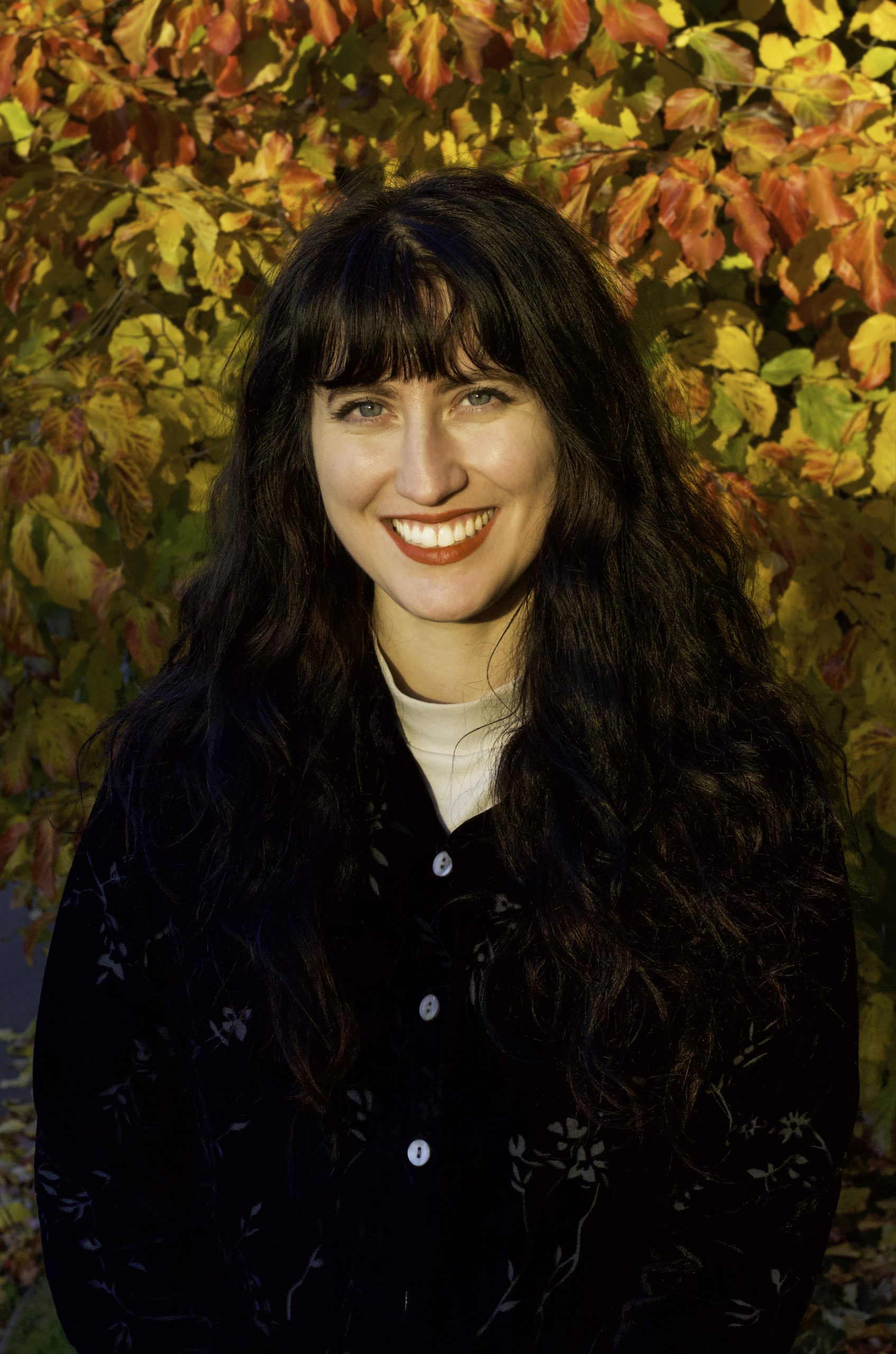
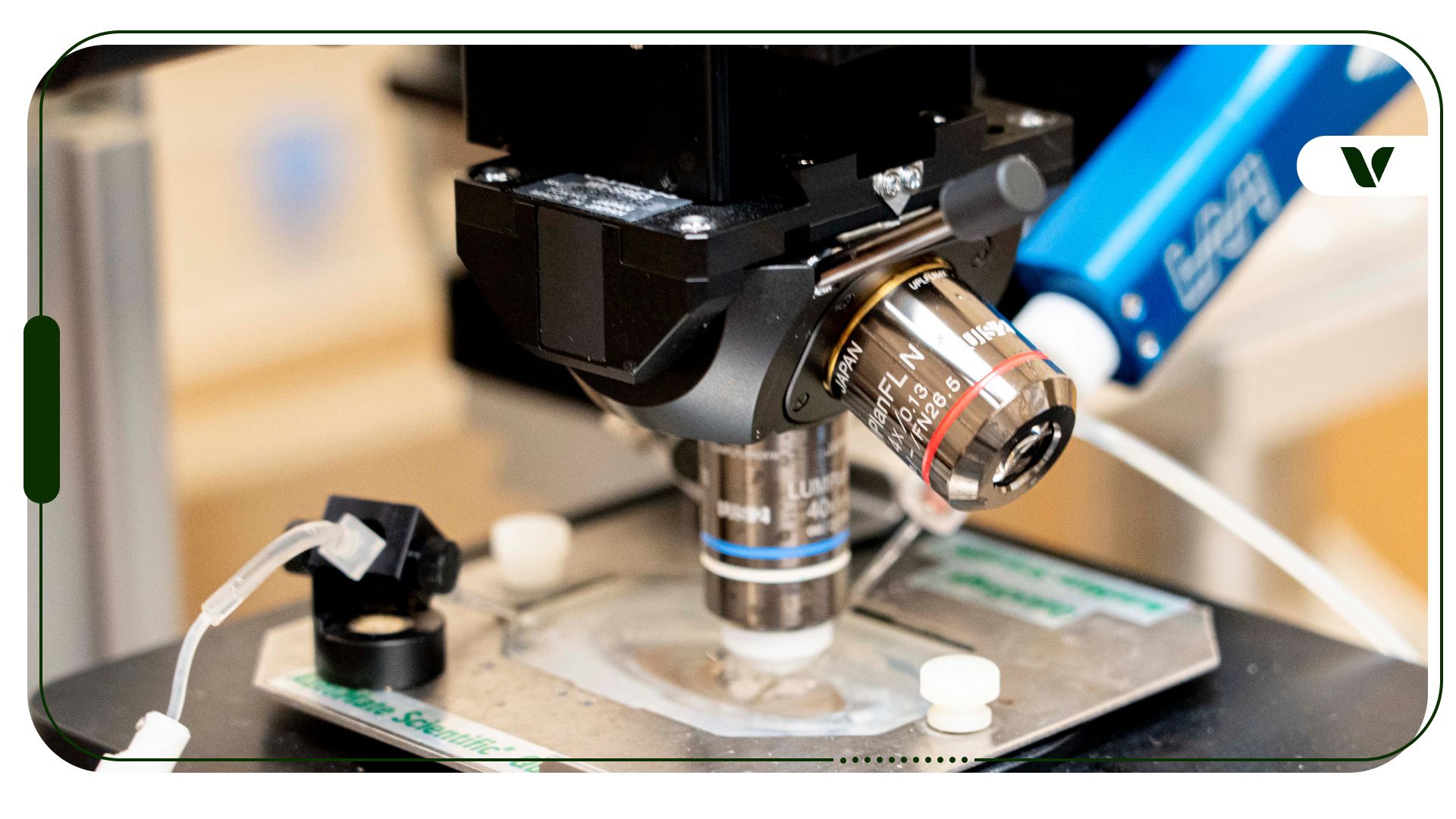
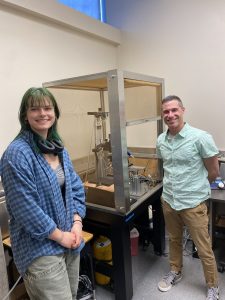
I recently returned to my alma mater, Western Washington University, to speak with Josh Kaplan, PhD, an associate professor of Behavioral Neuroscience. As I made my way to his office, (While attending WWU, I rarely visited the side of campus that hosts the cannabis research lab, save for the times I walked past it to sneak off to the woods.) I saw a flyer for “Weed Awareness Week,” which featured a discussion on cannabis use and sexual consent, among other topics for the 4/20 holiday.
Kaplan shared some of his expertise and showed me around the student-run lab, which gives mostly undergraduate students the opportunity to pursue their research interests. I spoke briefly with student lab manager, Olivia Dillemuth, who told me she’s been researching CBD and the different types of stress.
“There are a lot more angles to this than I originally thought. Even just with CBD and stress relief, I have two entirely different projects going,” Dillemuth explained. “Last summer, I spent upwards of three or four hundred hours inducing early life stress and then feeding our mice edible cannabis via artificial bacon-flavored dough.”
Kaplan recently received a $400,000 grant from the National Institutes of Health to continue his cannabis-based therapeutic treatments research at WWU. At the time of my visit, the grant was still standing, despite recent cuts to NIH grant awards.
Here’s a snippet of our conversation:
JK: I never went into science to study cannabis. I went to the University of Washington for my postdoc and joined a lab to study pediatric epilepsy and autism. There’s a rare pediatric condition known as Dravet syndrome, characterized by severe epileptic seizures and other symptoms. The lab I was working with had an animal model of Dravet syndrome; the mice had a lot of the same symptoms that human kids did. When I got there, they said, “Josh, you have a background in behavioral neuroscience. Do you mind just testing this new potential medicine?”
I tested it on the animals and it was remarkably effective. It reduced seizure activity and improved social behavior and had a whole bunch of other benefits; that drug happened to be CBD.
At that point, my research focus shifted to what the heck is this thing and how can we optimize it for therapeutic purposes?
Western is an undergraduate institution. We’ve had some master’s students come through the lab, but it’s predominantly undergraduate run. We have some that are trained and experts in animal behavioral analysis, others in mass spectrometry analysis, and some that are trained in electrophysiology techniques. It’s all part of this larger picture, and we have different teams working on different aspects of the project.
Some of it is derived from my ideas, but most of it is from the students themselves. If they want to do a technique that I don’t know how to do, they have to learn it. I’m happy to support them.
We have people studying everything from cannabinoid effects on brain cell signaling and anandamide expression, to a new group that’s really interested in cannabinoid effects on the gut-brain axis. They’re looking at how it’s affecting the microbial environment in the gut, which could in turn affect things like brain inflammation and other contributors to the disease-like state.
The challenge with the human stuff is that they’re often limited in the dose ranges used. Very few studies look at a comprehensive dose range. The ones that have seem to find that CBD works within a narrow dose range–this inverted U-dose response curve. There are a lot of human studies that conclude CBD isn’t doing anything. But the question is: Is it really not doing anything, or have they just missed the therapeutic dose window?
There are a lot of rodent studies that show the benefits of CBD, and it just doesn’t seem to translate well to humans for all those conditions. But I still think we’re at the infancy of our understanding of how this works. If we can optimize or better understand CBD dosing, I think we will start to see benefits in the human population more.
Let’s start with the idea that CBD is bullshit and doesn’t work.
I don’t think CBD has much of a noticeable effect if there’s no need for it. I have a little bit of objective evidence for this, but a lot of it is just my experience working with this over many years with different animal models.
Back at the University of Washington during my postdoc, I was studying the electrical communication patterns between our brain cells in our mouse model of epilepsy. But we also had a control healthy animal model that didn’t have epileptic seizures or anything. If I put CBD onto their brain tissue and measured electrical signaling, it didn’t really do much.
If I looked at CBD’s effects–same dose, same concentration–in the epilepsy loss model, there were massive changes. It indicated that maybe CBD has a noticeable effect when there’s truly this need, this underlying pathological state that needs to be corrected.
So if people are like, “Oh, I need this to help me sleep,” maybe they don’t really need it, so CBD is not doing much. It seems to be effective in trial after trial, in children who suffer from epileptic seizures, in kids with severe forms of autism, a whole host of things, where, at the core, there’s this massive imbalance in brain activity that needs to be corrected.
The other piece is the importance of dosing. There are a lot of CBD gummies out there that are like five milligrams. That’s a very low dose, especially when taken orally where a bunch of that is going to be cleared out during first-pass metabolism, You look at these kids who are using it for seizures and autism, and in some of these clinical trials, you’re talking hundreds of mg, if not over a gram, of CBD to get these benefits. So, a five milligram gummy in an adult is probably not doing all that much.
There’s some evidence that if you have an isolate versus a whole plant, the whole plant does better. But why? We really don’t know the answer to that. One of our goals is to do a comprehensive assessment of these entourage-like effects.
We’ve looked at CBD isolate versus individual terpenes, like linalool and beta-myrcene.
There’s some benefit in combining the two for things like anxiety. We’ve also seen benefits of cannabis-inspired terpene blends like Do-Si-Do, Blue Dream, and OG Kush terpenes. What if we combine those with CBD? We get more reliable pro-social effects in our mouse models of autism.
I really do believe that there are benefits to systematically adding terpenes together. One of our latest studies, which hasn’t been published yet, combines beta-caryophyllene with CBD. It seems to, at least from the molecular standpoint of the brain, be more protective against the harm of early-life stress. To me, that screams entourage effect.
READ: New Study Further Confirms Entourage Effect Of Cannabis
Despite there being some anecdotal reports that THC can help children with a variety of conditions, I’m more interested in the CBD arm because I believe there is a higher safety profile for it. I believe we can achieve the same therapeutic benefits by better understanding and optimizing CBD-based approaches without needing THC for these kids.
How can we expand this therapeutic efficacy range? How can we make it effective for all people who are trying to use it across a variety of conditions? Can we use it to treat multiple symptoms at one time? That was the mindset I brought here to Western.
Sign up for our newsletter
Learn the process in your state
All Rights Reserved Veriheal Inc. ©
Terms Privacy Policy Advertising Agreement Content Disclamer


Get your medical marijuana card today
Sign up in under 5 minutes
Start By Selecting Your State
 Alabama
Alaska
Arizona
Arkansas
California
Colorado
Connecticut
Delaware
Florida
Georgia
Hawaii
Idaho
Illinois
Indiana
Iowa
Kansas
Kentucky
Louisiana
Maine
Maryland
Massachusetts
Michigan
Minnesota
Mississippi
Missouri
Montana
Nebraska
Nevada
New Hampshire
New Jersey
New Mexico
New York
North Carolina
North Dakota
Ohio
Oklahoma
Oregon
Pennsylvania
Rhode Island
South Carolina
South Dakota
Tennessee
Texas
Utah
Vermont
Virginia
Washington
West Virginia
Wisconsin
Wyoming
Puerto Rico
Alabama
Alaska
Arizona
Arkansas
California
Colorado
Connecticut
Delaware
Florida
Georgia
Hawaii
Idaho
Illinois
Indiana
Iowa
Kansas
Kentucky
Louisiana
Maine
Maryland
Massachusetts
Michigan
Minnesota
Mississippi
Missouri
Montana
Nebraska
Nevada
New Hampshire
New Jersey
New Mexico
New York
North Carolina
North Dakota
Ohio
Oklahoma
Oregon
Pennsylvania
Rhode Island
South Carolina
South Dakota
Tennessee
Texas
Utah
Vermont
Virginia
Washington
West Virginia
Wisconsin
Wyoming
Puerto Rico