Your medical cannabis journey simplified: find partnered dispensaries, explore pricing options, earn rewards, and get answers to FAQs, all in one spot.
Humans have been using magic mushrooms for millennia, mostly for spiritual and healing purposes. In recent decades, scientists have studied their effects, exploring their potential for mental health treatment. Psilocybin, the primary psychoactive compound in magic mushrooms, has proven to be particularly useful.
For instance, psilocybin therapy shows promise in treating conditions like depression, anxiety, PTSD, and addiction. This is thanks to psilocybin’s effects on serotonin receptors, which play a key role in mood regulation and cognitive performance.
What Are the Different Types of Magic Mushrooms?
There are more than 100 types of magic mushrooms around the world, all containing psilocybin, which is the compound that produces mind-altering effects. While these mushrooms share similar chemistry, their appearance, potency, taste, and typical use can differ quite a bit. Understanding these differences helps with magic mushroom identification and responsible use.
Below are some of the most recognized psychedelic mushrooms and what sets them apart:
Psilocybe Cubensis (Golden Teachers)
Psilocybe cubensis is the most recognizable and widely cultivated type of magic mushroom. It has golden-brown caps that darken in the center, and thick, pale stems that bruise blue when handled. It also tastes earthy and slightly bitter, especially when dried.
While the effects of Psilocybe cubensis vary from person to person, most users report gentle visuals, a sense of euphoria, and moments of introspection that aren’t overwhelming. That’s because it containsroughly 1% psilocybin per gram of dried shrooms. This moderate potency makes it one of the most approachable psychedelic mushrooms for beginners.
Psilocybe Semilanceata (Liberty Cap)
One of the most potent naturally growing species, Psilocybe semilanceata, is small but mighty. It has a cone-shaped cap that can be light tan or dark brown, depending on moisture. On the underside of the cap, you’ll find 15 to 27 narrow gills that darken as the shroom matures.
Found in grassy meadows and pastures, Liberty Caps have a sharp, slightly metallic taste. Their effects are intense, often producing vivid visuals and deep emotional insight. Because of their strength, they aren’t ideal for first-timers.
Psilocybe Cyanescens (Wavy Cap)
Most commonly found in North America, New Zealand, Central and Western Europe, and parts of the Middle East,Psilocybe cyanescens is instantly recognizable. It has a wavy-edged, caramel-colored cap that turns blue-green when bruised.
You can find this psychedelic mushroom growing on wood chips or mulch, especially in cooler, damp regions. The flavor is quite bitter and woody, and it is highly potent, packing about two to three times the potency of P. cubensis. It can cause intense and deeply immersive hallucinations, which is why seasoned users like it.
Psilocybe Azurescens (Flying Saucer Mushroom)
With broad, saucer-shaped caps and thick stems that bruise a deep blue, Psilocybe azurescens is among the strongest types of magic mushrooms. It has a bitter, fibrous taste and grows mainly along the coastal regions of the U.S. Pacific Northwest.
Because of its extreme potency, even small doses can trigger intense visual and emotional effects. Most users turn to it for ceremonial or spiritual experiences rather than casual trips.
Psilocybe Mexicana (Conical Caps)
Small but historically significant, indigenous North Americans used Psilocybe mexicana in sacred rituals. It’s also the first magic mushroom species from which psilocybin wasisolated in the 1950s.
Its conical caps are light brown to yellowish, and it has a mild, earthy taste compared to other varieties. The effects are typically gentle and introspective, making it a good option for people seeking a calmer or more spiritual experience.
Psilocybe Baeocystis (Bottle Caps, Blue Bells, or Olive Caps)
Psilocybe baeocystis has dark olive-brown caps that turn bluish when bruised. It has a bitter, musty flavor and can be moderately to strongly potent. Its unpredictable potency makes it a better fit for experienced users comfortable with intense or unexpected psychedelic effects.
Beyond the Mushrooms: Exploring the Future of Psilocybin
The future of psilocybin looks increasingly promising as research and public perception continue to evolve. Once dismissed as a purely recreational substance, psilocybin’s effects are gaining recognition as a possible treatment for depression, anxiety, PTSD, and addiction.
Clinical trials by Johns Hopkins found that using psilocybin can providelasting mental health benefits. These benefits include reduced anxiety and depression, and improved emotional stability and cognitive flexibility. It could also help treat substance abuse disorders.
Separate research by NYU Langone Health experts shows that psilocybin-assisted psychotherapy can help cancer patients cope better both emotionally and mentally. It may also help with depression, anxiety, obsessive thoughts, and pain, with benefits lasting up to six months post-treatment.
Taken together, these studies suggest psilocybin’s future lies not just in recreational or spiritual use, but as a legitimate tool for mental health care. Governments around the world are beginning to revisit outdated drug policies, with several regions already decriminalizing or legalizing psilocybin therapy. Still, there’s a need for more research to understand psilocybin’s risks, proper dosing, and long-term effects on the brain and behavior.
The effects of psilocybin mushrooms can vary based on several factors, such as dosage, the mushroom species, individual tolerance, and mindset. For example, a high dose may trigger intense visual distortions, paranoia, and overwhelming emotional experiences. However, with the right psilocybin dose anda calm, supportive setting, you may experience benefits like:
Elevated mood
Deep self-reflection
A stronger sense of connection to yourself and the world around you
Studies also show that psilocybin may increase neuroplasticity, helping the brain heal and form new connections that support learning, emotional growth, and healthier thought patterns.
What is the Legal Status of Psychedelic Mushrooms Around the World?
Besides parts of the U.S., other countries have begun embracing magic mushrooms. Australia, the Czech Republic, Switzerland, and Germany have either decriminalized personal use or approved psilocybin for specific medical treatments. In Australia, for instance, authorized psychiatrists can prescribe psilocybin for depression and PTSD.
Portugal and Spain focus more on harm reduction than punishment, allowing possession of small amounts for personal use. Parts of Canada have also relaxed restrictions, granting limited medical exemptions for psilocybin-assisted therapy, especially for those facing depression, anxiety, or end-of-life distress. In cities like Vancouver and Toronto, dispensaries even sell psilocybin products openly despite federal laws still prohibiting them.
However, the European Union and the United Kingdom still classify psilocybin as a controlled substance, making its possession, sale, or use illegal without special research authorization. Even so, growing global acceptance signals a shift toward viewing psychedelics as tools for healing rather than crimes to punish.
Frequently Asked Questions
How Many Types of Magic Mushrooms Are There?
There are over a hundred known species of magic mushrooms that contain the psychedelic compounds psilocybin and psilocin. Each species and strain offers a distinct psychedelic experience, depending on its psilocybin or psilocin content and other factors.
What’s the Difference Between Magic Mushrooms and Psilocybin?
Magic mushrooms contain the psychedelic compound psilocybin. When consumed, the body converts psilocybin into psilocin, which triggers various effects like hallucinations, mood shifts, and altered perception. Simply put, magic mushrooms are a natural source of the mind-altering compound psilocybin.
What is the Most Commonly Found Psilocybin Mushroom in the World?
Psilocybe semilanceata and Psilocybe cubensis are the two most commonly found psilocybin mushrooms. P. semilanceata grows across temperate regions like Europe, North America, and New Zealand. P. cubensis, on the other hand, prefers warmer tropical and subtropical climates like those in South America, Southeast Asia, and parts of Australia and Africa.
How Long Does Psilocybin Stay in Your System?
Psilocybin converts into psilocin shortly after ingestion and typically leaves the body within 12 to 24 hours. Traces may remain in urine for two to three days, though standard drug tests rarely detect it.
What is Psilocybin Used to Treat?
Psilocybin shows promise as a treatment for depression,anxiety, PTSD, and addiction. Studies suggest it can help reset negative thought patterns, ease emotional distress, and support mental well-being when used in proper doses under guided therapy.
What Are the 7 Powerful Mushrooms?
Many consider Psilocybe azurescens, Psilocybe semilanceata, Psilocybe cyanescens, Psilocybe cubensis, Psilocybe baeocystis, Psilocybe tampanensis, and Psilocybe mexicana to be the most powerful psychedelic mushrooms.
What Are Other Names for Magic Mushrooms?
Other popular names for magic mushrooms include psychedelic mushrooms, psilocybin mushrooms, shrooms, Alice, boomers, buttons, caps, mushies, and golden tops.
Tobi Moyela is an avid cannabis enthusiast who enjoys creating helpful, educational content that helps others better understand cannabis, especially its potential uses and benefits. When he's not researching or writing for brands, you can find him watching anime, cooking, or reading his latest fiction finds.
Psychedelic shroom in microdose capsules interest me. I make capsules of various nutraceutical compounds -none of them psychedelic. But in my past, I found comfort and artistic expression enhanced by the consumption of occasional psychedelics. I am interested in psilocybin. A small quantity of dried psilocybin could be useful.
Hello, i need some dryed magic shrooms sir , i want to heal had some from the person i am healing with but we are out of spores and the weather here is not good for them
The best way to get the quantity that you want is just to grow them yourself. It’s extremely easy and there are plenty of resources on the internet to purchase both the spores and the growth medium.
Hi Ashley,
I’ve been researching micro dosing mushrooms and where I live Nevada we have ketamine clinics and I’ve found some online mushroom growing tips and some connections to getting the spores but I would rather grow my own that way I know what it’s been exposed to and how they were cared for. I’m 60 and have severe multiple PTSD and tried every except electroshock… which I will never try. I hold a medical marijuana license it’s been my goal to completely get off Big Pharma poison and I’m down to two prescriptions all the health needs I get from organic eating and organic supplementing. If you have any suggestions to help I’m very interested and grateful.
I’m 65. Long-time PTSD, depression, anxiety, agoraphobia. Had the honor of participating in a ceremony last month, and experienced some relief. But mushrooms seem impossible to find in chicago — at least for an old lady! Growing them and drying them seems a little overwhelming. Any suggestions would be greatly appreciated. Thank you so much!
Hey, I’m a 63 year old Gramma that recently used shrooms to micro dose for a few weeks today I got a better report from my eye surgeon. The rest given today were better, enough that he just put me on a supplement and is checking me again in 3 months. The problem I’m having is I’m an old lady and I have less than a well not enough and my original guy moved can anyone help me out, please?
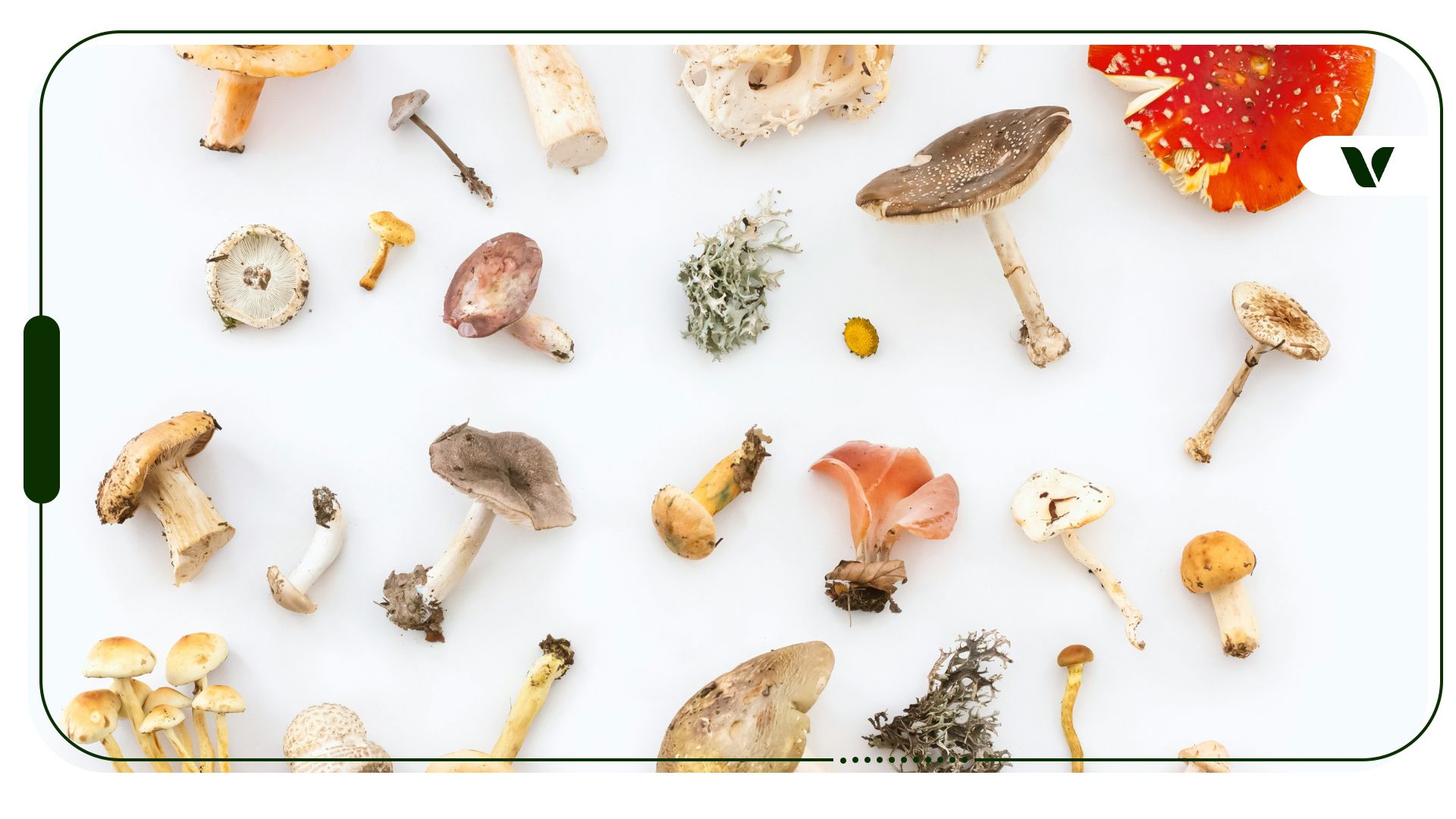
Hi! In your listing, between psilocybe-cubensis and psilocybe mexicana there is a picture of amanita muscaria. This may be very misleading for people. Great article!
According to the New York Times, 64 million gabapentin prescriptions were dispensed in 2016, with numbers continuing to rise each year. Many patients now explore medical cannabis as an alternative after experiencing gabapentin’s concerning side effects, including FDA warnings about serious respiratory problems. Both treatments target similar conditions like nerve pain and seizures, but they…
An Oklahoma medical marijuana card provides legal protection under state law, but it can still affect employment, commercial driving, firearms, privacy, and federally regulated situations. This guide explains the main consequences to consider before applying, including workplace drug testing, CDL rules, insurance, housing, and registry privacy.
Getting a medical marijuana card in Oklahoma can be completed online, with no specific qualifying condition required for adult applicants. This guide covers eligibility, telehealth evaluations, required documents, OMMA application steps, fees, processing times, and what patients can do once approved.
A same-day telehealth appointment in Oklahoma can get you a physician recommendation quickly, but OMMA still needs to process your medical marijuana license application. This guide explains the timeline, required documents, costs, and when you can legally visit a dispensary while waiting for the physical card.
Medical marijuana has been legal in Oklahoma since 2018, with eligibility determined by physician judgment rather than a fixed list of qualifying conditions. This guide explains how the OMMA program works, patient rights and possession limits, recreational cannabis laws, federal restrictions, and how Oklahoma compares with neighboring states.
The statements made regarding cannabis products on this website have not been evaluated by the Food and Drug Administration (FDA). Cannabis is not an FDA-approved substance and is still illegal under federal law. The information provided on this website is intended for educational purposes only and is not intended to diagnose, treat, cure, or prevent any disease. It is not intended as medical advice and should not be considered as a substitute for advice from a healthcare professional. We strongly recommend that you consult with a physician or other qualified healthcare provider before using any cannabis products. The use of any information provided on this website is solely at your own risk.