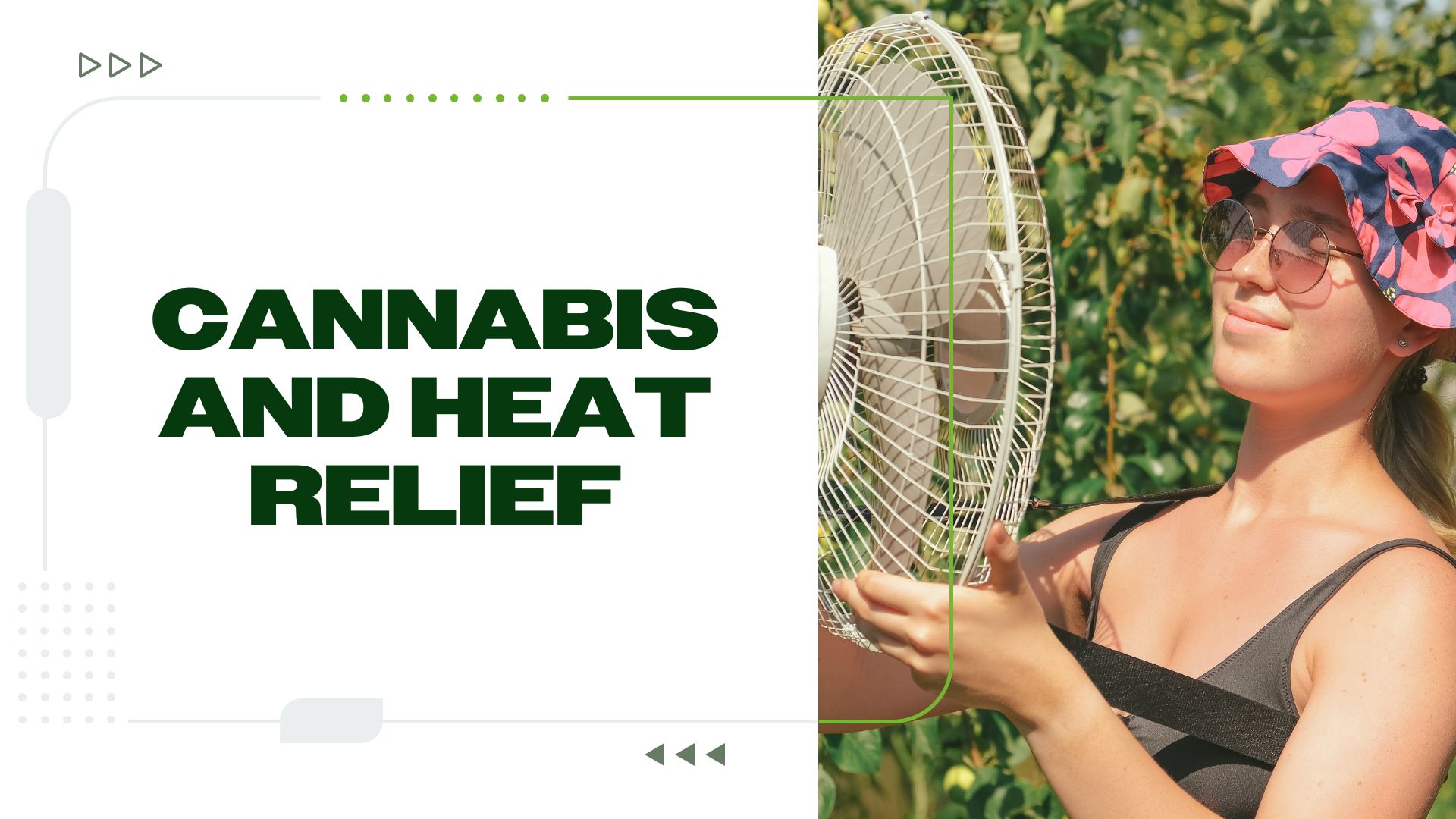
As temperatures rise, you might wonder if cannabis can help you stay cool. Research suggests that certain cannabis compounds may lower core body temperature through a process called THC-induced hypothermia, in which cannabinoids interact with temperature-regulating receptors in the hypothalamus.
This cooling effect happens because cannabinoids interact with temperature-regulating receptors in your brain and throughout your body. The science behind cannabis cooling properties involves both cannabinoids like THC and CBD, as well as specific terpenes that create cooling sensations.
Understanding how these compounds work can help you choose the right products and consumption methods for natural heat relief during warmer months.
Cannabis Compounds That Create Cooling Effects
Cannabis contains over 750 different compounds, with roughly 150 cannabinoids and more than 200 terpenes working together to influence how your body responds to temperature. The primary cooling effects come from THC’s interaction with your endocannabinoid system, particularly CB1 receptors in your hypothalamus that control body temperature regulation.
Several terpenes also contribute to cooling sensations through different mechanisms. Menthol-like compounds such as eucalyptol and camphene create direct cooling effects on your skin and respiratory system, while others like limonene and pinene may help reduce inflammation that generates internal heat.
Cooling Terpenes in Cannabis
The most effective cooling terpenes work through multiple pathways to lower perceived temperature:
- Eucalyptol – may create a cooling sensation on skin and in the respiratory tract
- Camphene – has been associated with topical cooling effects
- Limonene – reduces inflammation that can cause internal heating while providing mood-lifting effects
- Pinene – offers respiratory cooling and may provide respiratory cooling effects
Cannabinoids vs. Terpenes for Temperature Regulation
While both cannabinoids and terpenes contribute to cooling effects, they work through different mechanisms in your body. THC directly affects your hypothalamus to lower your internal thermostat, while CBD may help reduce inflammation that generates excess heat. Terpenes primarily create localized cooling sensations on your skin and in your respiratory system.
The combination of these compounds creates what researchers call the entourage effect, where cooling terpenes work alongside cannabinoids to enhance overall temperature-regulating benefits.
| Compound Type |
Cooling Mechanism |
Duration |
Best For |
| THC |
Hypothalamus regulation |
2-4 hours |
Whole-body temperature reduction |
| CBD |
Anti-inflammatory cooling |
4-6 hours |
Inflammation-related heat |
| Eucalyptol |
Direct cooling sensation |
30-60 minutes |
Topical and respiratory relief |
| Limonene |
Inflammation reduction |
1-2 hours |
Mood and temperature balance |
What is THC-Induced Hypothermia?
THC-induced hypothermia occurs when THC binds to CB1 receptors in your hypothalamus, the brain region that controls your body’s internal thermostat. This binding triggers a cascade of changes that can lower your core body temperature by 1-3 degrees Fahrenheit, creating a natural cooling effect that lasts several hours.
The process happens because THC disrupts normal temperature regulation signals in your brain. Your hypothalamus interprets this disruption as a signal to reduce heat production and increase heat loss through mechanisms like vasodilation, where blood vessels near your skin surface expand to release more heat.
Research shows this effect is dose-dependent, meaning higher THC concentrations typically produce more pronounced cooling effects. However, the cooling response varies significantly between individuals based on factors like tolerance, body weight, and overall health status. Research on THC’s temperature effects indicates that regular users may develop tolerance to temperature-regulating effects over time.
How Cannabis Affects Body Temperature and Thermoregulation
Your endocannabinoid system plays a central role in maintaining stable body temperature through a network of CB1 and CB2 receptors distributed throughout your brain and peripheral tissues. When you consume cannabis, THC and other cannabinoids bind to these receptors and can shift your body’s temperature set point downward.
This process involves multiple physiological changes that work together to cool your body. Blood vessels near your skin surface dilate to increase heat loss, your metabolic rate may temporarily decrease to reduce internal heat production, and your sweat response can become more efficient at lower temperatures.
The cooling effect typically begins within 30-60 minutes of consumption and can last 2-6 hours depending on the method used and your individual metabolism. Understanding how THC affects body temperature helps you time consumption for optimal cooling during hot weather.
CBD appears to work differently than THC in temperature regulation, primarily through its anti-inflammatory properties rather than direct hypothalamus effects. This makes CBD particularly useful for cooling that stems from inflammation-related heat rather than environmental temperature challenges.
Cooling Cannabis Consumption Methods
The way you consume cannabis significantly impacts its cooling potential, with some methods preserving temperature-regulating compounds better than others. Methods that avoid adding heat to your body while maximizing cannabinoid and terpene absorption tend to provide the most effective cooling relief.
Topical applications offer the most direct cooling effects because they deliver cannabinoids and cooling terpenes directly to your skin without raising your core body temperature through digestion or inhalation. Cold preparation methods for edibles and beverages can also enhance cooling benefits while providing longer-lasting effects.
Cannabis Topicals for Cooling Relief
Cannabis topicals provide targeted cooling without psychoactive effects, making them ideal for heat relief during daytime activities. Look for products that combine cannabinoids with natural cooling agents like menthol, eucalyptus, or aloe vera for enhanced temperature relief.
Apply topicals to pulse points like wrists, temples, and the back of your neck where blood vessels sit close to the skin surface. This maximizes the cooling effect by allowing the compounds to influence blood temperature as it circulates through your body.
Temperature-Controlled Vaping for Cooling Effects
Vaping at lower temperatures (315-350°F) preserves delicate cooling terpenes that can be destroyed at higher heat levels. This temperature range vaporizes THC and CBD while maintaining compounds like eucalyptol and limonene that contribute to cooling sensations.
- Set your vaporizer to 315-325°F for maximum terpene preservation
- Use strains high in cooling terpenes like eucalyptol and limonene
- Take slower, deeper draws to allow cooling compounds to reach your respiratory system
- Avoid combustion methods that add heat to your body
Cold Cannabis Beverages and Edibles
Cannabis-infused cold beverages and frozen edibles provide immediate cooling relief while delivering longer-lasting cannabinoid effects. These methods combine the physical cooling of cold consumption with the internal temperature regulation of cannabis compounds.
Prepare cannabis beverages with ice or keep edibles refrigerated until consumption. The combination of cold temperature and cannabis compounds can provide both immediate and sustained cooling relief for several hours.
Does CBD Affect Body Temperature?
CBD influences body temperature primarily through its anti-inflammatory properties rather than direct thermostat manipulation like THC. When inflammation causes your body to generate excess heat, CBD’s anti-inflammatory properties can help reduce this secondary heating effect and restore normal temperature balance.
Research suggests CBD may also affect temperature regulation indirectly by influencing serotonin receptors that play a role in thermoregulation. This interaction can help your body maintain stable temperatures during heat stress while avoiding the hypothermic effects sometimes seen with higher THC doses.
CBD vs. THC for Cooling Effects
The cooling mechanisms of CBD and THC work through different pathways in your body, making them complementary for temperature regulation:
- THC directly lowers your internal thermostat through CB1 receptor activation in the hypothalamus
- CBD reduces inflammation-related heating and may stabilize temperature regulation through serotonin pathways
- Combined use can provide both immediate cooling and longer-term temperature stability
- Timing differences – THC effects peak within 1-2 hours while CBD effects can last 4-6 hours
This difference means CBD might be better for sustained cooling throughout hot days, while THC provides more immediate temperature relief when you need quick cooling effects.
Best Cannabis Strains and Products for Heat Relief
Choosing the right cannabis strains and products for cooling effects requires understanding which varieties contain the highest concentrations of temperature-regulating compounds. Strains rich in cooling terpenes like limonene, eucalyptol, and pinene tend to provide the most effective heat relief.
Indica strains often provide more body-focused cooling effects, while sativa strains may offer cooling that comes with energizing effects that help you stay active in hot weather. The key is matching the strain’s terpene profile and cannabinoid ratio to your specific cooling needs and activity level.
Recommended Cooling Strains:
- Blue Dream – High in limonene and pinene for balanced cooling and mood elevation
- Pineapple Express – Contains cooling terpenes with energizing effects for active heat relief
- OG Kush – Provides body cooling through myrcene and caryophyllene
- Jack Herer – Offers respiratory cooling through pinene and terpinolene
Dosing Guidelines for Cooling Effects:
- Start with lower doses (2.5-5mg THC) to avoid overcooling
- Allow 30-60 minutes between doses to assess temperature effects
- Consider 2:1 CBD to THC ratios for sustained cooling without hypothermia risk
- Time consumption 1-2 hours before peak heat exposure for optimal effects
Product timing matters significantly for cooling applications. Consuming cannabis 30-90 minutes before expected heat exposure allows the temperature-regulating effects to peak when you need them most, while avoiding the discomfort of being too cool in air-conditioned environments.
Note: The above guidelines are purely for informational purposes. Please consult your doctor before starting any THC doses.
Can Cannabis Help Lower Fever or Improve Fever Symptoms?
While cannabis can lower body temperature in healthy individuals, using it to address fever requires careful consideration of the underlying cause and your overall health status. THC’s hypothermic effects might temporarily reduce fever symptoms, but fever serves an important immune function that shouldn’t be suppressed without medical guidance.
CBD’s anti-inflammatory properties may help with fever-related discomfort by reducing inflammation that contributes to body aches and heat generation. However, cannabis should not replace conventional fever management or medical treatment for serious infections or illnesses that cause persistent high temperatures.
The interaction between cannabis and fever medications can also affect how your body regulates temperature. Some fever reducers work through similar pathways as cannabis compounds, potentially creating additive cooling effects that could drop your temperature too quickly. Always consult with a healthcare provider before using cannabis alongside fever medications or for any medical condition involving temperature regulation.
If you’re considering cannabis for fever-related discomfort, focus on CBD-dominant products that provide anti-inflammatory benefits without the dramatic temperature-lowering effects of high-THC products. This approach can help with comfort while allowing your body’s natural immune responses to function properly.
Cannabis Cooling Properties: Key Takeaways
Cannabis offers genuine cooling properties through multiple mechanisms that can provide natural heat relief during warmer weather. THC creates the most dramatic temperature reduction by directly affecting your brain’s thermostat, while CBD provides sustained cooling through anti-inflammatory pathways that reduce heat-generating inflammation.
The most effective cooling approaches combine the right strains, consumption methods, and timing to maximize temperature relief. Different consumption methods offer varying degrees of cooling potential, with topicals and cold preparations providing the most direct relief without adding heat to your system.
Understanding your individual response to cannabis cooling effects requires experimentation with different products and dosing approaches. Start with lower doses and CBD-dominant products to assess your sensitivity to temperature changes before trying higher-THC options that can create more dramatic cooling effects.
The cooling properties of cannabis work best as part of a comprehensive approach to heat management that includes proper hydration, appropriate clothing, and environmental controls. Cannabis can enhance your comfort during hot weather, but it shouldn’t replace basic heat safety practices or medical treatment for heat-related illnesses.
Ready to explore cannabis options for natural cooling relief? Find a qualified medical marijuana doctor who can help you choose the right products and dosing approach for your individual needs and local climate challenges.
Note: The content on this page is for informational purposes only and is not intended to be professional medical advice. Do not attempt to self-diagnose or prescribe treatment based on the information provided. Always consult a physician before making any decision on the treatment of a medical condition.
Note: Veriheal does not support illegally consuming therapeutic substances such as cannabis but acknowledges that it transpires because of the current illicit status, which we strive to change by advocating for research, legal access, and responsible consumption. Always consult a physician before attempting alternative therapies.
Frequently Asked Questions
Does cannabis actually make you cooler or is it just a feeling?
Cannabis creates both actual cooling through THC-induced hypothermia that lowers core body temperature and perceived cooling through terpenes that create cooling sensations on your skin and in your respiratory system.
How long do cannabis cooling effects last?
THC cooling effects typically peak within 1-2 hours and can last 2-4 hours, while CBD anti-inflammatory cooling may persist for 4-6 hours. Topical applications provide 30-60 minutes of localized cooling.
Can you use cannabis for heat stroke or serious overheating?
No, cannabis should never be used as treatment for heat stroke or medical emergencies involving dangerous overheating. These conditions require immediate medical attention and proper medical cooling protocols.
Which consumption method provides the best cooling effects?
Topical applications provide the most direct cooling without psychoactive effects, while cold cannabis beverages combine immediate physical cooling with longer-lasting cannabinoid temperature regulation.
Do indica or sativa strains work better for cooling?
Both can provide cooling effects, but indica strains tend to offer more body-focused temperature relief while sativa strains may provide cooling with energizing effects that help you stay active in heat.
Author, Share & Comments