Keeping a glass pipe clean improves flavor, airflow, and overall smoking experience. Over time, resin and residue build up inside the glass pipe, which makes each smoking session harsher and less enjoyable. Regular cleaning helps the pipe function properly for longer.
Many people look for the best way to clean a glass pipe using safe, effective methods they can do at home. Choosing the right approach helps remove resin without damaging the glass.
This article explains four effective methods to clean a glass pipe, compares natural and store-bought cleaners, and explores how a medical marijuana doctor may recommend alternatives that reduce exposure to smoke altogether.
Why Is It Important to Clean Your Glass Pipe Regularly?
Glass pipes, often called glass weed pipes or glass smoking pipes, can last for years with proper care. Regular glass pipe cleaning improves flavor, airflow, and overall safety by preventing resin and residue buildup.
Health and Hygiene
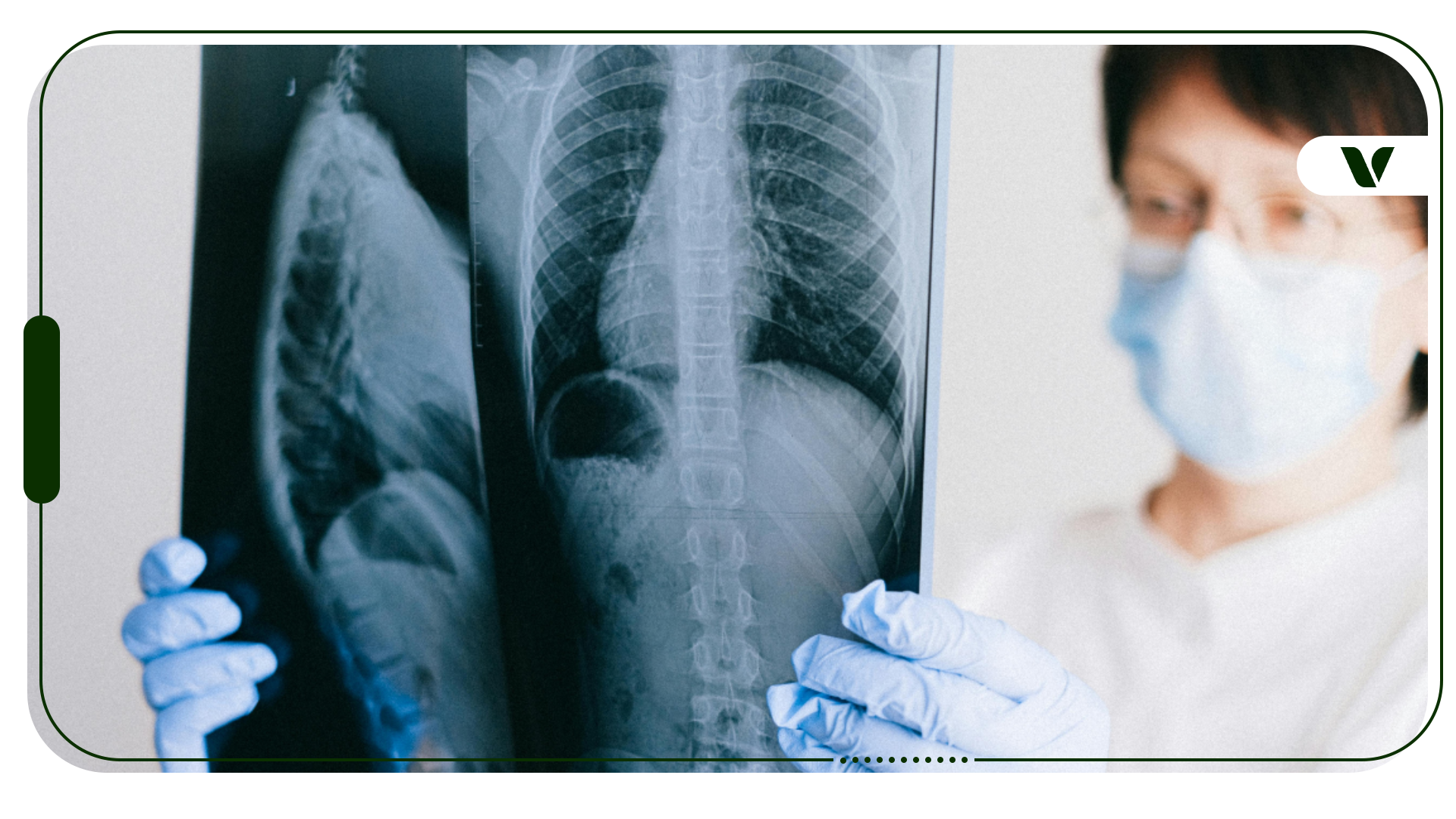
A dirty glass pipe traps resin, ash, and moisture, which creates an environment where bacteria and mold can grow. Research shows that inhaling contaminated material can increase the risk of respiratory infection, which is why keeping smoking devices clean matters for overall lung health.
Regular cleaning helps remove resin from a glass pipe before it accumulates, limiting the amount of residue you inhale. Cleaning the mouthpiece also reduces germ transfer, especially when pipes are shared socially.
Flavor and Smoking Experience
Old resin buildup in a pipe negatively impacts flavor and masks terpene profiles. This can make even fresh cannabis taste harsh or bitter when smoked from a dirty piece. Using effective cleaning methods for glass pipes restores airflow and clean flavor, allowing smoother draws without forcing harder pulls, which can irritate your lungs.
Pipe Longevity and Maintenance
Routine cleaning prevents permanent staining and reduces stress on the glass pipe. Once resin hardens, it becomes harder to remove and increases the risk of cracks or chips. Adhering to the best practices for cleaning a glass pipe also makes future maintenance quicker and easier.
Safety Considerations
Excess resin and partially burned material can ignite when reheated. Keeping your pipe clean lowers this risk, making proper maintenance one of the most essential safe pipe cleaning tips for regular cannabis users.
What Are the Most Effective Methods to Clean a Glass Pipe Safely?
Before cleaning your glass pipe, keep a few essential safety tips in mind.
- Avoid harsh chemicals: Do not use bleach, ammonia, or acetone. These products can leave toxic residues that are unsafe to inhale.
- Control temperature changes: Sudden shifts from hot to cold are the leading cause of glass breakage during cleaning. Always heat and cool glass gradually.
- Use gentle tools: Choose soft pipe cleaners or cotton swabs. Metal tools can scratch glass, creating weak points that lead to cracks.
Isopropyl Alcohol and Coarse Salt
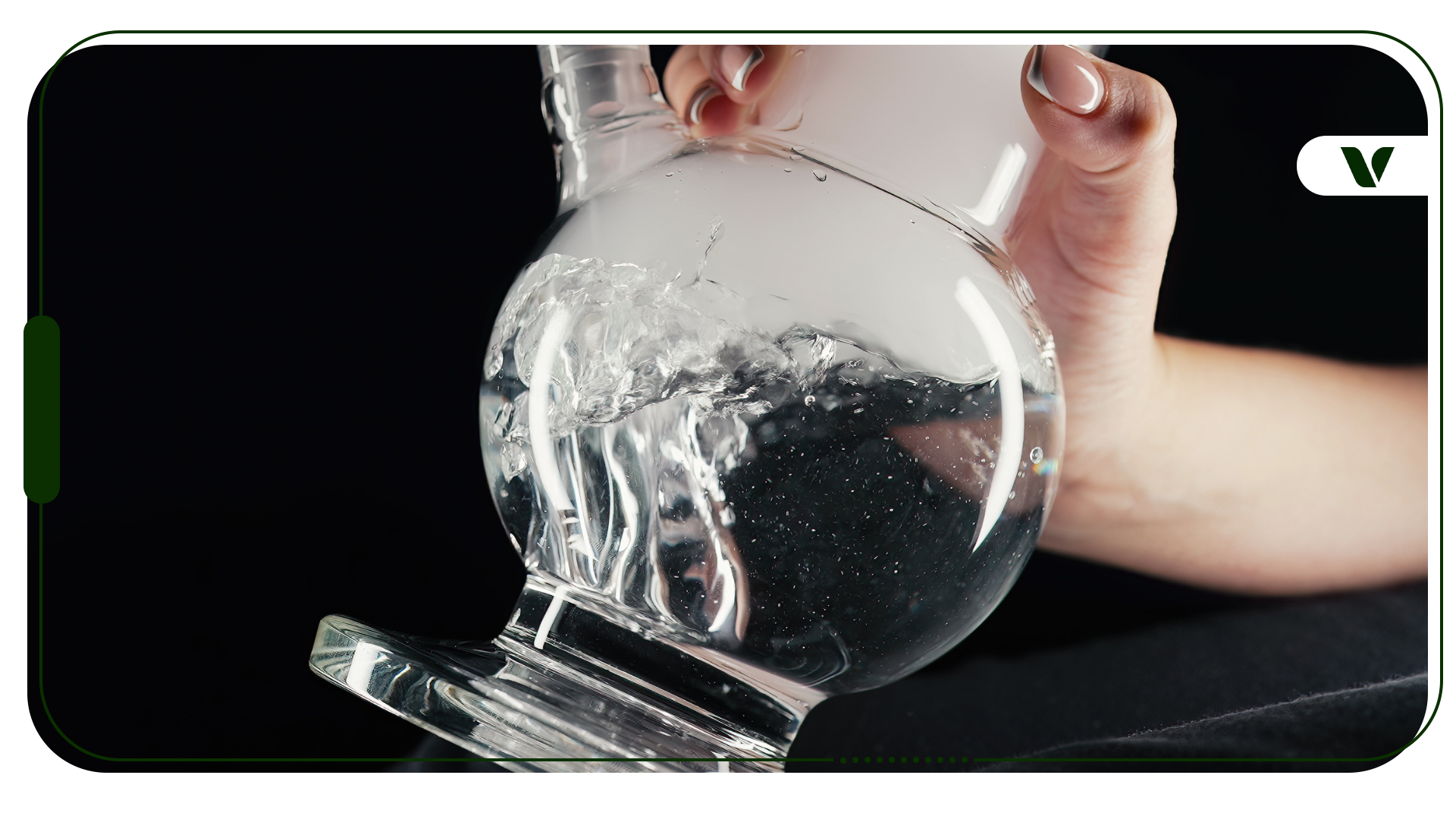
This method remains the most widely used and effective way to clean a glass pipe. Isopropyl alcohol dissolves resin, while coarse salt naturally scrubs the buildup without dissolving.
Use 91% or 99% isopropyl alcohol with a coarse salt such as sea salt or Epsom salt. Place the pipe in a sealed bag or container, add alcohol and salt, and carefully shake for a few minutes. For heavy buildup, let it soak for 30 minutes to overnight, then rinse thoroughly with warm water.
Baking Soda and White Vinegar
This method offers another non-toxic, household alternative that uses a natural chemical reaction to loosen residue.
Sprinkle baking soda over the pipe, then slowly pour white vinegar until it is submerged. Let the fizzing action work for at least 30 minutes, then gently scrub with a pipe cleaner. Rinse well with warm water and allow the pipe to air dry.
Boiling Water Method
Hot water offers a natural cleaning method, softening resin without the need for chemical cleaners. However, use caution, as improper use of this method can crack glass pipes.
Place the pipe in room-temperature water and heat it gradually to a gentle simmer. Let it soak for 20 to 30 minutes. Remove carefully with tongs and allow it to cool naturally before wiping away softened residue. Avoid rinsing with cold water immediately.
Commercial Glass Pipe Cleaners
Specialty cleaners such as Formula 420 or similar products target cannabis resin directly and require minimal effort. Follow the instructions on the label, which usually recommend soaking for 30 minutes to overnight. Many products are reusable. Rinse thoroughly with warm water after cleaning to remove any remaining solution.
How Do Natural Cleaners Compare to Commercial Glass Pipe Cleaners?
Choosing between natural and commercial glass pipe cleaners comes down to your priorities.
For example, isopropyl alcohol and coarse salt remain the gold standard for effectiveness. Alcohol dissolves resin quickly and acts as a powerful antibacterial agent, sanitizing the pipe as it cleans.
Natural cleaning methods rely on chemical reactions, such as the fizzing effect of baking soda and vinegar, to loosen residue. While effective, they often require longer soak times, repeated treatments, or more manual scrubbing. Their main advantage is safety—natural cleaners leave no chemical odor or toxic residue, helping preserve terpene flavor.
Commercial cleaners prioritize convenience and efficiency. Many use abrasive formulas that scrub internal surfaces faster than salt, often without requiring shaking. Products such as Grunge Off or Formula 420 frequently work exceptionally well for complex or hard-to-reach glass pieces.
Material compatibility also matters. Vinegar’s acidity can weaken silicone components over time, and coarse salt may scratch acrylic or lower-quality pieces. Commercial cleaners typically offer material-specific formulas designed to clean glass, metal, or other components without causing damage.
How Often Should You Clean a Glass Pipe for Peak Performance?
Regular cleaning keeps your glass pipe hitting smoothly, tasting clean, and staying safer to use. For most people, a quick rinse after every session paired with a deeper clean about once a week delivers the best balance of flavor, airflow, and hygiene. If you smoke less often, you can stretch deep cleans out to every few sessions or every couple of weeks without sacrificing performance.
Building the habit of a quick hot-water rinse after each session goes a long way. It delays heavy buildup, preserves flavor, and reduces how often you need a full isopropyl alcohol and salt soak—saving both time and effort.
Daily Users
Deep clean your pipe about once a week, or every two to three days if you smoke heavily. After each session, rinse the pipe with hot water and run a pipe-safe cleaner through the stem and carb hole. This routine slows resin buildup and limits bacteria that cause harsh, unpleasant hits.
Occasional Users
Plan a deep clean every few sessions, or roughly every 2 to 4 weeks. After use, rinse with warm water and let the pipe dry completely. Even with lighter use, moisture and residue can affect taste and cleanliness if ignored.
Water Pipes (Bongs and Bubblers)
Clean water pipes weekly and change the water after every single smoking session. Empty the chamber immediately after use and rinse it out. Stagnant water creates an ideal environment for bacteria and mold, which can pose real health risks.
Signs Your Glass Pipe Needs Cleaning
Even with a cleaning schedule, your pipe will tell you when it’s time to clean:
- Flavor: Hits taste bitter, ashy, or stale instead of fresh.
- Airflow: The draw feels tight or restricted, forcing you to pull harder.
- Appearance: The glass looks cloudy, dark, or coated with visible resin.
- Smell: A strong odor lingers even when the pipe sits unused.
Can a Medical Marijuana Doctor Recommend Cleaner Alternatives to Smoking?
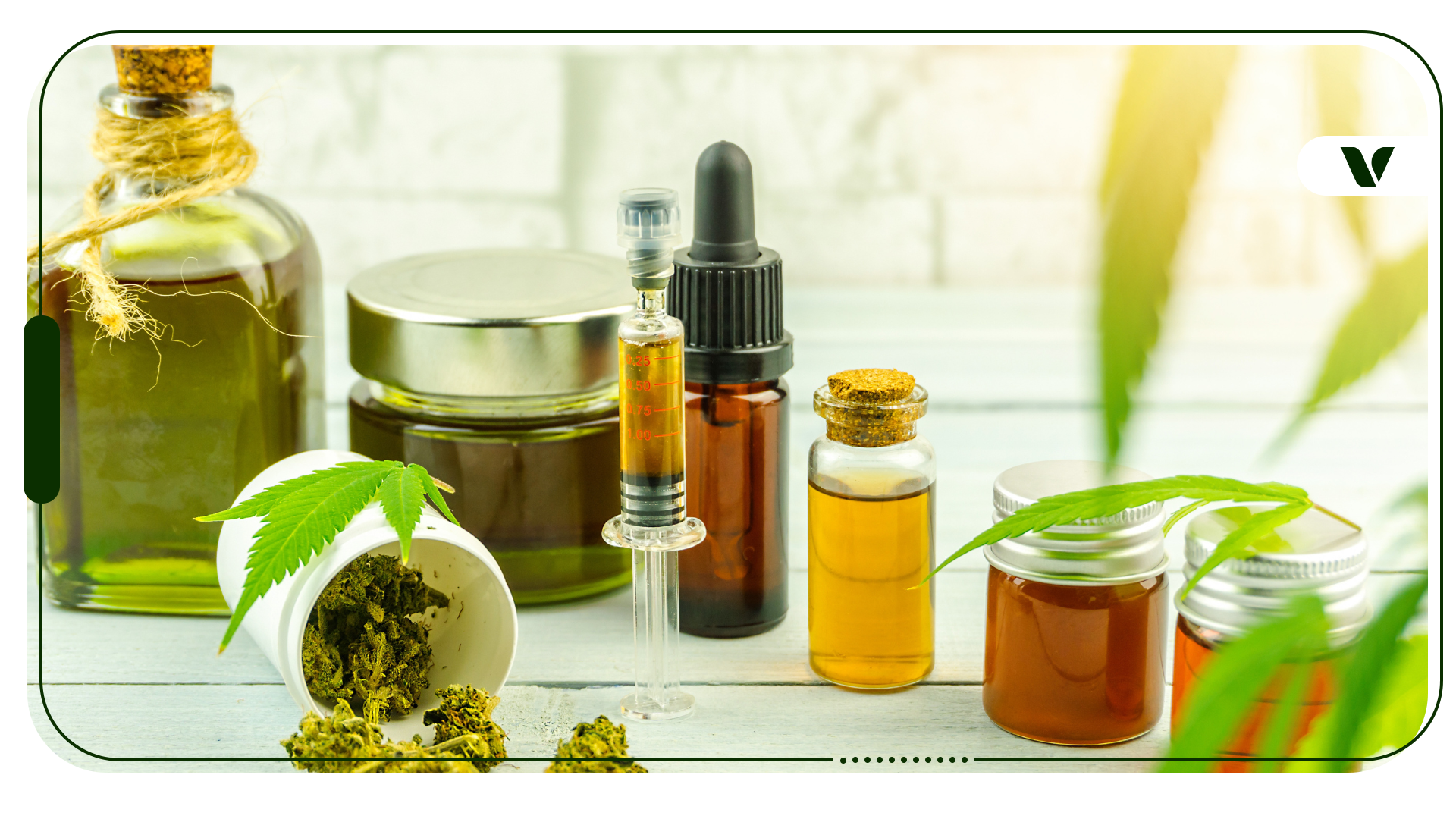
A medical marijuana doctor often recommends smoke-free options to reduce respiratory health risks and support more precise dosing. In some states, medical programs limit or prohibit smoking altogether, which makes alternative consumption methods essential. Doctors commonly suggest options that avoid smoking, including edibles, tinctures, and topicals.
Smoke-free alternatives also offer other practical benefits. They reduce odor, provide longer-lasting or more predictable effects. The many consumption methods available allow patients to customize cannabis use to their health needs and lifestyle.
Frequently Asked Questions
What buildup forms inside a glass pipe over time?
Resin, ash, and tar collect inside the bowl and stem with repeated use. Moisture can also linger, which contributes to odor and residue buildup.
Can a dirty glass pipe affect taste or airflow?
Yes, built-up resin restricts airflow and changes smoke flavor, making hits feel harsher and taste stale or bitter.
Are household items safe to use when cleaning a glass pipe?
Isopropyl alcohol, coarse salt, baking soda, and vinegar are commonly used household items. Avoid harsh chemicals like bleach or ammonia, which can leave unsafe residues.
How long should a glass pipe be cleaned or soaked for best results?
Light buildup may clean up in a few minutes of shaking or rinsing. However, heavier residues often require soaking for more than 30 minutes or overnight, depending on the method.
Can frequent cleaning extend the life of a glass pipe?
Yes, regular cleaning prevents permanent staining and reduces stress on the glass, which lowers the risk of cracks or breakage over time.
Is it safer to clean a glass pipe than replace it often?
In most cases, yes. Proper cleaning removes residue and bacteria without the waste or cost of frequent replacement, provided safe methods are used.
Are there odor-free ways to keep glass pipes clean?
Hot water rinses after each session and regular alcohol-and-salt cleanings help control odor. Commercial glass cleaners also minimize lingering smells.
Can improper cleaning damage glass pipes?
Sudden temperature changes, metal tools, or harsh chemicals can weaken or crack glass—gentle tools and gradual heating work best.
Are there safer consumption methods that reduce cleaning needs?
Vaporization, smoking joints, edibles, and tinctures avoid smoking cannabis from a pipe. Non-smoking methods are also safer for lung and respiratory health while avoiding the need to clean pipes.
Can a medical marijuana doctor help recommend non-smoking options?
A medical marijuana doctor can recommend smoke-free alternatives based on your health needs, tolerance, and state program rules.
Author, Share & Comments