Reclaim is already decarboxylated, which means you can skip the activation step that fresh cannabis requires and go straight to infusion. If you have been scraping that dark, sticky residue out of your dab rig and throwing it away, you have been discarding something genuinely usable.
The catch is that reclaim is not identical to fresh concentrate. Its terpene profile has degraded, its potency varies depending on your original material and dabbing temperature, and its flavor can be harsh. This guide covers how to collect it cleanly, infuse it into fat, dose it responsibly, and actually make something worth eating.
What Is Reclaim and Why Does It Work for Edibles?
Reclaim is the cannabinoid-rich residue that condenses inside your dab rig after you vaporize a concentrate. When you dab, the heat converts tetrahydrocannabinolic acid (THCA) into tetrahydrocannabinol (THC) through the decarboxylation process. The reclaim that collects afterward has already been through that conversion, so it is bioavailable when eaten without any additional heating step.
One caveat applies to low-temperature dabbing. If you regularly dab below 400°F, the vaporization process may not fully convert all remaining THCA. In that case, a brief secondary decarb at 220 to 245°F for 20 to 30 minutes in the oven will improve bioavailability. You can read more about what temperature THC degrades at to calibrate this for your setup.
Reclaim also tends to have elevated cannabinol (CBN) content, which is a natural byproduct of THC degradation from repeated heat exposure. CBN is mildly sedating and has a fraction of THC’s potency, so reclaim edibles often produce a heavier, more body-focused effect than edibles made from fresh concentrate. Setting that expectation before you dose matters.
How to Collect Reclaim From Your Dab Rig
There are three main methods for collecting reclaim, and the right one depends on your rig setup. A reclaim catcher is worth mentioning here as a hardware solution: it attaches between your nail and the downstem and catches reclaim before it reaches the rig itself, making collection far cleaner and more consistent. If you collect reclaim regularly, it is the most practical upgrade you can make.
For general rig cleaning techniques that apply across all three methods, the guide on how to clean your glass pipe covers the broader process in detail.
Heat-and-Drip Method
Apply gentle heat to the outside of the rig with a torch or heat gun until the reclaim softens and becomes liquid. Tilt the piece over parchment paper and let it drip out. This method works best for rigs with accessible chambers and produces reclaim that is ready to use without any drying step.
Freeze Method
Place your rig in the freezer for 30 to 60 minutes until the reclaim hardens and contracts from the glass. Tap gently and the reclaim will often break free in solid pieces. This method is best suited for reclaim catchers, where the geometry makes dripping difficult.
Alcohol Rinse and Evaporation Method
This method is best for heavily coated rigs where the other approaches leave too much behind. The steps are sequential and the order matters:
- Fill the rig with enough isopropyl alcohol (91% or higher) to coat all interior surfaces.
- Cap the openings, shake for 60 seconds, and let soak for 5 minutes.
- Pour the alcohol-reclaim solution into a glass dish.
- Allow the alcohol to fully evaporate in a well-ventilated area, away from any open flame. Do not use heat to speed this up.
- Scrape the remaining reclaim concentrate from the dish using a dab tool once it is fully dry.
One safety note applies to both the heat-and-drip and alcohol rinse methods: any moisture retained in the reclaim will cause violent splattering when added to hot fat during infusion. Before you infuse, gently warm your collected reclaim on the lowest possible stovetop heat until all visible bubbling stops. This step is non-negotiable if your reclaim came into contact with water or alcohol.
How to Infuse Reclaim Into Butter or Oil
Cannabinoids are fat-soluble, which is why butter, coconut oil, and MCT oil all work as carriers for reclaim. The fat molecules bind with the cannabinoids during gentle heating, creating an infused fat you can use in virtually any recipe. A cannabis coconut oil infusion follows the same basic principle, and coconut oil’s high saturated fat content makes it one of the most efficient carriers available. For a deeper look at why fat choice affects absorption, the guide on healthy fats and cannabis absorption explains the mechanism.
The infusion process itself is straightforward:
- Measure your reclaim in grams using a kitchen scale.
- Combine with your chosen fat at a 1:1 ratio by weight, roughly 1 gram of reclaim per 1 tablespoon of butter or coconut oil, as a moderate starting point.
- Use a double boiler or low-heat stovetop method, keeping the temperature between 160 and 200°F. Stir continuously for 10 to 15 minutes until the reclaim is fully dissolved.
- Optionally, strain the mixture through cheesecloth to remove any residual char or debris.
- Cool the infused fat and use it in any recipe that calls for butter or oil.
Masking the Flavor
Reclaim’s degraded terpene profile gives it a noticeably harsh, acrid taste compared to fresh concentrate. This is one of the most consistent complaints in community discussions about reclaim edibles, and it deserves a direct answer. The most effective masking techniques are:
- Strong base flavors: Peanut butter, dark chocolate, and citrus zest all overpower reclaim’s bitterness reliably. Brownies and cookies made with cocoa work particularly well.
- Capsule form: Fill gel caps with your liquid infused oil to bypass taste entirely. This is the most popular option for people who want the effects without any flavor at all.
- Strongly spiced savory dishes: Dishes with garlic, chili, or heavy seasoning absorb reclaim’s taste without it becoming noticeable.
How Much Reclaim Should You Use in Edibles?
As a starting point, use 0.1 to 0.2 grams of reclaim per serving and wait at least two hours before increasing. Reclaim’s potency varies based on the original concentrate quality, the temperatures you dab at, and how long it has been accumulating, which means no two batches are identical. Starting low matters more here than with commercially produced edibles, where the cannabinoid content is tested and labeled.
The Veriheal edible dosage calculator is a useful supplementary tool for dialing in your dose once you have a sense of how your reclaim responds. Always wait the full two hours before redosing, since how long a cannabis high lasts can be deceptive when edibles are involved and onset is slower than with dabbing.
| Tier |
Reclaim Per Serving |
Suited To |
| Conservative |
0.1 to 0.2g |
New edible consumers or low-tolerance users |
| Moderate |
0.3 to 0.5g |
Regular edible consumers |
| Experienced |
0.5g and above |
High-tolerance users familiar with edible dosing |
Reclaim Edible Recipes: What You Can Make
Once your infused fat is ready, reclaim works in any recipe that uses butter or oil as a base. You do not need a professional kitchen for any of the formats below. The key is that your infused fat substitutes 1:1 for regular fat in any recipe, so the process is as simple as swapping ingredients.
Baked Goods
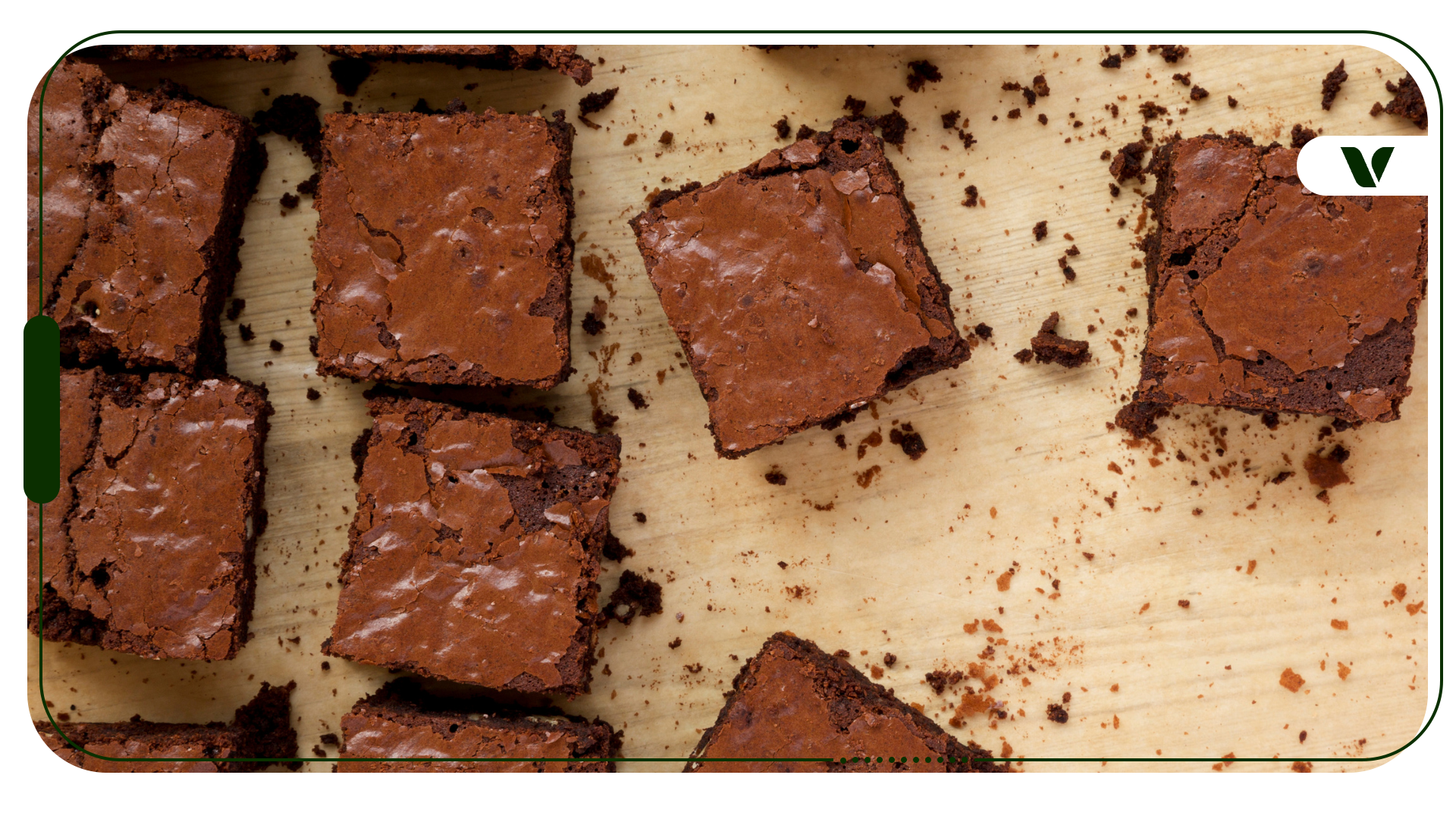
Brownies and cookies are the most forgiving formats for reclaim because cocoa, sugar, and butter naturally mask harsh flavors. Substitute your reclaim-infused butter 1:1 for regular butter in any cannabis-infused cookies recipe or brownie recipe. Keep baking temperatures below 300°F to avoid degrading the cannabinoids you worked to preserve.
Gummies
Gummies use infused coconut oil as their fat base, combined with gelatin and flavoring. Because each gummy is a small, precisely portioned serving, dosing accuracy matters more here than with baked goods. Measure carefully and how to recover from edibles is worth bookmarking if you are new to making your own.
Capsules
Capsules are the simplest format and the best option if taste is your primary concern. Fill gel caps with your liquid infused oil using a dropper or small syringe, seal them, and dose like any supplement. The 11-hydroxy-THC and edibles onset conversion that produces edible effects applies here the same as any other ingestible form, so onset still takes 30 minutes to 2 hours.
Hard Candy and Starbursts
Hard candy requires a candy thermometer and precise temperature control. The sugar mixture must stay below 300°F during cooking to avoid cannabinoid degradation. This is the most technically demanding format, but it produces a shelf-stable, easy-to-dose product with virtually no cannabis flavor detectable in the finished piece.
How Reclaim Edibles Compare to Regular Edibles
Reclaim edibles work, but they are not the same as edibles made from fresh cannabis oil. Understanding the differences helps you set accurate expectations before you dose.
Reclaim from BHO or PHO rigs carries one specific risk worth flagging: it may concentrate residual hydrocarbons from the original extraction process. When you dab, volatile compounds largely burn off. When you eat reclaim, you ingest whatever is retained. If you do not know the extraction source of your original concentrate, or if it came from an unregulated market, this is a meaningful consideration. Tested concentrates from licensed dispensaries are the safer starting point.
A PMC study on residual solvent retention in cannabis concentrates suggests that ingestion may present different exposure dynamics than vaporization for hydrocarbon-extracted products.
One additional note on dabbing reclaim as an alternative: if you are on the fence about eating versus redabbing your reclaim, our linked article covers the health implications of both routes.
| Dimension |
Reclaim Edibles |
Regular Edibles |
| Potency |
Typically 30 to 60% THC with elevated CBN, producing a heavier effect profile |
Depends on source material; generally more predictable if lab-tested |
| Flavor |
Harsh and acrid due to terpene loss during original dabbing |
Varies by strain and preparation; typically more palatable |
| Onset and Duration |
30 minutes to 2 hours onset; 4 to 8 hours duration, similar to standard edibles |
Same onset and duration range under normal conditions |
For users who want to understand how to decarb wax for edibles if you are working from fresh concentrate rather than reclaim, that process differs from what is described here. Reclaim skips that step. Fresh wax does not.
If you are ready to explore medical cannabis options with professional guidance on dosing and product selection, speak with a Veriheal medical marijuana doctor to find a provider in your state.
Note: The content on this page is for informational purposes only and is not intended to be professional medical advice. Do not attempt to self-diagnose or prescribe treatment based on the information provided. Always consult a physician before making any decision on the treatment of a medical condition.
Note: Veriheal does not support illegally consuming therapeutic substances such as cannabis but acknowledges that it transpires because of the current illicit status, which we strive to change by advocating for research, legal access, and responsible consumption. Always consult a physician before attempting alternative therapies.
Frequently Asked Questions
What exactly is reclaim, and how is it different from regular cannabis oil?
Reclaim is the cannabinoid-rich residue that condenses inside a dab rig after concentrate has been vaporized. Unlike fresh cannabis oil, reclaim has already been decarboxylated by the heat of dabbing, so its THCA has converted to THC. It also has a degraded terpene profile and elevated CBN content, giving it a different effect profile and a harsher taste than fresh oil.
Does reclaim still contain THC after vaporization or dabbing?
Yes, reclaim still contains THC, though concentrations vary depending on the original concentrate quality and dabbing temperature. Studies examining cannabinoid retention in reclaimed concentrate suggest THC levels typically range from 30 to 60%. CBN is also present in higher amounts than in fresh concentrate because repeated heat exposure converts THC into CBN over time.
How much reclaim should I use when cooking edibles?
Start with 0.1 to 0.2 grams of reclaim per serving as a conservative dose, and wait at least two hours before considering more. Reclaim potency varies by batch and cannot be confirmed without lab testing, so treating every new collection as an unknown quantity is the safest approach. Increase gradually across separate sessions rather than redosing within the same sitting.
Can you use reclaim to make edibles like brownies, gummies, or butter?
Yes, reclaim works in brownies, gummies, capsules, and any recipe that uses infused butter or oil as a base. Infuse the reclaim into your fat of choice at 160 to 200°F, then substitute that infused fat 1:1 for regular fat in any recipe. Baked goods with cocoa or strong flavoring are the most effective formats for masking reclaim’s harsh taste.
Do reclaim edibles have the same potency as fresh cannabis edibles?
Reclaim edibles are psychoactive but typically less potent than edibles made from fresh concentrate, because some THC degrades during the original dab session. Elevated CBN also shifts the effect profile toward sedation rather than the cleaner high of fresh THC. Expect a heavier, more body-focused effect and dose accordingly.
Is it legal to make reclaim edibles for personal medical use?
Cannabis legality depends entirely on your state. In states with legal medical or recreational cannabis programs, making personal-use edibles from legally purchased concentrates is generally permitted within possession limits. In states without legal programs, any cannabis activity remains prohibited. Always verify your state’s current laws before proceeding.
How should reclaim edibles be stored for safety and freshness?
Store reclaim edibles in an airtight container in a cool, dark location to slow cannabinoid degradation. Refrigeration extends shelf life for baked goods and gummies. Label all infused items clearly to prevent accidental consumption by others, and keep them out of reach of children and pets.
Author, Share & Comments