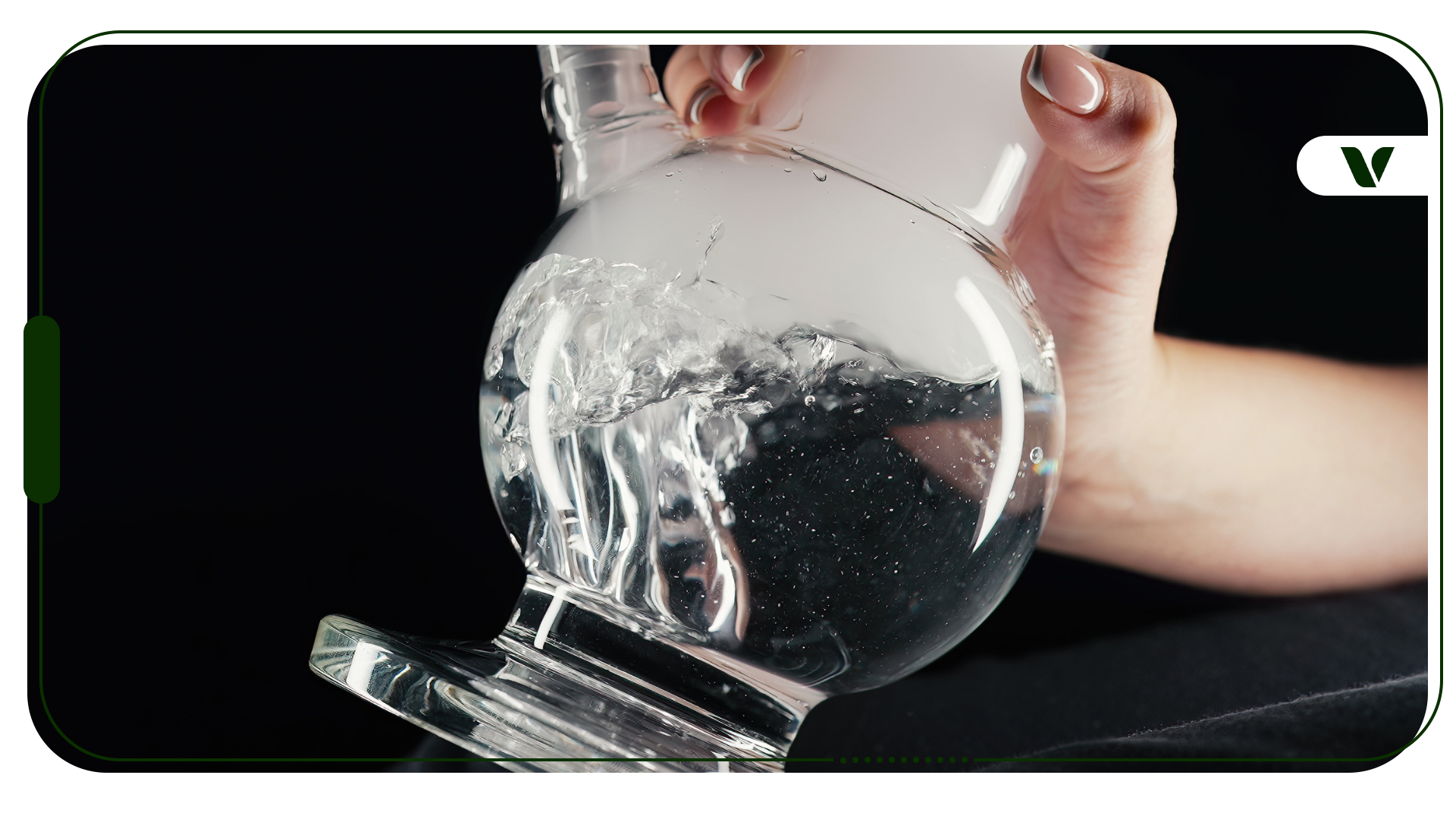
You can clean your glass pipe effectively without alcohol using household items like baking soda, white vinegar, dish soap, and hot water. These methods break down resin buildup safely while preserving your pipe’s integrity and your health.
Many cannabis users prefer alcohol-free cleaning methods to avoid harsh chemical residues from isopropyl alcohol, or simply because they don’t have it on hand. The good news is that your kitchen likely contains everything you need for thorough glass pipe maintenance.
This guide covers four proven alcohol-free methods, explains which household items work best for resin removal, and helps you recognize when your pipe needs cleaning versus simple maintenance.
Household Items That Clean Glass Pipes Effectively
Your kitchen cabinet holds several effective pipe cleaners that work without harsh chemicals. Each of these items breaks down cannabis resin through different chemical processes, making them reliable alternatives to alcohol-based solutions.
Baking soda acts as a mild abrasive that scrubs away buildup while its alkaline properties help dissolve acidic resin compounds. White vinegar contains acetic acid that cuts through sticky residue and neutralizes odors naturally. Dish soap breaks down oils and tar through surfactant action, making it easier to rinse away stubborn deposits.
Coarse salt provides mechanical scrubbing power when combined with liquid cleaners, helping to dislodge hardened resin from pipe walls. Hot water alone can soften fresh buildup and makes all other cleaning agents more effective by increasing their chemical activity.
| Cleaner |
Effectiveness |
Safety Level |
Best For |
| Baking Soda |
High |
Very Safe |
Heavy buildup, odor removal |
| White Vinegar |
Medium-High |
Very Safe |
Fresh resin, regular maintenance |
| Dish Soap |
Medium |
Very Safe |
Oil-based residue, daily cleaning |
| Coarse Salt |
High (with liquid) |
Very Safe |
Scrubbing action, tough spots |
| Hot Water |
Medium |
Very Safe |
Softening buildup, final rinse |
The key to alcohol-free cleaning lies in combining these items strategically. Hot water softens the resin, salt provides abrasive action, and baking soda or vinegar handle the chemical breakdown that alcohol would normally provide.
What Are the Best Alcohol-Free Methods to Clean Glass Pipes?
These four alcohol-free methods range from gentle daily maintenance to deep cleaning for heavily used pipes. Each approach uses common household items and provides effective resin removal without harsh chemical residues.
Baking Soda and White Vinegar
This combination creates a fizzing reaction that helps break down resin while providing gentle scrubbing action. The method works well for regular maintenance and moderate buildup without damaging delicate glass components.
Fill your pipe’s bowl with baking soda, then slowly add white vinegar until it fizzes. Let the mixture sit for 15-20 minutes to allow the chemical reaction to break down residue. Use a pipe cleaner or cotton swab to scrub loose any remaining buildup, then rinse thoroughly with warm water. The fizzing action helps dislodge particles from hard-to-reach areas inside the pipe’s stem.
Dish Soap and Hot Water Method
Liquid dish soap breaks down the oily components of cannabis resin through surfactant action, making this method ideal for pipes with fresh buildup or daily cleaning routines.
Submerge your pipe in very hot (but not boiling) soapy water and let it soak for 30-45 minutes. The heat softens resin while soap molecules surround and lift away oil-based residue. Scrub gently with a bottle brush or pipe cleaner, paying attention to the bowl and stem interior. Rinse with hot water until no soap residue remains, then follow with a cold water rinse to check for any remaining buildup.
Boiling Water Method
Hot water alone can effectively clean pipes with light to moderate resin buildup, making this the gentlest alcohol-free option. This method works particularly well for regular maintenance cleaning.
Carefully pour boiling water through your pipe, starting with the mouthpiece and allowing it to flow through the entire chamber. Repeat this process 3-4 times, allowing the pipe to cool slightly between pours to prevent thermal shock. For stubborn spots, let the pipe sit filled with hot water for 10-15 minutes before the final rinse. This method requires no chemicals but works best on pipes that haven’t developed heavy resin layers.
Commercial Glass Pipe Cleaners (Alcohol-Free Varieties)
Several commercial cleaners specifically formulated for glass pipes offer alcohol-free formulations that combine multiple cleaning agents for maximum effectiveness.
Look for products containing citric acid, plant-based surfactants, or enzyme-based formulas that break down organic residue. Follow the manufacturer’s instructions for soaking time and dilution ratios. These cleaners often work faster than household methods and may include ingredients specifically designed to target cannabis resin. Always rinse thoroughly after use and verify the product is safe for smoking devices before purchase.
How Do Natural Cleaners Compare to Commercial Glass Pipe Cleaners?
Natural household cleaners offer several advantages over commercial products, including lower cost, immediate availability, and reduced exposure to synthetic chemicals. Most importantly, you know exactly what ingredients contact your pipe and, by extension, what you might inhale during your next session.
Baking soda and vinegar combinations typically match commercial cleaners’ effectiveness for moderate buildup while costing significantly less per use. These natural options also eliminate concerns about chemical residues that might affect flavor or pose health risks if not thoroughly rinsed away.
However, commercial alcohol-free cleaners often work faster and may handle extremely heavy buildup more effectively than household alternatives. Products designed specifically for cannabis resin incorporate ingredients that target the particular compounds found in cannabis tar and oils. For users who clean their pipes infrequently and develop significant buildup, commercial options might provide better results with less scrubbing time required.
The choice often comes down to cleaning frequency and buildup severity. Regular users who clean weekly typically find household methods completely adequate, while occasional users facing heavy resin deposits might benefit from the stronger action of specialized commercial products.
Signs Your Glass Pipe Needs Deep Cleaning vs. Quick Maintenance
Recognizing the difference between pipes that need quick maintenance versus deep cleaning helps you choose the most appropriate alcohol-free method and avoid unnecessary effort on light buildup.
Quick maintenance indicators include slightly reduced airflow, minor discoloration around the bowl rim, or faint resin taste that doesn’t overpower the cannabis flavor. These signs suggest a simple hot water rinse or light soap treatment will restore your pipe’s performance.
Deep cleaning signals are more obvious and affect your smoking experience directly. You’ll notice:
- Severely restricted airflow requiring harder draws
- Dark brown or black resin coating visible throughout the bowl and stem
- Strong, unpleasant resin taste that overwhelms cannabis flavors
- Visible tar buildup that doesn’t rinse away with hot water alone
- Odors that persist even when the pipe is empty and dry
The frequency of cleaning depends heavily on your usage patterns. Daily users typically need deep cleaning weekly, while occasional users might go 2-3 weeks between thorough cleanings. However, even light users should perform quick maintenance rinses after every few sessions to prevent heavy buildup that requires more aggressive cleaning methods.
Visual inspection provides the clearest guidance. Hold your clean, dry pipe up to a light source and look through the stem and bowl. If you can see clearly through all chambers, simple maintenance suffices. If light doesn’t pass through easily or you see dark coating on the interior walls, it’s time for a deep cleaning session using one of the more intensive alcohol-free methods.
Why Is It Important to Clean Your Glass Pipe Regularly?
Regular cleaning maintains your pipe’s performance and protects both your health and smoking experience. Clean glass delivers pure flavor, smooth airflow, and reduces exposure to harmful compounds that accumulate in dirty pipes over time.
Health and Hygiene
Dirty pipes harbor bacteria, mold, and other microorganisms that thrive in the moist, organic environment created by cannabis residue. These contaminants can cause respiratory irritation, throat infections, or worsen existing respiratory conditions when inhaled during smoking sessions.
Resin buildup also concentrates tar and other combustion byproducts that would normally pass through a clean pipe. Research on smoking and respiratory health indicates that inhaling concentrated tar compounds increases exposure to potentially harmful substances beyond what cannabis alone would produce.
Flavor and Smoking Experience
Old resin creates an acrid, bitter taste that overpowers cannabis’s natural terpene profile. This buildup masks the subtle flavor differences between strains and reduces your ability to appreciate the full sensory experience of different cannabis varieties.
Clean glass also provides optimal airflow, allowing for smooth, even draws that burn cannabis more efficiently. Clogged pipes require harder pulls that can cause harsh, hot smoke and uneven burning that wastes cannabis and produces a less pleasant experience.
Pipe Longevity and Maintenance
Regular cleaning prevents resin from hardening into deposits that become increasingly difficult to remove over time. Hardened buildup can create stress points in glass that make pipes more susceptible to cracking or breaking during cleaning attempts.
Gentle, frequent cleaning with alcohol-free methods maintains your pipe’s integrity better than occasional aggressive cleaning sessions that require harsh scrubbing or extreme temperatures. This approach extends your pipe’s lifespan and maintains its appearance for years of reliable use.
Safety Considerations
Extremely dirty pipes pose fire hazards due to accumulated flammable resin deposits. Heavy buildup can also create hot spots during smoking that make the glass uncomfortably hot to handle or potentially cause burns.
Additionally, pipes with restricted airflow encourage users to apply excessive heat or take harder draws, both of which can lead to accidental burns or damaged glass. Regular maintenance ensures your pipe remains safe and comfortable to use in all situations.
How Often Should You Clean a Glass Pipe for Peak Performance?
Cleaning frequency depends on usage patterns, personal preferences, and the type of cannabis you typically consume. Understanding these factors helps you develop a maintenance schedule that keeps your pipe functioning optimally without unnecessary effort.
Daily Users
Heavy users benefit from quick maintenance after every 2-3 sessions, with deep cleaning weekly or bi-weekly depending on buildup rate. This schedule prevents heavy resin accumulation that requires aggressive cleaning methods and maintains consistent flavor quality.
A simple hot water rinse after each day’s final session removes most fresh residue before it hardens. Weekly deep cleaning using baking soda and vinegar or dish soap methods typically handles any remaining buildup without requiring commercial cleaners or extensive scrubbing time.
Occasional Users
Users who smoke 2-3 times per week can typically maintain their pipes with deep cleaning every 2-3 weeks, combined with quick rinses after sessions when convenient. Less frequent use means slower buildup accumulation, allowing for more relaxed cleaning schedules.
However, occasional users should avoid letting pipes sit dirty for extended periods, as dried resin becomes harder to remove and may develop odors or bacterial growth. Even infrequent users benefit from at least rinsing their pipes with hot water after each use.
Water Pipes (Bongs and Bubblers)
Water pipes require more frequent attention than dry pipes because water creates additional opportunities for bacterial growth and residue accumulation. Change water after every 2-3 sessions and perform deep cleaning weekly regardless of usage frequency.
The combination of water, organic matter, and warm temperatures creates ideal conditions for harmful microorganism growth. Stagnant bong water can develop serious health risks within days, making regular water changes and thorough cleaning non-negotiable for water pipe users.
For those interested in different ways to smoke cannabis, understanding maintenance requirements helps you choose consumption methods that match your lifestyle and cleaning preferences.
Can a Medical Marijuana Doctor Recommend Cleaner Alternatives to Smoking?
Medical marijuana doctors can indeed recommend alternatives to smoking that eliminate pipe maintenance entirely while potentially providing better health outcomes for patients with respiratory sensitivities.
Vaporizers heat cannabis below combustion temperature, producing vapor instead of smoke and creating minimal residue that’s easier to clean. This method preserves more terpenes and cannabinoids while reducing exposure to combustion byproducts that contribute to pipe buildup and potential health concerns.
Edibles, tinctures, and sublingual products offer smoke-free alternatives that bypass respiratory exposure entirely. These methods provide longer-lasting effects and precise dosing control, making them particularly suitable for patients managing chronic conditions who need consistent symptom relief.
For patients who prefer inhalation methods, doctors might recommend high-quality vaporizers or suggest rolling paper alternatives that eliminate the need for pipe cleaning while still providing immediate onset effects.
Medical professionals can help patients weigh the benefits of different consumption methods based on their specific conditions, lifestyle factors, and personal preferences. This guidance ensures patients receive maximum therapeutic benefit while minimizing potential risks associated with any particular consumption method.
Ready to explore your medical cannabis options? Find a qualified doctor near you to discuss which consumption methods best suit your health needs and lifestyle preferences.
Note: The content on this page is for informational purposes only and is not intended to be professional medical advice. Do not attempt to self-diagnose or prescribe treatment based on the information provided. Always consult a physician before making any decision on the treatment of a medical condition.
Note: Veriheal does not support illegally consuming therapeutic substances such as cannabis but acknowledges that it transpires because of the current illicit status, which we strive to change by advocating for research, legal access, and responsible consumption. Always consult a physician before attempting alternative therapies.
Frequently Asked Questions
What buildup forms inside a glass pipe over time?
Cannabis resin, tar, and ash accumulate inside pipes, creating sticky brown or black deposits that restrict airflow and affect taste.
Can a dirty glass pipe affect taste or airflow?
Yes, resin buildup creates bitter flavors that overpower cannabis taste and restricts airflow, requiring harder draws and producing harsher smoke.
Are household items safe to use when cleaning a glass pipe?
Baking soda, white vinegar, dish soap, and hot water are all safe for pipe cleaning when thoroughly rinsed away after use.
How long should a glass pipe be cleaned or soaked for best results?
Most alcohol-free methods require 15-45 minutes of soaking time, depending on buildup severity and the cleaning method chosen.
Can frequent cleaning extend the life of a glass pipe?
Regular gentle cleaning prevents hardened buildup that can create stress points and cracking, significantly extending pipe lifespan.
Is it safer to clean a glass pipe than replace it often?
Cleaning is much safer and more economical than frequent replacement, plus it maintains familiar smoking characteristics you’ve grown accustomed to.
Are there odor-free ways to keep glass pipes clean?
Hot water rinses and dish soap methods produce minimal odors compared to alcohol-based cleaners, making them suitable for discreet cleaning.
Can improper cleaning damage glass pipes?
Extreme temperature changes, harsh scrubbing, or using abrasive materials can crack glass, but gentle household methods are very safe when used properly.
Are there safer consumption methods that reduce cleaning needs?
Vaporizers produce less residue than smoking, while edibles and tinctures eliminate inhalation entirely, requiring no pipe maintenance.
Can a medical marijuana doctor help recommend non-smoking options?
Medical professionals can suggest vaporizers, edibles, tinctures, or other consumption methods based on your health conditions and preferences.
Author, Share & Comments