1-855-452-6224 (Customer Support Available 24/7)

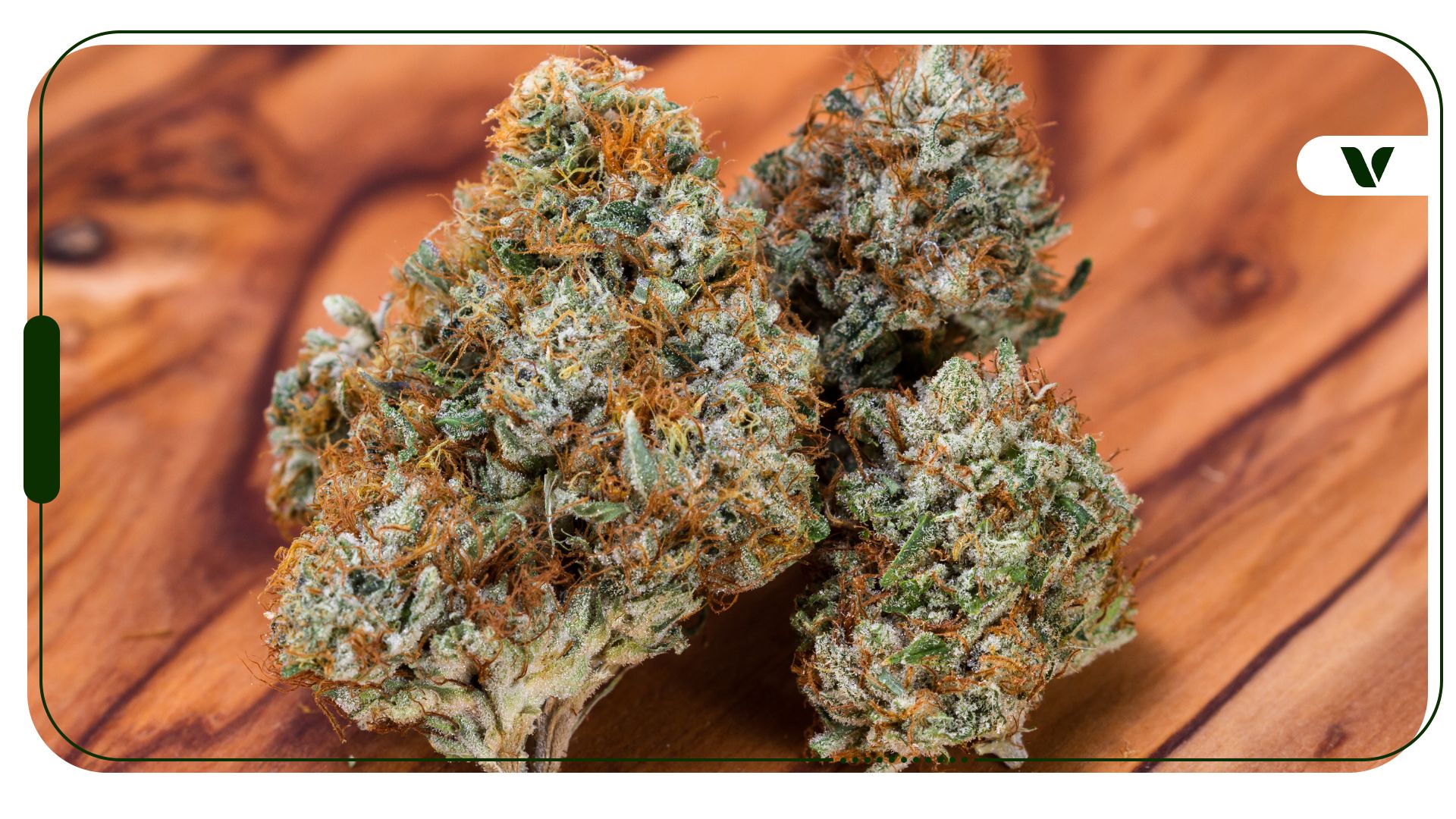
Cannabis strains such as Harlequin feature a typically balanced ratio of Tetrahydrocannabinol (THC) and Cannabidiol (CBD), making best use of the entourage effect phenomenon. Harlequin’s usually balanced ratio of cannabinoids is not common to the average cannabis consumer. However, for many medical patients, it’s a godsend as one of the most trusted balanced medicinal strains in a market full of high-THC powerhouses.
Harlequin has a complex, globetrotting history that includes multiple high-altitude landrace sativa lineages—Colombian Gold genetics from the 70s, Thai from the more mountainous, Laos-adjacent northern region, and a native Swiss landrace. These sativas form the backbone of the strain, which is also crossed with a Nepalese indica from the Mustang region.
Weed with equal parts THC and CBD wasn’t as common back when Harlequin was first bred. A breeder known as Mr. Green supposedly bred Harlequin as a 1:1 THC:CBD strain by accident in his quest to breed a strain specifically for producing hash. Friends of the breeder commented on the strain’s low psychoactive effect, while lab testing showed that Harlequin contained equal amounts of THC and CBD, also known as 1:1 or Type II weed.
Cannabinoid ratios of Harlequin can fluctuate; users can usually expect 5:2 and 2:1 ratios, along with 8-16% CBD and 4-7% THC. Harlequin’s terpene profile also adds to its medicinal reputation and the overall entourage effect.
These terpenes also contribute heavily to Harlequin’s highly appealing smell and flavor. Consumers enjoy earthy flavors and notes like pine trees mixed with tropical hints of sweet mango.
These traits, along with the average balanced cannabinoid and CBD/THC percentages, are very consistent across Harlequin phenotypes. This consistency makes it an excellent go-to for medical patients looking for a stable, reliable strain.
The synergistic nature of cannabinoids and terpenes results in a phenomenon known as the entourage effect. Cannabinoids and terpenes are more medicinally efficient in conjunction with one another within the human endocannabinoid system (ECS), often enhancing or modifying potential effects. In the case of THC:CBD ratios, CBD softens the psychoactive effects of THC when the two cannabinoids are paired.
The result is often a less psychoactive ‘high’ and more of a potential medicinal ‘relief’. Studies show that CBD can reduce anxiety, inflammation, and neurodegeneration in consumers.
The specific natures of terpenes—along with the balanced cannabinoid profile—also contribute to a more full-spectrum effect. Myrcene and pinene contribute a potentially calmer, clearheaded focus to the experience of Harlequin consumption.
An inherent uplifting mental clarity that Harlequin supposedly produces makes it a wonderful choice for daytime use by both consumers and patients. Users report the medicinally relaxing, yet alert functionality of this legendary sativa-dominant strain helps accomplish tasks, focus with more ease, and achieve a better all-around sense of well-being.
Many consumers enjoy Harlequin for managing potential ailments or conditions compared to other mostly CBD-dominant strains like ACDC and Cannatonic. Here are a few recent reviews of the Harlequin found on AllBud, an online marijuana strain database.
“Great instant dulling of muscle cramps and stress. High is “leveling”, not particularly intense, and very mild. I like to combine Harlequin with sedating strains since the high CBD levels help with pain that can keep me awake.” – Jazelazrbeam
“All in all, it’s some excellent CBD ish. Top notch for nerve pain, with primarily a perfect little boost. Best description of the effect is if you hold perfectly still, you reach a state of painlessness and an intense feeling of well-being while still being able to function normally.” – GTremor
There are many reasons why medical dispensaries keep high-quality medicinal strains like Harlequin stocked on their shelves, besides its mildly euphoric and alert relaxation. The presence of CBD supposedly brings potential anti-inflammatory and pain relief. Many patients report that Harlequin eases anxiety and stabilizes their mood, especially consumers who struggle with high-THC strains.
Balanced strains such as Harlequin also go the extra mile in terms of potential management and relief for a host of neurological and disease-related symptoms. Interactions between the ECS and both cannabinoids maximize the entourage effect to its highest potential. These reported effects include:
Harlequin is a Type II variety that grows like a typical sativa plant. Many cannabis breeders agree that there’s not really a big difference between growing a Type I, Type II, or Type III variety of weed—it all really depends on the region you live in and whether you grow indoors or outdoors. Regardless of the choice, home growers cultivate Harlequin for their personal medical tool kits—the strain is great for potent homemade bubble hash, rosin, tinctures, edibles, and lotions.
Growing Harlequin outdoors enhances the earthy, herbal, sometimes spicy, always fruity terpenes and traits of the plant, leading to a much richer, potent appeal. This cultivar quickly develops large, sometimes wiry flowers, so sungrown versions of it typically yield a large harvest.
Since Harlequin is a sativa-dominant plant, it grows tall (6–7 feet) and thrives much better in warm climates free of excess humidity. East Coast and Southern outdoor growers should utilize a greenhouse to manage humidity and prevent bud rot.
Harlequin’s structure is more slender and wiry due to its sativa-dominant genetics. Growers use support techniques like staking and trellising to help this strain grow vigorously throughout each cycle, especially under the weight of heavy buds during the late flowering phase.
Indoor growers produce Harlequin with more vibrant color and density, also known as ‘bag appeal’. It’s still up for debate whether outdoor weed has more flavorful terpene expressions; however, the indoor Harlequin flower we’ve sampled is extremely on-point with its instantly calming, fruity, herbal appeal. Indoor flower time is typically around 9-10 weeks; sativa-dominant weed plants have longer flowering times to finish properly.
Growers maintain consistent humidity and temperature to prevent plant diseases like mold and bud rot; however, Harlequin’s very tall size is another factor to consider. Growers must plan for having enough headspace to properly light this tall sativa. Cultivators who use techniques like topping and scrogging make the best use of Harlequin’s height, in hopes of a high-quality harvest within a more compact growing space.
READ: NPK Ratios For Cannabis Fertilizers: Balance Your Soil
Harlequin’s role as a potential medicinal answer for many different afflictions and ailments secured its legendary status—the strain is often mentioned as one of the top choices for consumers looking for medicinal relief.
Cannabis was always thought of as a more psychoactive substance above anything else until CBD and mixed or balanced-ratio cultivars came around. Researchers publish studies showing the therapeutic potential of balanced cannabinoid ratios. This unique strain isn’t just flower, either—tinctures, lotions, and concentrates derived from it also potentially help multitudes of people every day
Advocates hope more studies will explore Harlequin’s benefits as laws loosen through rescheduling or federal legalization. Cannabis breeders, meanwhile, continue to be inspired by Harlequin by creating more balanced or mixed-ratio varieties of weed. Other breeders continue to work the genetic lines of the plant into crosses that consist of variations of the cannabinoid ratios and terpene profiles. Some common crosses of Harlequin include:
Anybody developing a pros and cons list for Harlequin is going to find one column of the tally much emptier compared to the other. The potential benefits of this Type II balanced strain speak to those looking for a little less psychoactivity in their routine and more medicinal potential. The good news is that this remarkable strain’s availability is more common compared to other Type II strains based on its long-standing reputation as a consistent go-to for medical patients.
Harlequin changed the cultural perception of cannabis from a drug to a potential medicinal substance. Anyone seeking the potential benefits of a Type II strain can’t go wrong growing or choosing Harlequin and joining the entourage.
Sign up for our newsletter
Learn the process in your state
All Rights Reserved Veriheal Inc. ©
Terms Privacy Policy Advertising Agreement Content Disclamer


Get your medical marijuana card today
Sign up in under 5 minutes
Start By Selecting Your State
 Alabama
Alaska
Arizona
Arkansas
California
Colorado
Connecticut
Delaware
Florida
Georgia
Hawaii
Idaho
Illinois
Indiana
Iowa
Kansas
Kentucky
Louisiana
Maine
Maryland
Massachusetts
Michigan
Minnesota
Mississippi
Missouri
Montana
Nebraska
Nevada
New Hampshire
New Jersey
New Mexico
New York
North Carolina
North Dakota
Ohio
Oklahoma
Oregon
Pennsylvania
Rhode Island
South Carolina
South Dakota
Tennessee
Texas
Utah
Vermont
Virginia
Washington
West Virginia
Wisconsin
Wyoming
Puerto Rico
Alabama
Alaska
Arizona
Arkansas
California
Colorado
Connecticut
Delaware
Florida
Georgia
Hawaii
Idaho
Illinois
Indiana
Iowa
Kansas
Kentucky
Louisiana
Maine
Maryland
Massachusetts
Michigan
Minnesota
Mississippi
Missouri
Montana
Nebraska
Nevada
New Hampshire
New Jersey
New Mexico
New York
North Carolina
North Dakota
Ohio
Oklahoma
Oregon
Pennsylvania
Rhode Island
South Carolina
South Dakota
Tennessee
Texas
Utah
Vermont
Virginia
Washington
West Virginia
Wisconsin
Wyoming
Puerto Rico