1-855-452-6224 (Customer Support Available 24/7)

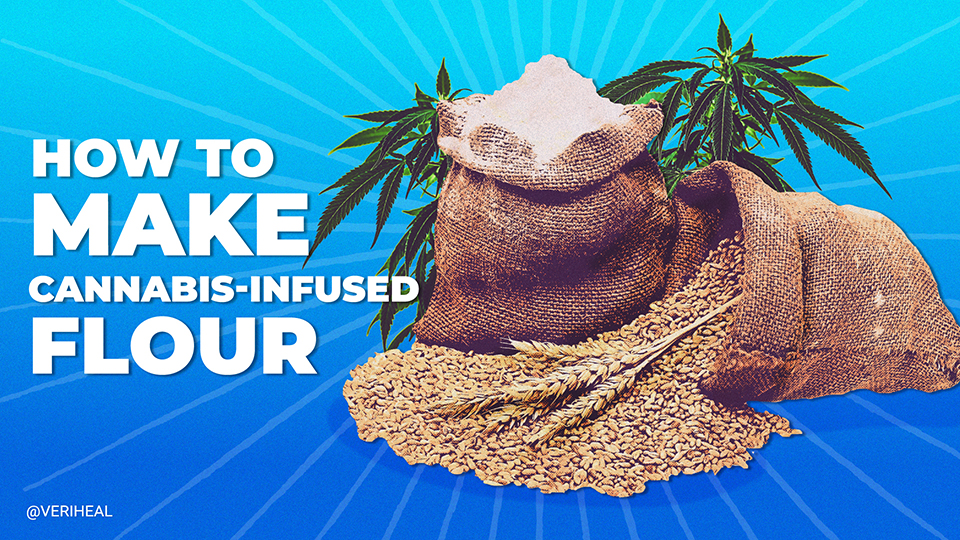
Cannabis is an incredibly versatile ingredient in the kitchen. Whether it’s dessert, dinner, or drinks, cannabis can play a fantastic role in enhancing flavors and elevating experiences. And that versatility extends further to its application in a recipe. You’re probably familiar with making cannabis-infused butter or coconut oil, but did you know that you can make cannabis-infused flour—or “cannaflour”—too?
You should consider cannaflour an essential addition to your cannabis-friendly pantry. It is easy to store. Easy to make. And most importantly, it’s a great way to get the benefits of the whole cannabis plant. Of course, cannaflour will have a more powerful herb and terpene-laced flavor than cannabutter or other infusions, but it likely won’t smell as loud or bright as you’d expect when making cannabutter.
Working with cannaflour is slightly different from using cannabutter. You’re more likely to run into temperature issues, mainly when the flour is outside the final product (like fried chicken, for example). The temperature should stay below 340 degrees Fahrenheit to preserve potency.
However, time and form are the most significant factors that determine how far you can push the temperature. Cookies will bake best around 325-375°F and usually need 10-18 minutes in the oven.
Baking rather than cooking with cannabis flour is probably safer since the internal temperature will never reach 350°F. Recipes like fried chicken need more precise monitoring since the flour would be on the outside and directly in hot oil. Thankfully, the ideal frying temperature for chicken is about 325°F for about 12 minutes, depending on the size.
The first step to making cannabis flour is to decarboxylate the cannabis buds. Decarboxylating, or decarbing, is applying heat to raw cannabis flower to activate the THC, CBD, and any other cannabinoids in the strain. The best method to activate cannabinoids is to bake the flower in your oven using the following process:
For more information on decarbing cannabis and why this step is crucial when making edibles, check out our complete guide to decarboxylation.
In my opinion, it’s best to make cannabis flour as needed rather than making larger batches to store. Fresh is usually best for many reasons, but especially to maintain potency. Also, cannabis flour is one of the fastest infusions to whip up, so it’s easy to decide on the fly to add it to a recipe. This recipe should take about 15 minutes if the cannabis is already decarboxylated and 1 hour if not.
The best ratio for flour to cannabis flower depends on the dose you require. That may only be a few grams or could be up to a quarter of the total weight of the flour. Depending on the recipe, you may be able to push it to an even split (half flour, half flower) without ruining the actual integrity of the recipe.
You can replace flour with cannabis flour in almost any recipe. Since it will have a more earthy, herbaceous flavor, it will pair well with savory recipes—think herb-covered focaccia or sourdough, gravy, breaded chicken (baked or fried), dinner pies, or pancakes. Any recipe that’s heavy on flour but light on butter or oil is ready for replacement with cannabis flour.
If you’re ready to get cooking with your freshly made batch of cannaflour, give this savory crepe recipe (adapted from Martha Stewart) a shot. The batter can be made up to a day in advance and can be frozen once cooked. Fill it with herb-friendly savory items like gruyere and ham or fresh mozzarella, basil, and tomatoes.
This recipe yields six 8-inch crepes.
| Amount per Serving | |
| Calories | 98 |
| Fat | 5.1 grams |
| Saturated fat | 2.9 grams |
| Cholesterol | 49 milligrams |
| Sodium | 22.9 milligrams |
| Potassium | 65.5 milligrams |
| Carbohydrates | 9.5 grams |
| Dietary fiber | .3 grams |
| Sugar | 1.7 grams |
| Protein | 3 grams |
There are two schools of thought when it comes to storing cannabis flour. Some prefer to premix the finely ground cannabis with flour in advance. Others like to keep the decarbed cannabis powder and flour separate until it’s time to cook. In both instances, an airtight container and a cool dark place are best for storing cannaflour—similar to keeping plain flour or cannabis flower fresh. You should aim to use it within three months for optimal freshness and potency.
As cannabis flour opens new culinary doors for you, remember to start small when trying new consumption methods. It’s easy to eat more, but it is not so easy to undo. So drink plenty of water and get comfy while enjoying your new cannaflour recipes and concoctions. If you would like to learn more about using edibles or if it’s suitable for your lifestyle and needs, consult with a licensed medical cannabis doctor or cannabis coach near you.
This blog post was originally written by Kat Helgeson and published on 1/9/20. Updated 5/2/22.
Great
I love this site
Hi, how would I calculate the mg in each tablespoon of sugar?
Hi, just count how many tbs servings you get from the pile of sugar you make …just scoop up and put in separate container while counting….. use the calculator…. It will give you a rough estimate
Hi There,
Cannabis worker here: I am not sure that it’s entirely accurate to say that soaking the flower in grain alcohol increases potency. After the decarboxylation step, potency is usually set. During the process of soaking the decarboxylated flower in grain alcohol, the alcohol is acting as a solvent and is breaking the trichombs off of the plant material. The trichombs house all of the cannabinoids and terpenes, the rest of the plant material is largely useless in terms of creating a psychoactive affect. Soaking for one to two hours and shaking the tincture should do the trick. The longer it soaks, the more chlorophyll leaches into the tincture, the plant-ier your tincture and final product will taste. Another tip I would suggest would actually be freezing your decarboxylated flower and your alcohol before mixing it together, this makes the trichombs extremely brittle and will allow them to break off easier into the alcohol mixture. This will also reduce how much chlorophyl makes its way into the tincture, improving your overall taste. There are several THC calculators available online to understand how to properly dose your tincture, cannabutter, cannasugar or cannaoil.
Thank you for your break down. The way my mind works…your instructions helped me make sense of what to do. 🙏
Sign up for our newsletter
Learn the process in your state
All Rights Reserved Veriheal Inc. ©
Terms Privacy Policy Advertising Agreement Content Disclamer


Get your medical marijuana card today
Sign up in under 5 minutes
Start By Selecting Your State
 Alabama
Alaska
Arizona
Arkansas
California
Colorado
Connecticut
Delaware
Florida
Georgia
Hawaii
Idaho
Illinois
Indiana
Iowa
Kansas
Kentucky
Louisiana
Maine
Maryland
Massachusetts
Michigan
Minnesota
Mississippi
Missouri
Montana
Nebraska
Nevada
New Hampshire
New Jersey
New Mexico
New York
North Carolina
North Dakota
Ohio
Oklahoma
Oregon
Pennsylvania
Rhode Island
South Carolina
South Dakota
Tennessee
Texas
Utah
Vermont
Virginia
Washington
West Virginia
Wisconsin
Wyoming
Puerto Rico
Alabama
Alaska
Arizona
Arkansas
California
Colorado
Connecticut
Delaware
Florida
Georgia
Hawaii
Idaho
Illinois
Indiana
Iowa
Kansas
Kentucky
Louisiana
Maine
Maryland
Massachusetts
Michigan
Minnesota
Mississippi
Missouri
Montana
Nebraska
Nevada
New Hampshire
New Jersey
New Mexico
New York
North Carolina
North Dakota
Ohio
Oklahoma
Oregon
Pennsylvania
Rhode Island
South Carolina
South Dakota
Tennessee
Texas
Utah
Vermont
Virginia
Washington
West Virginia
Wisconsin
Wyoming
Puerto Rico