Your medical cannabis journey simplified: find partnered dispensaries, explore pricing options, earn rewards, and get answers to FAQs, all in one spot.
Back in the 70s and 80s, when amateur cannabis breeding was taking off, many North American growers began crossbreeding imported landrace strains. They mixed Afghan, Thai, Mexican, and Colombian varieties, but not every experiment was a success. Some plants ended up weak, turned hermaphroditic, or produced buds with little potency.
Another problem they faced stemmed from outdoor growing, which exposed plants to pollen that turned flowers into seeds or compromised the intended hybrids. These mistakes birthed jokes about “ditch weed” hybrids, which looked promising but smoked like lawn clippings.
Over the decades, breeders learned from these early mistakes and optimized cannabis cultivation to deliver better and more predictable yields. Some of the most famous results of these crossbreeding successes include beloved strains likeSour Blue Diesel, Thin Mint GSC, Gelato, and Sunset Sherbet.
What Is Crossbreeding and Why Do It?
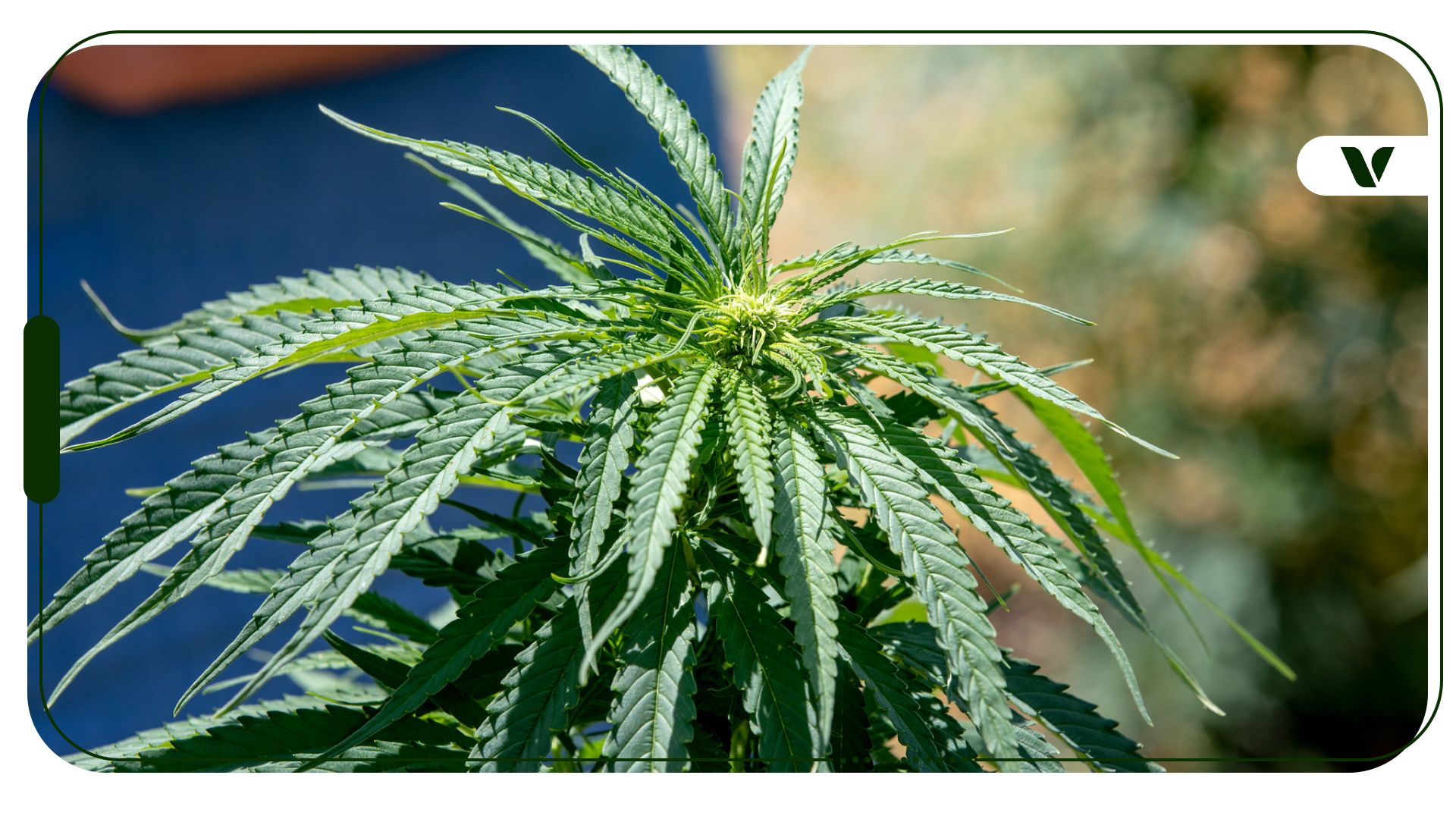
Cannabis crossbreeding involves taking two different strains and combining their genetics to create a new one. It’s not so different from breeding a Labrador with a Poodle to get the oh-so-adorable Labradoodle.
Breeders do this to enhance or mix cannabis traits like potency, flavor, aroma, yield, or flowering time. For example, crossing a fast-flowering strain with one that has exceptional flavor could produce a plant that’s both tasty and quicker to harvest. It’s how the Blue Dream strain was born.
In short, crossbreeding is about improvement and experimentation to create strains that carry the best of both parents while minimizing weaknesses. However, the process doesn’t always go according to plan, especially if you don’t take the necessary precautions. It’s why we’ve put together this compilation of what to avoid during cannabis crossbreeding if you want to avoid unintended outcomes.
10 Things to Avoid When Crossbreeding Cannabis
Whether you’re into large-scale marijuana farming or grow for personal use, you should avoid these mistakes when mixing strains:
1.Growing in the Open
One of the biggest mistakes breeders make is attempting crossbreeding outdoors or in poorly controlled spaces. Cannabis pollen is incredibly lightweight and can travel for miles on the wind, sneaking in from neighboring grows or even wild hemp patches. That means your carefully planned hybrid could end up seeded by an unintended stranger, ruining both the genetics and the harvest.
On top of windborne pollen, there’s also the human factor. Clothing, hair, and even skin can carry microscopic pollen into your grow room, and unless you have strict protocols in place, it only takes one slip-up to undo months of work.
Take, for examplethe2409’s story shared on the ILGM Forum. After leaving an employee in charge of the grow space, nearly all flowering plants suddenly sprouted seeds due to accidental pollen contamination. This frustratingly destroyed three large harvests totaling 1,200 square feet of crops. The employee apparently thought washing hands and wearing a hat was sufficient to prevent contamination, highlighting how easily breeding environments can be compromised.
2.Crossing with No Goals
Don’t be the mad scientist that bends the laws of nature for kicks or simply because they can. Breeding without a clear goal usually leads to wasted time, space, and resources. Why? Because every cross dilutes genetics.
Also, random experimentation makes stabilization nearly impossible. Without a defined target, you’ll struggle to select which traits are worth keeping across generations. The result? Plants that are inconsistent, hard to reproduce, and potentially unstable in flowering or structure.
Breeding is most successful when guided by intention. Otherwise, you’re just creating Frankenstein strains (Franken-strains?) that look interesting but fail to deliver where it counts: in the jar.
3.Poor Parent Selection
Even with clear goals, your breeding project will fall apart if you start with weak parents. Choosing unhealthy or genetically unstable plants almost guarantees you’ll pass on undesirable traits like low potency, poor structure, or hermaphroditism. In other words: garbage in, garbage out.
The fix is ruthless selection. Only crossbreed the best specimens to create the next generation. That means strains that are vigorous, stable, resin-rich, and free of problems. If you want to end up with seeds that provide predictable yields for generations, don’t mix weaklings.
4.Using One-Size-Fits-All Lighting
When it comes to crossbreeding, lighting can make or break your project. The same lighting arrangement that’s worked before might not be ideal for your new breed. Too much intensity early on can stress young hybrids, making them more likely to throw unstable traits or become hermaphrodites under pressure.
On the other hand, too little light during flowering can result in underdeveloped buds and poor-quality seeds that won’t germinate reliably. Both scenarios can sabotage your efforts to create and stabilize a new strain.
One way to figure out the right lighting balance is by looking at the parents. If one strain loves blasting light and the other does better under softer conditions, find a middle ground. That way, you’re not stressing the plants, and the offspring get a fair chance to show their traits without being pushed too hard in either direction.
See If You Qualify For Medical Marijuana -Select Your State!
Select Your State
Alabama
Alaska
Arizona
Arkansas
California
Colorado
Connecticut
Delaware
Florida
Georgia
Hawaii
Idaho
Illinois
Indiana
Iowa
Kansas
Kentucky
Louisiana
Maine
Maryland
Massachusetts
Michigan
Minnesota
Mississippi
Missouri
Montana
Nebraska
Nevada
New Hampshire
New Jersey
New Mexico
New York
North Carolina
North Dakota
Ohio
Oklahoma
Oregon
Pennsylvania
Rhode Island
South Carolina
South Dakota
Tennessee
Texas
Utah
Vermont
Virginia
Washington
West Virginia
Wisconsin
Wyoming
Never miss a post
Get updates on cannabis culture, new research, and expert insights
5.Using One-Size-Fits-All Watering
Watering mistakes are one of the quickest ways to derail a crossbreeding project. Many new breeders treat every plant the same, giving them identical amounts of water on the same schedule. The problem? Hybrids don’t always share the same thirst.
Parent strains often come from very different environments, like a drought-tolerant Afghani indica crossed with a moisture-loving Thai sativa. Their offspring can inherit a mix of those needs, which means some plants in the same batch will thrive with less water while others want more frequent drinks. If you stick to a rigid, one-size-fits-all schedule, you risk drowning some and starving others.
Crossbreeding demands flexibility. Pay attention to each plant, check soil moisture, watch for drooping leaves, and adjust your watering based on individual needs. Treat them like unique seedlings rather than identical copies. That extra attention helps you see which traits carry through and ensures your future strain is built from strong, resilient plants.
6.Mixing Plants with Conflicting Flowering Times
Another common mistake in crossbreeding is pairing plants that flower on completely different schedules. Imagine crossing a fast-finishing indica that’s ready in 7 weeks with a long-flowering sativa that takes 14 weeks. On paper, it sounds like you might get the “best of both worlds,” but in practice, it might create headaches.
First, the offspring might inherit unpredictable timing, where some plants finish early and others drag on forever. That inconsistency can frustrate stabilizing the strain and complicate having reliable harvests.
Second, mismatched flowering times can complicate the actual breeding process. For instance, if one parent is releasing pollen while the other is still weeks from maturity, you could miss the window for pollination altogether. For these reasons, it’s best to choose strains with flowering schedules that overlap or at least aren’t dramatically different.
7.Poor Record-Keeping
Crossbreeding isn’t just about mixing plants. It’s about tracking what works and what doesn’t. Without accurate records, it’s easy to forget which male pollinated which female, or which seedlings came from which cross. That might not seem like a big deal at first, but when you find a plant with amazing flavor or crazy potency, you’ll have no clue how to recreate it.
Even worse, you could waste months chasing traits that came from a random accident. But if you keep clear records with labels, grow logs, and photos, those experiments become repeatable successes instead of one-off flukes you can’t recreate.
8.Ignoring Genetic Stability
Crossing unstable parents creates offspring with unpredictable traits. This often means hermaphrodites, weak potency, or weird growth patterns. If crossing hybrids, you should never cross first-generation (F1) hybrids, or even second (F2) or third (F3) generations.
Ideally, you should only cross strains that have gone through several generations of selective breeding to stabilize and lock in the traits you want. Otherwise, every seed is a roll of the dice. You might get one plant with amazing qualities, but the rest could be duds. Stability is what makes a strain reliable, repeatable, and worth passing on.
9.Not Domesticating Enough
Domesticating a strain means breeding it over several generations and selecting only plants with the best traits to breed again. Most new crossbreeds don’t stabilize until around the fifth generation, and rushing the process could lead to inconsistent plants or hermie tendencies.
Even at F5, traits can still split, and recessive issues can resurface, so selection shouldn’t stop there. Instead, continue refining with test grows and trait tracking until at least F7. At this point, genetics are typically stable enough to scale up or distribute to other growers as seeds.
Without proper testing, you can’t confirm if your new strain can hold up under real-world conditions. This puts you at risk of releasing plants that don’t grow or smoke as advertised.
With comprehensive testing, you can catch weaknesses early and tweak your cross until it’s a true success. Here are relevant tests every breeder should run:
Smoke Test: The smoke test checks for potency, flavor, aroma, and smoothness, letting you know how enjoyable your bud is. Dry, cure, and sample flowers from multiple plants in the cross to spot consistency (or lack of it).
Environment Test: This test shows how well the strain performs in different conditions, so you know the best environment to grow it. Cultivate the same genetics in different environments, including soil vs. hydro, indoor vs. outdoor, and hot vs. cool climates.
Stress Test: Stress testing exposes weak genetics that herm or collapse under pressure. Give plants controlled stress like slight light leaks, temperature swings, or heavy pruning to see if they stay stable or crash.
Yield Test: This measures whether your new cross is worth the effort in terms of bud production. Record harvest weights, bud density, and resin coverage across several runs to confirm repeatable yields.
Flowering Time Test: Consistency in bloom speed is key for breeders and growers. Track days from flip to harvest across multiple plants. If timing varies widely, the line isn’t stable yet.
Clone Test: Cloning checks whether traits are truly locked in. Take cuttings from one plant, grow them out, and compare results. If clones vary, the genetics aren’t dependable.
Weird, Unplanned Outcomes Aren’t Always Bad
Not every grower seeks perfection. If you’re the mad scientist type, like the originator of the Freakshow strain, you want something new, like a hardier or more flavorful plant. Freakshow, a quirky cross of Big Bud, Skunk #1, Big Sur Holy Bud, and Banana Kush, is just that.
It grows with long, deeply serrated, almost fern-like leaves that look nothing like typical cannabis. More importantly, it’s a low-maintenance, high-yielding strain that thrives in both bright gardens and underlit rooms. Jordan, Freakshow’s creator, achieved this by doing the opposite of what most crossbreeders would.
Instead of culling mutated seedlings, he selected them and bred those odd traits forward. After several generations, the line stabilized into a hardy, high-yielding strain. It’s not only consistent but also one of the most unusual-looking plants on the market.
Tobi Moyela is an avid cannabis enthusiast who enjoys creating helpful, educational content that helps others better understand cannabis, especially its potential uses and benefits. When he's not researching or writing for brands, you can find him watching anime, cooking, or reading his latest fiction finds.
In the confusing landscape of state-by-state medical marijuana legalization and federal prohibition lies a patient’s pursuit of a better quality of life, balanced with an unrestricted financial livelihood. In workplaces across many different medical marijuana legal states, no law guarantees that a valid, card-carrying MMJ patient status exempts an employee from termination or discrimination stemming…
It feels like every other day, a fresh slang term pops up in the cannabis lexicon, and today, we’re looking at an entry that’s all over TikTok and Reddit – Yart! Spoiler alert: it has everything to do with the humble vape cart (and how challenging it is to talk about cannabis on social media). …
The final stage of life often brings profound challenges for both patients and their families. For patients in hospice and palliative care, common symptoms not only affect the physical body but also their mental well-being. While traditional medications may dull pain, they often come with heavy sedation, confusion, and loss of clarity. Fortunately, medical cannabis…
The old “lazy stoner” stereotype is quickly fading. We now see bodybuilder moms using cannabis for better sleep, runners getting in the zone with the help of weed, and many other examples of cannabis being used in ways that counter the unmotivated stereotypes of the past. As legal access to the plant increases, more people…
If you’re planning to get a medical marijuana card in 2026, you might be wondering whether you need to meet with a certified cannabis doctor—either online or in person. Still, finding a qualified medical marijuana doctor near you can feel overwhelming and confusing if you’re not sure where to start. This guide shows you exactly…
The statements made regarding cannabis products on this website have not been evaluated by the Food and Drug Administration (FDA). Cannabis is not an FDA-approved substance and is still illegal under federal law. The information provided on this website is intended for educational purposes only and is not intended to diagnose, treat, cure, or prevent any disease. It is not intended as medical advice and should not be considered as a substitute for advice from a healthcare professional. We strongly recommend that you consult with a physician or other qualified healthcare provider before using any cannabis products. The use of any information provided on this website is solely at your own risk.