1-855-452-6224 (Customer Support Available 24/7)

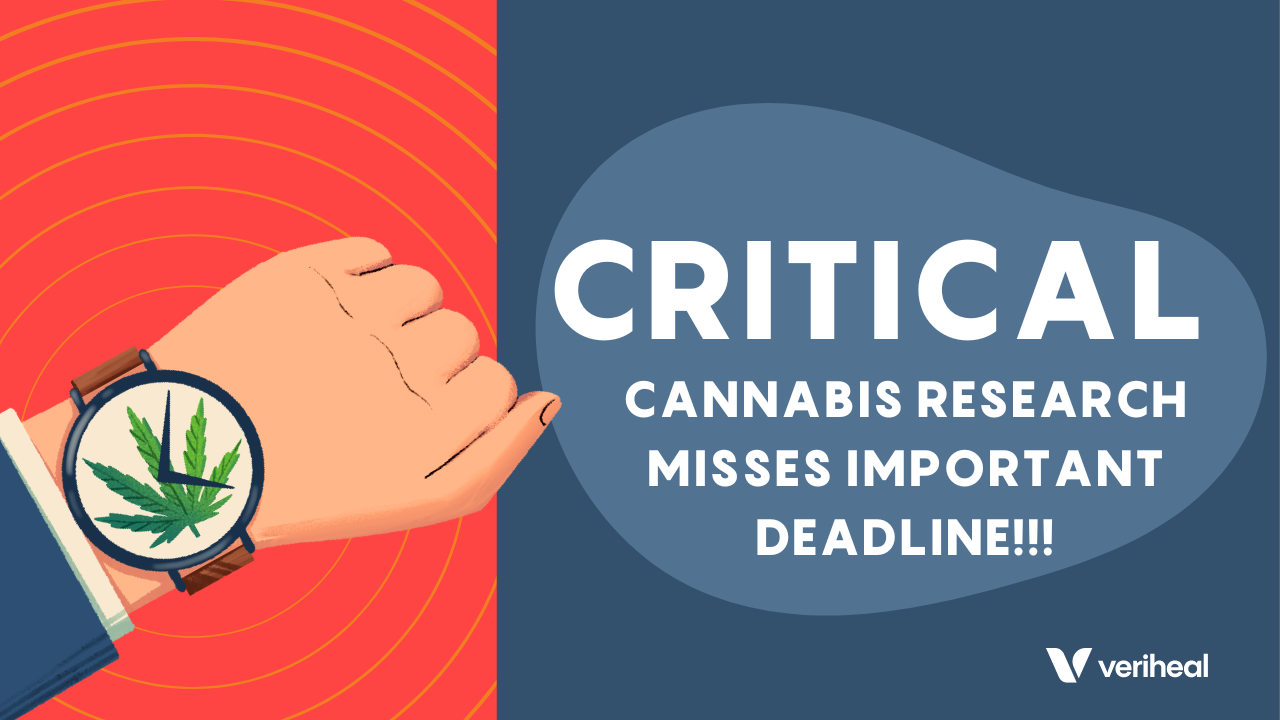
Ohio rec. kicks off while Florida looks ahead, California introduces employment protections for cannabis users, and the HSS’ cannabis report deadline approaches.
Let’s dive into this week’s cannabis and psychedelic news.
Last month, Ohio voters overwhelmingly passed Issue 2 officially legalizing recreational cannabis. The measure passed with 57% of Ohioans voting YES on the issue. This historic move made Ohio the 24th state in the U.S. to embrace recreational cannabis.
The new law officially kicks in today, December 7th. That means Ohioans aged 21+ can now possess up to 2.5 ounces of cannabis and 15 grams of extracts. Unfortunately, dispensaries are not expected to start selling recreational cannabis until at least the summer of next year. This long wait, however, has not impacted financial projections which say Ohio’s recreational market could generate between $1.5 and $4 billion in revenue within a few years.
So, which state is next to embrace recreational cannabis? All signs point to Florida! Medical cannabis is already incredibly popular in the Sunshine State with 862,155 registered patients according to the latest Florida Department of Health’s Office of Medical Marijuana Use report. With these massive numbers, it’s no surprise that 67% of Floridians “strongly” or “somewhat” support an amendment to legalize recreational use according to a recent poll.
That 67% figure surpasses the 60% approval rate needed to pass an amendment in Florida. Of course, many past efforts to bring recreational cannabis to Florida have failed or stalled due to government interference. If all goes well this time, locals can expect to vote on the recreational legalization amendment during next year’s November 5th election.
California employees will enjoy a new level of legal protection starting January 1st, 2024. Starting then, employers with five or more employees can no longer discriminate against applicants or employees based on off-duty cannabis use or failed employer-required drug screening tests. That said, pre-employment drug tests that are scientifically valid and do not screen for nonpsychoactive cannabis metabolites are still allowed. This crease in the law essentially acknowledges that while THC can indicate impairment, THC stored in the body long after consumption does not mean one is CURRENTLY impaired.
The new law also has a number of other exceptions. To start, employers can still discipline or fire employees who are high and impaired at work. Employers in fields that are considered dangerous, such as construction, and those under federal jurisdiction, meanwhile, can continue taking off-duty cannabis use into consideration. Lastly, all employers retain the right to take past cannabis convictions into consideration.
What do you think about California’s newest employee protection law? Do you think it does enough? Let us know in the comments!
This Saturday marks one year since The U.S. Department of Health and Human Services (HSS) was tasked with submitting a cannabis report. The report is expected to touch on the following:
Advocates hope the report will lead to increased cannabis acceptance and — possibly — clear the way for eventual federal legalization.
Make sure to check in with Veriheal to learn all about the report’s findings as soon as it drops!
Sign up for our newsletter

Learn the process in your state
All Rights Reserved Veriheal Inc. ©
Terms Privacy Policy Advertising Agreement Content Disclamer
Get your medical marijuana card today
Sign up in under 5 minutes
Start By Selecting Your State
 Alabama
Alaska
Arizona
Arkansas
California
Colorado
Connecticut
Delaware
Florida
Georgia
Hawaii
Idaho
Illinois
Indiana
Iowa
Kansas
Kentucky
Louisiana
Maine
Maryland
Massachusetts
Michigan
Minnesota
Mississippi
Missouri
Montana
Nebraska
Nevada
New Hampshire
New Jersey
New Mexico
New York
North Carolina
North Dakota
Ohio
Oklahoma
Oregon
Pennsylvania
Rhode Island
South Carolina
South Dakota
Tennessee
Texas
Utah
Vermont
Virginia
Washington
West Virginia
Wisconsin
Wyoming
Puerto Rico
Alabama
Alaska
Arizona
Arkansas
California
Colorado
Connecticut
Delaware
Florida
Georgia
Hawaii
Idaho
Illinois
Indiana
Iowa
Kansas
Kentucky
Louisiana
Maine
Maryland
Massachusetts
Michigan
Minnesota
Mississippi
Missouri
Montana
Nebraska
Nevada
New Hampshire
New Jersey
New Mexico
New York
North Carolina
North Dakota
Ohio
Oklahoma
Oregon
Pennsylvania
Rhode Island
South Carolina
South Dakota
Tennessee
Texas
Utah
Vermont
Virginia
Washington
West Virginia
Wisconsin
Wyoming
Puerto Rico