Your medical cannabis journey simplified: find partnered dispensaries, explore pricing options, earn rewards, and get answers to FAQs, all in one spot.
In recent years, burnout is gaining increasing recognition as a serious occupational health concern, particularly in high-stress fields like medicine. At the same time, psychedelics are emerging from the margins of medical science as promising therapeutic substances for stress, depression, psychological trauma, and several mental health conditions.
With expanding evidence pointing to the potential for psychedelic drugs like psilocybin to offer profound therapeutic benefits for mental wellness, researchers are starting to explore these drugs’ potential in alleviating clinician burnout.
What is Burnout?
Burnout is recognized by the World Health Organization (WHO) as an “occupational phenomenon” resulting from chronic, unmanaged workplace stress. Although burnout is not classified as a medical condition, the International Classification of Diseases (ICD-11) includes it as an important factor affecting overall health. The WHO defines burnout as a set of symptoms related to the workplace and specifies that it does not refer to feelings of disinterest or exhaustion from other areas of life, such as parenting, or from other mental health conditions like depression.
The WHO characterizes burnout according to three main features:
Feelings of emotional exhaustion or energy depletion
Increased mental distance from or cynicism toward one’s job
Decline in professional efficacy
Researchers have identified burnout as a widespread issue affecting multiple populations of workers, with healthcare professionals, university students, professors, and the general US workforce reporting high prevalence rates.
A systematic review of burnout among university students across various disciplines found that nearly 40% exhibited symptoms of burnout syndrome (BOS). Similar concerns extend to university professors, with studies reporting a high burnout risk, affecting 37% overall, alongside significant levels of emotional exhaustion, depersonalization, and low personal fulfillment.
Burnout is also highly prevalent in the medical profession, affecting healthcare workers at all career stages. Studies estimate that over one-tenth of nurses worldwide suffer from high burnout symptoms. Burnout rates among medical residents are also high, ranging from 27% to 75%, depending on medical specialty. Unsurprisingly, emergency physicians experience some of the highest burnout rates, with around 57% affected, and systematic reviews show overall physician burnout prevalence estimates can be as high as 80.5%.
Alarmingly, burnout is not limited to competitive or high-stakes work environments such as academia and medicine. A 2021 survey of 1,000 full-time US workers revealed that 89% had experienced burnout in the past year, with over a quarter of them (27%) experiencing feelings of burnout “all the time.” Moreover, experiences of burnout were found to have serious consequences for workforce stability, as 70% of employees indicated that they were considering leaving their jobs for workplaces with better burnout prevention measures. Younger workers appear to have particularly high rates of burnout, as they undertake disproportionate workloads in an attempt to “prove themselves.”
These statistics indicate that burnout is not merely a failure of individual resilience but a far-reaching concern for workers of all types with potentially serious implications for mental health and job performance. Moreover, the consequences of burnout extend beyond individual well-being, posing significant risks not only to those experiencing it but also to those around them as well. For example, burnout among clinicians leads to higher rates of depression, anxiety, and substance use, increases the risk of medical errors, and reduces the quality of patient care. For those outside of the healthcare profession, higher rates of depression, anxiety, and chronic stress can lead to cognitive impairments, emotional detachment, and a diminished capacity for empathy, all of which undermine not only workplace performance, but such effects also have consequences for the well-being of those who depend on burned out individuals, such as their families and communities.
Why Study Psilocybin to Address Burnout?
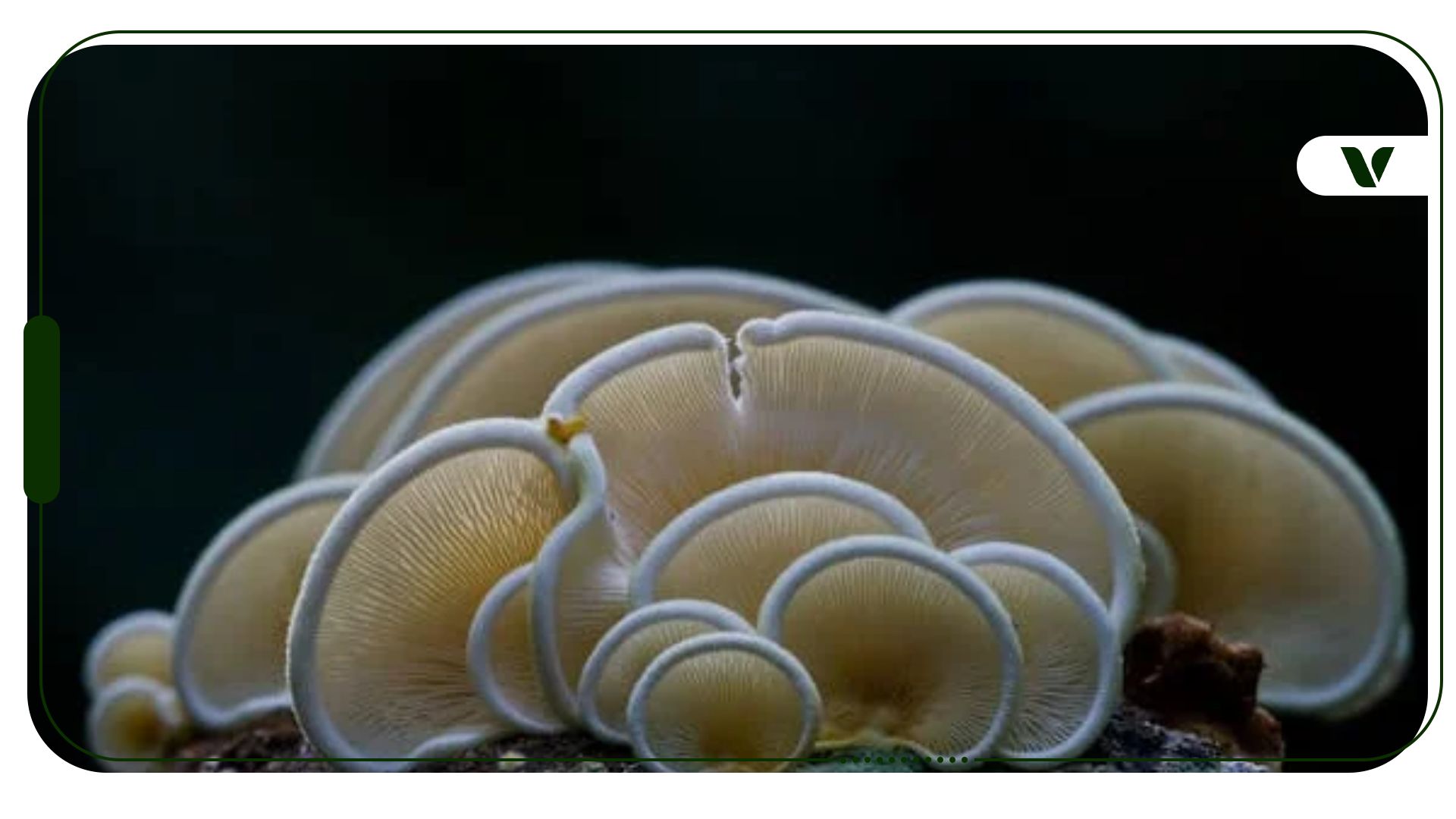
Psilocybin is a naturally occurring psychedelic compound found in various species of fungi that attracts the interest of Indigenous and Western medical researchers worldwide due to profound antidepressant and antianxiety effects associated with taking the substance. Although psilocybin remains a federally illegal Schedule I substance, millennia of anecdotal use in Indigenous populations and new clinical research have produced promising results that initiated a movement toward recognizing the drug as a valuable medicinal product, with the US Food and Drug Administration (FDA) designating the compound as a “breakthrough therapy” for treatment resistant depression (TRD) and major depressive disorder (MDD) in 2018 and 2019, respectively.
Burnout and depression share several overlapping symptoms—including emotional exhaustion, reduced motivation, and feelings of hopelessness or detachment. Both conditions can also manifest as chronic fatigue, difficulty concentrating, and a diminished sense of personal accomplishment—but they are essentially separate psychological conditions.
Burnout is an emotional and psychological syndrome that specifically results from prolonged work-related stress, while depression stems from a broader range of personal and environmental factors. By contrast, depression is a medical condition that carries specific diagnostic criteria that must include depressed mood, along with possible physical symptoms like:
See If You Qualify For Medical Marijuana -Select Your State!
Select Your State
Alabama
Alaska
Arizona
Arkansas
California
Colorado
Connecticut
Delaware
Florida
Georgia
Hawaii
Idaho
Illinois
Indiana
Iowa
Kansas
Kentucky
Louisiana
Maine
Maryland
Massachusetts
Michigan
Minnesota
Mississippi
Missouri
Montana
Nebraska
Nevada
New Hampshire
New Jersey
New Mexico
New York
North Carolina
North Dakota
Ohio
Oklahoma
Oregon
Pennsylvania
Rhode Island
South Carolina
South Dakota
Tennessee
Texas
Utah
Vermont
Virginia
Washington
West Virginia
Wisconsin
Wyoming
Never miss a post
Get updates on cannabis culture, new research, and expert insights
Fatigue
Changes in appetite or weight
Sleeping disturbances
Agitation or psychomotor disturbances
Unexplained aches and pains
However, the two can nevertheless be mutually reinforcing: namely, individuals with preexisting depression may be more vulnerable to burnout due to lower mood and lower resilience to stress, while prolonged burnout can contribute to the onset or exacerbation of depression by fostering feelings of inadequacy, hopelessness, and emotional depletion.
Thus, although burnout and depression are distinct, burnout symptoms can put someone at risk for, or indicate that they may be developing, depression, and this makes it important to identify and address burnout symptoms early on. Further research on the connection between burnout and depression will be essential to better understanding how to evaluate and address the mental health risks associated with burnout.
Several studies have measured how psilocybin treatments affect the level of burnout experienced by participants. A naturalistic observation study was done to gather information about how psilocybin mushroom use affects indicators of mental health and well-being. The study measured burnout among its metrics for determining improvements in psychological health.
The results are based on a series of web surveys administered to a sample of 2,833 adults planning to take psilocybin outside clinical research. Researchers took baseline assessments approximately two weeks before participants used psilocybin, as well as the day before. After their psilocybin session, investigators then administered follow-up assessments 1–3 days after, 2–4 weeks after, and 2–3 months after psilocybin use.
Levels of personal and occupational participant burnout were significantly reduced at 2–3 months after psilocybin use. On top of this, there were further persisting reductions in anxiety, depression, and alcohol misuse, increased cognitive flexibility, emotion regulation, spiritual wellbeing, and extraversion.
Another study targeted healthcare professionals who had developed symptoms of depression, burnout, and post-traumatic stress disorder (PTSD) from frontline clinical work as a result of the COVID-19 pandemic. During the pandemic, physicians, advanced practice practitioners (APPs), and nurses were subject to significant psychological strain. At the height of the crisis, they endured prolonged shifts, high rates of patient mortality, high-stakes decision-making under uncertainty, and fear for their own and their families’ safety. Such occupational challenges imposed lasting psychological effects on many, even on those without prior mental health conditions.
Clinicians participating in the study were those who had at least 1 month of direct frontline clinical care experience during the COVID-19 pandemic under conditions involving extended shifts, care for critically ill COVID-19 patients, and witnessing death from COVID-19. The participants had no mental health diagnoses before the pandemic but reported experiencing persistent, moderate-to-severe depression symptoms for at least six months, despite trying at least one medication or therapy treatment.
The results build upon the literature showing that psilocybin therapy can be an effective intervention for those experiencing major depressive disorder and treatment-resistant depression. Participants showed statistically significant and sustained improvement in symptoms of depression over the 6-month trial. Burnout measures decreased among participants; however, these did not reach statistical significance. Nevertheless, the researchers note that the small trial and single dose may not be well-suited to measuring this particular outcome. One dose may also be too small (subtherapeutic) in the face of ongoing and chronic job stress, so further testing sessions focused on burnout symptoms would provide a better understanding of how similar treatment can impact the symptoms of burnout more specifically.
Another new study recruited emergency medical service workers (EMSWs) to investigate whether a single self-administered dose of psilocybin mushrooms could help address the psychological and stress-related symptoms resulting from a challenging work environment that are said to contribute to occupational burnout (OB). To perform the essential duties carried out by EMSWs, these professionals take on regular exposure to distressing situations, traumatic scenes, death, and violence. Plus, these workers are subject to further organizational stressors such as excessive and unpredictable workloads, inadequate compensation, lack of benefits, decreasing numbers of staff, and high productivity or effectiveness demands. Such factors put the population of emergency responders at a higher risk of suffering from mental health conditions and symptoms, such as PTSD, burnout, depression, and high-risk coping strategies involving alcohol or drug abuse, compared to the general population.
Two weeks after participants self-administered a single therapeutic dose of psilocybin, they showed significant improvement across all selected measures of OB. These improvements generally remained stable at the two-month follow-up, except on the organizational stressors scale. Many participants credited the reduction in their OB symptoms to the psychedelic experience, which they said fulfilled their intentions and led to emotional breakthroughs and “life-changing” psychological insights. Individuals reported profound reflections regarding adaptive and maladaptive behavioral patterns, difficult feelings, novel insights, emotional closure, and an increased ability to explore challenging emotions and memories without resisting. Follow-up interviews after the trial confirmed that participants achieved significant breakthroughs in their approaches to enduring personal issues, leading to an overall positive impact on their lives.
Final Takeaways
Emerging evidence suggests that psilocybin may offer a promising intervention for burnout, particularly given the substance’s potential to alleviate symptoms of burnout that overlap with depression, such as emotional exhaustion and reduced motivation. However, one could also call into question the clinical framing of burnout itself. Should we understand burnout primarily as a personal affliction that requires medical treatment, or does this view overlook the social failures and toxic workplace expectations that often cause it?
In other words, if burnout stems from unsustainable labor conditions, could medicalizing the concept of burnout risk shift responsibility away from the institutions that perpetuate chronic workplace stress? While psychedelics may relieve individuals suffering from these conditions, we must consider how society packages syndromes like “burnout” for public consumption. Since burnout stems from excessively stressful work conditions, we shouldn’t focus solely on treating individual workers. Instead, we need to address the work culture that causes burnout in the first place.
Sheldon Sommer is a Southern Californian philosopher with a lifelong interest in the biological world. She is enthusiastic to contribute her fascination with philosophy, natural history, psychology, botany, biochemistry and other related topics to providing cannabis education for the similarly curious. Outside of writing, she enjoys painting, singing opera and Taylor Swift songs, as well as spending quality time with a certain beloved orange kitty cat.
Reclaim edibles are re-purposed leftovers. You see that sticky residue sitting in your dab rig? Take a look, it is there. With a teensy bit of creativity, you can actually transform it into something amazing. The downside? Probably won’t hit exactly like fresh cannabis and won’t taste great either. However, if for whatever reason you…
In the school of life, tetrahydrocannabinol (THC), the most popular intoxicating cannabis compound, is like the popular kid everyone knows by name. The center of attention, always getting talked about, and highly sought after. Cannabidiol (CBD), on the other hand, gets a little less love. It’s more like the quiet honor student: low-key, non-intoxicating, rarely…
In the confusing landscape of state-by-state medical marijuana legalization and federal prohibition lies a patient’s pursuit of a better quality of life, balanced with an unrestricted financial livelihood. In workplaces across many different medical marijuana legal states, no law guarantees that a valid, card-carrying MMJ patient status exempts an employee from termination or discrimination stemming…
An alarming trend has recently come to light: more non-smokers are getting lung cancer than ever before. Given that lung cancer is the most common worldwide and the leading cause of cancer death, you may be worried about the implications of your cannabis habits. How much does cannabis contribute to lung cancer risk? According to…
It feels like every other day, a fresh slang term pops up in the cannabis lexicon, and today, we’re looking at an entry that’s all over TikTok and Reddit – Yart! Spoiler alert: it has everything to do with the humble vape cart (and how challenging it is to talk about cannabis on social media). …
The statements made regarding cannabis products on this website have not been evaluated by the Food and Drug Administration (FDA). Cannabis is not an FDA-approved substance and is still illegal under federal law. The information provided on this website is intended for educational purposes only and is not intended to diagnose, treat, cure, or prevent any disease. It is not intended as medical advice and should not be considered as a substitute for advice from a healthcare professional. We strongly recommend that you consult with a physician or other qualified healthcare provider before using any cannabis products. The use of any information provided on this website is solely at your own risk.