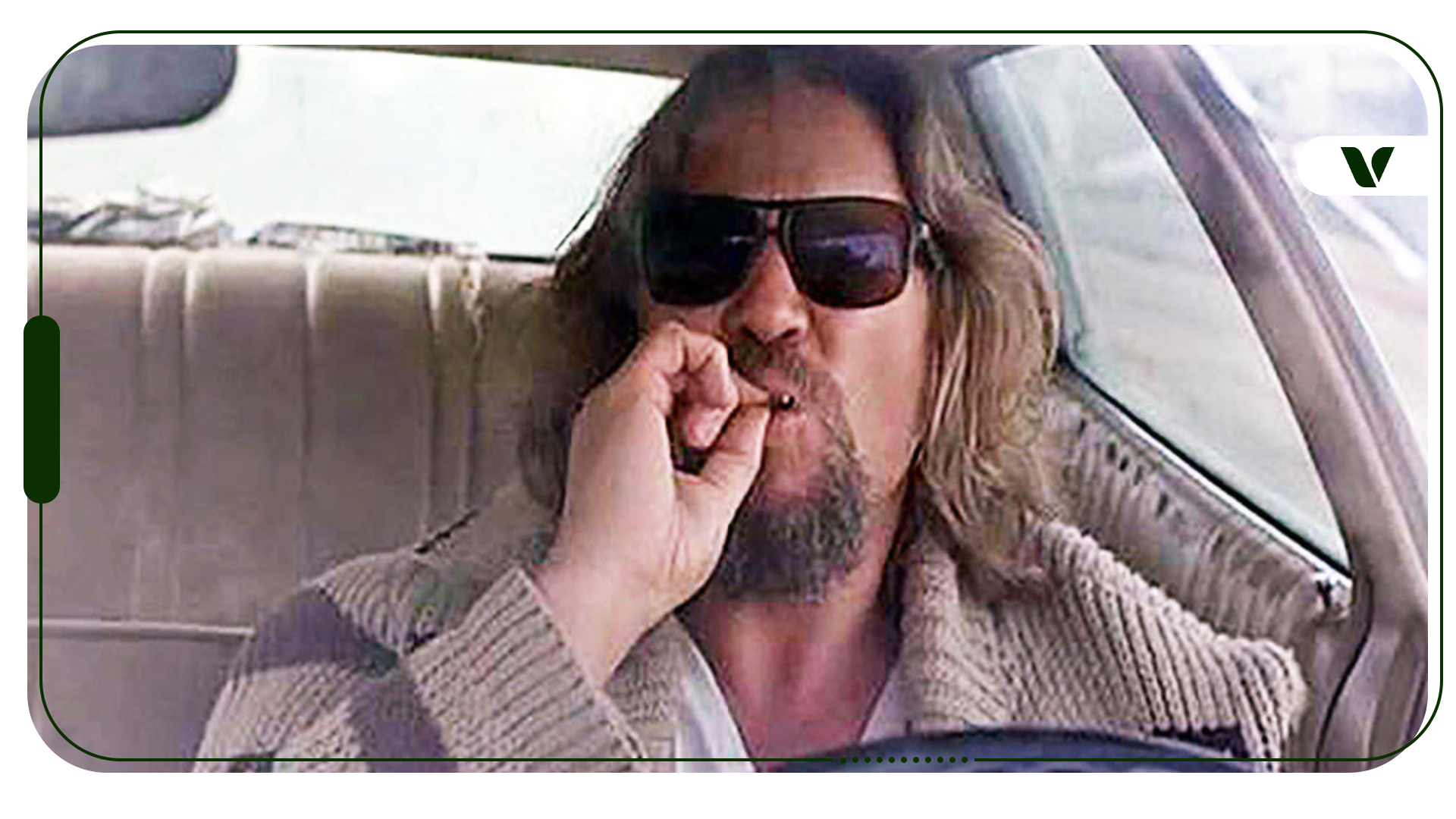
Stoner characters have shaped how we see cannabis in popular culture for decades. These lovable, laid-back figures transformed cannabis use from a taboo subject into mainstream entertainment, creating some of the most memorable movie moments while breaking down stereotypes along the way.
Comedy Legends Who Defined Stoner Cinema
Cheech Marin and Tommy Chong revolutionized stoner comedy with *Up in Smoke* in 1978, creating the first major film to center entirely around cannabis culture. Their characters weren’t just comic relief – they represented a counterculture that challenged mainstream attitudes about cannabis users. Cheech and Chong’s chemistry on screen showed that stoners could be clever, resourceful, and ultimately sympathetic, moving beyond the lazy hippy stereotype that dominated earlier portrayals.
Jeff Spicoli from *Fast Times at Ridgemont High* became the archetypal surfer stoner, combining Sean Penn’s brilliant performance with dialogue that still gets quoted today. Spicoli’s famous pizza delivery scene and his confrontations with Mr. Hand established the template for the lovably clueless stoner who somehow stumbles through life with unexpected wisdom. His character proved that stoner comedy could work within mainstream Hollywood productions, not just counterculture films.
These early stoner characters laid the groundwork for everything that followed. They established cannabis users as people you could root for rather than judge, setting the stage for more complex characters who would emerge in later decades. The success of these performances showed studios that audiences were ready to laugh with stoners, not at them.
The Lovable Slacker Archetype in Modern Stoner Films
The Dude from *The Big Lebowski* elevated stoner characterization to philosophical heights, proving that cannabis users could be deep thinkers wrapped in bowling shirts and bathrobes. Jeff Bridges created a character whose laid-back approach to life masked genuine wisdom about what really matters. The Dude’s philosophy of taking it easy resonated with audiences who saw him as an antidote to the stressed-out culture of the 1990s.
Saul Silver and Dale Denton from *Pineapple Express* brought stoner comedy into the action genre, showing how these characters could evolve beyond pure comedy. James Franco’s Saul combined cannabis expertise with genuine loyalty, while Seth Rogen’s Dale proved that even paranoid stoners could rise to the occasion when it mattered. Their adventure demonstrated that modern stoner characters could carry complex narratives while maintaining their essential charm.
Thurgood from *Half-Baked* became the reluctant stoner hero, showing how cannabis consumption methods and smoking techniques could coexist with genuine responsibility and friendship. Dave Chappelle’s character faced real stakes and moral dilemmas, proving that stoner comedies could tackle serious themes without losing their humor. These characters showed that being a cannabis user didn’t mean being directionless or lazy.
Unexpected Stoner Characters and Hidden References
Shaggy from *Scooby-Doo* remains one of pop culture’s most famous implied stoners, even though his cannabis use was never explicitly stated. His constant hunger for “Scooby Snacks,” his laid-back personality, and his tendency to see things others miss all aligned perfectly with stoner behavior patterns. The fact that generations of viewers picked up on these hints shows how deeply stoner archetypes had penetrated mainstream entertainment.
Jane F from “Smiley Face” broke new ground by presenting a female stoner protagonist dealing with the consequences of accidentally eating an entire batch of cannabis cupcakes.. Anna Faris’s performance showed that women could be just as hilariously irresponsible with cannabis as their male counterparts, while also highlighting the real-world challenges of cannabis dosing.
These characters proved that stoner traits could work across different genres and formats. Whether in children’s cartoons or indie comedies, the essential elements of stoner characterization – curiosity, hunger, and a different perspective on reality – translated across audiences. They helped normalize cannabis culture by showing these traits in characters that audiences already loved.
Cultural Impact and Evolution of Stoner Representation
Modern stoner characters have evolved far beyond the one-dimensional burnouts of early films, reflecting changing social attitudes toward cannabis use. Today’s characters often combine cannabis use with professional success, creative pursuits, and genuine personal growth. This evolution mirrors real-world changes as cannabis legalization has made users more visible and diverse.
Snoop Dogg’s various film appearances bridged the gap between music and cinema, showing how celebrity stoners could maintain credibility across multiple entertainment platforms. His roles often played with his real-life persona in ways that felt authentic rather than performative.
These characters have played a crucial role in destigmatizing cannabis use by showing users as complex, relatable people rather than stereotypes. They’ve helped audiences understand that cannabis users come from all walks of life and that responsible use can coexist with productivity and creativity. The evolution from Cheech and Chong to modern characters reflects broader cultural progress in how society views cannabis.
Getting your medical cannabis card has never been easier. Speak with a licensed physician about whether cannabis might help with your specific needs by visiting a medical marijuana doctor.
Note: The content on this page is for informational purposes only and is not intended to be professional medical advice. Do not attempt to self-diagnose or prescribe treatment based on the information provided. Always consult a physician before making any decision on the treatment of a medical condition.
Note: Veriheal does not support illegally consuming therapeutic substances such as cannabis but acknowledges that it transpires because of the current illicit status, which we strive to change by advocating for research, legal access, and responsible consumption. Always consult a physician before attempting alternative therapies.
FAQ
Which movie first featured stoner characters as main protagonists?
*Up in Smoke* in 1978, starring Cheech and Chong, was the first major film to center entirely around cannabis-using main characters. The film broke new ground by making stoners sympathetic protagonists rather than comic side characters.
What makes The Dude from The Big Lebowski such an iconic stoner character?
The Dude combines cannabis use with unexpected philosophical depth and genuine wisdom about life priorities. Jeff Bridges created a character who proved that stoners could be thoughtful, principled people rather than just comic relief.
Are there famous animated characters that represent stoner culture?
Shaggy from *Scooby-Doo* is widely considered an implied stoner character due to his constant hunger, laid-back personality, and unique perspective on reality. While never explicitly stated, these traits aligned perfectly with cannabis user stereotypes that audiences readily recognized.
How have female stoner characters been portrayed in films?
Female stoner characters like Jane F from *Smiley Face* have shown that women can be just as hilariously irresponsible with cannabis as male characters. These portrayals helped break the predominantly male stereotype of stoner comedy while addressing real issues like proper dosing.
What impact have stoner movie characters had on cannabis culture?
Stoner movie characters have helped normalize cannabis use by presenting users as relatable, complex people rather than one-dimensional stereotypes. Their evolution from simple comic relief to fully developed characters mirrors changing social attitudes toward cannabis legalization and acceptance.
Author, Share & Comments