Your medical cannabis journey simplified: find partnered dispensaries, explore pricing options, earn rewards, and get answers to FAQs, all in one spot.
Educational only—this isn’t medical or legal advice. Everyone’s body responds differently; start low and go slow.
What’s the Difference Between Indica, Sativa, and Hybrid Strains?
Historically, indica and sativa described how cannabis plants look and grow:
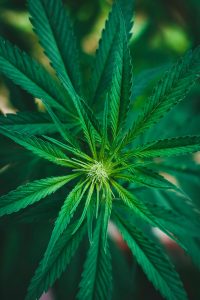
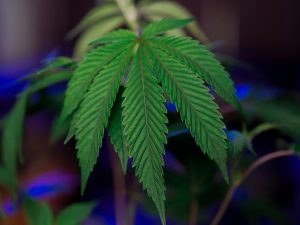
Indica: Shorter, bushier plants with broader leaves; traditionally from cooler, mountainous regions.
Sativa: Taller plants with narrower leaves; traditionally from warmer, equatorial regions.
In modern dispensaries, those labels are used as shorthand for effects, but today’s products are overwhelmingly hybrids. The chemistry—tetrahydrocannabinol/cannabidiol (THC/CBD) ratio plus terpenes (aromatic compounds like myrcene, limonene, linalool, pinene, and caryophyllene)—does more to shape your experience than the label alone.
Quick “Indica vs. Sativa vs. Hybrid” Chart (Generalizations, not rules)
Category
Typical plant look
THC/CBD tendency*
Common terpenes (examples)
Reported vibes**
When people use it
Indica
Short/bushy, broad leaves
Often THC-forward; CBD can vary
Myrcene, linalool, caryophyllene
Body-heavy, calm, “wind-down”
Evenings, comfort, before bed
Sativa
Tall, narrow leaves
Often THC-forward; CBD can vary
Limonene, pinene, terpinolene
Uplifted, heady, “get-things-done”
Daytime, creative tasks
Hybrid
Mixed traits
Anything from CBD-forward to high-THC
Blend depends on cultivar
Balanced or targeted effects
Flexible—depends on goal
*Ratios vary widely; check the product’s lab results (COA). **Effects are anecdotal and dose-dependent—your experience may differ.
What Are the Common Effects of Indica Strains?
Many people associate indica with a body-relaxing, settling vibe. Products rich in myrcene (often described as musky/earthy) and linalool (floral) are frequently chosen for evening wind-downs. Some report heavier sensations and a strong “couch-lock” at higher THC doses.
Keep in mind:
Dose matters—too much THC can feel foggy or uncomfortable.
Terpenes steer the tone; a myrcene-heavy product can feel more sedating than a limonene-heavy one at the same THC level.
What Are the Common Effects of Sativa Strains?
Sativa-leaning products are often described as brighter, buzzy, or more energizing—the kind of vibe people reach for when they want to be social, brainstorm, or power through a to-do list. Chemically, that “lift” is usually linked less to the sativa label and more to the terpene mix (think limonene with a citrusy snap, pinene with a pine-fresh clarity, and sometimes terpinolene for a zippy, sparkling feel) alongside the product’s THC/CBD ratio.
How sativa products can feel (general patterns)
Mood & motivation: Many users report a brighter outlook, talkativeness, and task motivation—useful for daytime or creative work.
Head vs. body: The sensation is typically head-forward (clear, alert) rather than heavy or body-melting.
Focus & flow: Some people find sativa chemovars pair well with planning, light exercise, chores, or collaborative sessions.
Possible downsides: At higher THC doses, sativas can feel “racy”—faster thoughts, a fluttery chest, or edginess—especially if you’re THC-sensitive or pairing with caffeine.
Match the chemistry to your goal. Look for labels listing limonene/pinene if you want a crisp lift; if you’re stimulation-sensitive, consider products that include linalool or caryophyllene to round off the edges.
Mind the THC number. Very high-THC sativas can feel intense. If you’re newer or anxiety-prone, choose lower THC or a balanced THC:CBD option (e.g., 1:1) for a steadier profile.
Start low, go slow (formats matter).
Inhalation: Start with 1–2 small puffs, wait 10–15 min, then reassess.
Edibles/tinctures: Begin around 1–2.5 mg THC, wait 60–120 min before deciding on more. Onset and duration differ: inhalation is fast/shorter, edibles are slower/longer.
Set & setting count. Try your first session in a calm, familiar place, stay hydrated, and avoid stacking with strong coffee or energy drinks until you know your response.
Use the COA (lab report). If available, check the top terpenes and cannabinoid profile. Two “sativas” with different terpene stacks can feel completely different.
Track what works. Jot down product name, THC/CBD %, top terpenes, dose, and how you felt. After 3–4 sessions, you’ll spot your sweet-spot pattern.
Bottom line: Sativas are commonly chosen for daytime, creative, and social situations—but your experience comes down to dose + THC/CBD + terpenes + context. Keep it small, observe, and adjust until it reliably fits your routine.
What Is a Hybrid Cannabis Strain?
A hybrid combines indica and sativa lineages to target a specific profile. You’ll often see “indica-dominant,” “sativa-dominant,” or “balanced” on menus. The best way to understand a hybrid is to look at:
THC/CBD ratio (e.g., 1:1 balanced vs. high-THC)
Terpene mix (which nudges the experience calming ↔ uplifting)
Your desired outcome (focus, social ease, relaxation, sleep prep)
Because most modern cultivars are hybrids, think chemovar (chemistry-driven choice) rather than the plant’s family tree.
How to Choose the Right Strain for Your Needs
You’ll get better results by matching chemistry to goals, not just relying on the label.
Define your goal. Are you aiming for daytime focus, social ease, or an evening wind-down?
Check THC/CBD. If you’re new or sensitive, consider lower THC (e.g., 5–10 mg per session) or CBD-forward/balanced formulas.
Scan the terpenes.
Calming/night: Myrcene, linalool, sometimes caryophyllene
Daytime/uplift: Limonene, pinene, terpinolene
Pick your format wisely.
Inhalation: Faster onset (minutes), shorter duration—easier to “dose-find.”
Edibles/tinctures: Slower onset (30–120 min), longer duration—start low and wait.
Track your outcomes. Note product name, THC/CBD, terpene top-3, dose, time, and how you felt. Patterns appear quickly.
Mindset & setting. Hydration, food, and your environment affect your experience.
Go slow. Add small amounts over time; more isn’t always better.
Frequently Asked Questions
Indica vs Sativa vs Hybrid
Indica, sativa, and hybrid are category labels, but your experience is driven more by THC/CBD ratios and terpenes than by the label alone.
Difference between indica and sativa
Indica and sativa differ historically in plant shape and origin; in stores, they’re used as shorthand for calming vs. uplifting, though modern products are mostly hybrids and can blur those lines.
Sativa vs Indica for anxiety
People who are THC-sensitive sometimes report increased tension with very high-THC sativas, while CBD-forward or balanced options and calming terpenes (e.g., linalool, myrcene, caryophyllene) are often chosen for a gentler feel; your response may differ.
Sativa vs Indica for sleep
Many choose indica-leaning or myrcene/linalool-rich products in the evening because they feel more settling; dose, timing, and your own biology make a big difference.
Hybrid cannabis strains
Hybrid strains combine indica and sativa genetics to target specific effects; read the lab results to understand THC/CBD and terpenes before you decide.
Best strain for anxiety
There isn’t a single “best” strain; people often start with lower THC, CBD-forward or balanced options, and calming terpenes, then adjust dose and timing based on personal response.
Sativa vs Indica effects
Sativas are often described as more uplifting/active, and indicas as more relaxing/sedating—but the actual effects depend on dose, THC/CBD, and terpene profile more than the label.
Kenneth Bancale is an avid traveler, always seeking to immerse himself in new cultures and experiences that embody the essence of life and freedom. His passion for writing extends beyond mere expression; it serves as a vehicle for education and truth. Kenneth finds solace in the simple pleasures of coffee and the joy of singing. An innovator at heart, he constantly seeks new ways to push boundaries and challenge the status quo. When he’s not on the road or at his desk, you can find Kenneth exploring the great outdoors, indulging his love for hiking and connecting with nature.
I’m a stage 2 Pancreatic cancer survivor. Doctors declared that im now cancer free and i’m so glad to hear that. Since then marijuana has been a great help to me so i decided to grow my own marijuana for my personal use only. But growing marijuana requires more knowledge and need to understand its life cycle. I have encountered many different problems in growing myself but that doesn’t help me stop from growing my own herbal medicine
In the school of life, tetrahydrocannabinol (THC), the most popular intoxicating cannabis compound, is like the popular kid everyone knows by name. The center of attention, always getting talked about, and highly sought after. Cannabidiol (CBD), on the other hand, gets a little less love. It’s more like the quiet honor student: low-key, non-intoxicating, rarely…
In the confusing landscape of state-by-state medical marijuana legalization and federal prohibition lies a patient’s pursuit of a better quality of life, balanced with an unrestricted financial livelihood. In workplaces across many different medical marijuana legal states, no law guarantees that a valid, card-carrying MMJ patient status exempts an employee from termination or discrimination stemming…
An alarming trend has recently come to light: more non-smokers are getting lung cancer than ever before. Given that lung cancer is the most common worldwide and the leading cause of cancer death, you may be worried about the implications of your cannabis habits. How much does cannabis contribute to lung cancer risk? According to…
It feels like every other day, a fresh slang term pops up in the cannabis lexicon, and today, we’re looking at an entry that’s all over TikTok and Reddit – Yart! Spoiler alert: it has everything to do with the humble vape cart (and how challenging it is to talk about cannabis on social media). …
The final stage of life often brings profound challenges for both patients and their families. For patients in hospice and palliative care, common symptoms not only affect the physical body but also their mental well-being. While traditional medications may dull pain, they often come with heavy sedation, confusion, and loss of clarity. Fortunately, medical cannabis…
The statements made regarding cannabis products on this website have not been evaluated by the Food and Drug Administration (FDA). Cannabis is not an FDA-approved substance and is still illegal under federal law. The information provided on this website is intended for educational purposes only and is not intended to diagnose, treat, cure, or prevent any disease. It is not intended as medical advice and should not be considered as a substitute for advice from a healthcare professional. We strongly recommend that you consult with a physician or other qualified healthcare provider before using any cannabis products. The use of any information provided on this website is solely at your own risk.