Your medical cannabis journey simplified: find partnered dispensaries, explore pricing options, earn rewards, and get answers to FAQs, all in one spot.
Corruption in the cannabis industry? Say it isn’t so. A cannabis industry scandal hit the news earlier this summer, centering on a Massachusetts sheriff and multi-state cannabis brand Ascend Wellness. The story gained nationwide attention when FBI agents arrested Suffolk County Sheriff Steven Tompkins over extortion allegations. The story generated a lot of interest and theories, so we’re here to look at the facts. Here’s what we know about the truth behind the Massachusetts extortion case.
Massachusetts Cannabis Extortion Details
FBI agents brought Sheriff Steven Tompkins into custody in August of 2025. They were following up on allegations that he used his position to threaten a cannabis executive into returning a $50,000 investment Tompkins made into initial shares of the company.
Public records indicate that the company Tompkins invested in was Ascend Wellness, a multi-state cannabis operator with a presence in Illinois, Michigan, Ohio, Massachusetts, New Jersey, Pennsylvania, and Maryland.
According to documents from Ascend Wellness, the company intended to hire ex-offenders from the county’s correctional facility who had completed job training and re-entry programs and otherwise fit Ascend’s employment criteria.
Prosecutors allege that between 2020 and 2023, Tompkins tried to extort an Ascend Wellness executive into selling him $50,000 shares before the company went public. They claim he wanted to “make some cannabis money.”
The indictment claims that the executive initially tried to deny the requests but eventually gave in after increased pressure from Tompkins. When Ascend went public in 2021, Tompkins saw his shares rise to $138,403, according to the indictment.
Then, after Tompkins’ successful 2022 re-election campaign, he allegedly demanded a refund of his initial $50,000 investment. At this point, the stock had fallen, and he allegedly wanted to receive his money back.
According to prosecutors, the company executive relented, issuing five checks to Tompkins between May 2022 to July 2023. The checks had been disguised as loan repayments and expenses.
Is Sheriff Steven Tompkins Guilty of Extortion?
The verdict is still out.
According to the United States Attorney’s Office District of Massachusetts documents, Tompkins was arrested in Florida and indicted on two counts of Extortion Under Color of Official Right. The charges could mean Tompkins faces up to 20 years in prison, three years of supervised release, and a fine of $250,000.
See If You Qualify For Medical Marijuana -Select Your State!
Select Your State
Alabama
Alaska
Arizona
Arkansas
California
Colorado
Connecticut
Delaware
Florida
Georgia
Hawaii
Idaho
Illinois
Indiana
Iowa
Kansas
Kentucky
Louisiana
Maine
Maryland
Massachusetts
Michigan
Minnesota
Mississippi
Missouri
Montana
Nebraska
Nevada
New Hampshire
New Jersey
New Mexico
New York
North Carolina
North Dakota
Ohio
Oklahoma
Oregon
Pennsylvania
Rhode Island
South Carolina
South Dakota
Tennessee
Texas
Utah
Vermont
Virginia
Washington
West Virginia
Wisconsin
Wyoming
Never miss a post
Get updates on cannabis culture, new research, and expert insights
In an August 21, 2025, hearing that lasted just nine minutes, Tompkins pleaded not guilty to all charges. The case’s judge indicated that she didn’t believe Tompkins is a flight risk, as he must notify his probation officer of his travels outside of New England states and already surrendered his passport. While Tompkins waits for his next court case, he is not allowed to carry a firearm or contact certain people.
High-profile Boston attorney Martin Weinberg–who served as part of the Karen Read murder case legal defense team and represented Jeffrey Epstein–is representing Tompkins in this case.
Outside of the most recent court proceedings, Weinberg told reporters that the charges were a mistake and that evidence will show Tompkins was “charged with a crime he did not commit.”
About three weeks after his not-guilty plea, Tompkins announced he is taking a medical leave. Massachusetts Governor Maura Healey and state Attorney General Andrea Campbell said that he “agreed to step away from his position until the federal case against him is resolved,” in a joint statement. In the meantime, Special Sheriff Mark Lawhorne is taking over Tompkins’ role.
Who is Sheriff Steven Tompkins?
Source: Wikipedia
The Suffolk County Sheriff’s Department says that Steven W. Tompkins has been with the department since 2002. In January 2013, Massachusetts Governor Deval Patrick appointed Tompkins as the Sheriff of Suffolk County. He was elected to the office in 2014 and re-elected both in 2016 and 2022.
His role involves overseeing an administrative staff of nearly 1,000, along with all of the operations at the Suffolk County House of Correction, Suffolk County Jail, and the Civil Process Division.
He previously served as the department’s chief of external affairs and is also a two-time past president of the Massachusetts Sheriff’s Association. Prior to his law enforcement roles, Tompkins was the director of marketing and public affairs for the Dimock Community Health Center. Before that, he worked at AT&T Cable. He holds a bachelor’s degree in communications from Boston College and a master’s in public Affairs from the University of Massachusetts.
The recent extortion scandal is not his first controversy, though. In 2015, Tompkins had to pay a $2,500 fine after he admitted to wrongfully using his badge to coerce eight store owners into removing signs for his political opponents.
In 2021, Tompkins paid a $12,300 civil penalty for violating conflict of interest laws. Tompkins had created a paid position in the Sheriff’s Department so he could hire his niece. Additionally, he repeatedly had his subordinates carry out personal errands for him. He signed a Disposition of Agreement admitting to the violations.
We don’t know the full truth behind the Massachusetts extortion case just yet. Whether Tompkins is found guilty will be decided at a future date. We know his next court hearing is October 16th, 2025, so we should have more answers soon.
If he’s found guilty, it certainly won’t be the first case of corruption in the legal cannabis industry. Nor would it be the first in Massachusetts. In 2022, we saw a former Massachusetts mayor sentenced to six years in federal prison for extorting cannabis companies and swindling investors.
Macey is a freelance writer from Seattle. She's covered the cannabis industry extensively, emphasizing the economic opportunities for Indigenous entrepreneurs. Her writing focuses on the people, stories, and labors of love behind every venture.
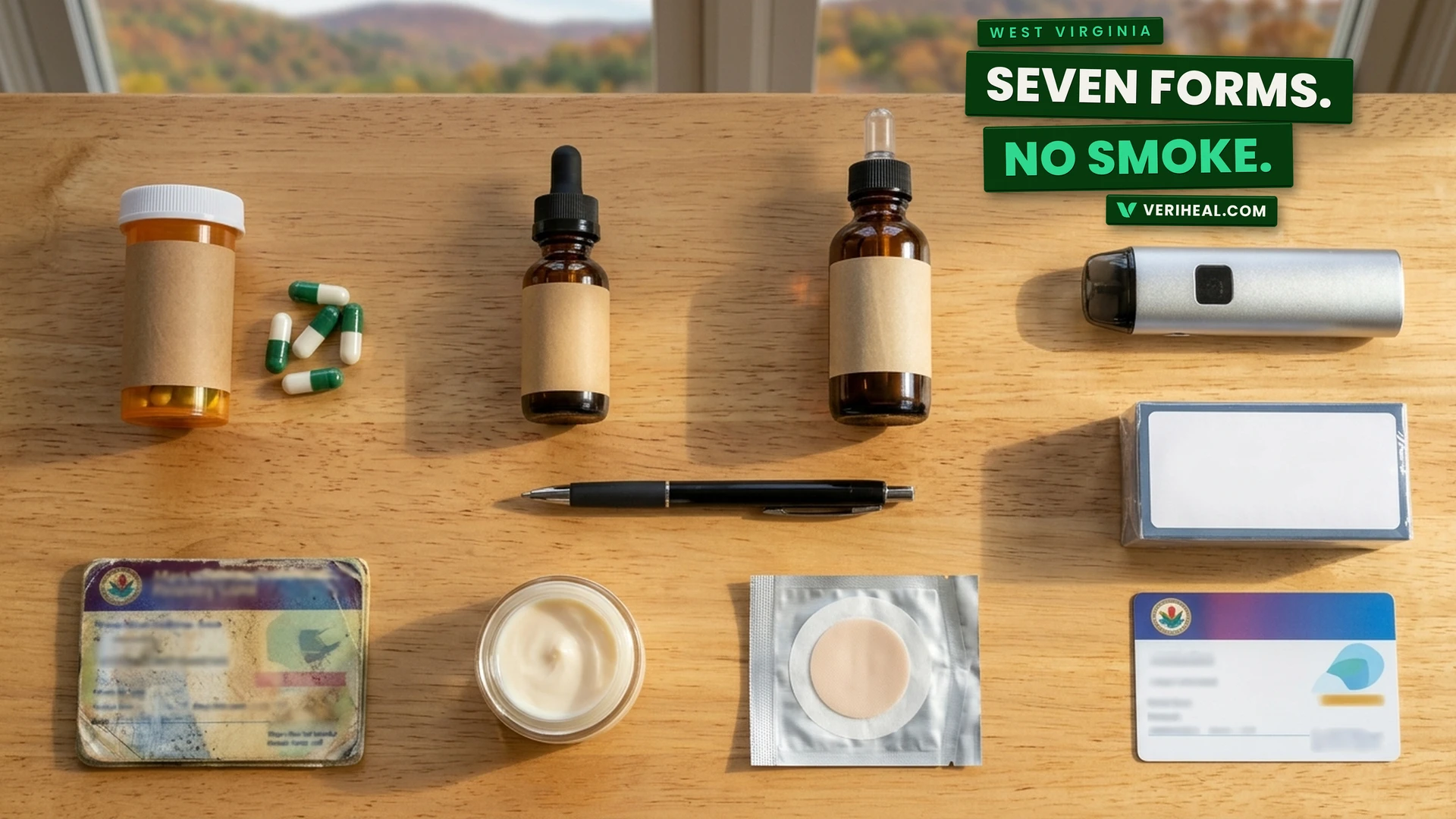
West Virginia allows medical cannabis in approved forms, including pills, oils, tinctures, topicals, patches, and products intended for vaporization, while prohibiting smoking and dispensary-sold edibles. This guide explains the differences between permitted products, dry leaf restrictions, purchase and possession limits, patient registration requirements, certification costs, and important legal considerations for medical cannabis patients.
Post-traumatic stress disorder (PTSD) is a qualifying condition for medical cannabis in Minnesota, with a separate enrollment pathway available to eligible veterans. This guide explains practitioner certification, free state enrollment, veteran exemptions, telehealth evaluations, tax savings, medical versus recreational cannabis benefits, and important considerations involving existing PTSD treatments, insurance coverage, and patient rights.
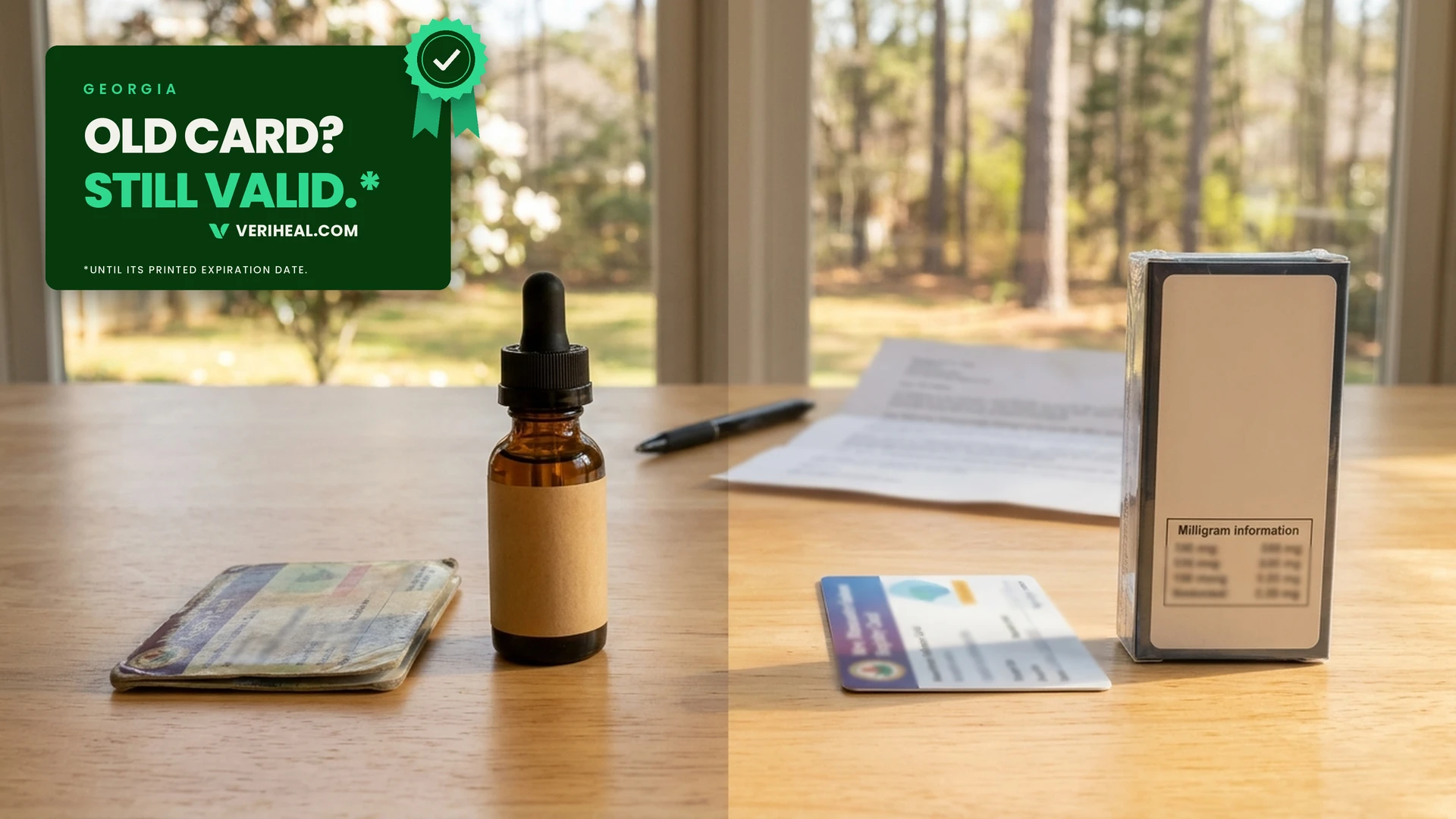
Georgia’s SB 220 replaced the Low THC Oil program with the Medical Cannabis Patient Registry, removing the 5% THC cap and expanding patient access. This guide compares the old and new rules, including possession limits, qualifying conditions, permitted products, physician certification, registration costs, and what existing cardholders need to know about the transition.
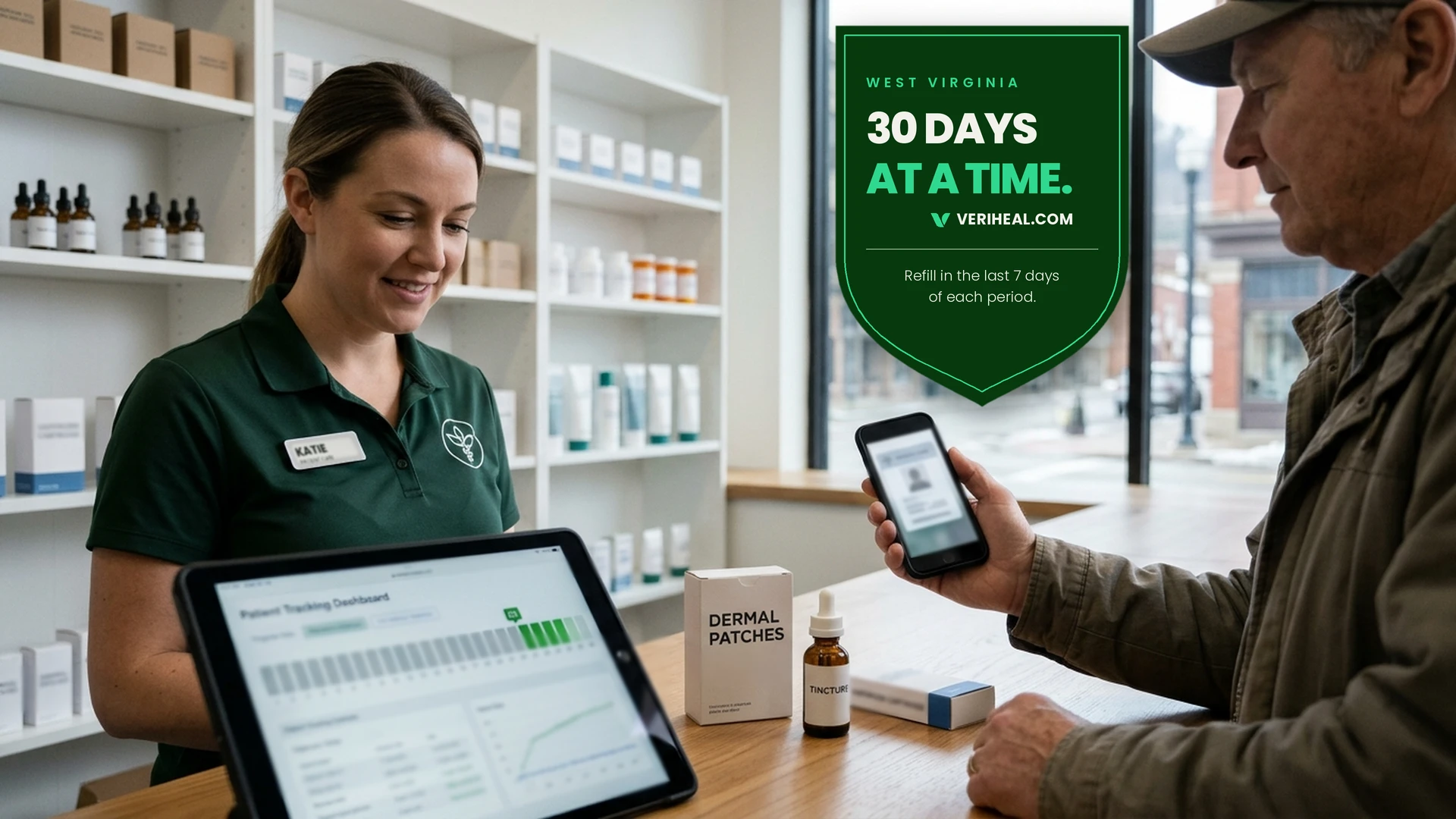
West Virginia medical marijuana dispensaries serve registered patients and caregivers, offering state-approved cannabis products through licensed locations. This guide explains how to find dispensaries, obtain a medical cannabis card, prepare for your first visit, understand application costs and financial hardship waivers, and navigate qualifying conditions, purchase limits, and patient privacy considerations.
Getting a medical cannabis card in Minneapolis involves certification from a Minnesota-licensed practitioner and enrollment through the state’s Office of Cannabis Management. This guide explains qualifying conditions, telehealth evaluations, application deadlines, free state enrollment, dispensary locations, caregiver requirements, and the tax savings and legal benefits available to registered patients.
The statements made regarding cannabis products on this website have not been evaluated by the Food and Drug Administration (FDA). Cannabis is not an FDA-approved substance and is still illegal under federal law. The information provided on this website is intended for educational purposes only and is not intended to diagnose, treat, cure, or prevent any disease. It is not intended as medical advice and should not be considered as a substitute for advice from a healthcare professional. We strongly recommend that you consult with a physician or other qualified healthcare provider before using any cannabis products. The use of any information provided on this website is solely at your own risk.