Your medical cannabis journey simplified: find partnered dispensaries, explore pricing options, earn rewards, and get answers to FAQs, all in one spot.
September 1, 2023 10:00 am ETEstimated Read Time: 2 Minutes
Soon to be your newest sativa fave, the Wakanda strain is dense, energizing, and super fragrant. With a floral aroma and citrusy flavor profile, Wakanda is mood-boosting bud you don’t want to miss out on.
Wakanda is an energizing sativa bred from a cross of Nigerian Silver and Purple Punch. The light green buds are covered in trichomes with a few orange-amber hairs and a frosty demeanor.
The compact structure adds to the density of the flower, and as the buds are broken up, the aromas become pretty pronounced. The smells that emanate are floral and rose-like, with notes of ginger, lime, and hops. Grinding the flower made my nose tickle with terpenes, and I could smell bits of lavender and tart pomelo. Limonene, myrcene, and linalool are primary terpenes in this aromatic cultivar.
The Wakanda smoke was musky and earthy, but I could taste lighter flowery notes like lavender and geranium. This flavor comes through with something reminiscent of funk and laundry, with an herbal aftertaste suggestive of dill and basil.
This Strain’s Effects
At 30.67% total cannabinoids, the effect was creative and stimulating. It brings on a crisp head high, uplifting my mood almost immediately. Testing at 30% total THC, the overall effect made me noticeably more active, aware, and able to stay on task after a bowl of this strain.
If you come across Wakanda in its flower form, don’t miss this powerfully potent sativa. It was perfect for creative writing, dreaming up new ideas, and giving me a motivating head high that helped me to cross things off my to-do list in record time. I would recommend this strain for making household work feel more inspired and adding a few new dance moves, whether in your kitchen or on the dance floor. I found it to be physically energizing and an overall mood-boosting bud.
Mia Jane is a multifaceted influencer, educator, and advocate known for her ability to connect with people and shift their perspectives on cannabis. Through her network, she educates others on responsible cannabis use, its diverse applications, and its potential to improve daily life. As an advocate, Mia passionately shares her personal experiences with cannabis as medicine, aiming to shine a positive light on its healing properties for those in need. Her mission revolves around helping people integrate cannabis into their lives for well-being and growth while also demystifying misconceptions surrounding the evolving cannabis culture.
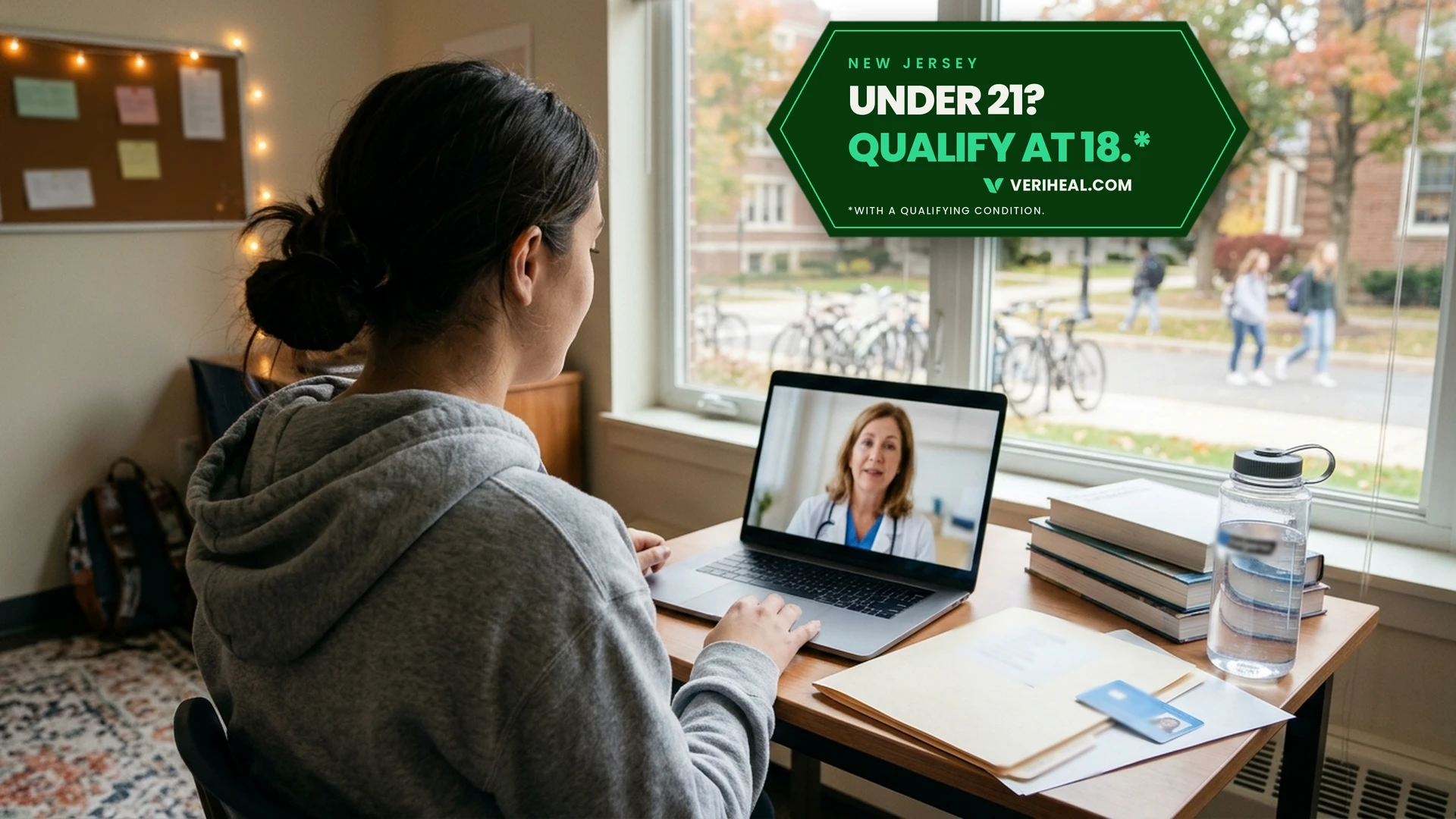
A New Jersey medical marijuana card can still offer benefits despite recreational legalization, including sales tax savings, workplace protections, and access for eligible adults under 21. This guide compares medical and recreational cannabis costs, purchase limits, eligibility requirements, potential savings, registration steps, and the drawbacks patients should consider before applying.
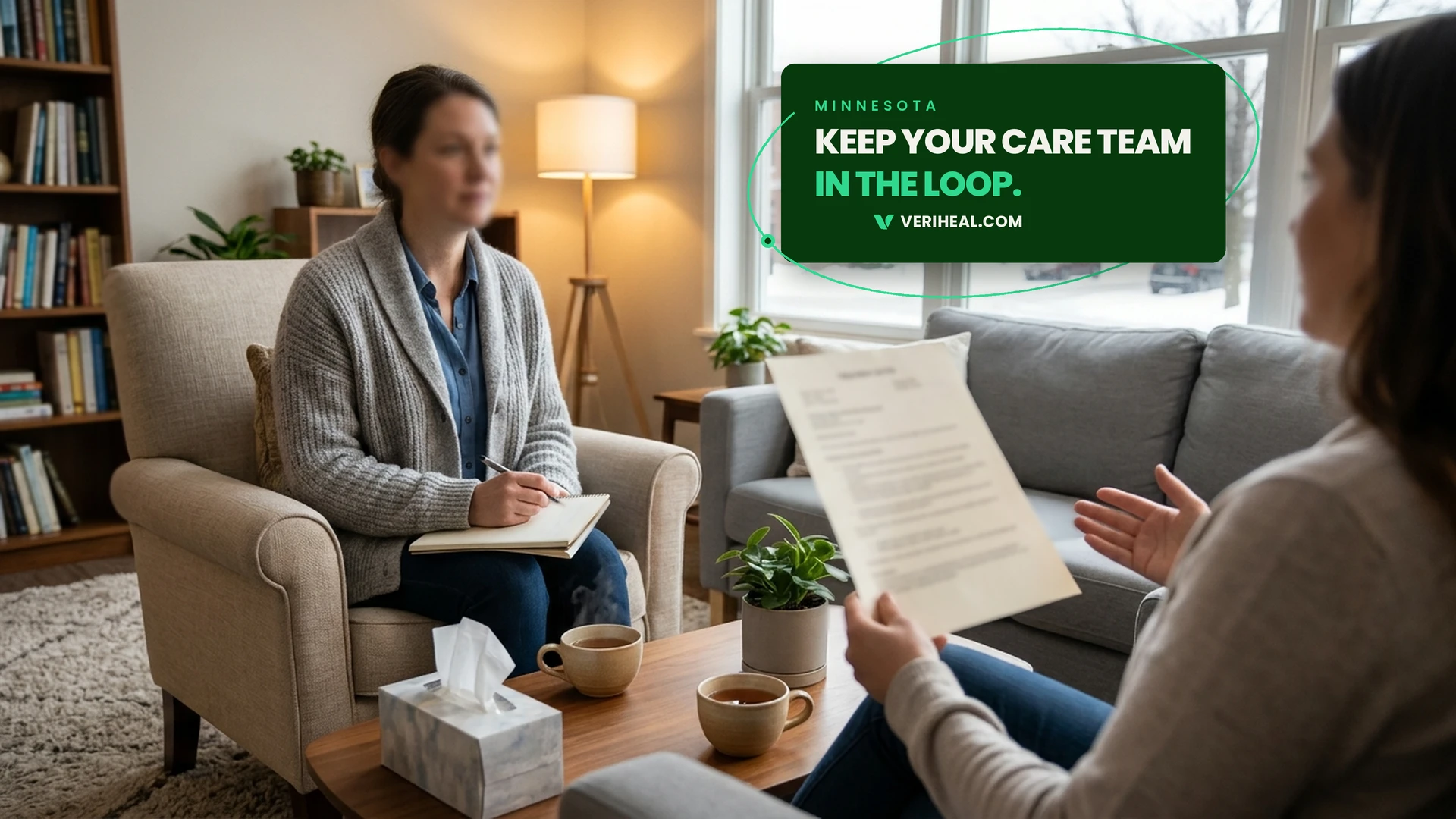
Post-traumatic stress disorder (PTSD) is a qualifying condition for medical cannabis in Minnesota, with a separate enrollment pathway available to eligible veterans. This guide explains practitioner certification, free state enrollment, veteran exemptions, telehealth evaluations, tax savings, medical versus recreational cannabis benefits, and important considerations involving existing PTSD treatments, insurance coverage, and patient rights.
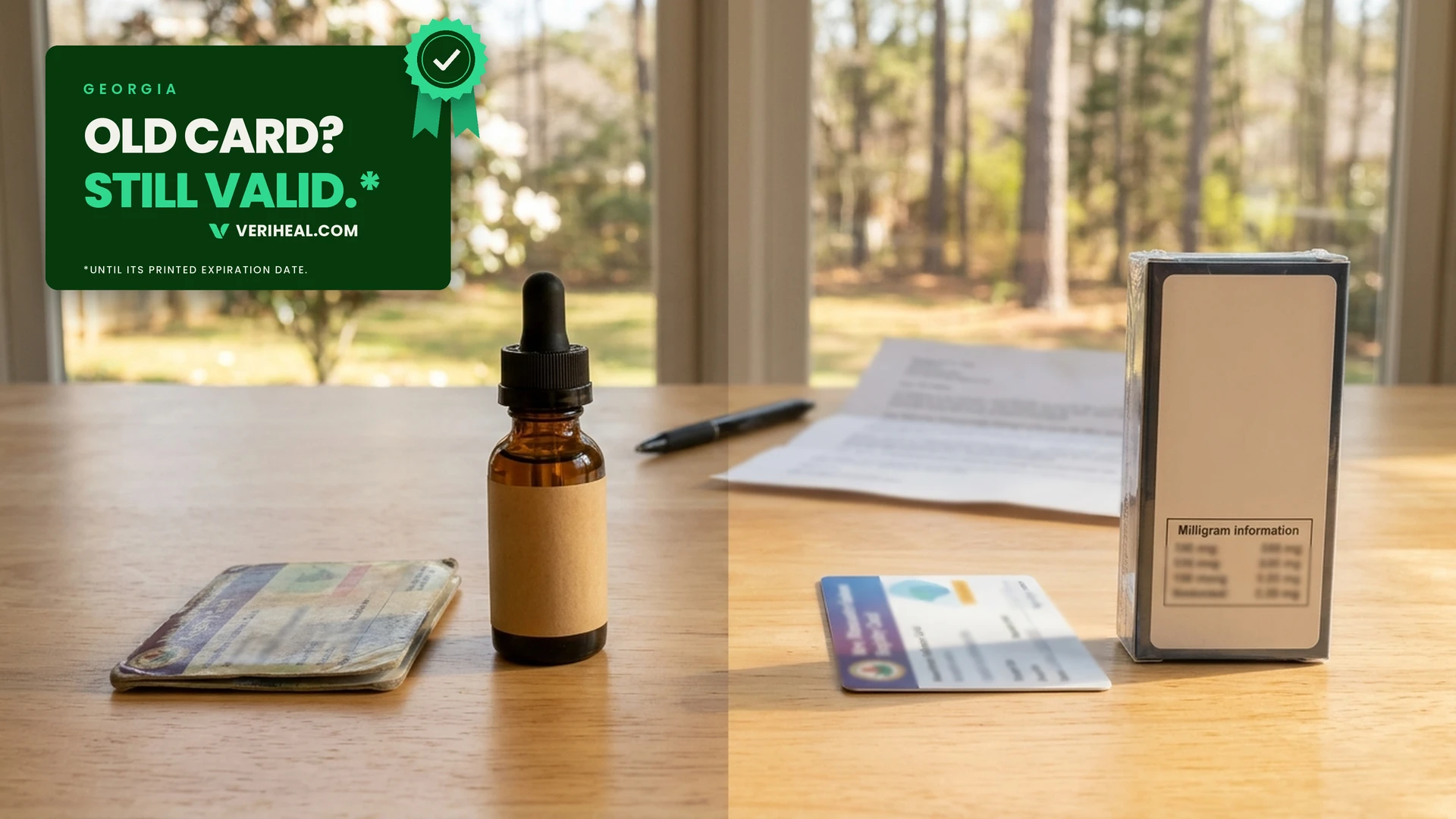
Georgia’s SB 220 replaced the Low THC Oil program with the Medical Cannabis Patient Registry, removing the 5% THC cap and expanding patient access. This guide compares the old and new rules, including possession limits, qualifying conditions, permitted products, physician certification, registration costs, and what existing cardholders need to know about the transition.
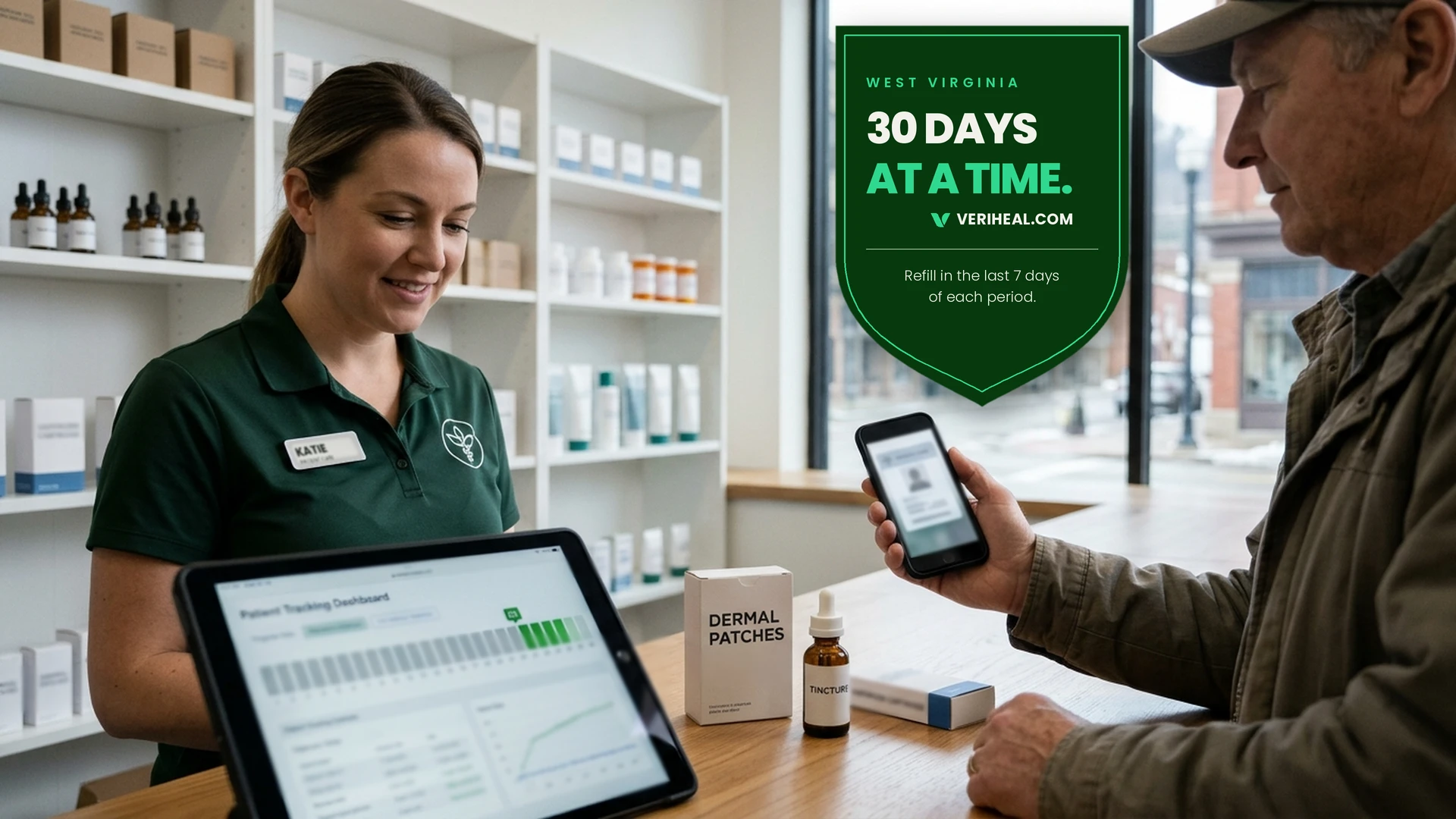
West Virginia medical marijuana dispensaries serve registered patients and caregivers, offering state-approved cannabis products through licensed locations. This guide explains how to find dispensaries, obtain a medical cannabis card, prepare for your first visit, understand application costs and financial hardship waivers, and navigate qualifying conditions, purchase limits, and patient privacy considerations.
Getting a medical cannabis card in New Jersey involves obtaining authorization from a participating healthcare provider and completing registration through the state’s online patient portal. This guide explains qualifying conditions, required documents, evaluation costs, digital and physical card options, processing times, renewal requirements, caregiver eligibility, and the benefits of medical certification.
The statements made regarding cannabis products on this website have not been evaluated by the Food and Drug Administration (FDA). Cannabis is not an FDA-approved substance and is still illegal under federal law. The information provided on this website is intended for educational purposes only and is not intended to diagnose, treat, cure, or prevent any disease. It is not intended as medical advice and should not be considered as a substitute for advice from a healthcare professional. We strongly recommend that you consult with a physician or other qualified healthcare provider before using any cannabis products. The use of any information provided on this website is solely at your own risk.