Your medical cannabis journey simplified: find partnered dispensaries, explore pricing options, earn rewards, and get answers to FAQs, all in one spot.
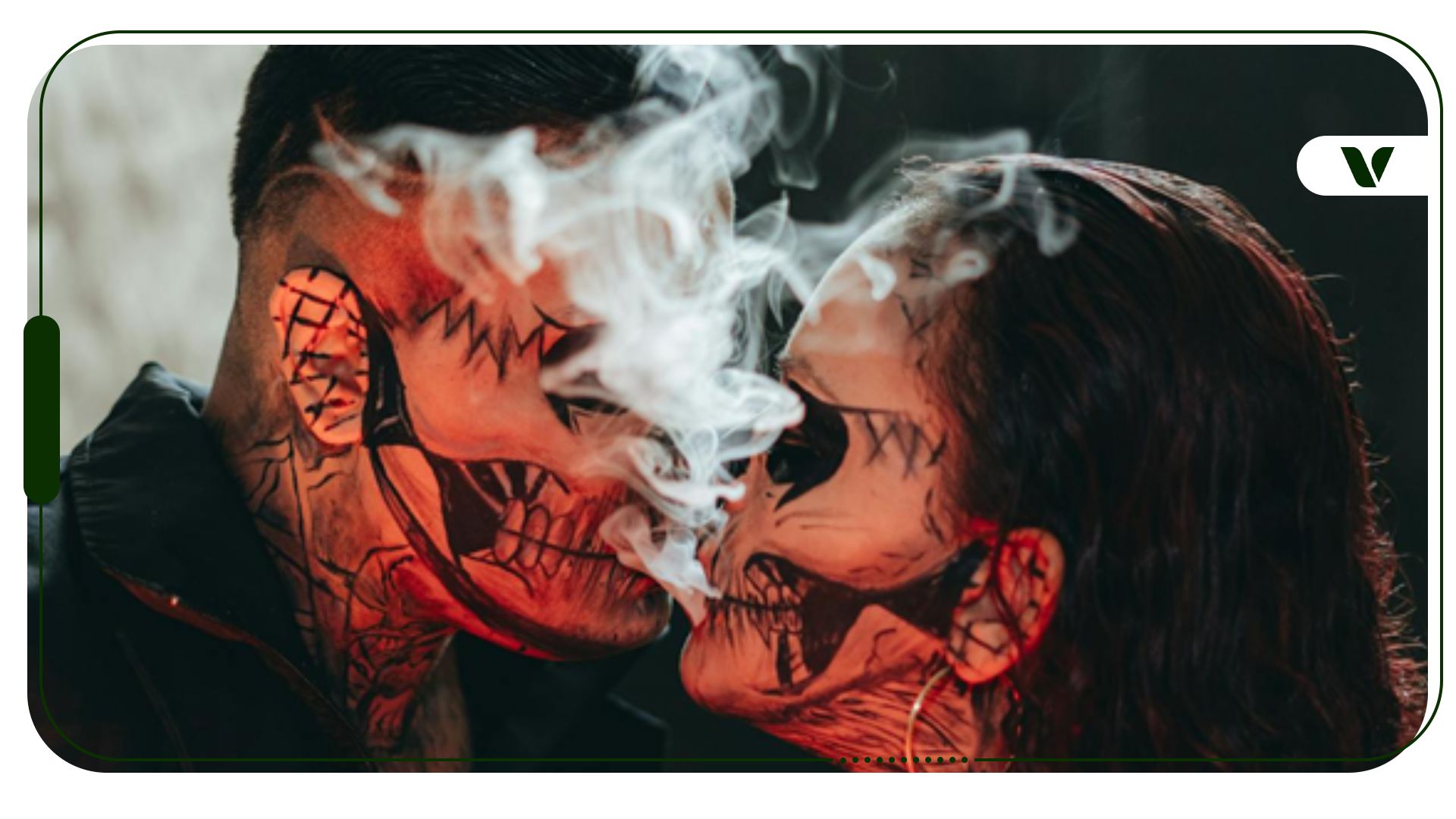
While out on a date, your crush pulls you in. You think it’s for a kiss as their lips purse and eyes flutter shut. But as you lean in and part your lips for contact, they exhale a stream of cannabis smoke right into your mouth. YOU just got shotgunned. Is it your first time? No worries! We are here to explain how shotgunning cannabis works, if it can get you high, and everything else you should know about it.
What’s Shotgunning Cannabis?
Shotgunning is when a person takes a hit (inhales), usually from a blunt, and exhales the smoke into the mouth of another person. In social gatherings, people often shotgun as a fun alternative to the classic puff, puff, pass. Some couples also do it to share a joint and a moment of intimacy.
Besides being fun, shotgunning can help conserve weed, especially in group settings where multiple smokers burn through joints faster. You can shotgun using joints, vapes, and bongs, but not all methods have the same effect. The smoke from bongs and joints typically offers the strongest effects, while shotgunning cannabis vapor has the mildest effect.
Allegedly, the practice started among American soldiers during the Vietnam War. These soldiers would load cannabis into the barrels of their shotguns or rifles and light it. Then, they’d blow through one end to send the smoke out the other end into a waiting mouth.
Can Shotgunning Cannabis Get You High?
According to the participants of a2012 study, the most common reason for shotgunning is to experience a more intense high. So, yes, shotgunning cannabis can get you high, but it’s not guaranteed. Why? Lungs are basically THC sponges. Once cannabis smoke passes through them, it loses much of its THC content – estimated anywhere from 10–35%. So when you inhale that exhaled smoke during shotgunning, you’re getting a weaker, less potent hit.
That’s why getting high from shotgunning typically requires highly potent cannabis or inhaling a lot of smoke. A higher potency means that despite the THC loss in the lungs, enough of the cannabinoid might remain in the exhaled smoke.
You’re also more likely to feel it if your partner controls how much smoke reaches their lungs and exhales directly into your mouth. Research suggests that other smoking topography factors, like number of puffs, duration, spacing, volume, and even the expectation of reward, can get you higher. Shotgunning with this level of skill minimizes waste and gives you a fresher, more THC-rich hit.
Is Shotgunning Dangerous?
Some participants in the same 2012 study said they shotgunned to lessen the harshness of the smoke. 8% also believed that shotgunning could expose them to catching or transmitting a disease.
The truth is, while shotgunning can soften the harshness of cannabis smoke for the recipient, it poses several risks. The biggest of these risks is the potential of receiving respiratory pathogens with the smoke.
The risk significantly increases if both parties’ lips actually touch while shotgunning. During the brief moment of intimacy, you’ll share a breath and probably saliva, both of which can carry infectious diseases.
Common transmissible diseases shotgunning might expose you to include:
Respiratory infections, such as common cold and flu viruses, COVID-19, and tuberculosis, easily spread through droplets in breath or saliva
Oral and throat infections like strep throat and mononucleosis (“mono” or the “kissing disease”)
Herpes Simplex Virus (HSV-1)
Meningitis
Hepatitis B (and less commonly Hep C)
If you enjoy shotgunning, you can reduce the risk of catching diseases by doing it with people you know and trust. Avoid doing so with anyone who seems sick, such as individuals with a fever or chills, cough, visible mouth sores, or track marks. Lastly, stick to non-contact shotgunning methods that don’t require your lips to touch.
Shotgunning vs. Secondhand Smoke
While both involve inhaling smoke that has been in someone else’s lungs, they aren’t quite the same. Shotgunning requires someone to blow cannabis smoke directly into your mouth. Inhaling secondhand smoke, on the other hand, can happen by simply walking into a room of cannabis smokers or walking by one.
While shotgunning is always intentional, inhaling secondhand smoke is often unintentional. However, if hotboxing (locking yourself in an enclosed space filled with exhaled cannabis smoke), you’re intentionally inhaling secondhand smoke. As adults, the main risks of secondhand smoke are inhaling carcinogenic combustion byproducts similar to tobacco and increasing health risks for any nearby pets or children, especially infants.
See If You Qualify For Medical Marijuana -Select Your State!
Select Your State
Alabama
Alaska
Arizona
Arkansas
California
Colorado
Connecticut
Delaware
Florida
Georgia
Hawaii
Idaho
Illinois
Indiana
Iowa
Kansas
Kentucky
Louisiana
Maine
Maryland
Massachusetts
Michigan
Minnesota
Mississippi
Missouri
Montana
Nebraska
Nevada
New Hampshire
New Jersey
New Mexico
New York
North Carolina
North Dakota
Ohio
Oklahoma
Oregon
Pennsylvania
Rhode Island
South Carolina
South Dakota
Tennessee
Texas
Utah
Vermont
Virginia
Washington
West Virginia
Wisconsin
Wyoming
Never miss a post
Get updates on cannabis culture, new research, and expert insights
Another key difference is that shotgunning is more likely to get you high than secondhand smoke. That’s because shotgunning sends fresh, concentrated cannabis smoke directly into your mouth and lungs. This is more potent than secondhand cannabis smoke, which has significantly diluted by the surrounding air.
That said, if you hang around secondhand smoke long enough, especially if it’s from a highly potent cannabis strain, you might catch a contact high.
Does It Work with Vapes?
Oh yes, shotgunning cannabis vapor is possible. However, it’s not as potent as shotgunning smoke, even if the THC percentage is higher. That’s because vapor from a cart isn’t as hot or dense as the smoke from a joint.
The lower temperature and density lead to the vapor dispersing and cooling faster, along with easier lung absorption in the first place, causing cannabinoid loss before it reaches the second person. This means you won’t get as much THC if you shotgun with a vape instead of smoking from a blunt or joint.
Can Shotgunning Cause a Failed Drug Test?
Yes, even if shotgunning doesn’t get you high, you might still fail a THC drug test. Directly or indirectly, inhaling cannabis smoke can cause THC to accumulate in your system. The more recently or more frequently you’ve shotgunned cannabis, the more THC you’ll have built up. But then, even trace quantities of THC in your system can be enough to test positive for cannabinoids, especially if the test is highly sensitive.
It takes two to shotgun cannabis, and both parties must be willing participants. While surprising your date with it might seem like a sexy idea, it could land you in handcuffs. It doesn’t matter if cannabis is legal in your state or if the other party is an adult. If you exhale cannabis smoke into their mouth without their consent, they could call the police and have you arrested for:
Assault or battery
Drug administration without consent
Exposure to a controlled substance
Harassment or intimidation
Why? Because in most states, forcibly exposing someone to cannabis smoke or vapor can count as a form of assault or at least unwanted physical contact. Needless to say, it’s also illegal to do it to kids or animals.
Even if the other party doesn’t call the cops, there are other potential problems. For instance, if a person is allergic to cannabinoids or on medication, they shouldn’t mix with cannabis; shotgunning can endanger their lives. Asking for consent gives them a chance to warn you and avoid trouble.
The same goes for people who are pregnant, breastfeeding, in recovery from addiction, asthmatic, have severe cardiovascular or mental health conditions, or guided by religious beliefs that prohibit drug use. You never really know someone’s situation. So instead of assuming shotgunning is just playful or harmless, seek consent first.
Cannabis Shotgunning FAQs
Here are answers to popular questions about shotgunning cannabis:
Can you get high from someone blowing smoke in your face?
Even with the most potent of strains, you’re unlikely to get high from a single puff of cannabis smoke to your face. However, prolonged or repeated exposure to cannabis smoke might cause impairing effects.
Is it safe to shotgun weed?
Shotgunning weed is safest when both parties avoid physical contact and don’t have any transmissible illnesses. You also shouldn’t be on any medication that might interact with cannabinoids or have a medical condition that cannabis smoke might negatively affect or exacerbate.
How long should you hold the smoke during a shotgun?
The person exhaling the smoke should hold it for less than two seconds to minimize cannabinoid loss in their lungs. The recipient doesn’t need to hold it for more than two seconds, either, as that’s often enough time to absorb the cannabinoids and exchange gases. Any longer might irritate either party’s lungs without increasing the effect.
Tobi Moyela is an avid cannabis enthusiast who enjoys creating helpful, educational content that helps others better understand cannabis, especially its potential uses and benefits. When he's not researching or writing for brands, you can find him watching anime, cooking, or reading his latest fiction finds.
Oklahoma’s advertised $25 medical marijuana card renewal covers the physician evaluation, but patients must also pay a separate OMMA license fee. This guide explains the full renewal cost, reduced-fee eligibility, required documents, online renewal steps, processing times, and the new physician recommendation requirement.
An Oklahoma medical marijuana card provides legal protection under state law, but it can still affect employment, commercial driving, firearms, privacy, and federally regulated situations. This guide explains the main consequences to consider before applying, including workplace drug testing, CDL rules, insurance, housing, and registry privacy.
Getting a medical marijuana card in Oklahoma can be completed online, with no specific qualifying condition required for adult applicants. This guide covers eligibility, telehealth evaluations, required documents, OMMA application steps, fees, processing times, and what patients can do once approved.
A same-day telehealth appointment in Oklahoma can get you a physician recommendation quickly, but OMMA still needs to process your medical marijuana license application. This guide explains the timeline, required documents, costs, and when you can legally visit a dispensary while waiting for the physical card.
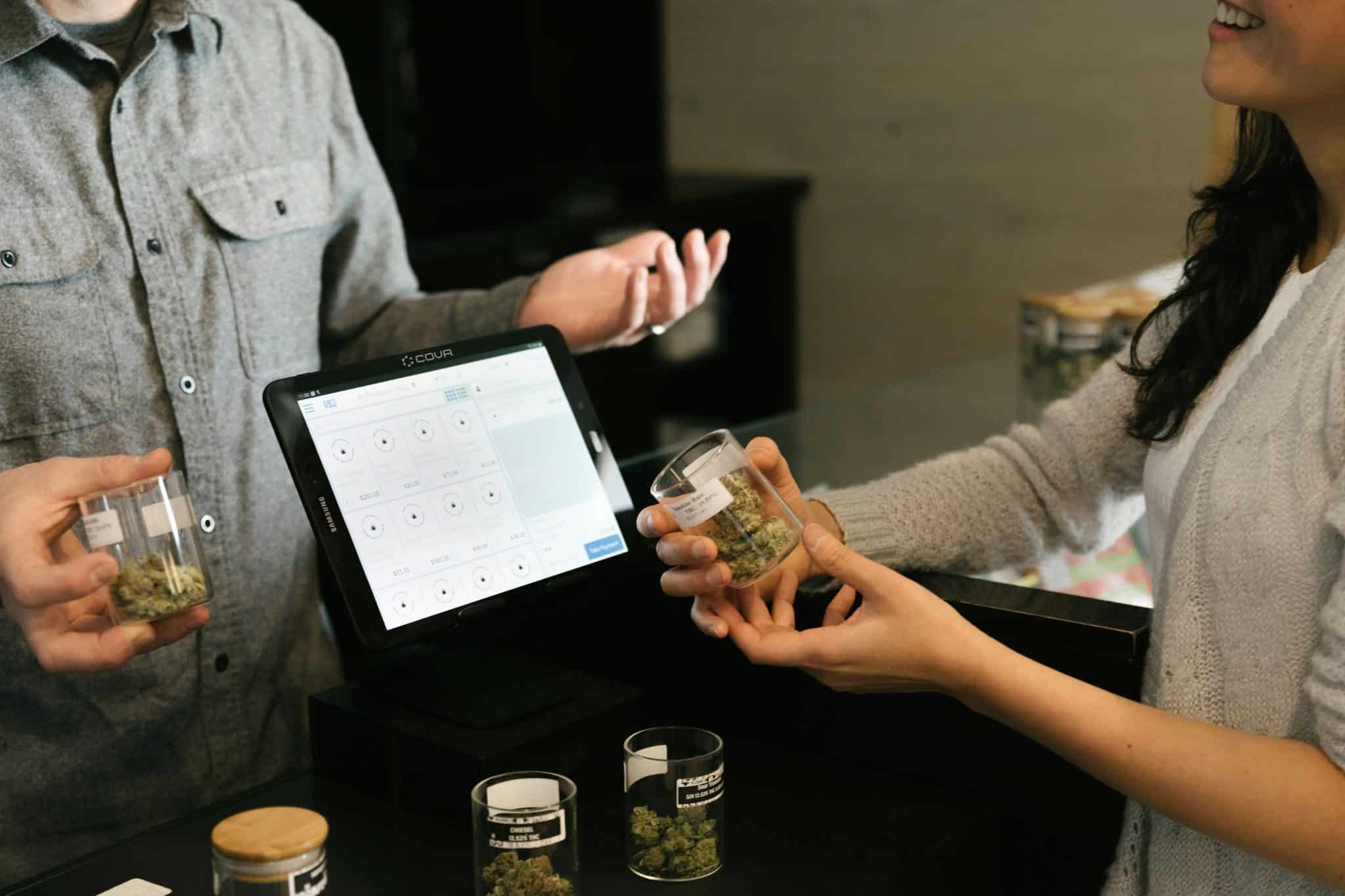
Oklahoma’s medical-only dispensary market gives licensed patients access to a wide range of cannabis products, but every purchase must follow OMMA rules. This guide explains how to find licensed dispensaries, what identification to bring, purchase and possession limits, product testing, pricing, and what to expect during a visit.
The statements made regarding cannabis products on this website have not been evaluated by the Food and Drug Administration (FDA). Cannabis is not an FDA-approved substance and is still illegal under federal law. The information provided on this website is intended for educational purposes only and is not intended to diagnose, treat, cure, or prevent any disease. It is not intended as medical advice and should not be considered as a substitute for advice from a healthcare professional. We strongly recommend that you consult with a physician or other qualified healthcare provider before using any cannabis products. The use of any information provided on this website is solely at your own risk.