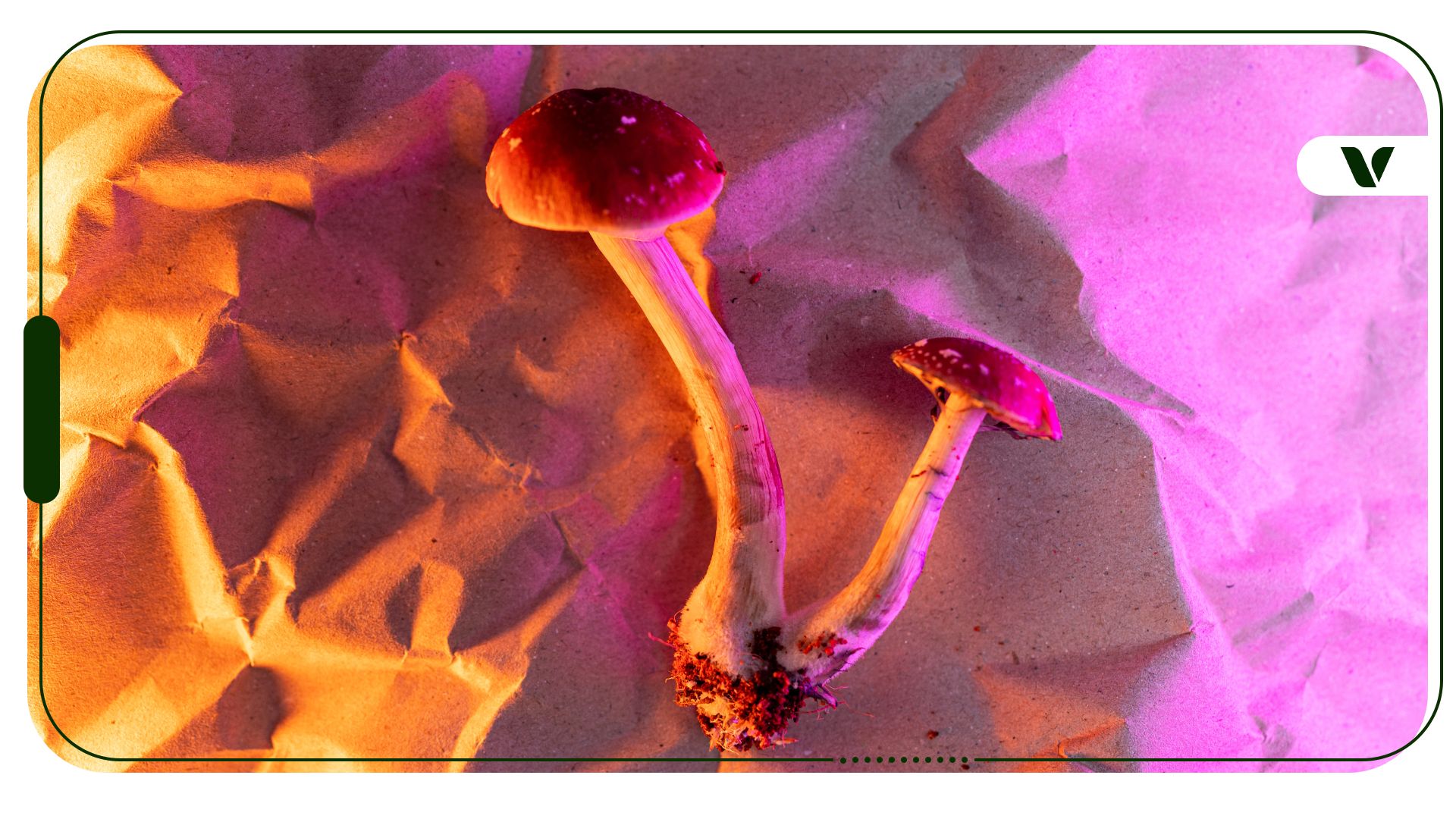
Smoking shrooms destroys psilocybin and produces no psychedelic effects, while introducing serious health risks including respiratory irritation and potential toxicity. Many people attempt this method hoping for a faster onset or easier consumption, but heat breaks down the active compounds before they can reach your system.
The search for alternative ways to consume psilocybin often leads to dangerous experimentation. Instead of risking your health with ineffective methods, legal cannabis alternatives can provide similar relaxation, mood enhancement, and creative benefits through regulated products and professional guidance.
This article explains exactly what happens when you try to smoke mushrooms, why the chemistry doesn’t work, and how medical cannabis offers safer, legal options for the wellness benefits you’re seeking.
What Are Shrooms and What Actually Happens When You Try to Smoke Them?
Psilocybin mushrooms contain psilocybin and psilocin, psychoactive compounds that produce altered perception, emotional insights, and consciousness changes when consumed properly. These compounds exist naturally in over 200 mushroom species, with psilocybe cubensis being the most commonly encountered variety.
The confusion about smoking stems from cannabis culture, where combustion effectively delivers active compounds. Many people assume the same principle applies to mushrooms, but psilocybin and THC behave completely differently under heat.
When you attempt to smoke dried mushrooms, several immediate effects occur that have nothing to do with psychoactive properties. The experience typically involves harsh, acrid smoke that irritates your throat and lungs, followed by no psychedelic effects whatsoever.
The Reality of Smoking Psilocybin Mushrooms
People who try smoking psilocybin mushrooms report a burning sensation in their throat, coughing fits, and an unpleasant taste that lingers for hours. The mushroom material burns unevenly, producing thick smoke that’s difficult to inhale deeply.
Within 30-60 minutes, most people realize they feel no psychedelic effects. No visual changes, no altered thinking patterns, no emotional shifts that characterize psilocybin experiences. The only sensations are physical discomfort from inhaling plant matter not intended for combustion.
This disappointing outcome leads many to try larger amounts or different preparation methods, which only increases the health risks without improving the results. The fundamental problem isn’t technique, it’s chemistry.
Why Smoking Shrooms Fails to Produce Psychedelic Effects
Psilocybin breaks down rapidly when exposed to temperatures above 300 degrees F, which occurs instantly during combustion. The chemical structure changes into inactive compounds that cannot cross the blood-brain barrier or interact with serotonin receptors.
Research shows that psilocybin degrades significantly at temperatures above 200 degrees C, well below the 800-1400 degrees F temperatures reached during smoking. Even if some compounds survived the initial flame, they would be destroyed before reaching your lungs in any meaningful concentration.
The bioavailability through inhalation also presents problems. Psilocybin requires conversion to psilocin in your digestive system, a process that doesn’t occur in your respiratory tract. Your lungs lack the enzymes needed to activate these compounds even if they survived combustion intact.
Traditional consumption methods work because they preserve the molecular structure while allowing proper digestion and absorption. Eating mushrooms allows stomach acid to begin breaking down chitin cell walls, releasing psilocybin for conversion to the active form your brain recognizes.
Can You Put Shrooms in a Blunt or Joint?
Physically mixing dried mushrooms with cannabis in a blunt or joint is possible, but it wastes both substances while creating additional health risks. The psilocybin still degrades from heat, while the mushroom plant matter produces harsh smoke that overwhelms the cannabis experience.
People attempt this combination hoping the cannabis will mask the harsh taste or somehow preserve the psilocybin, but combustion temperature remains the same regardless of what else burns alongside it. The mushroom material actually makes the cannabis harder to smoke by creating uneven burning and increased respiratory irritation.
The combination also creates unpredictable effects if any psilocybin somehow survived, as mixing psychedelics with cannabis can produce anxiety, confusion, or uncomfortable body sensations for inexperienced users. Since the psilocybin won’t be active anyway, you’re essentially smoking plant matter that adds nothing beneficial.
Specific risks of this method include:
- Respiratory damage from inhaling cellulose and chitin that mushrooms contain
- Uneven burning that wastes your cannabis and creates hot spots
- Harsh smoke that causes coughing fits and throat irritation
- False expectations that lead to consuming more dangerous amounts
- Contamination risks if the mushrooms weren’t properly dried or stored
What Are the Health Risks of Inhaling or Heating Psilocybin?
Smoking mushrooms exposes your respiratory system to compounds never intended for inhalation, creating both immediate and potential long-term health concerns. The combustion process releases not just degraded psilocybin, but also toxic byproducts from burning organic matter.
Mushroom cell walls contain chitin, the same compound found in insect exoskeletons and crab shells. When burned, chitin produces irritating particles that can damage lung tissue and trigger inflammatory responses. Your respiratory system has no mechanism to process these foreign particles effectively.
The immediate risks include severe throat and lung irritation, persistent coughing, and potential bronchospasm in sensitive individuals. The smoke is significantly harsher than cannabis or tobacco, leading many people to experience prolonged coughing fits that can last hours.
Long-term concerns focus on repeated exposure to these irritants. While single instances likely cause no permanent damage, regular attempts to smoke mushrooms could contribute to chronic respiratory inflammation. Research on combustion byproducts from organic matter suggests that burning plant materials not evolved for smoking produces more toxic compounds than traditional smoking herbs.
Contaminated mushrooms present additional risks. If the mushrooms contain mold, bacteria, or pesticides, combustion can concentrate these toxins in the smoke. Unlike regulated cannabis products that undergo testing, illicit mushrooms have no quality controls to ensure they’re safe for any type of consumption.
How to Properly Consume Psilocybin Mushrooms (Where Legal)
In jurisdictions where psilocybin is decriminalized or legal, several established methods preserve the active compounds while ensuring safer consumption. These traditional approaches have been refined over decades to maximize effectiveness while minimizing health risks.
Preparation methods that preserve psilocybin include:
- Tea preparation: Steeping dried mushrooms in hot (not boiling) water for 10-15 minutes extracts psilocybin while filtering out difficult-to-digest plant matter
- Direct consumption: Eating dried mushrooms plain or mixed with food masks the taste while allowing complete absorption
- Powder mixing: Grinding mushrooms into powder and mixing with juice, smoothies, or chocolate improves taste and digestion
- Lemon tek: Soaking ground mushrooms in lemon juice for 20 minutes may increase bioavailability through pre-conversion of psilocybin
Dosage considerations vary significantly by body weight, tolerance, and desired effects. Microdoses (0.1-0.3 grams) produce subtle mood and creativity changes without perceptual alterations. Low doses (0.5-1.5 grams) create mild visual changes and enhanced introspection. Moderate doses (1.5-3 grams) produce classic psychedelic effects with significant perceptual changes.
Higher doses require experienced supervision and appropriate set and setting. Never exceed 3.5 grams without guidance from someone experienced with psilocybin. Start with lower amounts to assess individual sensitivity, as responses vary dramatically between people.
Safety measures apply regardless of legal status. Have a trusted person present during your first experiences. Choose comfortable, familiar environments free from obligations or stressful situations. Avoid combining with alcohol, which can increase nausea and unpredictable effects.
Cannabis vs. Shrooms: Why Legal Cannabis Is the Safer Alternative
Cannabis offers many of the relaxation, creativity, and mood benefits people seek from psilocybin, but through a legal, regulated system with predictable dosing and professional oversight. The compounds work on different brain systems, but the practical outcomes often overlap significantly.
Both substances can enhance creativity, reduce anxiety, and provide new perspectives on personal challenges. Cannabis achieves these effects through the endocannabinoid system, while psilocybin affects serotonin receptors, but users frequently report similar therapeutic value from both approaches.
Cannabis advantages over psilocybin include:
| Factor |
Cannabis |
Psilocybin |
| Legal access |
Medical programs in 38 states |
Legal in Oregon only, decriminalized in some cities |
| Dosing precision |
Measured THC/CBD content |
Potency varies dramatically by mushroom |
| Duration control |
2-4 hours typical |
6-8 hours unavoidable |
| Professional oversight |
Doctor consultations required |
No medical supervision in most areas |
| Product testing |
Heavy metals, pesticides, potency verified |
No quality controls in illicit market |
For creative enhancement, sativa-dominant strains like Green Crack or Durban Poison provide mental stimulation and focus without the overwhelming intensity of psilocybin. These different ways to smoke cannabis let you control onset and intensity precisely.
For anxiety relief and introspection, indica strains high in CBD like Granddaddy Purple or Northern Lights offer relaxation without loss of mental clarity. Many patients find these best cannabis strains for sleep also improve sleep quality naturally.
For mood enhancement without sedation, balanced hybrids like Blue Dream or Wedding Cake provide uplifting effects similar to low-dose psilocybin experiences. The key difference is controllability, as you can adjust your cannabis dose throughout the session, while psilocybin commits you to the full duration.
High-CBD strains offer therapeutic benefits with minimal psychoactive effects, making them suitable for daily use in ways psilocybin cannot match. Products with 2:1 or 1:1 CBD:THC ratios provide anxiety relief and mood stabilization without impairment.
Medical Cannabis Card Benefits for Alternative Wellness Approaches
Medical cannabis cards provide legal access to tested products, professional dosing guidance, and strain selection specifically matched to your wellness goals. This regulated approach eliminates the risks and uncertainty associated with illicit substances while delivering comparable therapeutic benefits.
Key benefits of medical cannabis certification include:
- Legal protection in your state regardless of federal scheduling
- Professional consultation with doctors experienced in cannabis therapeutics
- Laboratory-tested products verified for potency, pesticides, and contaminants
- Precise dosing information allowing gradual titration to optimal effects
- Strain-specific recommendations based on your particular symptoms or goals
- Dispensary access to products unavailable through recreational markets
Qualifying conditions vary by state but commonly include anxiety, PTSD, depression, chronic pain, insomnia, appetite disorders, and general wellness applications. Many states have expanded their programs to include broader mental health and quality-of-life conditions that previously required illicit alternatives.
The consultation process involves discussing your current wellness routine, identifying specific goals, and receiving personalized recommendations from licensed medical professionals. This guidance proves especially valuable for people new to cannabis or those seeking alternatives to pharmaceutical medications.
Getting your medical marijuana card online through Veriheal streamlines the process with telemedicine appointments and state-specific guidance. The investment in legal access pays for itself through product discounts, tax benefits, and peace of mind that comes with regulated consumption.
Are There Safer Alternatives to Using Shrooms for Wellness or Relaxation?
Beyond cannabis, several legal approaches provide similar wellness benefits to what people seek from psilocybin, including meditation practices, breathwork, and other natural therapies that can produce altered states of consciousness safely.
Meditation techniques like transcendental meditation or mindfulness practices can produce profound shifts in perspective and emotional insight. Regular practice creates lasting changes in brain structure and function that mirror some therapeutic benefits attributed to psychedelics.
Breathwork methods including holotropic breathing or Wim Hof techniques can induce natural altered states through controlled hyperventilation and breath holding. These practices access non-ordinary consciousness without external substances, though they require proper instruction for safety.
Cannabis remains the most accessible legal option for most people seeking alternatives to psilocybin. The endocannabinoid system influences mood, creativity, and perception in ways that overlap significantly with psychedelic experiences, but with greater control and legal protection.
Some people find that combining cannabis and psilocybin enhances both substances when used in legal jurisdictions, though this requires careful attention to dosing and interaction effects. Understanding how long cannabis high lasts helps you plan sessions that complement rather than overwhelm your system.
Professional therapy combined with legal cannabis often produces therapeutic outcomes similar to underground psilocybin therapy, but with medical oversight and integration support. Many therapists now work with cannabis-assisted therapy in legal states.
Note: The content on this page is for informational purposes only and is not intended to be professional medical advice. Do not attempt to self-diagnose or prescribe treatment based on the information provided. Always consult a physician before making any decision on the treatment of a medical condition.
Note: Veriheal does not support illegally consuming therapeutic substances such as cannabis but acknowledges that it transpires because of the current illicit status, which we strive to change by advocating for research, legal access, and responsible consumption. Always consult a physician before attempting alternative therapies.
Ready to explore legal cannabis alternatives for wellness and creativity? Speak with a Veriheal medical cannabis doctor about personalized strain recommendations and dosing guidance tailored to your specific goals.
Frequently Asked Questions
Can psilocybin survive the heat when smoked?
No, psilocybin breaks down at temperatures above 300 degrees F, which occurs instantly during combustion. The molecular structure changes into inactive compounds that cannot produce psychedelic effects, making smoking completely ineffective as a consumption method.
Is smoking shrooms dangerous or toxic to the lungs?
Yes, smoking mushrooms exposes your lungs to chitin particles and combustion byproducts not intended for inhalation. This causes immediate respiratory irritation, harsh coughing, and potential inflammation from foreign particles your respiratory system cannot process effectively.
Do you experience psychedelic effects from smoking mushrooms?
No psychedelic effects occur from smoking psilocybin mushrooms. The heat destroys active compounds before they reach your system, and your lungs lack the enzymes needed to convert psilocybin to its active form even if it survived combustion.
What happens chemically when you burn or heat psilocybin?
Psilocybin’s molecular structure breaks down into inactive metabolites when exposed to high temperatures. The chemical bonds that allow interaction with serotonin receptors are destroyed, leaving only degraded compounds with no psychoactive properties.
Are there any safe or legal ways to use shrooms in the United States?
Psilocybin is legal only in Oregon for therapeutic use and decriminalized in some cities. Elsewhere, tea preparation, direct consumption, or powder mixing preserve active compounds where legal, but these methods remain federally prohibited in most jurisdictions.
Can I talk to a medical marijuana doctor about alternative plant-based treatments?
Yes, medical cannabis doctors can discuss legal alternatives that provide similar wellness benefits to psilocybin. Cannabis offers mood enhancement, creativity boost, and anxiety relief through regulated products with professional oversight and precise dosing guidance.
Are there cannabis strains that offer similar relaxation or mood benefits to mushrooms?
Yes, sativa strains like Green Crack enhance creativity, while indica strains like Northern Lights provide deep relaxation. High-CBD strains offer anxiety relief with minimal psychoactive effects, and balanced hybrids like Blue Dream provide mood enhancement similar to low-dose psilocybin experiences.
Can I get a medical marijuana card online through Veriheal for legal therapeutic use?
Yes, Veriheal provides telemedicine consultations for medical cannabis cards in participating states. The process involves discussing your wellness goals with licensed doctors who provide personalized strain recommendations and dosing guidance for legal cannabis access.
What are the safest methods to explore cannabis for mental health or creativity?
Start with low doses of tested products from licensed dispensaries, choose appropriate strains for your goals, and consume in comfortable environments. Professional consultation ensures proper strain selection, while gradual dosing allows you to find optimal effects without overwhelming experiences.
Are shrooms and medical marijuana ever used together for wellness purposes?
In legal jurisdictions, some people combine these substances, but this requires careful attention to dosing and interaction effects. Most people find cannabis alone provides sufficient therapeutic benefits without the legal risks and unpredictable potency of psilocybin mushrooms.
Author, Share & Comments