1-855-452-6224 (Customer Support Available 24/7)


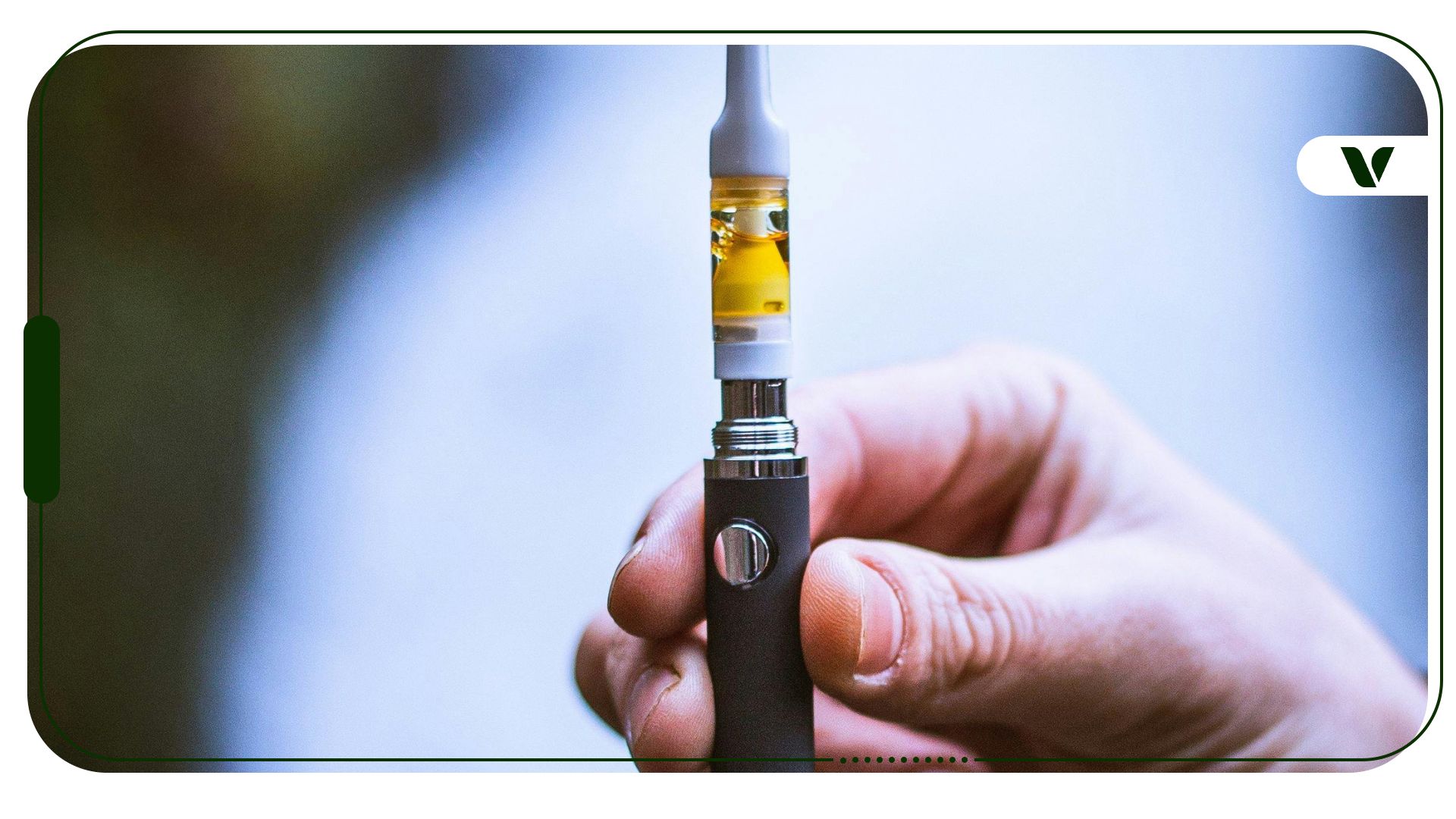
In 1963, a two-pack-a-day smoker from Beaver Falls, Pennsylvania, filed a patent for the “Smokeless,” the world’s first e-cigarette. A battery-powered device warms the liquid cartridge, creating a vapor for the smoker to inhale.
According to Smithsonian Magazine, Herbert A. Gilbert, the inventor of the Smokeless, claimed that the device would prevent health conditions caused by tobacco inhalation and promote weight loss. He even concocted ten vapor flavors for his e-cig, including mint, rum, and cinnamon.
Unfortunately for Gilbert, he never found a company that was willing to produce his device. But fortunately for us, his original patent inspired hundreds of other inventors, eventually leading to the creation of the dab pen.
However, in attempting to solve one public health dilemma, the battery-operated technology has since inadvertently created a host of other environmental and social justice issues we explore here.
So, where does that leave us? Is it okay to use these convenient and discrete devices regularly, or should we be looking for an alternative way to get that high? Here’s everything you should consider when deciding whether to use a dab pen.

A chemical element, lithium, is the lightest metal on the periodic table. It reacts so readily that we never find it in its pure form in nature. Instead, it exists as a part of several compounds in various minerals and brines (aka saltwater deposits). Because of this, lithium has to be mined.
Mining can take one of two forms: open-pit mines or natural underground water reserves. Miners use open-pit mining less frequently because it requires significantly more labor. This method typically takes place in Australia, where natural lithium deposits are abundant. In contrast, miners commonly extract lithium through water mining, or brine extraction, in South America by flooding salt deserts to create lithium-rich brines and evaporation ponds.
Both methods of mining have negative effects on their respective environments. Open-pit mining creates potential for erosion and toxic soil and water with high levels of metals, which are dangerous for humans and animals. Brine extraction mining rapidly removes water from the ecosystem and uses toxic chemicals like hydrogen chloride to extract lithium. These chemicals can leach out and rapidly contaminate air, water, and soil quality.
Mining for lithium – and refining it into batteries – also produces huge amounts of carbon dioxide. Some studies suggest that mining one ton of lithium emits 15 tons of greenhouse gases.
Last but not least, the human toll of mining in these areas disproportionately affects local marginalized communities who lack legal protection. This creates a scenario ripe for exploitation, including child labor and many serious social justice concerns. Mining especially affects the indigenous populations who lived there first, and now must compete for ultra-scarce, clean water that is instead used up by lithium mining.
It’s not just the mining of lithium that has negative environmental and social justice impacts, either. Manufacturing lithium batteries requires incredibly high temperatures of 800-1,000 degrees Celsius. Reaching these temperatures cost-effectively requires burning fossil fuels, including coal, which, of course, drastically increases the carbon footprint of lithium batteries.
Then, there’s the electronic waste problem. Lithium cathodes degrade over time, and manufacturers cannot recycle them into new batteries if consumers cannot properly dismantle and recycle device batteries, so they eventually get discarded. Since most consumers don’t dispose of lithium batteries properly, they often toss them into commercial landfills instead of having them professionally dismantled. This is largely due to the intentional design and manufacturing processes of companies that make dismantling electronics impossible for average consumers to recycle later. Once in these landfills, the batteries can cause fires or begin to leak, which leads to another host of downstream problems.
The United Nations predicts there will be 82 million tons of electronic waste by 2030. Lithium batteries and components lying within outdated electronics will make up a large portion of that waste. Of course, plenty of other electronic devices also use lithium batteries, but there’s no denying that dab pens will contribute significantly to the rising levels of planet-destroying trash.
READ: Dab Pen Maintenance 101: Cleaning and Care Tips for Prolonged Device Lifespan
That being said, lithium batteries aren’t all bad. In fact, there are several environmental benefits that come from their use.
For starters, lithium batteries can store energy from renewable sources like wind, solar, hydro, and biofuels. Obviously, when it comes to protecting the environment and fighting climate change, using energy from these sources is preferable to using energy that comes from fossil fuels.
Even discarded lithium batteries that are no longer suitable for high-performance applications like EVs can still be used for storing charge from renewable sources. Stricter manufacturing, recycling, climate change, and labor protection policies can help curb emissions and may alleviate social justice issues if enacted and enforced. Cleaner and alternative sources of lithium, such as lithium from geothermal waters or using plentiful cobalt instead, are currently being explored to reduce waste.
Fossil fuels are the single largest contributor to global climate change, according to the UN, accounting for 75% of greenhouse gas emissions and 90% of all carbon dioxide emissions. Anything that can help us lower those numbers can only be seen as a positive.
Additionally, lithium batteries have a long service life. As we discussed above, they eventually degrade and are extremely difficult to recycle by design. However, if properly cared for, they can work for years before that breakdown begins, and therefore, they don’t require frequent replacement. The longer the lifecycle of an energy storage device, the better.
At the end of the day, there’s no clear-cut answer whether you should be using lithium battery-powered dab pens.
Yes, lithium battery production contributes to carbon and greenhouse gas emissions, but so does the production of your favorite rolling paper or other cannabis accessories. If cared for properly, lithium-powered dab pens can also last for a long time, leading to an overall reduction of cannabis-related waste that’s entering our landfills.
Cannabis enthusiasts should keep in mind that there simply is no perfect way to engage in any activity. We can only make the choices that best align with our individual values, and trust that others in the community are doing the same thing.
However, we can all advocate for a cleaner and more equitable future through informed voting and purchasing habits. Full legalization of cannabis in the US and abroad can also help boost regulations surrounding lithium and dab pen manufacturing and potentially help decrease these burdens.
But for those who do elect to use dab pens, it’s crucial that they care for and dispose of them responsibly. Lithium batteries should never be thrown out with regular trash or recycling. Instead, they need to be taken to designated recycling centers or hazardous waste collection points to ensure that they’re properly managed.
The only real ethical failure of dab pen use is careless stewardship, using or disposing of them in ways that you know could be harmful to others.
Sign up for our newsletter

Learn the process in your state
All Rights Reserved Veriheal Inc. ©
Terms Privacy Policy Advertising Agreement Content Disclamer
Get your medical marijuana card today
Sign up in under 5 minutes
Start By Selecting Your State
 Alabama
Alaska
Arizona
Arkansas
California
Colorado
Connecticut
Delaware
Florida
Georgia
Hawaii
Idaho
Illinois
Indiana
Iowa
Kansas
Kentucky
Louisiana
Maine
Maryland
Massachusetts
Michigan
Minnesota
Mississippi
Missouri
Montana
Nebraska
Nevada
New Hampshire
New Jersey
New Mexico
New York
North Carolina
North Dakota
Ohio
Oklahoma
Oregon
Pennsylvania
Rhode Island
South Carolina
South Dakota
Tennessee
Texas
Utah
Vermont
Virginia
Washington
West Virginia
Wisconsin
Wyoming
Puerto Rico
Alabama
Alaska
Arizona
Arkansas
California
Colorado
Connecticut
Delaware
Florida
Georgia
Hawaii
Idaho
Illinois
Indiana
Iowa
Kansas
Kentucky
Louisiana
Maine
Maryland
Massachusetts
Michigan
Minnesota
Mississippi
Missouri
Montana
Nebraska
Nevada
New Hampshire
New Jersey
New Mexico
New York
North Carolina
North Dakota
Ohio
Oklahoma
Oregon
Pennsylvania
Rhode Island
South Carolina
South Dakota
Tennessee
Texas
Utah
Vermont
Virginia
Washington
West Virginia
Wisconsin
Wyoming
Puerto Rico