Your medical cannabis journey simplified: find partnered dispensaries, explore pricing options, earn rewards, and get answers to FAQs, all in one spot.
Cannabis has been so intensely and negatively stigmatized for so long that it can be hard for even the most experienced consumer to separate fact from fiction.
When we are unable to have frank, unbiased, science-backed conversations about weed, misinformation abounds, and reality remains hazy. Particularly for those who are new to cannabis, this can be incredibly frustrating and off-putting.
So in the spirit of transparency and accessibility, we’re aiming to cut through the noise by providing a clear and straightforward introduction to cannabis. From what it is, to how it affects your body, and to the safest ways to consume it, we’re tackling some of your biggest questions surrounding the plant.
What Is Cannabis?
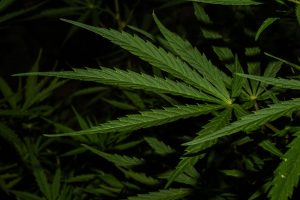
Cannabis itself is a nonintoxicating plant with much historic, therapeutic, industrial, and agricultural significance. As a raw plant, it is rich in cannabinoid acids like THCA and CBDA that won’t get you high. It only becomes a psychoactive drug if it is transformed by heat or smoking, typically using the dried stems, leaves, and flowers of the cannabis plant.
The plant contains over 125 different cannabinoids, or chemical compounds. The most well-known cannabinoid is delta-9 tetrahydrocannabinol, or THC. THC is the intoxicating or psychoactive component of cannabis that gives you the feeling of being high, and is formed by heating (decarboxylating) the THCA in raw cannabis.
However, there are several non-intoxicating cannabinoid compounds, like cannabidiol, or CBD, which is often used for mood, therapeutic, and medical purposes. CBD comes from heating its raw acidic parent, CBDA. Whether you choose decarbed cannabis products or heat your own cannabis depends on whether you prefer the impairing effects of THC or not.
Are Cannabis and Hemp The Same?
No. Cannabis and hemp are not the same thing. They are both varieties of the Cannabis sativa plant, but they have vastly different levels of THC content. In the United States, hemp is classified as having less than 0.3% THC on a dry weight basis, while cannabis has more than 0.3% THC on a dry weight basis. This matters largely for legalization purposes, as hemp is federally legal in the United States while other countries have different definitions.
Hemp also does not contain enough THCA or THC to induce a high when consumed.
What Are the Different Strains of Cannabis?
There are two primary retail strands of THC-predominant cannabis: indica and sativa. Typically, indicas are described as being relaxing and sedating, and are often consumed in the evening to help consumers wind down. Meanwhile, sativas are described as being uplifting and energizing, and are often consumed in the morning or throughout the day.
Hybrid strains, which are a mix of indica and sativa, are also common. These strains comprise the majority of products currently on the market.
However, it is important to note that there is some debate among botanists as to whether strains contain different levels of cannabinoids, terpenes, and flavonoids, which cause the different types of highs. Today’s experts think the differences between the two varieties are simply varying physical expressions of its main cannabinoids and terpenes, and the perceived differences in types of high are more attributable to the relative dominance of these components. This could mean that retail products are likely mislabeled, and indica and sativa strains may result in the same type of high for you.
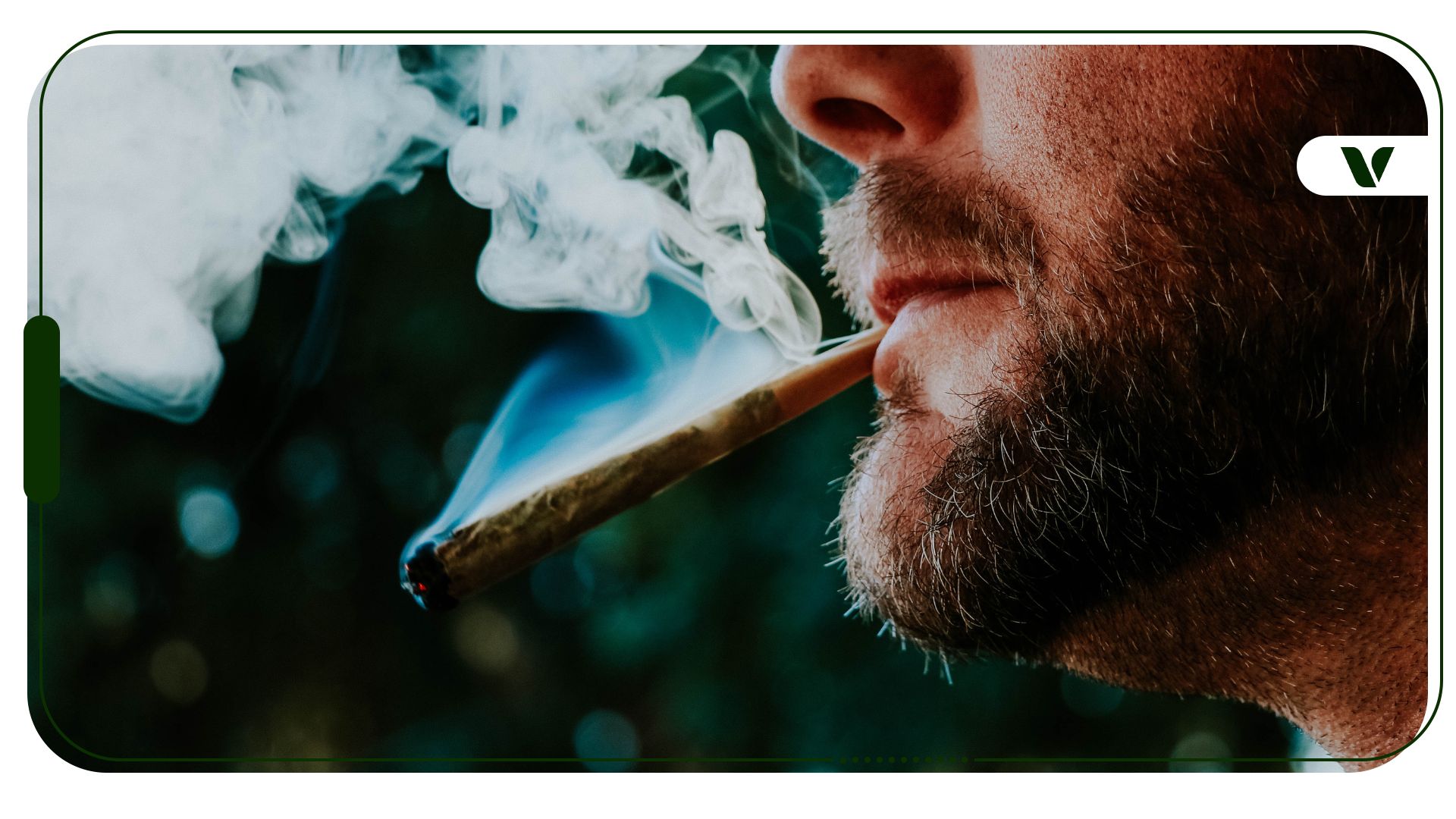
There are a variety of ways to consume cannabis. Smoking has long been the most common, but doctors are now warning that inhaling marijuana smoke, whether from a joint, a bong, a dab pen, or anything else, can be damaging to the lungs.
See If You Qualify For Medical Marijuana -Select Your State!
Select Your State
Alabama
Alaska
Arizona
Arkansas
California
Colorado
Connecticut
Delaware
Florida
Georgia
Hawaii
Idaho
Illinois
Indiana
Iowa
Kansas
Kentucky
Louisiana
Maine
Maryland
Massachusetts
Michigan
Minnesota
Mississippi
Missouri
Montana
Nebraska
Nevada
New Hampshire
New Jersey
New Mexico
New York
North Carolina
North Dakota
Ohio
Oklahoma
Oregon
Pennsylvania
Rhode Island
South Carolina
South Dakota
Tennessee
Texas
Utah
Vermont
Virginia
Washington
West Virginia
Wisconsin
Wyoming
Never miss a post
Get updates on cannabis culture, new research, and expert insights
It’s important to know that the timing and intensity of the high can vary depending on how you consume cannabis. When smoking or vaping, the high can be almost instantaneous, due to how quickly cannabis enters your bloodstream. When consuming cannabis through an edible or tincture, it can take longer (between 30 minutes and two hours) to feel the high because digestion takes more time.
Because of this, cannabis users will sometimes overconsume, believing that the amount they’ve had wasn’t enough to get them high. This can be dangerous for a variety of reasons. Regardless of how you’re consuming cannabis, it’s always best practice to go low and slow, allowing time for your body to experience and adapt to a high before consuming more.
How Much Cannabis Should I Be Consuming?
As discussed above, the best practice when consuming cannabis for beginners is to go low and slow. It’s always easier to consume more than it is to deal with overconsumption.
Because cannabis is still federally illegal and hasn’t been widely studied, there are no established guidelines as to how much THC is safe to consume. However, for the studies that do exist, 5mg tends to be the standard dosage.
Based on this, many resources suggest starting with 2.5mg of THC for new users. A microdose of this size will produce minimal to no psychoactive effects and will allow you time to determine how quickly and how well your body reacts to cannabis.
Cannabis will affect everyone differently. What works for some won’t work for others. Pay attention to your body, especially at the beginning of your cannabis journey, and stop anytime you experience any amount of discomfort. Recreational consumption is never worth the risk of long-term damage.
What Should I Do If I Overconsume?
A cannabis overdose is not fatal by itself, especially if cannabis is the only substance you’ve consumed. But that doesn’t mean there is no risk associated with overconsumption. Of course, avoiding any driving or operating heavy machinery is a basic, important first safety step when THC is significantly involved, as it is impairing.
Underlying conditions, both physical and mental, can make overconsumption more dangerous. Keep an eye out for symptoms like increased anxiety, panic attacks, nausea, hallucinations, chest pain, or seizures. Seek medical attention if there is any concern of an extreme physical or mental reaction.
At the end of the day, there is no proven way to reverse cannabis overconsumption. You must simply wait for it to run its course and leave your system. If there is no immediate risk (i.e. uncontrolled nausea or vomiting), then you can practice relaxation techniques, drink lots of liquids, get ample rest, sleep it off, and avoid all other substances (including alcohol) while the high lingers.
How Do I Know If Consumption Is Legal Where I Live?
Cannabis is still illegal at the federal level, but many states have legalized it for recreational and medical purposes. Here is a full breakdown of the legality state by state.
For those looking to get a medical cannabis card, we also have a step-by-step guide that can walk you through the process.
Remember, in many states, open consumption is not allowed. Consuming cannabis must be done at home or in a properly licensed facility, clinic, or lounge. Those who have consumed cannabis are responsible for acting safely within their communities, which means ensuring everyone who is partaking is of legal age and not driving cars or operating heavy machinery after smoking.
Madison Troyer is a Brooklyn-based freelancer with 10 years of experience covering pop culture, entertainment, lifestyle, and wellness content. Her work has appeared in outlets like The Chicago Tribune, Newsweek, and a host of other places. When she's not at her desk, you can find her training for her next marathon or reading.
Cannabis interacts with your reproductive hormones in complex ways that can change how you experience both your menstrual cycle and cannabis effects. Understanding these interactions helps you use cannabis more safely and effectively throughout different phases of your cycle. Your body’s endocannabinoid system connects directly to the hormonal pathways that control menstruation, which means cannabis…
The statements made regarding cannabis products on this website have not been evaluated by the Food and Drug Administration (FDA). Cannabis is not an FDA-approved substance and is still illegal under federal law. The information provided on this website is intended for educational purposes only and is not intended to diagnose, treat, cure, or prevent any disease. It is not intended as medical advice and should not be considered as a substitute for advice from a healthcare professional. We strongly recommend that you consult with a physician or other qualified healthcare provider before using any cannabis products. The use of any information provided on this website is solely at your own risk.