Your medical cannabis journey simplified: find partnered dispensaries, explore pricing options, earn rewards, and get answers to FAQs, all in one spot.
People recognize cannabis for its recreational high, but more and more studies showcase its potential therapeutic efficacy for managing many ailments, including nausea and pain. However, the other end of the spectrum contains cannabinoid hyperemesis syndrome (CHS), a condition in which cannabis consumption amplifies nausea, abdominal pain, and vomiting instead of potentially reducing them.
Researchers confirm the existence of this horrible gastrointestinal syndrome and its effects, but let’s also explore why CHS happens to only some cannabis consumers and not a lot of others.
What is Cannabinoid Hyperemesis Syndrome?
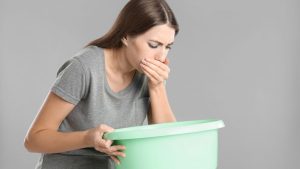
CHS is a condition that plagues some heavy cannabis consumers after high THC consumption. Symptoms include nausea, abdominal pains and aches, and cyclical vomiting. Australian researchers first coined the term ‘cannabinoid hyperemesis syndrome’ in a 2004 study that explored the correlations between heavy cannabis consumption and a string of cyclical vomiting incidents.
Many people use cannabis and cannabis products like concentrates for a variety of potential benefits, including gastrointestinal issues. CHS brings a completely different dynamic to the table—no potential therapeutic properties of cannabis can resolve it. A sample size survey study from 2018 determined that heavy users of cannabis consume for at least 20 days a month, while further estimating around 2.75 million people in the U.S. are susceptible to CHS annually.
Why Is CHS So Prevalent Now?
Researchers now consider CHS a public health issue, emerging over the last 20 years. CHS was previously considered more of a rare syndrome; however, it’s expected to be more prevalent as more U.S. states institute adult-use and medical marijuana programs within their respective borders. There are three main factors involved in the rise of CHS cases.
Potency
Many of today’s tetrahydrocannabinol (THC)-dominant, psychoactive powerhouse strains top out well over the average of about 17–28% THC from several years ago. This is a 212% increase in flower potency since the mid 90s.
Concentrates aren’t messing around, either; many high-quality extractions are capable of producing products in the 95% THC range. These high levels of THC have the potential to affect the psychological health of individuals with pre-existing mental health issues, as well as some adolescents whose brains are still developing.
Availability
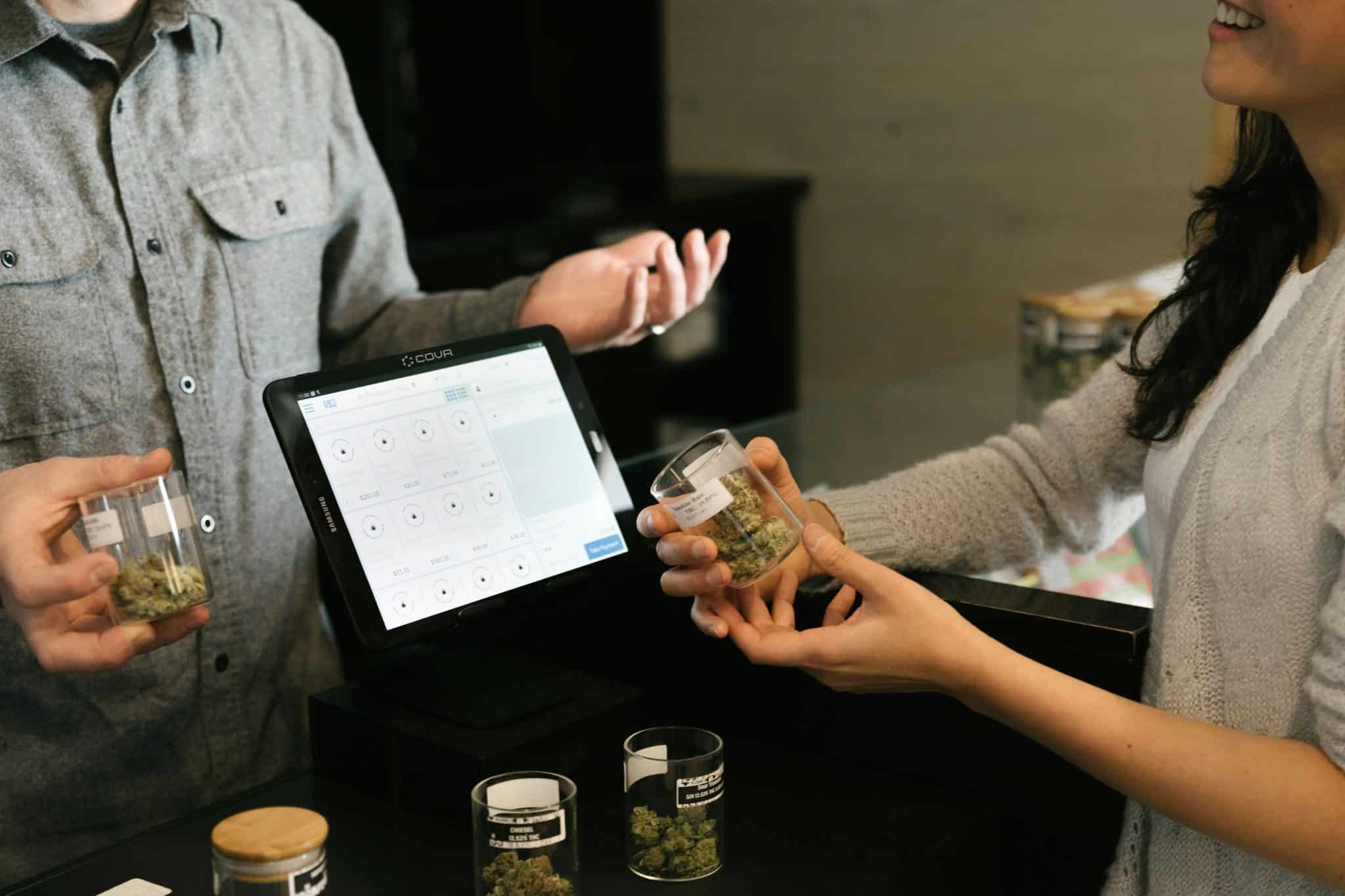
A large swath of U.S. states either legalized medical marijuana, adult-use marijuana, or both. Dispensaries rake in record-breaking sales year after year post-legalization—safe to say consumers aren’t going anywhere. A local dispensary is now as common as a pizza place in many neighborhoods, dispelling stigmas while also attracting a lot of new consumers to the lifestyle.
Black and gray markets still thrive despite legalization, with a large percentage of consumers seeking these networks out to save considerably compared to legal markets. These alternative means of obtaining some green also have their drawbacks. Dealers don’t test products for contaminants and potency, potentially activating psychological effects and adverse health conditions in consumers.
Popularity
The availability of cannabis and concentrates appeals to many as an alternative to other dangerously addictive drugs, like the ubiquity of alcohol in our society. Weed as an option to ‘take the edge’ off is popular due to its concealability in products like beverages, vapes, edibles, and the overall lack of ‘hangover’-like effects the next day.
See If You Qualify For Medical Marijuana -Select Your State!
Select Your State
Alabama
Alaska
Arizona
Arkansas
California
Colorado
Connecticut
Delaware
Florida
Georgia
Hawaii
Idaho
Illinois
Indiana
Iowa
Kansas
Kentucky
Louisiana
Maine
Maryland
Massachusetts
Michigan
Minnesota
Mississippi
Missouri
Montana
Nebraska
Nevada
New Hampshire
New Jersey
New Mexico
New York
North Carolina
North Dakota
Ohio
Oklahoma
Oregon
Pennsylvania
Rhode Island
South Carolina
South Dakota
Tennessee
Texas
Utah
Vermont
Virginia
Washington
West Virginia
Wisconsin
Wyoming
Never miss a post
Get updates on cannabis culture, new research, and expert insights
Popular culture is also full of portrayals of weed in a more laid-back light, while hip-hop artists infuse their love of the plant into the lyrics for any number of top hits. These factors also tend to bring in younger generations of consumers, who may be unaware of the potential heavy use can have on them at such an early age.
Previous studies establish a correlation between heavy and prolonged cannabis use and a desensitization of transmitters in the human endocannabinoid system (ECS). CB1 receptors, in particular, may lose the ability to regulate enzyme balance and signals in the gastrointestinal system that activate feelings of nausea and vomiting. Dysfunction and desensitization in the CB2 receptor’s ECS activity also lead to regular vomiting and nausea.
Genetic Pre-Dispositions May Heavily Influence CHS
Researchers recently discovered the possibility of genetic predispositions that may be at the root of CHS. A 2022 dataset study by renowned cannabis researcher E.B. Russo examines the role of genetics concerning CHS.
Heavy consumers of about 4 grams of high THC weed were broken into two groups: consumers suffering from symptoms of CHS and consumers who didn’t. The CHS group displayed several different mutations found in the following genes:
CYP2C9: This gene affects the liver and metabolism of THC, cannabinoids, and many important medications.
TRPV1 (heat and spice receptors): This gene potentially explains why hot showers and capsaicin cream help alleviate symptoms of CHS.
ABCA1 (transporter gene): These genes relate to the movement of substances in and out of cells.
COMT & DRD2 (dopamine): These genes regulate mood, brain chemistry, and addictive tendencies.
The group with CHS was also missing a CB1 receptor gene that was found in the study participants without CHS. These remarkable findings demonstrate the potential link between subjective genetic variations of each individual and how cannabis gets processed in the gut and ECS. Individual responses to stress may also influence symptoms of CHS.
Researchers Suggest The Same Genetic Variations May Cause Other Health Issues
The only true cure for CHS is abstaining from cannabis—if you don’t consume it, it can’t make you sick. Even substitution for CBD, CBG, or delta-8 products may not help. Management of CHS before and after the discovery of genetic predisposition includes several different acute therapies.
Injections of haloperidol, a D2 receptor agonist
Injections of droperidol, a dopamine agonist
Application of capsaicin cream to the skin
Heat stimuli like hot showers or baths
Application of lidocaine
Intravenous hydration with electrolytes
Intravenous benzodiazepines like lorazepam
Antiemetic medications
Tricyclic antidepressants
New Potential Therapies Related to Genetic Predisposition to CHS
Researchers suggest new prospective therapies to treat the potential source of the problem. Potential correlations between genetic variations and anxiety, depression, and addiction make it possible to manage lifestyle triggers that cause CHS. Russo recommends sufferers diagnosed with CHS undergo early genetic testing and health counseling. However, he also recognizes that people with CHS are loath to do so, and he has a patented, disclosed financial interest in EndocannaHealth, a genetic testing company.
Regardless, the importance of genetic testing combined with therapy is now being investigated as an evaluation and management tool for CHS symptoms, but it needs further validation. However, total abstinence from cannabis usage is still the only way to make the pain and suffering from CHS completely go away.
Anthony DiMeo is a Southern New Jersey-based journalist and cannabis advocate whose work and advocacy have been featured in Leafly, DOPE Magazine, and the Philadelphia Inquirer. Hobbies include navigating interdimensional psychedelic energy vortexes and tennis.
Oklahoma’s medical-only dispensary market gives licensed patients access to a wide range of cannabis products, but every purchase must follow OMMA rules. This guide explains how to find licensed dispensaries, what identification to bring, purchase and possession limits, product testing, pricing, and what to expect during a visit.
Oklahoma’s advertised $25 medical marijuana card renewal covers the physician evaluation, but patients must also pay a separate OMMA license fee. This guide explains the full renewal cost, reduced-fee eligibility, required documents, online renewal steps, processing times, and the new physician recommendation requirement.
An Oklahoma medical marijuana card provides legal protection under state law, but it can still affect employment, commercial driving, firearms, privacy, and federally regulated situations. This guide explains the main consequences to consider before applying, including workplace drug testing, CDL rules, insurance, housing, and registry privacy.
Getting a medical marijuana card in Oklahoma can be completed online, with no specific qualifying condition required for adult applicants. This guide covers eligibility, telehealth evaluations, required documents, OMMA application steps, fees, processing times, and what patients can do once approved.
A same-day telehealth appointment in Oklahoma can get you a physician recommendation quickly, but OMMA still needs to process your medical marijuana license application. This guide explains the timeline, required documents, costs, and when you can legally visit a dispensary while waiting for the physical card.
The statements made regarding cannabis products on this website have not been evaluated by the Food and Drug Administration (FDA). Cannabis is not an FDA-approved substance and is still illegal under federal law. The information provided on this website is intended for educational purposes only and is not intended to diagnose, treat, cure, or prevent any disease. It is not intended as medical advice and should not be considered as a substitute for advice from a healthcare professional. We strongly recommend that you consult with a physician or other qualified healthcare provider before using any cannabis products. The use of any information provided on this website is solely at your own risk.