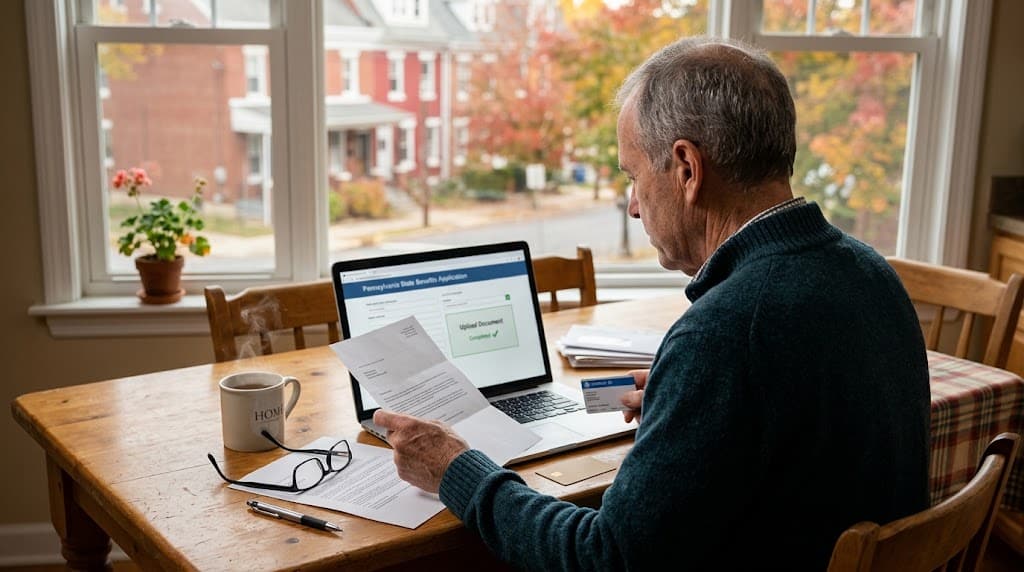
A Minnesota medical cannabis card costs less than many online sources suggest. The state charges no enrollment fee. Your only cost is the practitioner evaluation that certifies your qualifying condition, so you can budget with confidence before you start.
What Does a Minnesota Medical Cannabis Card Actually Cost?
The cost question has a simple answer. Minnesota eliminated its patient enrollment fee in July 2023. Current law, Minn. Stat. §342.52, sets no charge to enroll. If you see an older source quoting a state registry fee, it describes the program before that change.
Here is the full breakdown:
| Cost Component |
Amount |
| Practitioner evaluation fee (Veriheal) |
See Veriheal’s Minnesota pricing |
| Minnesota state enrollment fee |
$0 |
| Re-enrollment |
A new practitioner certification every three years; no state fee |
The practitioner evaluation fee covers your telehealth appointment with a Veriheal practitioner, who reviews your medical history and qualifying medical condition. After you are certified, you complete your enrollment application with the Office of Cannabis Management’s Division of Medical Cannabis at no cost. Your certification must be dated within 90 days before you submit that application.
Understanding how long it takes to get a medical card helps you plan. You pay the evaluation fee when you book. After you’re certified and apply, the office has up to 30 days to approve or deny your free enrollment.
Who Can Pay Even Less?
Because there is no state fee, there is no state fee reduction to apply for. However, a few groups can still lower their total cost further:
- Veterans: Under Minn. Stat. §342.52, subdivision 3, the Office of Cannabis Management must offer veterans an alternative certification procedure. Instead of a practitioner certification, it can accept a copy of a veteran ID card and an attestation of a qualifying diagnosis. For eligible veterans, that can make enrollment completely free. Check the Division of Medical Cannabis to see how the office currently handles veteran enrollment.
- Patients whose own practitioner will certify them: Minnesota’s qualifying conditions include any condition your practitioner recommends cannabis for. That means your regular Minnesota-licensed doctor, physician assistant, or advanced practice registered nurse may be able to certify you during a normal visit. Your insurance may even cover it as an office visit.
- Everyone, over time: Enrollment lasts three years. That makes the evaluation fee a once-every-three-years cost, not an annual one.
- Anyone who wants a no-risk evaluation: Not every regular doctor is registered to certify patients or comfortable discussing medical cannabis. Veriheal connects you with a registered Minnesota practitioner, and its “get approved or your money back” policy means you never pay for a certification you cannot use. You can also split the fee into interest-free installments.
What Does the Minnesota Medical Cannabis Card Cost Cover?
Knowing the dollar figures matters, but understanding what you are paying for helps you evaluate whether the cost makes sense for your situation.
State Enrollment
Enrollment in Minnesota’s medical cannabis registry is free. It is managed by the Office of Cannabis Management’s Division of Medical Cannabis. Minnesota does not issue a physical card. Once approved, you receive a patient registry number and a registry verification, which licensed medical retailers use to confirm your status.
Your enrollment is valid for three years. To re-enroll, you submit a new application with a practitioner certification dated within 90 days, and there is still no state fee.
The Practitioner Evaluation Fee
The practitioner evaluation fee covers your telehealth consultation with a Veriheal practitioner. During the appointment, the practitioner reviews your medical history. They then assess whether you have a qualifying medical condition under Minnesota law. If you qualify, your certification is submitted electronically to the registry.
Health insurance generally does not cover cash-pay certification visits or medical cannabis itself. Cannabis is not an FDA-approved prescription drug, and that has not changed with state-licensed medical marijuana’s move to Schedule III.
Whether you can use your FSA or HSA for an evaluation fee depends on IRS rules on medical expenses and your specific plan. Ask your benefits administrator rather than assuming either way.
To understand the federal framework behind these limits, see Veriheal’s guide on whether medical marijuana is covered by insurance.
Is a Minnesota Medical Cannabis Card Still Worth the Cost in 2026?
Minnesota legalized adult-use cannabis under H.F. 100. The bill was signed in May 2023 and took effect August 1, 2023. That raises a fair question: if recreational cannabis is already legal, is a medical card still worth paying for?
For many patients, the answer is yes, because the savings can outweigh the evaluation fee within months. Here is how the two consumer categories compare:
| Benefit |
Medical Patient |
Adult-Use Consumer |
| Cannabis tax |
Exempt from Minnesota’s 15% cannabis tax |
15% cannabis tax, plus sales taxes |
| Age access |
Available under 21 (minors through a caregiver) |
21 and older only |
| State enrollment cost |
$0, valid for three years |
No enrollment needed |
The tax exemption is the biggest financial benefit for regular users. According to the Minnesota Department of Revenue, medical cannabis purchased by or for an enrolled patient is exempt from the cannabis tax. Over time, those savings can cover the cost of your evaluation fee. For the full numbers, see how medical vs. recreational cannabis taxes compare.
The benefits of a medical marijuana card go beyond taxes, too. Enrolled patients also get protections under Minnesota law that adult-use consumers do not have.
How to Get Your Minnesota Medical Cannabis Card Through Veriheal
You can complete the entire process online. Veriheal’s telehealth platform connects you with a Minnesota practitioner by video. If you have a qualifying condition, they can certify you for the state’s medical cannabis program.
Here is how the process works:
- Book a Veriheal appointment online and pay the evaluation fee.
- Complete the telehealth evaluation with a Veriheal practitioner.
- If you qualify, your practitioner submits your certification to the registry.
- Complete your free enrollment application with the Division of Medical Cannabis within 90 days of your certification date.
- Receive a decision within 30 days. Once you’re approved, you get your patient registry number and registry verification.
Because Minnesota charges no state fee, your Veriheal evaluation is the only payment in the process, and it comes with Veriheal’s “get approved or your money back” policy. Using telemedicine for medical cannabis also means no in-person clinic visit, no travel cost, and no time off work for most patients.
When you are ready, see Veriheal’s current Minnesota pricing and connect with a Veriheal-certified physician to begin the application process..
Note: The content on this page is for informational purposes only and is not intended to be professional medical advice. Do not attempt to self-diagnose or prescribe treatment based on the information provided. Always consult a physician before making any decision on the treatment of a medical condition.
Note: Veriheal does not support illegally consuming therapeutic substances such as cannabis but acknowledges that it transpires because of the current illicit status, which we strive to change by advocating for research, legal access, and responsible consumption. Always consult a physician before attempting alternative therapies.
Frequently Asked Questions
What disqualifies someone from getting a medical cannabis card in Minnesota?
You must be a Minnesota resident with a practitioner certification. Under Minn. Stat. §342.52, the office can deny enrollment if you do not submit a certification, do not sign the required disclosure, leave out required information, provide false information, or are enrolled in a federally approved clinical trial for your condition using medical cannabis.
Does a medical cannabis card affect gun rights in Minnesota?
It can. Federal law, 18 U.S.C. §922(g)(3), still bars unlawful users of controlled substances from possessing firearms. Although state-licensed medical marijuana moved to Schedule III in April 2026 and the Supreme Court’s Hemani ruling limits prosecutions for marijuana use alone, ATF Form 4473 still asks about controlled substance use. See the Veriheal article on medical cannabis cards and gun rights for more.
What conditions qualify for a medical cannabis card in Minnesota?
Under Minn. Stat. §342.01, subdivision 63, Minnesota lists 19 qualifying conditions, including cancer, chronic pain, PTSD, epilepsy and other seizures, ALS, inflammatory bowel disease, obsessive-compulsive disorder, and autism spectrum disorder. The law also covers any condition for which your practitioner recommends cannabis.
How do I register for medical cannabis in Minnesota?
After your practitioner certifies you, you complete a free enrollment application with the Division of Medical Cannabis, submitting it within 90 days of your certification date. You can also review whether a medical cannabis card shows up on a background check before completing your enrollment.
Author, Share & Comments