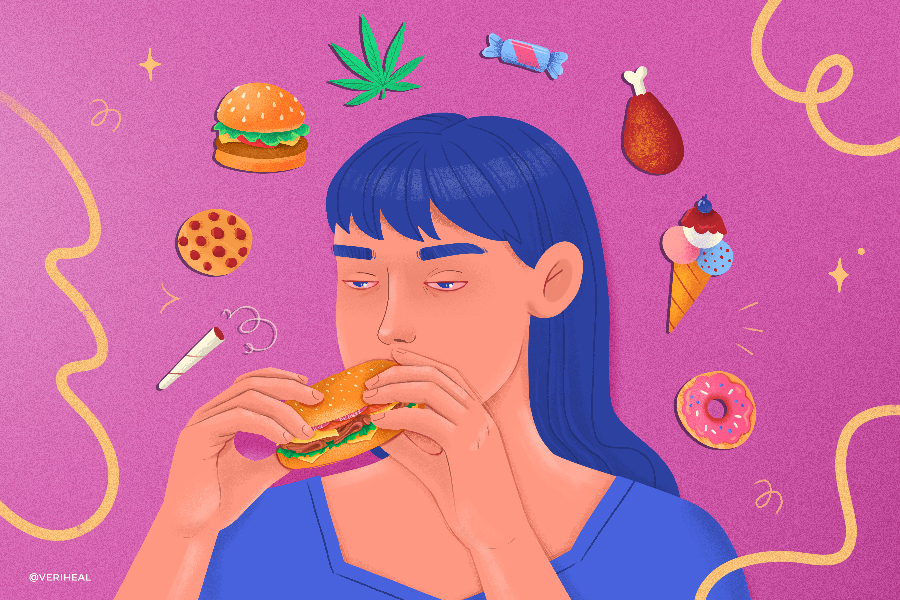
Cannabis-induced appetite, commonly known as “the munchies,” can be controlled through strategic strain selection, meal timing, and preparation techniques. The key lies in understanding how THC affects your hunger signals and taking proactive steps before you consume.
While cannabis-induced appetite stimulation can be helpful for medical patients who need it, the munchies aren’t always welcome for recreational users trying to maintain their diet or avoid late-night snacking binges.
Why Cannabis Causes the Munchies
Tetrahydrocannabinol (THC) activates CB1 receptors in your brain’s hypothalamus, which controls hunger and appetite regulation. This process triggers the release of ghrelin, often called the “hunger hormone,” which signals your body that it’s time to eat even when you’re not actually hungry.
Cannabis also heightens your senses of smell and taste, making food more appealing than usual. Research shows THC enhances olfactory sensitivity, which explains why everything seems to smell and taste better when you’re high. This sensory enhancement combines with increased ghrelin production to create intense food cravings.
The appetite stimulation typically peaks within 1-2 hours after smoking and can last several hours depending on your tolerance and the amount consumed. Understanding this timeline helps you plan ahead rather than trying to resist cravings once they’ve already started.
How Long Do the Munchies Last
The duration of cannabis-induced appetite depends largely on how you consume. When smoking or vaping, munchies typically last 2-4 hours and peak within the first hour. Edibles create longer-lasting effects, with appetite stimulation continuing for 4-8 hours after onset.
Your tolerance level significantly affects duration. Regular users often experience shorter, less intense munchie periods compared to occasional consumers. The strain’s cannabinoid profile also matters, high-THC varieties tend to produce stronger and longer-lasting appetite effects than balanced THC/CBD strains.
Knowing these timeframes lets you plan your consumption around meals and snack availability. If you consume cannabis 2-3 hours before bedtime, the appetite effects will likely coincide with late-night hours when healthy food options are limited.
Choose Strains That Suppress Appetite
Certain cannabis strains are less likely to trigger intense hunger due to their specific cannabinoid and terpene profiles. THCV-rich strains without munchies like Durban Poison and Jack the Ripper can actually suppress appetite rather than stimulate it.
High-CBD strains may counteract some of THC’s appetite-stimulating effects. Varieties with balanced THC:CBD ratios, such as Harlequin or Cannatonic, tend to produce less intense munchies while still providing therapeutic benefits. Sativa-dominant strains generally cause less hunger than indica varieties, which are more associated with sedation and increased appetite.
- Durban Poison: High in THCV, known for appetite suppression
- Green Crack: Energizing sativa with minimal hunger effects
- Jack the Ripper: THCV-rich hybrid that reduces food cravings
- Harlequin: Balanced CBD strain that moderates THC’s appetite effects
The terpene limonene, found in citrusy strains, may also help curb appetite. Strains rich in this terpene include Super Lemon Haze and Lemon Skunk, which tend to produce uplifting effects without intense food cravings.
Time Your Cannabis Use Strategically
When you consume cannabis matters as much as what strain you choose. Using cannabis 3-4 hours before bedtime often leads to late-night snacking when your willpower is lowest and healthy options are less convenient.
Consuming shortly after a satisfying meal helps minimize appetite stimulation. Your body’s natural satiety signals can compete with THC’s hunger-inducing effects, reducing the intensity of cravings. This timing strategy works best when combined with protein and fiber-rich meals that promote longer-lasting fullness.
Consider your daily schedule when planning consumption. If you typically get the munchies 1-2 hours after use, time your sessions so peak appetite coincides with planned meals rather than random snacking windows. Weekend morning or early afternoon consumption often provides better control over food choices than evening sessions.
Eat Before You Get High
Consuming a balanced meal 1-2 hours before using cannabis significantly reduces munchie intensity. This preventive approach works better than trying to resist cravings once they’ve started, since how cannabis affects appetite can override normal hunger and satiety cues.
The ideal pre-cannabis meal combines protein, healthy fats, and complex carbohydrates to promote sustained fullness:
- Protein sources: Greek yogurt, eggs, lean meat, or plant-based options like beans and nuts
- Healthy fats: Avocado, olive oil, nuts, or seeds that slow digestion and extend satiety
- Complex carbohydrates: Whole grains, sweet potatoes, or oatmeal for steady energy release
- Portion size: Aim for a satisfying meal that’s 70-80% of your normal portion to leave some room without feeling overly full
Avoid eating immediately before consumption, as this can interfere with cannabis absorption and may cause digestive discomfort. The 1-2 hour window allows your body to begin processing the meal while still maintaining satiety signals when THC effects peak.
Eat Regularly and Hydrate Throughout the Day
Maintaining consistent meal patterns prevents your body from entering starvation mode, which makes munchie cravings more intense when they occur. Skipping breakfast or lunch often leads to evening cannabis sessions triggering overwhelming appetite that’s difficult to control.
Drink water consistently throughout the day, not just when you’re high. Dehydration can intensify appetite and make you mistake thirst for hunger. Research indicates proper hydration helps regulate appetite hormones, making it easier to distinguish between cannabis-induced cravings and actual nutritional needs.
Plan three balanced meals plus one or two small snacks daily, even on days when you don’t plan to use cannabis. This pattern stabilizes your blood sugar and hunger hormones, creating a foundation that makes munchie management much more achievable.
Prepare Smart Snacks Before Getting High
Preparation beats willpower every time when managing munchies. Having pre-portioned, satisfying snacks ready removes the decision-making burden when your judgment is impaired and everything in your kitchen looks irresistible.
Focus on foods that provide satiety without excessive calories. High-fiber options like cut vegetables with hummus, air-popped popcorn, or apple slices with almond butter offer volume and crunch that satisfy both physical and psychological craving aspects. Protein-rich snacks like Greek yogurt, hard-boiled eggs, or string cheese help maintain fullness longer than simple carbohydrates.
Portion control becomes crucial since cannabis can impair your ability to recognize fullness cues. Pre-measure snacks into individual containers or bags to prevent mindless overeating. Hide or remove trigger foods like cookies, chips, or ice cream that you know you’ll overconsume when high.
Keep water bottles easily accessible and consider flavored seltzers or herbal teas as alternatives to high-calorie beverages. The hand-to-mouth motion of drinking can help satisfy the oral fixation aspect of munchies without adding significant calories.
Note: The content on this page is for informational purposes only and is not intended to be professional medical advice. Do not attempt to self-diagnose or prescribe treatment based on the information provided. Always consult a physician before making any decision on the treatment of a medical condition.
Note: Veriheal does not support illegally consuming therapeutic substances such as cannabis but acknowledges that it transpires because of the current illicit status, which we strive to change by advocating for research, legal access, and responsible consumption. Always consult a physician before attempting alternative therapies.
Ready to explore medical cannabis options that work with your lifestyle? Find a qualified doctor today to discuss strain selection and consumption strategies tailored to your needs.
Frequently Asked Questions
How long do munchies last after getting high?
Munchies typically last 2-4 hours when smoking and 4-8 hours with edibles. Peak appetite occurs within 1-2 hours of consumption and gradually decreases as THC effects wear off.
Can CBD help reduce cannabis munchies?
Yes, CBD may counteract some of THC’s appetite-stimulating effects. Strains with balanced THC:CBD ratios often produce less intense hunger compared to high-THC varieties.
What strains don’t cause munchies?
THCV-rich strains like Durban Poison and Jack the Ripper actually suppress appetite. Sativa-dominant varieties and high-CBD strains also tend to cause fewer munchies than indica strains.
Why do I get hungrier when high at night?
Evening consumption often coincides with natural appetite increases and lower willpower. Additionally, how long effects last means peak munchies occur during late-night hours when healthy food options are less convenient.
Does drinking water help with munchies?
Staying hydrated helps regulate appetite hormones and can reduce the intensity of cannabis-induced cravings. Sometimes thirst masquerades as hunger, especially when you’re high.
Author, Share & Comments