You don’t need a medical card to grow cannabis at home in Minnesota, but enrollment changes who can grow for you. Adults 21 and older can grow up to eight plants, with no more than four mature and flowering, and a registered caregiver can grow for a patient household. Veriheal connects you with a Minnesota practitioner for an online video evaluation if you want to enroll, via the Minnesota medical card program.
This guide explains the limits, the caregiver rules, the security requirements, and the penalties, so you know where the lines are before you plant.
How Many Cannabis Plants Can You Grow at Home in Minnesota?
The limit is eight plants at a single residence, and no more than four of them can be mature and flowering. The rule comes from Minnesota Statutes section 342.09, subdivision 2. The core figures:
- Total plants: Up to eight at one residence, including the yard.
- Mature plants: No more than four mature, flowering plants.
- Grower: The cultivation must take place at the primary residence of someone 21 or older.
- No license needed: You don’t need a state cultivation license within these limits.
The “Per Residence” Rule Explained
The statute counts plants at a single residence, not per person. Two adults living at the same address share one limit, so check with your household before you plant.
Mature vs. Immature Plants: What the Law Counts
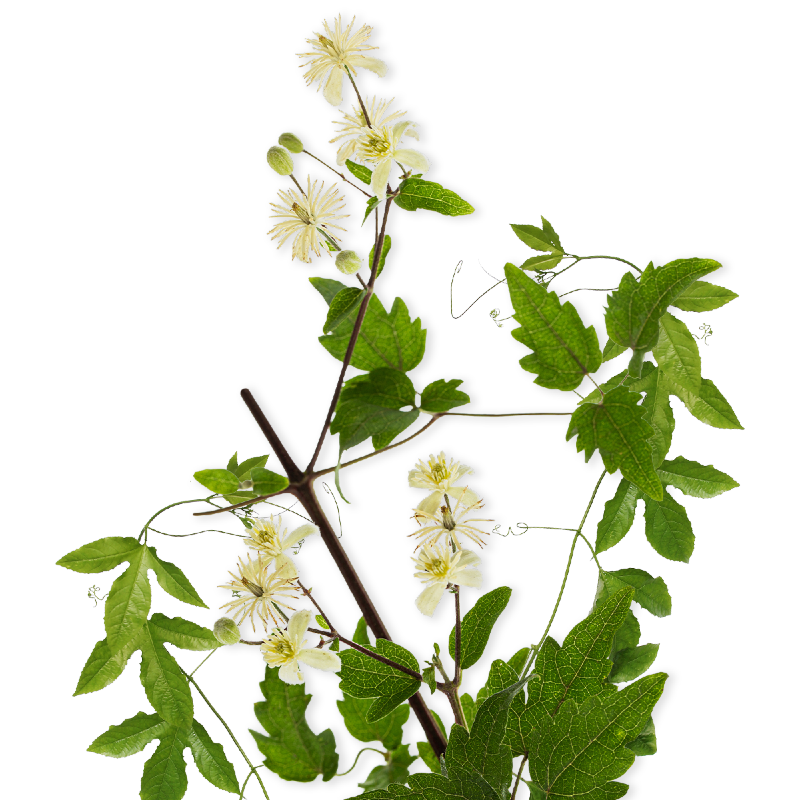
Only four of your eight plants can be mature and flowering at once, which leaves room for young plants. The statute doesn’t define “mature” beyond “mature, flowering.” For background on the stages, read Veriheal’s guides on cannabis plant anatomy and cannabis plant growth stages.
Do Medical Patients Get Different Cultivation Rights in Minnesota?
A patient 21 or older grows under the same adult allowance as everyone else. Enrollment doesn’t raise your own limit, but it opens a caregiver route that other adults don’t have. A registered designated caregiver can cultivate up to eight plants for not more than one patient household. The caregiver can also grow up to eight plants for the caregiver’s own adult use, and of the 16 or fewer plants in the caregiver’s home, no more than eight can be mature and flowering.
Does Caregiver Status Change the Cultivation Limit?
It does, in one way, and the patient has to assign the right. Under Minnesota Rules 9810.4001, a patient who lets a caregiver cultivate on behalf of the household must notify the OCM that the patient has assigned the right to the caregiver. The patient can revoke the assignment by notifying the OCM. Caregiver cultivation itself comes from section 342.52.
Do You Need Special Registration to Grow at Home?
Not for the standard adult allowance. You don’t need a cultivation permit or registry enrollment to grow within the eight-plant limit. Enrollment matters only if you want a caregiver to grow for your household.
Who Can Be a Caregiver?
The OCM registers a caregiver when a patient needs help with administering, obtaining, or cultivating cannabis. A caregiver must be at least 18 years old and can serve no more than six registered patients, and patients in the same residence count as one. Caregivers apply through the OCM, which explains enrollment on its page about how to become a medical cannabis patient.
What “Enclosed and Locked” Means Under Minnesota Law
Minnesota requires your plants to be in an enclosed, locked space that isn’t open to public view, under section 342.09. The statute doesn’t define those terms, so the safest approach is a space that a child, a neighbor, or a passerby can’t get into or see. A few choices make that easier:
- Stronger setups: A locked room, closet, or purpose-built enclosure.
- Weaker setups: An unlocked tent sitting in an open room.
- Rentals: Check your lease, since a landlord can add rules of their own.
Because the statute leaves those terms open, check the Office of Cannabis Management’s website for current guidance before you build.
What Is Not Allowed?
Plant counts are only part of Minnesota’s home growing rules, and a few other limits catch people off guard. Minnesota Statutes section 342.09 prohibits extraction with certain solvents, selling without a license, and growing beyond the plant limit, and each carries real consequences. Here is what the statute prohibits:
- Volatile solvent extraction: No one may use a volatile solvent to separate or extract cannabis concentrate without a state license. Licensed manufacturers and medical cannabis combination businesses are the exception.
- Sales: No one may sell cannabis flower or products without a license.
- Growing over the limit: The OCM can assess a civil penalty of up to $500 for each plant above the limit, and criminal penalties may also apply.
For background on turning home-grown flower into something you can use, read Veriheal’s guide on activating cannabinoids at home.
Possession Limits and What Happens After a Successful Harvest
Adults can possess up to two pounds of adult-use cannabis flower in their private residence and up to two ounces in a public place, under section 342.09, subdivision 1. You can give up to two ounces of flower to another adult 21 or older without payment, but you can’t sell it. If you expect a large harvest, these steps help:
- Stagger your harvests: Don’t let every plant mature at once.
- Store properly: Read Veriheal’s guide on properly storing cannabis flower.
- Keep it at home: The public limit is two ounces.
How Do You Qualify as a Medical Patient First?
Cultivation through a caregiver starts with enrollment. You see a Minnesota practitioner who certifies your qualifying condition, and then you apply to the OCM, which decides within 30 days. Minnesota charges no state enrollment fee, and enrollment is valid for three years. Your practitioner’s visit is the cost to plan for. Veriheal keeps it simple with a $199 evaluation fee that can be split into interest-free installments.
Enrolled patients are also exempt from the 15% cannabis gross receipts tax on medical items, according to section 295.81. For the benefits of enrolling, read Veriheal’s guide on the benefits of a medical marijuana card. For timing, read Veriheal’s guide on how long it takes to get a medical card.
Does Federal Law Change Home Growing?
Federal law still matters, and home growing isn’t covered by the April 2026 change. That change moved only state-licensed medical marijuana from Schedule I to Schedule III under Federal Register rule 2026-08176. Marijuana outside a state medical license, and outside FDA-approved products, stays in Schedule I, so a plant growing in your home isn’t covered by it.
Four Things to Know About Firearms and Home Growing
Growing at home doesn’t change how federal firearms law treats you, and gun owners who grow face the same rules as any other cannabis user. Federal law has shifted in 2026, but the changes cut both ways, and a plant in your home isn’t covered by the April rescheduling. These are the four points to know:
- The Supreme Court: In United States v. Hemani, decided June 18, 2026, the Court unanimously held that prosecuting someone under 18 U.S.C. § 922(g)(3) based solely on marijuana use was inconsistent with the Second Amendment. The Court called its decision narrow.
- The ATF: The Bureau of Alcohol, Tobacco, Firearms and Explosives (ATF) rescinded its 2011 open letter, which had told dealers a medical card was grounds to refuse a sale. It hasn’t issued replacement guidance, so dealer practices may vary.
- The statute: Section 922(g)(3) remains federal law.
- The form: ATF Form 4473 is unchanged, so a false answer about drug use still carries real federal risk.
A licensed attorney can explain how these rules apply to you. For more detail, read Veriheal’s guide on medical cannabis patients and gun rights.
How Can Veriheal Help You Enroll in Minnesota?
Not sure a household member qualifies yet? A short evaluation can answer that before you plan a grow. Your practitioner decides whether certification fits, and Veriheal backs the visit with a “get approved or your money back” policy.
When you’re ready, find a medical marijuana doctor online.
Note: The content on this page is for informational purposes only and is not intended to be professional medical advice. Do not attempt to self-diagnose or prescribe treatment based on the information provided. Always consult a physician before making any decision on the treatment of a medical condition.
Note: Veriheal does not support illegally consuming therapeutic substances such as cannabis but acknowledges that it transpires because of the current illicit status, which we strive to change by advocating for research, legal access, and responsible consumption. Always consult a physician before attempting alternative therapies.
Frequently Asked Questions
How many cannabis plants can I grow in Minnesota?
Adults 21 and older can grow up to eight cannabis plants at one residence, and no more than four can be mature and flowering. The limit comes from Minnesota Statutes section 342.09.
Can a caregiver grow cannabis for a patient in Minnesota?
Yes, a registered designated caregiver can grow up to eight plants for not more than one patient household. The patient must assign the right to cultivate to the caregiver and notify the OCM. The caregiver can also grow up to eight plants for their own adult use.
Does the plant limit change if I am a medical patient?
A patient who is 21 or older grows under the same adult limit as everyone else. A patient who assigns cultivation to a caregiver notifies the OCM, and the caregiver grows for the household.
Where must I keep my plants?
Plants must be in an enclosed, locked space that is not open to public view, at the primary residence of someone 21 or older.
What is the penalty for growing too many plants?
The OCM can assess a civil penalty of up to $500 for each plant above the limit. Criminal penalties may also apply.
Do I need a license or registration to grow at home?
You don’t need a cultivation license for the standard adult allowance of eight plants. Registry enrollment is needed only if you want a caregiver to grow for your patient household.
Author, Share & Comments