Your medical cannabis journey simplified: find partnered dispensaries, explore pricing options, earn rewards, and get answers to FAQs, all in one spot.
One of the most common fears we hear cited by lawmakers and anti-cannabis advocates is that legalization will lead to more use among teenagers. But these fears aren’t always rooted in facts and tend to perpetuate existing stigmas about cannabis use. With close to half of the U.S. states providing legal recreational cannabis, we wonder: are teens and young adults smoking more or less weed?
A Recent Federal Survey
The National Organization for the Reform of Marijuana Laws (NORML) recently reported no changes in teen and young adult marijuana use over the last four years, according to data from the federal agency Substance Abuse and Mental Health Services Administration (SAMHSA).
The SAMHSA data comes from a 2024 national survey, which looked at the cannabis use habits of people ages 12 to 25. NORML says that the data is consistent with findings from the Centers for Disease Control and Prevention (CDC) and the University of Michigan, which found that cannabis use among young people is at a historic low. In contrast, self-reported use among people 26 years and older has increased.
Historic Lows in Teen Cannabis Use
According to data from the Monitoring the Future, the reported number of young students who have ever tried cannabissignificantly declined in the past decade. For 8th graders, self-reported use dropped by 32%. Reported use among 10th graders dropped by 37%. Among 12th graders, reported use dropped by 23%.
Among the 8th, 10th, and 12th graders surveyed, reported cannabis use in the last month declined 34%, 43%, and 34%, respectively.
While teen cannabis use has been on a steep decline over the past decade, another change has been taking place: 24 states have legalized recreational marijuana.
The National Institutes of Health shared a press release with the data, calling the decline in teen substance use “unprecedented.”
Gen Z Cannabis Trends
According to our own Veriheal survey data, Gen Z appears to be a very cannabis-friendly generation. Our team surveyed thousands of medical marijuana patients between the ages of 15 and 27. All of the respondents signed up for our services between March 2023 and April 2024. We also supplemented the data with 2022 findings from New Frontier Data.
Here’s what we found:
Up to 60% of respondents rarely or never drink alcohol and prefer to use cannabis
Gen Z primarily uses cannabis for happier moods, feelings of relaxation, and relief from pain
Gen Z is the most cannabis-friendly generation in recorded history
We know that self-reported cannabis use among teens is steadily declining. We also know that Gen Z substance use is beginning to trend toward alcohol-free options. What’s the significance of all this data?
See If You Qualify For Medical Marijuana -Select Your State!
Select Your State
Alabama
Alaska
Arizona
Arkansas
California
Colorado
Connecticut
Delaware
Florida
Georgia
Hawaii
Idaho
Illinois
Indiana
Iowa
Kansas
Kentucky
Louisiana
Maine
Maryland
Massachusetts
Michigan
Minnesota
Mississippi
Missouri
Montana
Nebraska
Nevada
New Hampshire
New Jersey
New Mexico
New York
North Carolina
North Dakota
Ohio
Oklahoma
Oregon
Pennsylvania
Rhode Island
South Carolina
South Dakota
Tennessee
Texas
Utah
Vermont
Virginia
Washington
West Virginia
Wisconsin
Wyoming
Never miss a post
Get updates on cannabis culture, new research, and expert insights
It turns out that substance use in general is on the decline among young people. In 2011, the Youth Risk Behavior Surveillance System (YBRSS) found that 37.9% of teenage girls and 39.5% of teenage boys reported drinking alcohol at least once in the past 30 days. By 2021, those numbers had changed to 26.8% of teenage girls and 18.8% of teenage boys.
The same survey found that in 2001, 26.5% of teens had tried illicit drugs. But 20 years later, that figure had dropped to 13.4%.
That’s not to say that teen substance use is not a problem. USA Facts reports that teens misusing prescription painkillers like codeine, Vicodin, Hydrocodone, OxyContin, and Percocet continues to be a problem.
Despite evidence of steadily declining teen cannabis use, not increasing, fears about teens using cannabis still remain among lawmakers and advocates.
In 2021, Nebraska Governor Pete Ricketts aggressively went after medical marijuana, warning that legalization would end up killing children.
He told reporters, “This is a dangerous drug that will impact our kids. If you legalize marijuana, you’re gonna kill your kids. That’s what the data shows from around the country.”
More recently, Dr. Jessica Spencer, a leading Florida cannabis critic, spoke to lawmakers to call for more funding for anti-cannabis education in elementary schools. She went on to urge lawmakers to never legalize adult-use cannabis in the state.
Last year in South Dakota, Rhonda Milstead of Protecting South Dakota Kids spoke in a debate about decriminalizing cannabis in the state. She argued that legal cannabis has no identifiable benefits and even stated that “this drug brings more poverty, more crime, more mental health issues, more youth at risk, more violence, more addiction.”
These are just a few examples of many cases where lawmakers and critics call out cannabis for its dangerous impacts on the youth, despite recent data telling a different story.
Risks of Teen Cannabis Use
While it is misleading and frustrating to see opponents argue that cannabis legalization will lead to more teen use and even deaths, there are real risks associated with teen cannabis use. However, recent data show that legalization is not correlated with increased use among the youth.
These risks are important to consider when looking at teen and young adult cannabis use. But it’s also important to note that recent data indicate that youth cannabis rates are falling.
As with most cannabis topics, we need more data and information to craft a clearer picture. From what we know right now, it appears that teenagers and young adults are using less cannabis and other substances, in general. The increase in states with adult-use cannabis laws does not appear to impact youth cannabis use rates.
Macey is a freelance writer from Seattle. She's covered the cannabis industry extensively, emphasizing the economic opportunities for Indigenous entrepreneurs. Her writing focuses on the people, stories, and labors of love behind every venture.
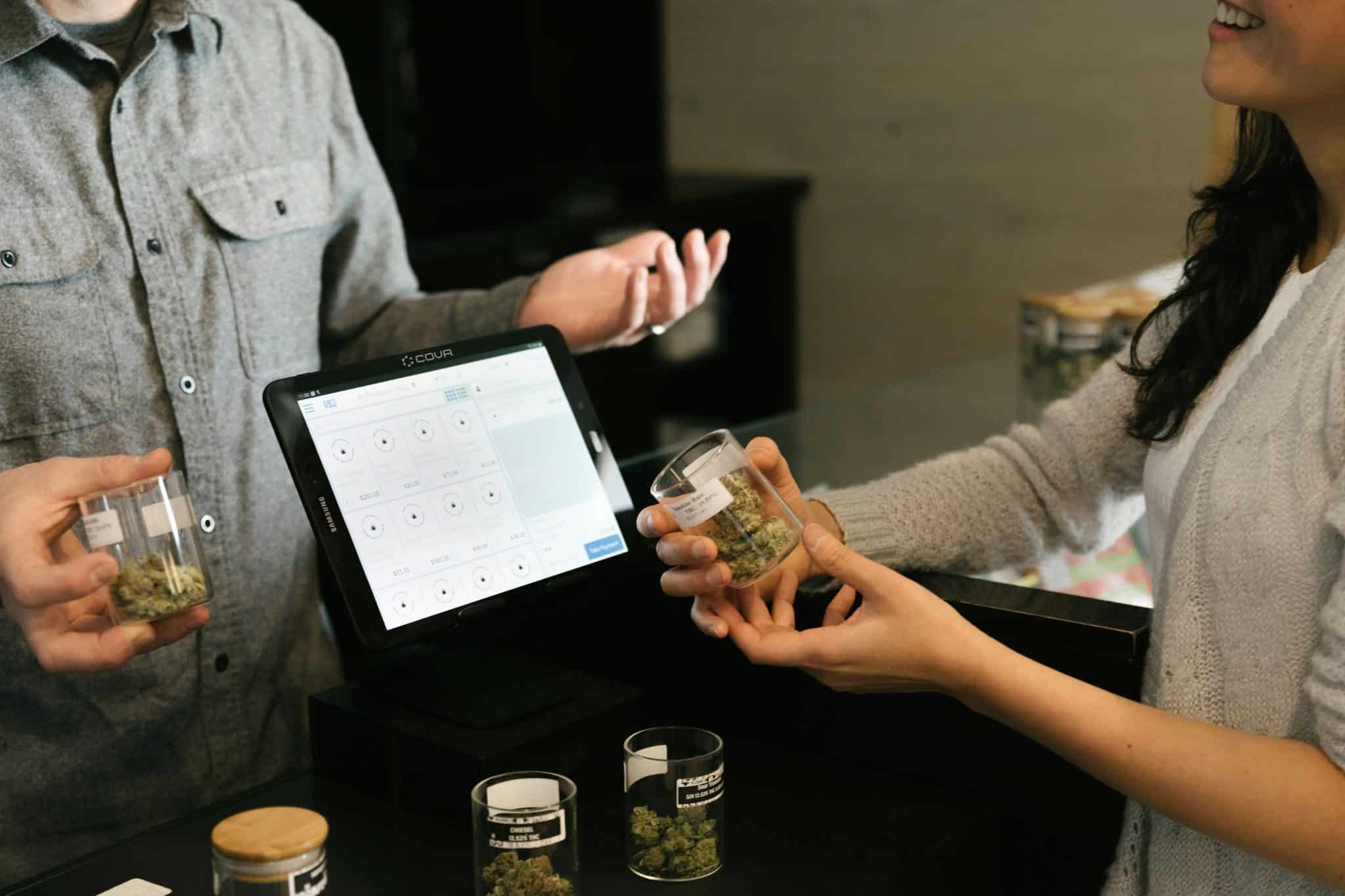
Oklahoma’s medical-only dispensary market gives licensed patients access to a wide range of cannabis products, but every purchase must follow OMMA rules. This guide explains how to find licensed dispensaries, what identification to bring, purchase and possession limits, product testing, pricing, and what to expect during a visit.
Oklahoma’s advertised $25 medical marijuana card renewal covers the physician evaluation, but patients must also pay a separate OMMA license fee. This guide explains the full renewal cost, reduced-fee eligibility, required documents, online renewal steps, processing times, and the new physician recommendation requirement.
An Oklahoma medical marijuana card provides legal protection under state law, but it can still affect employment, commercial driving, firearms, privacy, and federally regulated situations. This guide explains the main consequences to consider before applying, including workplace drug testing, CDL rules, insurance, housing, and registry privacy.
Getting a medical marijuana card in Oklahoma can be completed online, with no specific qualifying condition required for adult applicants. This guide covers eligibility, telehealth evaluations, required documents, OMMA application steps, fees, processing times, and what patients can do once approved.
A same-day telehealth appointment in Oklahoma can get you a physician recommendation quickly, but OMMA still needs to process your medical marijuana license application. This guide explains the timeline, required documents, costs, and when you can legally visit a dispensary while waiting for the physical card.
The statements made regarding cannabis products on this website have not been evaluated by the Food and Drug Administration (FDA). Cannabis is not an FDA-approved substance and is still illegal under federal law. The information provided on this website is intended for educational purposes only and is not intended to diagnose, treat, cure, or prevent any disease. It is not intended as medical advice and should not be considered as a substitute for advice from a healthcare professional. We strongly recommend that you consult with a physician or other qualified healthcare provider before using any cannabis products. The use of any information provided on this website is solely at your own risk.