Your medical cannabis journey simplified: find partnered dispensaries, explore pricing options, earn rewards, and get answers to FAQs, all in one spot.
April 3, 2024 08:00 am ETEstimated Read Time: 2 Minutes
Cannabis is more legal now than ever before. Yet, it remains under-researched and stigmatized. The “Cannabis Education and Research Collection” seeks to close the gap between cutting-edge research and public knowledge of the plants’ vast potential by highlighting the perspectives and expertise of the next generation of cannabis professionals who will push the industry forward in the coming decades.
You’re invited to submit a paper for possible publication by Veriheal in our “Cannabis Education and Research Collection.” Veriheal is a healthcare technology company that is the largest facilitator of medical marijuana cards in the nation. Our accompanying blog aims to provide comprehensive education, resources, and knowledge regarding a wide variety of topics related to cannabis and alternative wellness.
For this collection, we welcome research on a range of themes, including but not restricted to:
Discoveries around cannabinoid pharmacology and the medicinal benefits of the cannabis plant
The impact of cannabis legalization from a social science perspective
BIPOC experiences in cannabis education and research
Innovations in cannabis growth and cultivation
Cannabis use by special populations, such as adolescents, pregnant people, individuals with mental health disorders, and older adults, among others
The chemical composition of cannabis strains, profiling cannabinoids, terpenes, and other phytochemicals, and exploring their potential synergistic effects on therapeutic outcomes
Implications for the future of public health, including patterns of use, prevalence of cannabis-related disorders, access to healthcare services, and public perceptions of cannabis use.
If you’re a current student who is a member of a cannabis-related major or doing research about cannabis within your field, we want to hear from you. Papers should be approximately 1000-1500 words in length and formatted according to the Associated Press Stylebook.
We seek to help people live better lives by changing the stigma on cannabis. Our aim is to change the image of alternative medicine by creating more ease for all users, more growth in science, more access for all patients, and more transparency in the industry.
A medical marijuana card can bring tax savings, higher purchase limits, legal protections and doctor guidance, depending on your state. See what it does, when it’s worth it and how to get one.
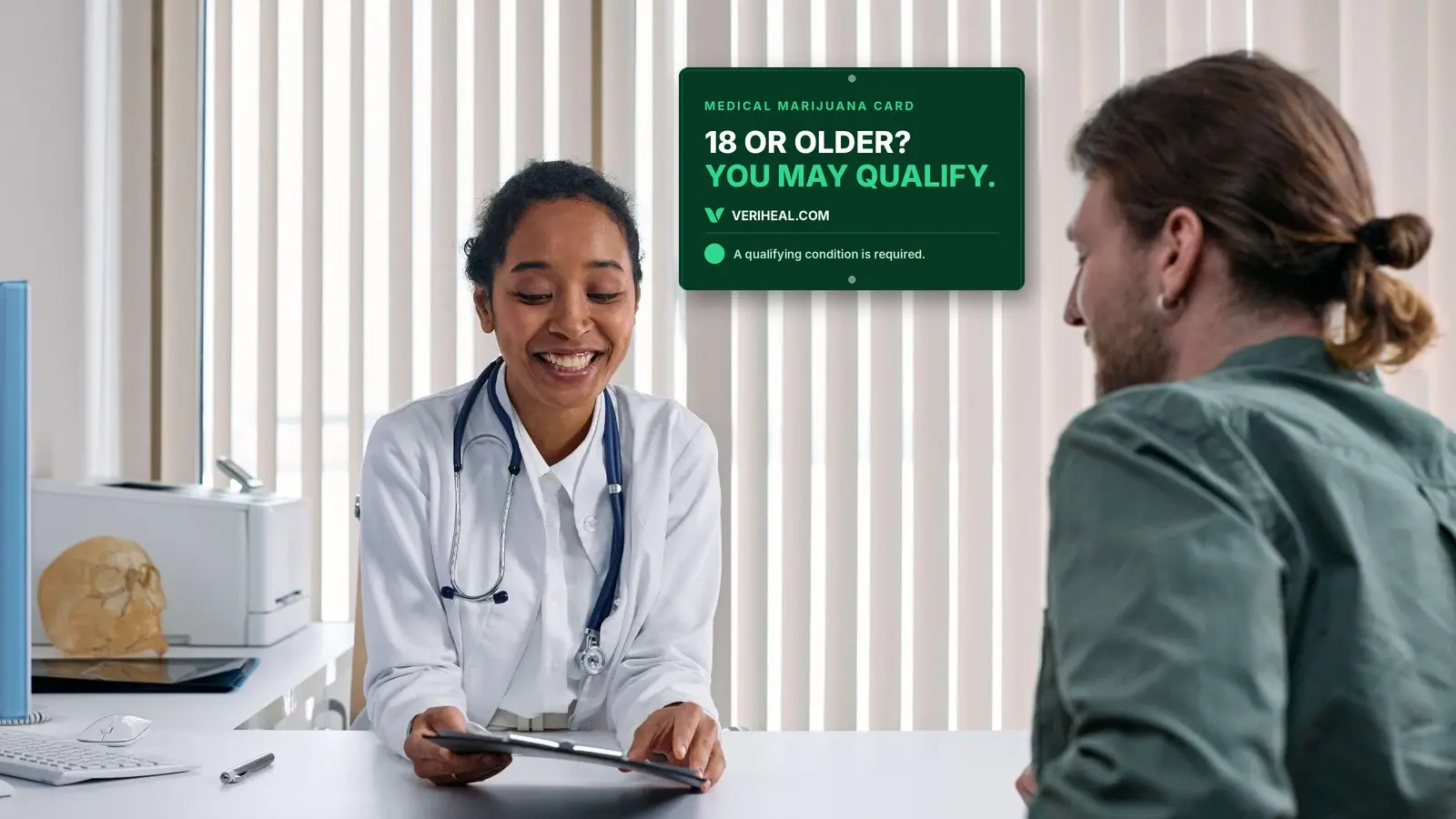
Many states let adults 18 and older get a medical marijuana card on their own, with no caregiver needed. Learn which states allow it, what you need to qualify at 18, and how patients under 18 can apply with a caregiver.
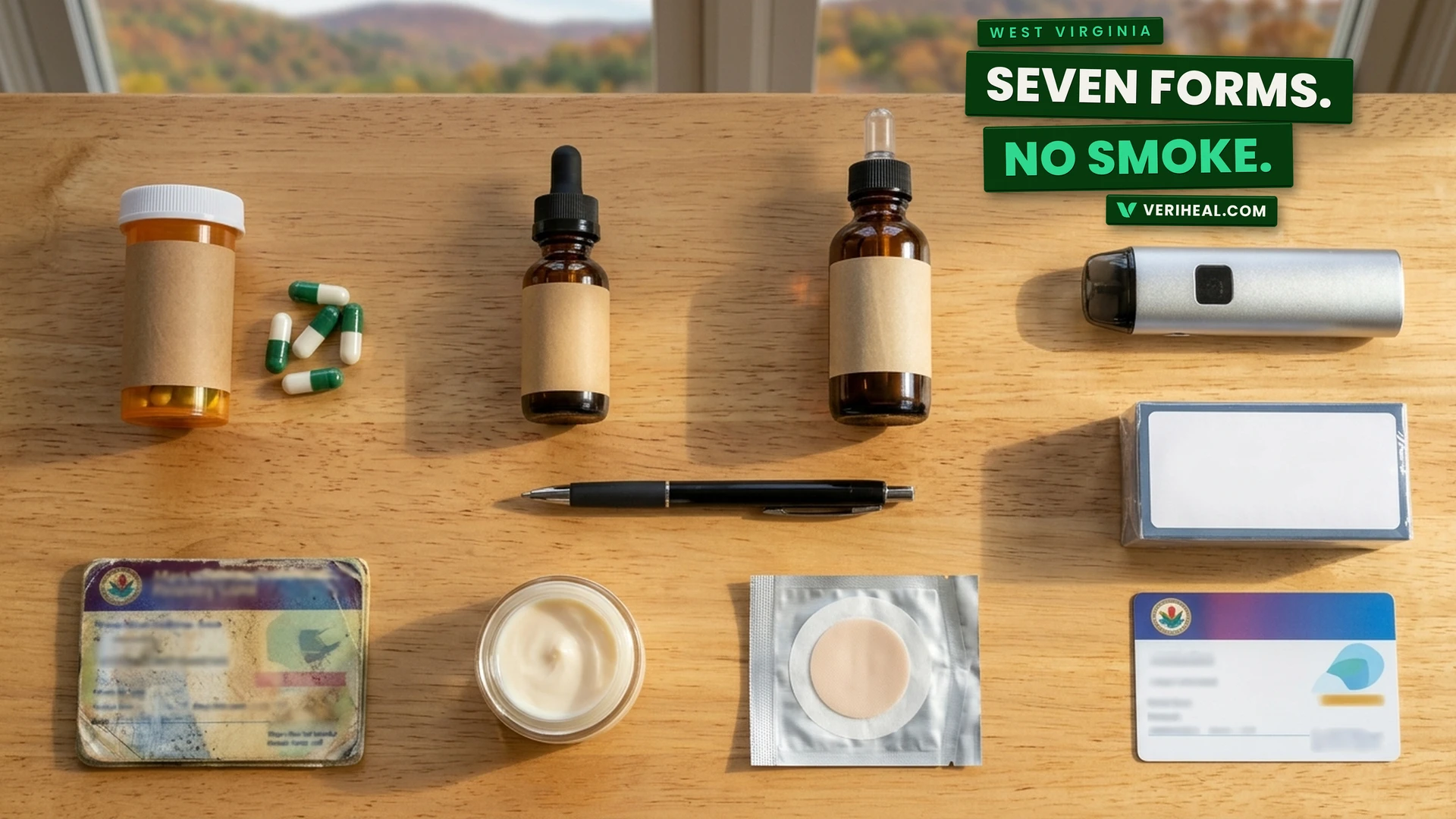
West Virginia allows medical cannabis in approved forms, including pills, oils, tinctures, topicals, patches, and products intended for vaporization, while prohibiting smoking and dispensary-sold edibles. This guide explains the differences between permitted products, dry leaf restrictions, purchase and possession limits, patient registration requirements, certification costs, and important legal considerations for medical cannabis patients.
Minnesota allows adults 21 and older to grow up to eight cannabis plants per residence, with no more than four mature and flowering plants. This guide explains home cultivation limits, medical patient and caregiver rules, security requirements, possession limits, prohibited activities, penalties, and how medical cannabis enrollment affects caregiver cultivation rights.
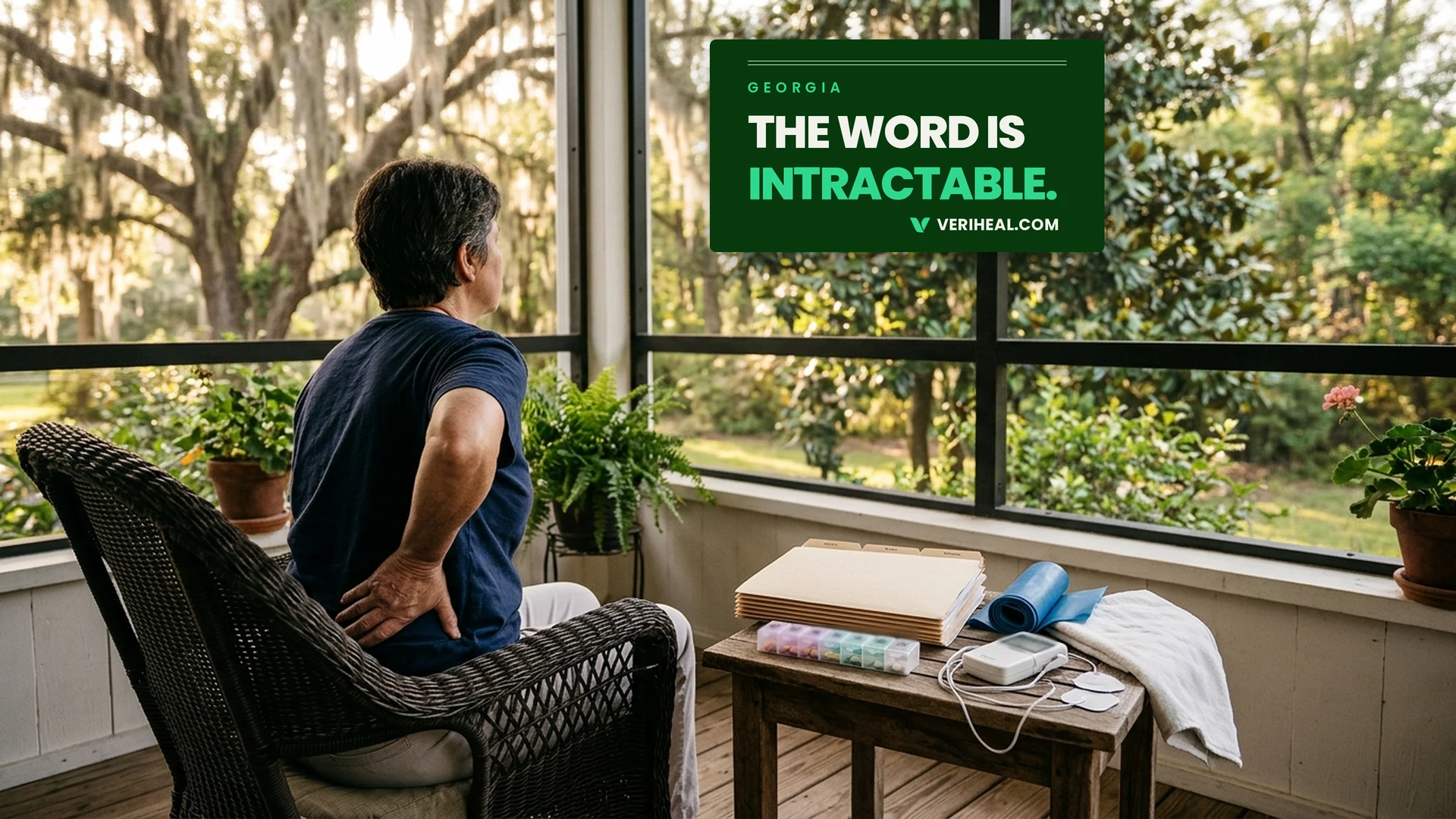
Chronic pain may qualify for medical cannabis in Georgia when a licensed physician determines that it meets the state’s intractable pain criteria. This guide explains qualifying pain conditions, medical documentation, physician certification, application costs, approved cannabis products, possession limits, and important considerations involving medication interactions, existing pain treatments, and insurance coverage.
The statements made regarding cannabis products on this website have not been evaluated by the Food and Drug Administration (FDA). Cannabis is not an FDA-approved substance and is still illegal under federal law. The information provided on this website is intended for educational purposes only and is not intended to diagnose, treat, cure, or prevent any disease. It is not intended as medical advice and should not be considered as a substitute for advice from a healthcare professional. We strongly recommend that you consult with a physician or other qualified healthcare provider before using any cannabis products. The use of any information provided on this website is solely at your own risk.